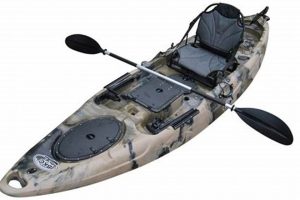
Small, human-powered boats designed for navigating waterways offer a unique blend of mobility and access for outdoor enthusiasts. These vessels can be equipped with specialized gear and storage solutions to support both angling and overnight stays in the wilderness, creating a self-sufficient and immersive experience.
Combining paddling with these activities provides advantages over traditional shore-based fishing and car camping. The ability to reach remote fishing spots inaccessible by land increases angling opportunities. Similarly, transporting camping gear by water opens up secluded campsites and offers a closer connection to nature. This approach resonates with a growing desire for sustainable, low-impact outdoor recreation, echoing historical uses of small boats for both sustenance and exploration.
This discussion will explore various aspects of utilizing small watercraft for combined fishing and camping trips, covering topics such as vessel selection, essential gear, safety considerations, trip planning, and responsible outdoor practices. Readers will gain valuable insights into maximizing enjoyment and safety while minimizing environmental impact.
Tips for Combining Watercraft Fishing and Camping
Careful planning and preparation are essential for successful combined fishing and camping trips using small, human-powered boats. The following tips offer valuable guidance for ensuring both enjoyable and safe experiences.
Tip 1: Choose the Right Vessel: Vessel selection should consider factors such as water conditions, anticipated load capacity, and desired stability. Longer kayaks offer better tracking for open water, while shorter, wider kayaks provide greater stability for fishing. Canoes provide ample storage but may be less maneuverable.
Tip 2: Prioritize Safety Equipment: Essential safety gear includes a personal flotation device (PFD), a signaling device (whistle, mirror, or flare), a first-aid kit, and navigation tools (map, compass, or GPS). A bilge pump and paddle float are recommended for kayak use.
Tip 3: Pack Efficiently: Utilize dry bags to protect gear from water damage and distribute weight evenly within the boat. Prioritize essential items and minimize unnecessary weight to improve stability and maneuverability.
Tip 4: Plan for Weather Conditions: Check weather forecasts before departure and be prepared for changing conditions. Pack appropriate clothing for both warm and cold temperatures, rain gear, and sun protection.
Tip 5: Respect Wildlife and Leave No Trace: Observe wildlife from a distance and avoid disturbing their natural habitat. Pack out all trash and minimize campfire impact by using established fire rings or portable stoves whenever possible.
Tip 6: Practice Basic Navigation and Water Safety: Familiarize oneself with basic navigation principles and water safety guidelines. Inform someone of the trip plan, including intended route and return time.
Tip 7: Secure Your Catch and Gear: Implement appropriate methods to secure fishing gear and any caught fish to prevent loss or entanglement. Properly store fishing tackle and bait to avoid attracting unwanted wildlife.
Tip 8: Campsite Selection and Setup: Choose designated campsites or areas appropriate for camping. Set up camp responsibly, minimizing impact on the surrounding environment. Store food securely to prevent attracting animals.
Adhering to these guidelines contributes significantly to a safe, enjoyable, and environmentally responsible experience. Proper preparation empowers individuals to fully appreciate the unique rewards of combined fishing and camping adventures from the perspective of a small watercraft.
By incorporating these practical tips, individuals can confidently embark on their next adventure, ready to enjoy the tranquility and excitement of this combined pursuit.
1. Stable Kayak Platform

A stable kayak platform is fundamental to successful fishing and camping excursions. Stability directly influences safety and effectiveness in various on-water activities inherent to these combined pursuits. Casting a fishing line, reeling in a catch, and entering or exiting the kayak, particularly in challenging conditions or with gear onboard, require a secure and balanced platform. A lack of stability compromises these actions, increasing the risk of capsizing and equipment loss. For instance, the unexpected movement of a hooked fish can destabilize a narrow or tippy kayak, especially if the angler is unprepared. Similarly, shifting weight to retrieve a stored item or adjust camping gear can lead to imbalance in a less stable craft.
The connection between stability and a positive experience is further emphasized by the extended duration of combined fishing and camping trips. Maintaining balance over several hours enhances comfort and reduces fatigue. A stable kayak allows anglers to focus on fishing rather than constantly correcting their balance, improving overall enjoyment. Campers also benefit from enhanced stability during gear loading and unloading at campsites. This minimizes the risk of submerging essential supplies or capsizing near the shore, ensuring a smoother transition between paddling and camping activities. Consider a scenario where an angler hooks a large fish. In a stable kayak, they can confidently play and land the fish, whereas an unstable platform would increase the likelihood of capsizing or losing the catch.
In summary, platform stability is not merely a desirable feature but a critical prerequisite for successful kayak fishing and camping. It directly impacts safety, efficiency, and overall enjoyment. Prioritizing stability during kayak selection significantly enhances the experience, enabling participants to focus on the intended activities rather than struggling to maintain balance. Choosing a wider, flatter-hulled kayak, utilizing outriggers, or practicing balancing techniques can contribute significantly to platform stability. This understanding empowers informed decision-making, leading to more rewarding and safer adventures on the water.
2. Efficient Gear Storage
Efficient gear storage is paramount for successful kayak fishing and camping trips. Limited space within a kayak necessitates thoughtful organization and packing strategies. A well-organized system ensures essential items remain readily accessible while minimizing clutter and maximizing available space. This contributes significantly to both safety and enjoyment on the water. Improperly stowed gear can shift during paddling or fishing, affecting the kayak’s balance and potentially leading to capsizing. For example, a loose fishing rod could become entangled in surrounding vegetation or snag on underwater obstacles, creating a hazardous situation. Conversely, readily available safety equipment, such as a bilge pump or first-aid kit, can be crucial in emergencies. Efficient storage facilitates quick retrieval of these items when needed.
The importance of efficient gear storage extends beyond safety considerations. Organized packing simplifies daily camp routines. Locating cooking utensils, sleeping bags, or fishing tackle becomes effortless, reducing frustration and maximizing time spent enjoying the outdoor experience. Imagine arriving at a picturesque campsite after a long paddle, only to spend valuable time rummaging through a disorganized kayak for the tent poles. Efficient packing eliminates this scenario, allowing for a smoother transition from paddling to camping. Dry bags play a critical role in maintaining order and protecting gear from water damage. Designating specific dry bags for clothing, electronics, and food supplies further streamlines organization. This practice also safeguards against unexpected splashes or even capsizing, ensuring essential items remain dry and functional.
In conclusion, efficient gear storage is an integral component of successful kayak fishing and camping. It enhances safety by preventing gear-related accidents and ensuring rapid access to essential items. Moreover, it streamlines daily routines, allowing participants to fully appreciate the experience. Careful planning and utilization of appropriate storage solutions, such as dry bags and deck rigging, are essential for achieving optimal organization and contributing to a safe and enjoyable adventure. Understanding the significance of efficient gear storage empowers individuals to prepare effectively, maximizing both safety and enjoyment on the water.
3. Appropriate Safety Equipment

Safety equipment is paramount for kayak fishing and camping trips, mitigating inherent risks associated with open water environments and remote locations. Appropriate gear enhances preparedness for unexpected situations, safeguarding against potential hazards and promoting self-sufficiency. Understanding the function and importance of various safety components is crucial for responsible trip planning.
- Personal Flotation Device (PFD)
A properly fitted PFD is non-negotiable. It provides essential buoyancy in the event of capsizing, increasing survival chances in cold water or challenging conditions. Choosing a PFD designed for paddling allows for comfortable movement while fishing or paddling. Consider an angler unexpectedly capsizing after hooking a large fish; a PFD becomes a literal lifesaver in such situations.
- Signaling Devices
Visual and auditory signaling devices are crucial for attracting attention in emergencies. A whistle can signal distress over short distances, while a mirror or flare can be seen from miles away, particularly by aerial search and rescue. Imagine a kayak drifting offshore due to changing winds; signaling devices become critical for attracting attention and initiating rescue.
- First-Aid Kit
A comprehensive first-aid kit addresses minor injuries and provides essential supplies until professional medical assistance is available. Contents should include bandages, antiseptic wipes, pain relievers, and any personal medications. Consider a hook injury while fishing or a minor cut while setting up camp; a well-stocked first-aid kit allows for immediate treatment.
- Navigation and Communication Tools
Navigation tools, such as a map, compass, or GPS device, are essential for route planning and staying oriented, especially in unfamiliar waters or changing weather conditions. A charged mobile phone in a waterproof case provides a communication link for emergencies, provided network coverage is available. Consider getting lost in dense fog or encountering unexpected currents; navigation tools and communication devices become essential for ensuring a safe return.
These safety components are interconnected, forming a comprehensive safety net for kayak fishing and camping trips. Each element plays a crucial role in mitigating specific risks, contributing to overall preparedness. By prioritizing appropriate safety equipment and understanding its function, individuals enhance their self-sufficiency and significantly improve their chances of a safe and enjoyable experience on the water. This knowledge empowers informed decisions, contributing to responsible outdoor practices and minimizing the potential for accidents.
4. Detailed Trip Planning
Detailed trip planning is essential for safe and enjoyable kayak fishing and camping adventures. Thorough preparation minimizes potential risks associated with remote locations and unpredictable weather conditions. A comprehensive plan allows for efficient use of time and resources, maximizing the overall experience. Careful consideration of various factors contributes significantly to a successful outing.
- Route Planning and Navigation
Mapping the intended route, including potential campsites and alternative landing points, is crucial for navigation and time management. Identifying potential hazards, such as rapids or shallow areas, enhances safety and allows for informed decision-making. Utilizing navigational aids, such as charts, compass, or GPS, further ensures accurate navigation, especially in unfamiliar waters or changing weather conditions. Consider a scenario where fog rolls in unexpectedly; a pre-planned route and reliable navigation tools become essential for a safe return.
- Weather Forecasting and Contingency Plans
Checking weather forecasts before departure and throughout the trip is paramount for safety. Unfavorable weather conditions, such as strong winds or thunderstorms, can create hazardous paddling conditions. Establishing contingency plans, such as alternative campsites or early exit strategies, allows for flexible responses to changing weather patterns. Imagine encountering a sudden squall while on the water; a pre-determined contingency plan can prevent a dangerous situation.
- Gear Preparation and Packing
Creating a detailed gear list ensures all essential items are packed efficiently. Prioritizing essential safety equipment, such as PFDs, signaling devices, and a first-aid kit, is crucial for mitigating risks. Properly packing and securing gear within the kayak enhances stability and prevents equipment loss. Consider the inconvenience of realizing a forgotten essential item upon reaching a remote campsite; a comprehensive gear list prevents such oversights.
- Campsite Selection and Regulations
Researching potential campsites and understanding local regulations is crucial for responsible camping practices. Choosing designated campsites or areas appropriate for camping minimizes environmental impact. Familiarizing oneself with permit requirements or fire restrictions ensures compliance with local regulations. Consider the potential disruption to local ecosystems caused by improper waste disposal; responsible campsite selection and adherence to regulations preserve the natural environment.
These elements of detailed trip planning are interconnected, contributing to a comprehensive approach to safe and enjoyable kayak fishing and camping. Each aspect plays a crucial role in mitigating potential risks and maximizing the overall experience. By prioritizing thorough planning, individuals demonstrate responsible outdoor practices and significantly enhance their chances of a successful adventure. This preparedness empowers informed decision-making, leading to more rewarding and safer experiences on the water.
5. Minimal Environmental Impact

Minimizing environmental impact is a crucial aspect of responsible kayak fishing and camping. These activities, by their nature, bring individuals into close contact with fragile ecosystems. Therefore, adopting practices that prioritize environmental preservation ensures the long-term health and accessibility of these natural spaces. Understanding the potential impacts and implementing appropriate mitigation strategies is essential for sustainable enjoyment of these activities.
- Leave No Trace Principles
Adhering to Leave No Trace principles forms the foundation of minimal impact practices. These principles encompass packing out all trash, minimizing campfire impacts, staying on established trails, respecting wildlife, and leaving natural areas as they were found. For example, properly disposing of fishing line prevents entanglement hazards for wildlife, while using a camp stove instead of a campfire minimizes fire risk and soil disturbance. These practices ensure future generations can enjoy the same pristine environments.
- Waste Management
Proper waste management is crucial in minimizing pollution and preserving water quality. Packing out all trash, including food scraps and biodegradable waste, prevents the accumulation of debris in natural areas. Utilizing reusable containers and minimizing single-use plastics further reduces waste generation. Imagine the detrimental effect of discarded plastic bottles accumulating along a scenic waterway; responsible waste management safeguards against such pollution.
- Respect for Wildlife
Respecting wildlife involves observing animals from a distance, avoiding disruptive behaviors, and refraining from feeding them. Maintaining a safe distance allows animals to continue their natural behaviors undisturbed. Feeding wildlife can alter their natural foraging habits and create dependence on human food sources. Consider the potential disruption to a bird’s nesting behavior caused by close-range observation; respectful wildlife interaction minimizes such disturbances.
- Sustainable Fishing Practices
Sustainable fishing practices ensure the long-term health of fish populations and aquatic ecosystems. Adhering to catch-and-release guidelines, using barbless hooks, and avoiding overfishing contribute to fish population sustainability. Proper handling of fish minimizes stress and injury during release. Imagine the detrimental impact of overfishing on a local fish population; sustainable practices maintain a healthy balance within the ecosystem.
By integrating these minimal impact practices into kayak fishing and camping trips, individuals contribute to the long-term preservation of natural environments. These actions demonstrate a commitment to responsible outdoor recreation, ensuring that future generations can continue to enjoy these pristine areas. This mindful approach fosters a deeper appreciation for the natural world and strengthens the connection between individuals and the environment. Ultimately, minimal impact practices enhance the overall experience, promoting both personal enjoyment and environmental stewardship.
Frequently Asked Questions
This section addresses common inquiries regarding combined kayak fishing and camping excursions. Clear and concise answers provide practical information for planning and executing successful trips.
Question 1: What type of kayak is best suited for combined fishing and camping trips?
Kayaks designed specifically for fishing often incorporate features conducive to both angling and gear storage. Sit-on-top kayaks offer stability and ease of entry/exit, while longer touring kayaks provide efficient tracking for covering greater distances. Selecting a kayak with ample storage capacity is crucial for accommodating camping gear.
Question 2: How much weight can a fishing kayak safely carry?
Weight capacity varies significantly among kayak models. Consulting manufacturer specifications provides precise figures. Exceeding the recommended weight limit compromises stability and increases the risk of capsizing. Calculating the combined weight of the paddler, gear, and potential catch ensures safe operation within the kayak’s capacity.
Question 3: What essential safety gear should be carried on a kayak fishing and camping trip?
Essential safety gear includes a properly fitted personal flotation device (PFD), signaling devices (whistle, mirror, or flare), a comprehensive first-aid kit, navigation tools (map, compass, or GPS), and a communication device (mobile phone in a waterproof case). A bilge pump and paddle float are recommended for kayak use.
Question 4: How can environmental impact be minimized during kayak fishing and camping trips?
Adhering to Leave No Trace principles minimizes environmental impact. These principles include packing out all trash, minimizing campfire impacts, staying on established trails, respecting wildlife, and leaving natural areas undisturbed. Sustainable fishing practices, such as catch-and-release, further contribute to environmental preservation.
Question 5: Where can one find information on local regulations and permit requirements for kayak camping?
Local park authorities, wildlife management agencies, or online resources specific to the intended destination provide information on regulations and permit requirements. Checking these resources before departure ensures compliance with local rules and helps protect natural environments.
Question 6: What are the key considerations for choosing a campsite during a kayak camping trip?
Key considerations include accessibility by water, proximity to essential resources (freshwater, firewood if permitted), terrain suitability for tent setup, and potential hazards (wildlife, falling trees). Prioritizing designated campsites minimizes environmental impact and ensures access to established facilities.
Careful consideration of these frequently asked questions enhances preparedness and contributes to safer and more enjoyable kayak fishing and camping experiences. Thorough planning and responsible practices maximize both personal enjoyment and environmental stewardship.
The next section provides a comprehensive gear checklist for combined kayak fishing and camping excursions.
Kayak for Fishing and Camping
Exploration of combined kayak fishing and camping reveals the significant interplay between equipment selection, safety considerations, and environmental responsibility. Achieving a harmonious balance among these elements is crucial for maximizing both enjoyment and sustainability. A stable kayak platform, efficient gear storage, and appropriate safety equipment are foundational prerequisites for safe and successful outings. Detailed trip planning, encompassing route mapping, weather forecasting, and contingency plans, mitigates potential risks associated with remote locations and unpredictable conditions. Finally, adherence to minimal impact practices, including Leave No Trace principles and sustainable fishing techniques, ensures the preservation of these natural environments for future generations.
The convergence of angling and camping within the context of kayak-based exploration offers a unique opportunity to connect with nature on a deeper level. This pursuit encourages responsible stewardship of natural resources and promotes a mindful approach to outdoor recreation. Careful consideration of the principles and practices outlined herein empowers individuals to embark on enriching adventures while simultaneously contributing to the long-term health and accessibility of these invaluable ecosystems.