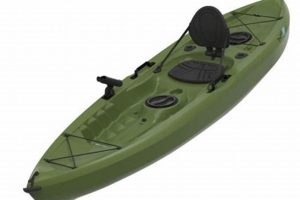
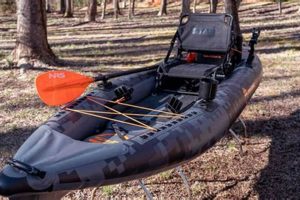
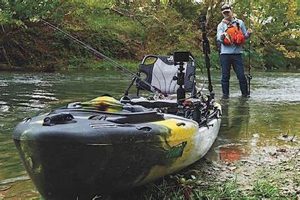
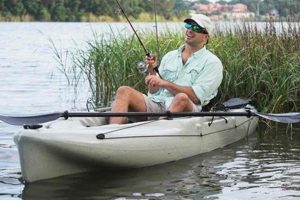
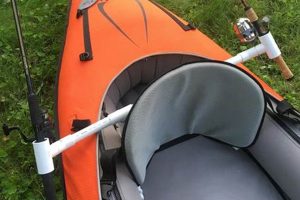
This specialized storage solution offers anglers a robust and organized way to transport gear and equipment on fishing kayaks. Typically constructed from durable materials like high-impact plastic, these crates are designed to withstand the rigors of the marine environment. Features often include specialized compartments and attachment points for rods, tackle boxes, and other essential items, maximizing space efficiency on relatively small kayak decks.
Enhanced organization and accessibility contribute significantly to efficient angling from a kayak. Keeping essential tools and tackle readily available improves both safety and the overall fishing experience. The evolution of these specialized crates mirrors the increasing popularity of kayak fishing itself, reflecting a demand for purpose-built equipment tailored to this specific style of fishing. This evolution has led to innovations in materials, design, and features, ensuring angler needs are met.
The following sections delve deeper into specific aspects of durable crate systems for kayak angling, exploring topics such as material selection, design considerations, popular features, and proper utilization techniques.
Tips for Optimized Kayak Crate Usage
Maximizing the utility of a specialized kayak fishing crate involves careful planning and consideration of individual angling needs. Proper crate selection and organization are essential for both safety and fishing efficacy.
Tip 1: Prioritize Secure Mounting: Ensure the crate is firmly affixed to the kayak deck to prevent shifting or tipping during movement. Employ appropriate mounting hardware and techniques recommended by the crate and kayak manufacturers.
Tip 2: Distribute Weight Evenly: Balance the load within the crate and across the kayak deck for optimal stability and maneuverability. Avoid concentrating heavy items in a single area.
Tip 3: Organize Gear Strategically: Arrange frequently accessed items within easy reach. Utilize compartmentalization features to prevent tangling and facilitate quick retrieval.
Tip 4: Secure Loose Items: Employ bungee cords, straps, or other securing mechanisms to prevent loss of gear due to unexpected splashes or capsizing.
Tip 5: Consider Accessibility: Choose a crate position that allows comfortable access to its contents while seated in the kayak. Avoid placements that hinder paddling or casting.
Tip 6: Regularly Inspect Hardware: Periodically check mounting hardware and attachment points for signs of wear or corrosion. Replace worn components promptly to maintain safety and security.
Tip 7: Adapt to Fishing Style: Customize crate organization and contents based on the targeted species and fishing techniques. Tailor storage solutions to specific needs for maximum efficiency.
By adhering to these guidelines, anglers can significantly enhance their kayak fishing experience through improved organization, accessibility, and safety. A well-organized and secure crate contributes directly to a more productive and enjoyable time on the water.
Following these practical tips paves the way for a more seamless and rewarding experience on the water. The subsequent conclusion offers final thoughts and recommendations for enhancing kayak fishing adventures.
1. Durable Construction
Durability is paramount for kayak fishing crates, given the demanding conditions they face. Exposure to saltwater, UV radiation, and impacts necessitates robust construction to ensure long-term functionality and value. A durable crate safeguards equipment and contributes to a safe and productive fishing experience.
- Material Selection
High-impact plastics, such as polyethylene or polypropylene, are frequently chosen for their strength, resistance to cracking and UV degradation, and lightweight nature. These materials can withstand repeated exposure to harsh marine environments without significant deterioration. Choosing the right material directly impacts the crate’s lifespan and resistance to damage.
- Construction Techniques
Rotational molding or injection molding are common manufacturing processes, yielding uniform wall thickness and structural integrity. Reinforced corners and robust hardware further enhance the crate’s ability to withstand impacts and heavy loads. These construction methods contribute to a crate’s overall resilience.
- Hardware and Fasteners
Corrosion-resistant stainless steel or marine-grade aluminum hardware ensures long-lasting performance in saltwater environments. High-quality fasteners prevent loosening due to vibration or impacts. Selecting appropriate hardware is essential for maintaining structural integrity over time.
- UV Resistance
Protection against ultraviolet radiation prevents fading and material degradation. UV-resistant additives in the plastic or specialized coatings maintain the crate’s appearance and structural integrity, ensuring a longer lifespan. This protection safeguards against the detrimental effects of prolonged sun exposure.
These elements of durable construction contribute significantly to the overall performance and lifespan of a kayak fishing crate. Investing in a robustly constructed crate ensures reliable performance and protects valuable fishing gear from the elements, maximizing the return on investment and contributing to a more enjoyable and productive fishing experience.
2. Organized Storage
Efficient organization is paramount in kayak fishing, where limited space necessitates strategic gear management. A well-organized crate system contributes significantly to a streamlined and productive fishing experience, maximizing both safety and efficiency on the water. This section explores the critical role of organized storage within the context of a specialized fishing crate.
- Compartmentalization
Dividing the crate into dedicated compartments allows for the separation and categorization of various fishing essentials. Lures, hooks, lines, and tools can be stored separately, preventing tangling and facilitating rapid retrieval. This targeted organization minimizes time spent searching for specific items, maximizing fishing time and efficiency. For example, designating a specific compartment for frequently used lures ensures immediate access during critical moments.
- Accessibility
Strategic placement of frequently used items within easy reach is crucial. Positioning essential gear in readily accessible compartments or utilizing external attachment points allows for quick retrieval without disrupting fishing flow. This accessibility reduces wasted time and effort, contributing to a smoother and more productive experience. Placing pliers and cutters within arm’s reach, for instance, allows for efficient line management without requiring extensive movement.
- Security
Secure storage prevents gear loss or damage. Utilizing compartments with lids, securing mechanisms like bungee cords, or employing specialized inserts for sensitive equipment safeguards valuable items from the elements and prevents shifting during transit or kayak maneuvering. This protection minimizes the risk of losing essential gear and contributes to peace of mind on the water. Securing tackle boxes within the crate, for instance, prevents them from opening and spilling contents during transport.
- Customization
Adaptability to individual angling styles is a key advantage of organized storage. The ability to configure compartments or utilize adjustable dividers allows anglers to tailor the crate’s layout to their specific needs and preferences. This customization enhances efficiency and optimizes workflow based on individual fishing techniques and target species. A bass angler, for example, might configure the crate differently than someone targeting trout, prioritizing specific lure types and tackle arrangements.
These organizational features collectively transform a simple crate into a highly effective tool for kayak anglers. By prioritizing compartmentalization, accessibility, security, and customization, anglers can significantly enhance their on-the-water efficiency, ultimately contributing to a more successful and enjoyable fishing experience. A well-organized crate fosters a streamlined and focused approach, allowing anglers to concentrate on the task at hand catching fish.
3. Secure Mounting
Secure mounting is paramount for a productive and safe kayak fishing experience, ensuring the crate remains stable and accessible, regardless of water conditions or kayak maneuvers. A securely mounted crate prevents unwanted shifting or tipping, protecting both gear and the angler. This stability allows for efficient retrieval of tackle and contributes to overall balance and control of the kayak. This section examines the key facets of secure mounting specifically regarding specialized fishing crates designed for kayak use.
- Mounting Location
Strategic placement of the crate on the kayak deck is crucial for both stability and accessibility. Factors to consider include the kayak’s design, the angler’s reach, and the need to maintain an even weight distribution. Positioning the crate too far forward or aft can negatively impact the kayak’s trim and stability. For example, placing it behind the seat typically offers easy access but requires careful weight management to prevent the stern from dipping. Conversely, a forward position might improve tracking but could hinder casting or paddling. The optimal location depends on individual kayak configuration and fishing style.
- Attachment Methods
Various methods exist for securing the crate to the kayak deck, each offering distinct advantages and disadvantages. Common approaches include straps, bungee cords, dedicated mounting tracks, and hardware like bolts or screws. Straps and bungee cords offer flexibility and ease of installation but might require frequent adjustment. Dedicated tracks provide a more permanent solution but may limit crate placement options. Hardware offers the most secure attachment but often necessitates drilling into the kayak deck. Choosing the appropriate method depends on the crate’s design, the kayak’s construction, and the desired level of permanence.
- Hardware Considerations
When using hardware for attachment, material selection is critical for longevity and corrosion resistance. Marine-grade stainless steel is often preferred for its durability in saltwater environments. Aluminum offers a lighter alternative but requires careful consideration of potential corrosion issues. Using non-corrosive hardware is essential to prevent degradation and maintain the integrity of the mounting system over time. Furthermore, selecting appropriately sized hardware ensures a secure and lasting connection between the crate and the kayak.
- Weight Distribution
Even weight distribution within the crate and across the kayak is essential for stability and maneuverability. Concentrating heavy items in one area can negatively impact the kayak’s balance, making it more prone to tipping. Distributing weight evenly minimizes this risk and contributes to a more stable and predictable paddling experience. This balance is particularly important when standing in a kayak, as uneven weight distribution can significantly compromise stability.
These facets of secure mounting are integral to maximizing the utility and safety of a specialized kayak fishing crate. Proper mounting ensures that the crate remains firmly in place, allowing anglers to focus on fishing rather than managing unstable gear. By carefully considering mounting location, attachment methods, hardware selection, and weight distribution, anglers can create a secure and efficient platform for their fishing endeavors, enhancing both performance and enjoyment on the water.
4. Kayak Integration

Kayak integration represents a critical design element of specialized fishing crates, directly influencing on-the-water efficiency and overall fishing experience. Effective integration maximizes limited deck space, ensures stability, and facilitates seamless access to essential gear. A well-integrated crate becomes an extension of the kayak, enhancing functionality without compromising maneuverability or safety. This seamless integration distinguishes purpose-built kayak fishing crates from generic storage solutions. Consider, for example, a crate designed to fit snugly within a specific kayak model’s recessed tank well. This tailored fit maximizes space utilization and prevents the crate from sliding, demonstrating a high degree of kayak integration. Conversely, a generic crate strapped to the deck, while functional, may obstruct movement and shift during paddling, highlighting the importance of integration-focused design.
Several factors contribute to successful kayak integration. Compatibility with common kayak deck features, such as mounting tracks or recessed areas, simplifies installation and ensures a secure fit. Low-profile designs minimize wind resistance and prevent interference with paddling strokes. Integration also extends to features like rod holders, tackle organizers, and accessory mounts, further enhancing the crate’s functionality and consolidating essential gear within easy reach. For instance, integrated rod holders positioned at an optimal angle prevent rod tangling and facilitate quick deployment, demonstrating a practical application of integration principles. Similarly, strategically placed tool holders or lure organizers within the crate minimize clutter and streamline access to frequently used items, further showcasing the benefits of integrated design.
Understanding the significance of kayak integration empowers anglers to select crates optimized for their specific needs and kayak models. This informed selection process enhances on-the-water efficiency, improves safety, and contributes to a more enjoyable fishing experience. Challenges related to integration can arise from variations in kayak design and individual fishing styles. Addressing these challenges often involves customization, employing adaptable mounting systems, and prioritizing modular crate designs that allow for flexibility in configuration. Ultimately, prioritizing kayak integration leads to a more streamlined and productive fishing setup, maximizing both performance and enjoyment on the water.
5. Fishing Specific Design

Fishing-specific design distinguishes specialized kayak crates from generic storage solutions. This design philosophy prioritizes features directly relevant to angling needs, enhancing efficiency and organization on the water. Consider rod holders, strategically placed and angled to secure rods during paddling and prevent tangling. Integrated tackle management systems, such as compartments designed to accommodate lure boxes or specialized slots for pliers and cutters, further exemplify this design focus. These purpose-built features streamline workflow, allowing anglers to maintain focus on fishing rather than managing gear. For example, a crate with recessed compartments sized specifically for popular tackle boxes eliminates the need for separate containers, optimizing space and accessibility.
The practical implications of fishing-specific design are significant. Rapid access to essential tools and tackle improves efficiency and reaction time, critical when battling a fish or changing lures quickly. Secure rod storage minimizes the risk of damage or loss during navigation. Purpose-built compartments keep gear organized and protected from the elements, prolonging its lifespan. These design elements contribute not only to improved fishing performance but also to enhanced safety and enjoyment on the water. A well-designed crate might incorporate a lid with a waterproof seal, safeguarding electronics or other sensitive items from splashes or unexpected submersion. Such features directly address the unique challenges of the kayak fishing environment.
Understanding the importance of fishing-specific design allows for informed purchasing decisions. Evaluating features based on individual fishing styles and target species optimizes crate selection. While a bass angler might prioritize numerous rod holders and ample lure storage, a fly fisherman might require specialized compartments for fly boxes and tools. Recognizing these nuanced needs ensures the chosen crate aligns with specific angling requirements, maximizing its utility and enhancing the overall fishing experience. Ultimately, a crate designed with the angler’s needs in mind contributes to a more organized, efficient, and ultimately successful time on the water.
6. Enhanced Accessibility

Enhanced accessibility is a critical aspect of specialized kayak fishing crate design, directly impacting on-the-water efficiency and overall fishing experience. Rapid and convenient access to essential gear, such as lures, tools, and tackle, contributes significantly to a streamlined and productive fishing session. This accessibility minimizes time spent searching for items, allowing anglers to focus on fishing rather than fumbling with gear. A well-designed crate facilitates intuitive organization and retrieval, maximizing efficiency and enjoyment on the water.
- Strategic Placement
Positioning frequently used items within easy reach is paramount. Placing pliers, cutters, and essential lures in readily accessible compartments or on external attachment points minimizes disruption and maximizes fishing time. For example, a crate with readily accessible side pockets for pliers and cutters eliminates the need to rummage through internal compartments during crucial moments, such as landing a fish. This strategic placement streamlines workflow and enhances overall efficiency.
- Intuitive Organization
Clear and logical compartmentalization within the crate facilitates quick identification and retrieval of specific items. Dividing the crate into dedicated sections for different lure types, terminal tackle, and tools prevents tangling and simplifies gear management. This intuitive organization reduces time spent searching for specific items and minimizes frustration, allowing anglers to maintain focus and maximize fishing time. Consider a crate with labeled compartments for different hook sizes or lure types. This clear organization system allows for quick and efficient selection of the appropriate gear, further enhancing accessibility.
- Ergonomic Design
Ergonomic considerations in crate design, such as comfortable handles, smooth-opening lids, and strategically angled compartments, further enhance accessibility. These features minimize strain and facilitate easy one-handed operation, allowing anglers to maintain control of their kayak and fishing rod while retrieving gear. A crate with a comfortable, non-slip grip, for example, allows for secure handling even in wet conditions, enhancing both accessibility and safety. Similarly, a lid designed for one-handed opening allows for quick access to the crate’s contents without requiring the angler to put down their rod.
- Adaptable Configuration
Modular designs with adjustable compartments and customizable layouts allow anglers to tailor the crate’s organization to their specific needs and preferences. This adaptability ensures optimal accessibility for individual fishing styles and target species, maximizing efficiency and personalizing the fishing experience. A crate with removable dividers, for example, allows anglers to configure compartments to accommodate specific tackle boxes or larger items like fish finders, illustrating the benefit of adaptable configuration for enhanced accessibility.
These elements of enhanced accessibility contribute significantly to a more streamlined and enjoyable kayak fishing experience. By prioritizing strategic placement, intuitive organization, ergonomic design, and adaptable configuration, specialized crates become highly effective tools, empowering anglers to maximize their time on the water and focus on the pursuit of fish. Investing in a crate designed for accessibility ultimately translates to a more productive and rewarding fishing experience.
Frequently Asked Questions
This section addresses common inquiries regarding specialized kayak fishing crates, providing concise and informative responses to assist anglers in making informed decisions.
Question 1: What materials are typically used in the construction of durable kayak fishing crates?
High-impact plastics, such as polyethylene and polypropylene, are commonly employed due to their durability, UV resistance, and lightweight nature. These materials withstand harsh marine environments, ensuring long-term performance.
Question 2: How are these crates typically mounted onto a kayak?
Common mounting methods include straps, bungee cords, dedicated mounting tracks, and hardware like bolts or screws. The optimal method depends on the crate and kayak design, as well as desired permanence.
Question 3: What key features should one consider when selecting a kayak fishing crate?
Essential features include ample storage capacity, specialized compartments for tackle and tools, secure rod holders, and a stable mounting system. Consider individual fishing styles and target species when selecting specific features.
Question 4: How does one maintain and care for a kayak fishing crate?
Regular cleaning with fresh water and mild soap removes saltwater residue and prevents corrosion. Inspecting hardware for wear and tear and replacing damaged components ensures long-term functionality and safety.
Question 5: What safety precautions should be taken when using a kayak fishing crate?
Ensure proper weight distribution within the crate and across the kayak to maintain stability. Secure loose items to prevent loss or entanglement. Regularly inspect mounting hardware for security.
Question 6: Are these crates adaptable to different kayak models and fishing styles?
Many crates offer adjustable features and mounting options to accommodate various kayak designs and fishing styles. Consider crate dimensions, mounting compatibility, and specialized features when selecting a model.
Careful consideration of these frequently asked questions facilitates informed decision-making when selecting and utilizing a specialized kayak fishing crate. Prioritizing durability, functionality, and safety ensures a positive and productive on-the-water experience.
The subsequent section offers concluding remarks and recommendations regarding the selection and utilization of specialized kayak fishing crates.
Conclusion
Specialized kayak fishing crates represent a significant advancement in angling equipment, offering optimized storage, enhanced accessibility, and improved safety for kayak anglers. Careful consideration of material selection, design features, mounting systems, and organizational strategies maximizes the utility of these purpose-built crates. Durable construction ensures long-term performance in demanding marine environments. Fishing-specific features, such as integrated rod holders and specialized tackle compartments, streamline workflow and enhance on-the-water efficiency. Secure mounting systems contribute to stability and prevent gear shifting during navigation. Prioritizing these key aspects ensures a seamless and productive kayak fishing experience.
Investing in a well-designed, durable, and appropriately equipped kayak fishing crate significantly enhances the overall angling experience. Optimized gear management contributes to increased efficiency, allowing anglers to focus on the pursuit of fish rather than managing equipment. Strategic organization and readily accessible tools maximize fishing time and improve responsiveness to changing conditions. Ultimately, selecting a high-quality, purpose-built crate represents an investment in both safety and enhanced fishing performance, contributing to a more rewarding and enjoyable time on the water.