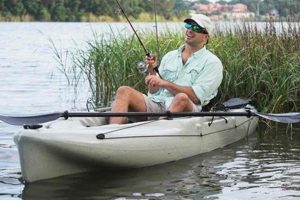
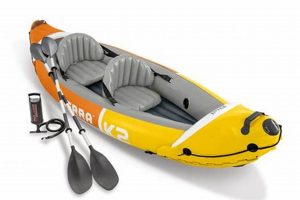
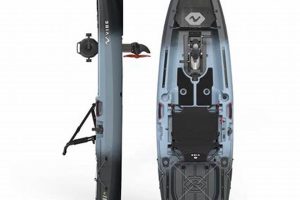
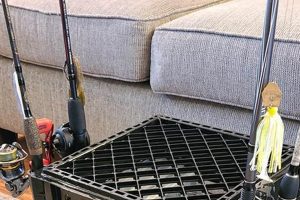
Modern advancements in angling equipment designed specifically for kayak-based fishing encompass a wide range of products. These include specialized rods, reels, and lines, as well as innovative tackle storage solutions, electronic fish finders, and safety equipment adapted for the kayak angler. Examples include lightweight, collapsible rods, low-profile baitcasting reels, and waterproof tackle boxes designed to fit within limited kayak space.
These developments offer significant advantages to anglers. Lighter and more compact gear enhances maneuverability and comfort on the water, allowing for longer and more productive fishing trips. Improved fish-finding technology increases the likelihood of successful catches, while purpose-built storage solutions keep essential equipment organized and accessible, crucial in the confined environment of a kayak. Historically, kayak fishing relied on adapted equipment from other angling disciplines. The emergence of specialized gear represents a significant advancement, reflecting the growing popularity and unique demands of this fishing style.
The subsequent sections will explore specific categories of modern kayak fishing equipment in detail, examining the latest innovations and providing guidance on selecting the appropriate gear for individual needs and fishing styles. Topics covered will include rod and reel selection, fish finder technology, essential safety equipment, and innovative storage solutions.
Tips for Selecting and Utilizing Kayak Fishing Equipment
Choosing and employing appropriate equipment is crucial for a successful and enjoyable kayak fishing experience. The following tips offer guidance on optimizing gear selection and usage.
Tip 1: Prioritize Lightweight and Compact Gear: Kayak space is limited. Selecting lightweight rods, reels, and tackle boxes maximizes maneuverability and comfort.
Tip 2: Choose Waterproof and Durable Equipment: Exposure to water and the elements is inevitable. Waterproof bags, boxes, and electronics are essential for protecting valuable equipment.
Tip 3: Opt for Rod and Reel Combinations Suited to Target Species: Matching rod and reel specifications to the target fish enhances fishing effectiveness. Shorter rods are often preferred for kayak fishing due to space constraints.
Tip 4: Invest in a Quality Fish Finder: A fish finder significantly improves the odds of locating fish. Compact, kayak-specific models are available with advanced features like GPS and chartplotting.
Tip 5: Organize Tackle Efficiently: Utilize specialized kayak tackle storage solutions to maximize space and keep essential gear readily accessible. Consider a crate system or waterproof bags designed to fit within kayak compartments.
Tip 6: Prioritize Safety Equipment: A personal flotation device (PFD) is paramount. Other essential safety gear includes a whistle, signaling devices, and a first-aid kit.
Tip 7: Practice Proper Kayak Fishing Techniques: Mastering techniques like paddling and casting from a seated position is crucial for maintaining balance and maximizing fishing efficiency.
Careful equipment selection and utilization significantly enhance safety, comfort, and fishing success. Prioritizing lightweight, durable, and specialized gear ensures a more productive and enjoyable experience on the water.
By understanding the nuances of kayak fishing equipment and implementing these tips, anglers can maximize their potential and fully enjoy this dynamic and rewarding fishing style. The following section will conclude with a summary of key takeaways and offer additional resources for further exploration.
1. Lightweight Construction

Lightweight construction is a defining characteristic of modern kayak fishing equipment, directly impacting performance, portability, and overall fishing experience. Reducing gear weight enhances maneuverability on the water, facilitates easier transport to and from fishing locations, and reduces fatigue during long fishing trips. This section explores the multifaceted implications of lightweight construction in the context of contemporary kayak angling gear.
- Materials and Manufacturing Processes
Advanced materials like carbon fiber, graphite, and specialized polymers play a crucial role in achieving lightweight designs. These materials offer high strength-to-weight ratios, enabling the creation of robust yet lightweight rods, reels, and kayak structures. Innovative manufacturing processes, such as high-pressure molding and precision machining, further contribute to weight reduction while maintaining structural integrity. For instance, carbon fiber kayak paddles offer significant weight savings compared to traditional aluminum or fiberglass alternatives.
- Impact on Kayak Performance
Lighter kayaks are easier to maneuver and paddle, particularly in challenging conditions like wind or current. This enhanced maneuverability allows anglers to access shallower waters, navigate tight spaces, and position themselves more effectively for casting and retrieving. Additionally, reduced kayak weight simplifies launching and landing, making solo trips more manageable.
- Ergonomics and User Experience
Lightweight rods and reels reduce fatigue during extended casting and retrieving, allowing anglers to fish longer and more comfortably. This is particularly beneficial in kayak fishing, where anglers are often seated for extended periods. Lightweight tackle boxes and storage solutions also contribute to overall comfort and reduce strain during transport and on-the-water organization.
- Portability and Transportation
Lightweight gear simplifies transportation to and from fishing destinations. Lighter kayaks are easier to car-top, load onto trailers, and carry to launch sites. Similarly, lightweight rods, reels, and tackle are easier to transport, particularly when hiking to remote fishing locations. This portability expands access to diverse fishing environments and enhances the overall convenience of kayak angling.
The emphasis on lightweight construction represents a significant advancement in kayak fishing equipment. By leveraging advanced materials and manufacturing techniques, manufacturers have created gear that enhances performance, improves user experience, and expands access to the sport. The benefits of lightweight construction extend beyond mere convenience, contributing directly to angler comfort, efficiency, and overall fishing success.
2. Compact Design

Compact design is a critical aspect of contemporary kayak fishing equipment, directly influencing functionality and user experience within the limited confines of a kayak. Optimizing gear for minimal size and efficient storage is essential for maintaining maneuverability, maximizing usable space, and ensuring a streamlined fishing experience. This section explores the multifaceted implications of compact design in modern kayak angling equipment.
- Storage Solutions
Compact tackle boxes, trays, and bags designed specifically for kayaks maximize storage capacity while minimizing occupied space. These specialized storage solutions often feature modular designs, adjustable compartments, and waterproof construction, allowing anglers to organize and protect essential gear within the limited confines of a kayak. Examples include stackable tackle trays that fit within designated compartments and waterproof bags designed to conform to the shape of the kayak’s hull.
- Rod and Reel Design
Compact rod and reel combinations are essential for kayak fishing. Shorter, collapsible rods facilitate casting and retrieving in tight spaces while minimizing storage requirements. Low-profile baitcasting reels and smaller spinning reels offer powerful performance in a compact form factor. These designs enhance maneuverability and reduce the risk of entanglement or interference with other kayak equipment.
- Electronics and Accessories
Compact fish finders, GPS units, and other electronic devices maximize functionality without consuming valuable deck space. These devices often feature integrated mounting systems designed specifically for kayaks, allowing for secure and convenient placement. Similarly, compact and foldable accessories, such as landing nets and anchor systems, minimize storage requirements and maximize usable space.
- Impact on Kayak Fishing Experience
Compact gear design significantly enhances the overall kayak fishing experience. By minimizing clutter and maximizing usable space, anglers can focus on fishing without the constraints of bulky or cumbersome equipment. This streamlined approach promotes efficiency, improves maneuverability, and contributes to a more comfortable and enjoyable experience on the water.
The emphasis on compact design reflects the unique demands of kayak fishing, where space efficiency is paramount. By prioritizing compact gear, anglers enhance functionality, improve maneuverability, and maximize their enjoyment on the water. This focus on compact design is a key characteristic of modern kayak fishing equipment and a significant factor in the evolution of this specialized angling discipline.
3. Durable Materials

Durability is paramount in kayak fishing equipment, given the demanding nature of the aquatic environment. Constant exposure to water, sunlight, and physical stresses necessitates the use of robust materials that can withstand these rigors. Modern kayak fishing gear leverages advanced materials specifically chosen for their resilience, extending the lifespan of equipment and ensuring reliable performance under challenging conditions. This connection between durable materials and contemporary kayak fishing equipment is fundamental to the sport’s evolution and the angler’s success.
The selection of appropriate materials directly impacts the longevity and functionality of kayak fishing gear. High-quality polymers, marine-grade stainless steel, and specialized coatings protect against corrosion and degradation caused by saltwater exposure. Reinforced stitching and heavy-duty zippers on bags and storage solutions ensure continued functionality despite repeated use and exposure to the elements. For example, high-density polyethylene kayaks offer exceptional impact resistance and UV protection, crucial for withstanding impacts with rocks and prolonged exposure to sunlight. Similarly, braided fishing lines with specialized coatings provide increased abrasion resistance, essential when fishing around structures or in heavy cover.
The practical significance of durable materials extends beyond mere longevity. Reliable equipment enhances safety, reduces the risk of equipment failure during critical moments, and contributes to a more positive fishing experience. Choosing durable gear represents a long-term investment, minimizing the need for frequent replacements and ensuring consistent performance over time. The emphasis on durable materials in new kayak fishing gear underscores the commitment to quality, functionality, and the demanding requirements of this specialized angling pursuit.
4. Specialized Functionality
Specialized functionality is a defining characteristic of modern kayak fishing equipment, differentiating it from general angling gear. This specialization reflects the unique demands and constraints of kayak fishing, where space is limited, maneuverability is crucial, and equipment must withstand the rigors of the aquatic environment. The following facets highlight the core components of specialized functionality in new kayak fishing gear.
- Rod Holders and Mounting Systems
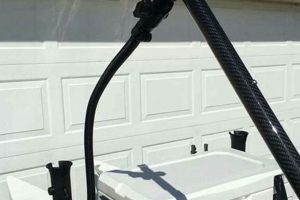
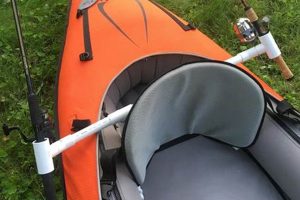
Integrated rod holders, adjustable mounting systems, and specialized tracks allow anglers to securely position rods within easy reach, maximizing fishing efficiency and minimizing clutter. These systems accommodate various rod types and fishing techniques, from trolling to vertical jigging. Examples include flush-mounted rod holders, adjustable track systems that allow for customized rod placement, and rotating rod holders that facilitate different fishing angles.
- Tackle Management Systems
Specialized tackle storage solutions maximize space utilization and keep essential gear organized and accessible. Waterproof tackle boxes, trays, and bags designed specifically for kayaks ensure that lures, hooks, and other small items remain protected and readily available. Modular designs and customizable compartments allow anglers to tailor their tackle storage to specific fishing needs. Examples include waterproof backpacks with integrated tackle compartments, stackable trays that fit within dedicated kayak storage areas, and specialized lure boxes designed to protect delicate treble hooks.
- Electronics Integration
Kayak-specific fish finders, GPS units, and transducers offer seamless integration with the kayak’s structure, maximizing functionality without compromising space or stability. Recessed transducer mounts, specialized power systems, and integrated displays provide a streamlined and efficient electronics setup. Examples include compact fish finders with built-in GPS and chartplotting capabilities, wireless transducers designed for easy installation and removal, and specialized mounting systems that minimize interference with paddling.
- Paddle and Propulsion Systems
Specialized paddle designs, such as those with feathered blades or adjustable lengths, enhance paddling efficiency and maneuverability. Furthermore, integrated pedal-drive systems or electric motors offer hands-free propulsion, allowing anglers to focus on fishing. Examples include lightweight carbon fiber paddles with ergonomic grips, pedal-drive systems that offer increased speed and control, and compact electric motors designed for shallow-water navigation.
These specialized functionalities represent significant advancements in kayak fishing gear, enhancing efficiency, comfort, and overall fishing success. By addressing the unique demands of kayak angling, these features contribute to a more streamlined, productive, and enjoyable experience on the water. The integration of these specialized functionalities underscores the ongoing evolution of kayak fishing gear and its adaptation to the specific needs of this growing segment of the angling community.
5. Enhanced Safety Features
Enhanced safety features constitute a critical aspect of new kayak fishing gear, reflecting a heightened awareness of the inherent risks associated with this activity. These advancements prioritize angler well-being and contribute significantly to a safer and more responsible on-the-water experience. The connection between these features and contemporary kayak fishing equipment is fundamental to the sport’s sustainable growth and the angler’s peace of mind.
Several factors underscore the importance of enhanced safety features. Kayak fishing often takes place in remote locations, far from immediate assistance. Changing weather conditions, unpredictable currents, and potential interactions with other watercraft necessitate robust safety measures. High-visibility personal flotation devices (PFDs) with integrated storage pockets and attachment points for essential tools, for example, represent a significant advancement. Similarly, waterproof and buoyant communication devices, such as VHF radios and satellite messengers, provide crucial links to emergency services in case of unforeseen events. Integrating reflective elements into kayak designs and apparel enhances visibility in low-light conditions, reducing the risk of collisions. Furthermore, advancements in kayak design, such as improved stability and self-bailing systems, contribute passively to overall safety.
Understanding the practical significance of enhanced safety features is paramount for responsible kayak angling. Proper utilization of safety equipment, combined with a comprehensive understanding of water safety protocols, mitigates potential risks. Regular inspection and maintenance of safety gear, such as checking PFDs for wear and tear and ensuring communication devices are fully charged, are essential practices. Participation in safety courses and familiarity with local regulations further enhance preparedness and responsible angling behavior. The integration of these features into new kayak fishing gear underscores the industry’s commitment to angler safety and the promotion of responsible enjoyment of the sport.
Frequently Asked Questions about New Kayak Fishing Gear
This section addresses common inquiries regarding modern kayak fishing equipment, providing concise and informative responses to assist anglers in making informed decisions.
Question 1: What are the essential safety features to consider when selecting new kayak fishing gear?
Essential safety features include a high-visibility personal flotation device (PFD), a whistle, signaling devices (such as a mirror or flare), a first-aid kit, and a reliable communication device (like a VHF radio or satellite messenger). Kayak features like enhanced stability and self-bailing systems also contribute to overall safety.
Question 2: How does lightweight construction benefit kayak fishing equipment?
Lightweight construction enhances maneuverability, reduces fatigue during paddling and casting, and simplifies transportation to and from fishing locations. It also improves the overall portability of the kayak and associated gear.
Question 3: Why is specialized tackle storage important for kayak fishing?
Specialized tackle storage maximizes limited space within the kayak, keeping essential gear organized and readily accessible. Waterproof designs protect tackle from the elements, ensuring its longevity and functionality.
Question 4: What advantages do kayak-specific fish finders offer?
Kayak-specific fish finders typically feature compact designs, integrated mounting systems, and specialized transducers suitable for shallow-water use. These features enhance functionality without compromising space or stability.
Question 5: How do specialized paddle designs enhance kayak fishing?
Specialized paddle designs, such as those with feathered blades or adjustable lengths, improve paddling efficiency and maneuverability. This enhanced control allows anglers to position themselves effectively for casting and retrieving.
Question 6: What are the key factors to consider when choosing a fishing rod for kayak angling?
Key factors include rod length, action, power, and material. Shorter rods are generally preferred for kayak fishing due to space constraints. The rod’s action and power should match the target species and fishing techniques employed. Lightweight and durable materials like carbon fiber or graphite are desirable.
Careful consideration of these frequently asked questions empowers anglers to select and utilize modern kayak fishing gear effectively, enhancing both safety and fishing success. Understanding the nuances of specialized kayak fishing equipment enables anglers to make informed choices, optimizing their experience on the water.
The following section will offer concluding remarks and additional resources for further exploration of this dynamic and evolving segment of the angling world.
Conclusion
This exploration of modern kayak angling equipment has highlighted the significant advancements designed to enhance on-the-water experiences. From lightweight, durable materials and compact designs to specialized functionalities and enhanced safety features, modern innovations cater specifically to the unique demands of kayak fishing. The evolution of specialized rods, reels, tackle storage solutions, electronics, and safety equipment reflects the growing popularity and increasing sophistication of this angling discipline. An understanding of these advancements empowers anglers to make informed decisions, optimizing equipment choices for individual needs and fishing styles.
The ongoing development of kayak fishing gear promises further enhancements in performance, safety, and overall angling experience. As technology continues to evolve and the sport gains further traction, anglers can anticipate continued innovation in equipment design and functionality. This dynamic landscape presents exciting opportunities for anglers to explore new possibilities and engage with the aquatic environment in increasingly effective and rewarding ways. Careful consideration of equipment choices, coupled with responsible angling practices, will ensure the continued growth and enjoyment of this specialized pursuit.