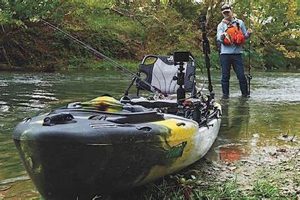
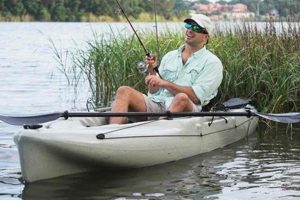
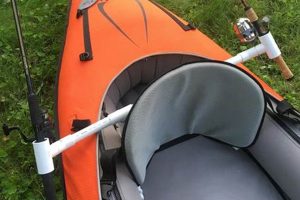
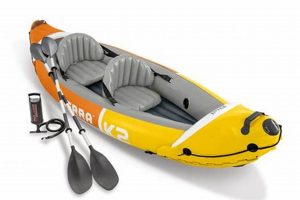
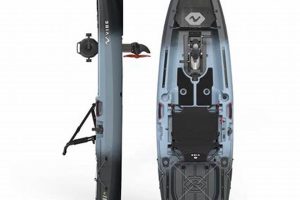
A small, portable, and inflatable watercraft designed specifically for angling offers anglers a convenient and versatile way to access various fishing locations, particularly those difficult to reach with traditional boats. These vessels are typically constructed from durable, puncture-resistant materials, and often feature specialized design elements like rod holders, gear storage, and anchor systems.
Portable watercraft of this type have significantly enhanced the angling experience. Their lightweight nature and compact packability make transportation and storage effortless, opening up opportunities to explore remote waters, smaller streams, or even protected coastal areas. Compared to rigid kayaks or larger boats, these craft provide an economical and accessible pathway into the sport of fishing, benefiting both novice and experienced anglers. This evolution in fishing equipment reflects a broader trend towards specialized gear that enhances performance and accessibility in outdoor recreation.
This exploration will delve into various aspects of choosing and utilizing such a watercraft, including factors influencing selection, essential accessories, proper maintenance, and important safety considerations.
Tips for Utilizing Inflatable Fishing Kayaks
Careful consideration of various factors contributes significantly to a successful and enjoyable fishing experience from an inflatable kayak.
Tip 1: Prioritize Stability and Capacity: Select a model with sufficient stability and weight capacity suitable for the intended fishing environment and combined weight of the angler and gear. Wider beams generally offer increased stability.
Tip 2: Consider Water Conditions: Choose a kayak designed for the specific water conditions anticipated. Some models are better suited for calm lakes, while others perform admirably in moderate currents or choppy coastal waters.
Tip 3: Evaluate Portability and Setup: The ease of inflation and deflation, packed size, and overall weight are crucial factors impacting transport and storage.
Tip 4: Inspect Features for Angling: Integrated rod holders, adjustable seating, and ample storage compartments significantly enhance the fishing experience from these specialized vessels.
Tip 5: Understand and Practice Safety Procedures: Always wear a personal flotation device (PFD) and familiarize oneself with local boating regulations and water safety guidelines. Carry a safety whistle and signaling devices, and inform someone of the fishing location and estimated return time.
Tip 6: Maintain and Store Properly: Regularly inspect the kayak for damage, ensure proper cleaning and drying after each use, and store in a cool, dry place away from direct sunlight.
Tip 7: Choose Appropriate Accessories: Consider accessories such as a high-pressure pump, paddle leash, anchor system, and dry bags to enhance safety, convenience, and organization.
Adhering to these guidelines will ensure safe and productive outings on the water, maximizing enjoyment of the angling experience.
These preparatory steps contribute significantly to a secure and fulfilling fishing excursion, allowing anglers to focus on their passion.
1. Portability

Portability represents a defining characteristic of inflatable fishing kayaks, directly influencing their appeal and practicality. Unlike rigid kayaks, these inflatable vessels can be deflated and packed into a compact size, significantly simplifying transport and storage. This inherent portability expands angling opportunities, granting access to remote lakes, secluded rivers, and challenging-to-reach fishing spots inaccessible by larger watercraft or where car-topping a traditional kayak proves impractical. The reduced bulk and weight eliminate the need for specialized trailers or roof racks, facilitating transport in standard vehicles, even smaller cars. This ease of transport also benefits anglers with limited storage space at home or those utilizing public transportation.
The practical implications of this portability are substantial. Consider an angler seeking to fish a secluded alpine lake. Transporting a traditional kayak would require significant logistical planning and physical effort. An inflatable kayak, however, can be easily backpacked to the lake’s edge, significantly reducing the barriers to accessing such locations. Similarly, urban anglers can readily transport their deflated kayaks on public transport, opening up fishing opportunities within city limits without the constraints of vehicle ownership or storage. This enhanced accessibility democratizes the sport of angling, enabling individuals to pursue their passion regardless of logistical challenges.
In essence, portability serves as a cornerstone of the inflatable fishing kayak’s utility. This defining attribute broadens angling horizons, simplifies logistical considerations, and ultimately enhances the overall fishing experience. The ease of transport and storage afforded by these vessels significantly contributes to their growing popularity and their transformative impact on the accessibility of the sport.
2. Stability

Stability stands as a critical performance attribute in pike inflatable fishing kayaks, directly impacting angler safety, comfort, and fishing efficacy. Maintaining balance while casting, retrieving, and landing fish is paramount, especially in dynamic water conditions or when handling active catches. A stable platform enables anglers to focus on the nuances of fishing without the constant distraction of precarious balance. Compromised stability can lead to angler fatigue, diminished casting accuracy, and in worst-case scenarios, capsizing. The following facets explore key elements contributing to stability in these specialized watercraft.
- Hull Design:
The kayak’s hull design plays a pivotal role in its stability. Wider beams generally provide greater initial stability, making them less prone to tipping. Flat-bottomed hulls offer excellent primary stability, ideal for calm waters and stationary fishing. However, they may be less maneuverable. V-shaped hulls, while less stable initially, offer superior secondary stability the ability to resist capsizing when leaning making them better suited for moving water or more dynamic angling techniques. Inflatable kayaks often utilize a modified flat-bottom design with strategically placed inflatable chambers to enhance both primary and secondary stability.
- Center of Gravity:
The combined center of gravity of the angler, gear, and the kayak itself significantly influences stability. Distributing weight evenly and keeping it low within the kayak enhances balance. High-seated kayaks may offer increased visibility but can compromise stability compared to lower-seated designs. Careful gear placement and avoiding sudden shifts in weight contribute to maintaining a stable center of gravity and mitigating the risk of capsizing.
- Water Conditions:
Prevailing water conditions directly affect a kayak’s stability. Calm lakes and slow-moving rivers present fewer stability challenges compared to choppy waters or fast-flowing currents. Wind, waves, and wakes from passing boats can significantly impact stability, necessitating increased vigilance and potentially requiring adjustments in angler positioning or fishing techniques. Choosing a kayak designed for the anticipated water conditions is crucial for ensuring a safe and productive fishing experience.
- Angler Experience and Technique:
An angler’s experience and technique also play a role in perceived stability. Experienced kayakers often develop a nuanced understanding of balance and weight distribution, enabling them to maintain stability in challenging conditions. Proper paddling technique and smooth, deliberate movements minimize rocking and contribute to a more stable fishing platform. Novice anglers should prioritize practicing basic kayaking skills in calm water before venturing into more demanding environments.
Understanding these interconnected factors empowers anglers to select a pike inflatable fishing kayak appropriate for their skill level and intended fishing environment. Prioritizing stability ensures not only a safer angling experience but also contributes to increased comfort and overall fishing success. By carefully considering these elements, anglers can confidently explore a wide range of waters and focus on the pursuit of their targeted catch.
3. Durability
Durability represents a critical factor in the evaluation and selection of a pike inflatable fishing kayak, directly influencing its lifespan, performance, and overall value. These vessels are subjected to various stressors, including abrasion from rocks and submerged debris, exposure to sunlight and fluctuating temperatures, and the general wear and tear associated with regular use. A durable kayak withstands these challenges, maintaining its structural integrity and ensuring reliable performance over extended periods. Understanding the components contributing to durability empowers informed purchasing decisions and promotes responsible kayak ownership.
- Material Construction:
The material composition of the kayak’s hull and inflatable chambers significantly impacts its durability. High-quality PVC (polyvinyl chloride) and Hypalon are commonly employed due to their inherent puncture resistance, abrasion resistance, and UV resistance. The denier rating of the fabric, a measure of its thickness and weight, also indicates its robustness. Higher denier ratings generally correlate with increased durability. Reinforced seams and multiple air chambers enhance structural integrity and provide redundancy in case of a puncture. Examining the material specifications provides insights into a kayak’s ability to withstand the rigors of on-water use.
- Construction Techniques:
Manufacturing techniques play a crucial role in the overall durability of the kayak. Drop-stitch construction, where thousands of threads connect the top and bottom layers of the fabric, creates a rigid and durable structure capable of withstanding high pressure. Welded seams, as opposed to glued seams, offer superior strength and longevity. Reinforced areas, particularly around stress points like the bow and stern, further enhance durability. Researching manufacturing processes provides valuable insights into a kayak’s construction quality and its potential lifespan.
- Environmental Factors:
Environmental factors, such as UV exposure, temperature fluctuations, and water conditions, can impact the long-term durability of an inflatable kayak. Prolonged exposure to intense sunlight can degrade materials, leading to cracking or fading. Extreme temperature variations can affect the flexibility and integrity of the inflatable chambers. Exposure to saltwater requires thorough rinsing after each use to prevent corrosion of metal components and deterioration of the fabric. Proper storage practices, including storing the kayak in a cool, dry place away from direct sunlight, mitigate the impact of these environmental factors.
- Maintenance and Care:
Regular maintenance and proper care contribute significantly to a kayak’s longevity. Inspecting the kayak for damage after each use, addressing minor repairs promptly, and ensuring thorough cleaning and drying prevent the accumulation of dirt, grime, and saltwater residue that can accelerate wear and tear. Proper inflation pressures, as specified by the manufacturer, maintain structural integrity and prevent stress on the seams. Adhering to recommended maintenance practices preserves the kayak’s performance and extends its usable lifespan.
The durability of a pike inflatable fishing kayak directly correlates with its long-term performance and overall value. By carefully considering material construction, construction techniques, environmental factors, and maintenance practices, anglers can make informed decisions that ensure a reliable and long-lasting investment. A durable kayak provides peace of mind on the water, allowing anglers to focus on the enjoyment of the sport and the pursuit of their quarry.
4. Fishing Features

Specialized fishing features distinguish pike inflatable fishing kayaks from recreational models, optimizing them for angling pursuits. These integrated design elements enhance angler efficiency, comfort, and overall fishing success. Understanding the purpose and utility of these features empowers informed purchasing decisions and maximizes on-water performance. Several key fishing features contribute significantly to the efficacy of these specialized watercraft.
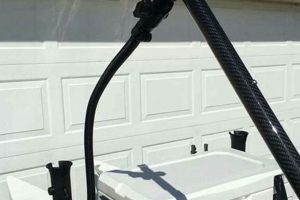
Integrated rod holders secure fishing rods, freeing hands for other tasks like paddling, changing lures, or landing fish. Multiple rod holders accommodate diverse fishing techniques and allow for quick transitions between different setups. Adjustable rod holders further customize angling preferences. Similarly, strategically placed D-rings or attachment points provide anchors for essential gear like fish finders, GPS units, and camera mounts. These secure attachment points ensure equipment remains readily accessible while minimizing clutter within the kayak’s limited space. Ample storage compartments, including dry bags, tackle boxes, or integrated storage wells, accommodate tackle, fishing tools, and personal items, promoting organization and efficient gear management on the water. These specialized storage solutions prevent gear from shifting during movement, minimizing distractions and maximizing usable space within the kayak.
Consider a scenario where an angler targets pike in a weedy lake. The integrated rod holders secure rods while navigating through the vegetation, preventing entanglement. A fish finder, mounted securely to a D-ring, aids in locating productive fishing areas. The readily accessible tackle box within a designated storage compartment allows for quick lure changes to adapt to changing fish behavior. These integrated fishing features streamline the angling process, enabling the angler to focus on the pursuit of pike. The practical application of these specialized features directly translates to increased fishing success and a more enjoyable on-water experience. The integration of purpose-built fishing features transforms a standard inflatable kayak into a dedicated angling platform, optimized for efficiency and performance.
5. Capacity (weight, angler)

Capacity, encompassing both weight and angler size, represents a crucial specification in pike inflatable fishing kayaks, directly impacting safety, performance, and overall fishing efficacy. Exceeding the manufacturer’s specified weight capacity compromises stability, potentially leading to capsizing. Insufficient capacity also reduces freeboardthe distance between the waterline and the top of the kayak’s hullincreasing the risk of swamping, particularly in choppy conditions. Angler size considerations ensure adequate cockpit space for comfortable paddling and casting. A cramped cockpit restricts movement, leading to fatigue and hindering effective fishing techniques. Careful consideration of capacity parameters ensures a safe and productive angling experience.
Consider an angler intending to fish for pike in a large reservoir. Carrying essential gear, including tackle, rods, a fish finder, and safety equipment, alongside personal items, can quickly accumulate weight. Choosing a kayak with insufficient weight capacity could result in a dangerously low freeboard, increasing vulnerability to waves or wakes. Conversely, an angler of larger stature requires ample cockpit space to maneuver comfortably and effectively cast and retrieve lures. A kayak with limited cockpit dimensions restricts movement, hindering fishing performance and potentially compromising safety. Understanding capacity limitations and selecting an appropriately sized kayak ensures safe navigation, optimal performance, and an enjoyable fishing experience. For example, a kayak with a higher weight capacity allows for extended fishing trips with more gear and provisions, while a kayak designed for larger anglers offers increased cockpit space and stability. Practical application of these principles translates to enhanced safety, improved fishing performance, and increased overall enjoyment on the water. Choosing the right capacity ensures the kayak performs optimally under load, allowing anglers to focus on the pursuit of their target species without compromise.
Matching kayak capacity to individual angler needs and intended use represents a critical aspect of responsible kayak ownership. Overlooking capacity specifications compromises safety and diminishes the overall fishing experience. Understanding weight limitations and angler size considerations ensures a stable, comfortable, and efficient fishing platform, enabling anglers to safely explore diverse waters and pursue their angling passions with confidence.
6. Material (often PVC or Hypalon)

Material selection significantly influences the performance, durability, and longevity of a pike inflatable fishing kayak. The choice between PVC (Polyvinyl Chloride) and Hypalon, the two most common materials used in inflatable kayak construction, presents distinct advantages and disadvantages relevant to anglers. Understanding the properties of each material empowers informed decision-making aligned with individual fishing needs and priorities.
- PVC (Polyvinyl Chloride):
PVC offers a cost-effective solution, making it a popular choice for entry-level and mid-range inflatable kayaks. Its lightweight nature contributes to portability, simplifying transport and storage. Modern PVC formulations incorporate UV inhibitors and plasticizers, enhancing resistance to sunlight degradation and improving flexibility in varying temperatures. However, PVC can be susceptible to punctures and abrasion compared to Hypalon, particularly in rocky or debris-filled waters. Proper care and maintenance, including prompt repairs of minor punctures, are essential for maximizing the lifespan of a PVC kayak.
- Hypalon:
Hypalon, a type of chlorosulfonated polyethylene rubber, exhibits superior durability and resistance to abrasion, punctures, and UV degradation compared to PVC. Its resilience makes it well-suited for demanding environments and frequent use. Hypalon kayaks often represent a higher initial investment but offer greater longevity and require less maintenance. Their robust nature makes them ideal for challenging expeditions or navigating waters with potential hazards like submerged logs or sharp rocks. The inherent strength and longevity of Hypalon contribute to a reliable and long-lasting fishing platform.
- Material Layering and Denier:
Beyond the core material, the layering and denier (a unit of linear mass density of fibers) of the fabric significantly influence a kayak’s robustness. Multiple layers of PVC or Hypalon, often reinforced with additional coatings or fabrics, enhance puncture resistance and overall durability. Higher denier ratings indicate thicker, more robust material, contributing to increased strength and longevity. Examining these specifications provides insights into a kayak’s ability to withstand the rigors of regular use and potential impacts.
- Seam Construction:
Seam construction plays a vital role in the overall integrity and lifespan of an inflatable kayak. Welded seams, commonly employed in higher-end kayaks, offer superior strength and durability compared to glued seams. Welded seams create a continuous, airtight bond, minimizing the risk of leaks and enhancing the kayak’s overall structural integrity. Reinforced seams, particularly in high-stress areas like the bow and stern, further enhance durability and contribute to a longer lifespan.
The material composition of a pike inflatable fishing kayak directly impacts its performance, durability, and overall suitability for specific fishing environments. Careful consideration of material properties, layering, denier, and seam construction empowers informed purchasing decisions aligned with individual angling needs, budgets, and intended usage. Understanding these factors ensures a reliable and long-lasting fishing platform capable of withstanding the demands of regular use and maximizing on-water enjoyment.
7. Maintenance Requirements

Appropriate maintenance practices directly influence the lifespan, performance, and safety of a pike inflatable fishing kayak. Neglecting routine maintenance can lead to premature wear and tear, material degradation, and potential safety hazards on the water. Implementing a proactive maintenance regimen ensures optimal performance, extends the kayak’s usable life, and contributes to a safe and enjoyable fishing experience. The following facets explore key maintenance requirements for these specialized watercraft.
- Cleaning and Drying:
Regular cleaning after each use removes dirt, grime, saltwater residue, and aquatic vegetation that can degrade materials and compromise performance. Thorough drying, especially in humid environments, prevents mildew growth and prolongs the lifespan of the kayak’s fabric and seams. Rinsing with fresh water after saltwater excursions is particularly crucial to prevent corrosion of metal components and deterioration of the kayak’s material.
- Storage:
Proper storage practices significantly influence the long-term durability of an inflatable fishing kayak. Storing the kayak in a cool, dry place away from direct sunlight minimizes UV degradation and prevents material damage. Storing the kayak loosely folded, rather than tightly rolled, reduces stress on the seams and material, prolonging its lifespan. Avoiding contact with sharp objects or chemicals during storage further safeguards the kayak’s integrity.
- Inspection and Repair:
Regular inspections identify potential issues like small punctures, abrasions, or seam damage before they escalate into major problems. Promptly addressing minor repairs, using appropriate repair kits and techniques, prevents further damage and maintains the kayak’s structural integrity and airtight seal. Regularly inspecting valves, fittings, and other components ensures their proper function and contributes to overall safety.
- Inflation and Deflation:
Proper inflation and deflation techniques contribute to the kayak’s performance and longevity. Using a high-quality pump designed for inflatable kayaks ensures efficient inflation to the manufacturer’s recommended pressure. Overinflation stresses the seams and material, while underinflation compromises stability and tracking. Proper deflation techniques, including allowing the kayak to fully deflate before folding, minimize stress on the material and prolong its lifespan.
Adhering to these maintenance requirements optimizes the performance and extends the lifespan of a pike inflatable fishing kayak. Proactive maintenance ensures a safe, reliable, and enjoyable fishing experience, allowing anglers to confidently explore diverse waters and focus on the pursuit of their quarry. Neglecting these essential practices compromises the kayak’s integrity, potentially leading to costly repairs or premature replacement.
Frequently Asked Questions
Addressing common inquiries regarding pike inflatable fishing kayaks provides clarity for prospective purchasers and enhances overall understanding of these specialized watercraft. The following questions and answers offer insights into key aspects of selection, usage, and maintenance.
Question 1: How durable are inflatable fishing kayaks compared to traditional hard-shell kayaks?
While hard-shell kayaks generally offer greater inherent durability against sharp objects, inflatable kayaks constructed from durable materials like reinforced PVC or Hypalon demonstrate remarkable resilience against punctures and abrasion. Proper care and maintenance significantly extend their lifespan.
Question 2: What are the key features to look for in a pike inflatable fishing kayak?
Essential features include sufficient weight capacity, ample storage space, multiple rod holders, adjustable seating, and a stable hull design suitable for the intended fishing environment. A high-quality pump and repair kit are also valuable additions.
Question 3: How easily can one transport and store an inflatable fishing kayak?
Deflated inflatable kayaks pack down into a compact size, easily fitting within vehicle trunks or storage closets. Their lightweight nature eliminates the need for specialized roof racks or trailers, simplifying transport and storage significantly.
Question 4: Are inflatable fishing kayaks suitable for use in saltwater environments?
Many inflatable fishing kayaks are designed for both freshwater and saltwater use. However, thorough rinsing with fresh water after each saltwater excursion is crucial to prevent corrosion of metal components and deterioration of the kayak’s materials.
Question 5: How stable are inflatable fishing kayaks, particularly when casting or landing fish?
Inflatable kayaks designed for fishing typically feature wider beams and stable hull designs, providing a secure platform for casting and landing fish. Proper weight distribution and adherence to manufacturer capacity guidelines further enhance stability.
Question 6: What are the general maintenance requirements for an inflatable fishing kayak?
Routine maintenance includes cleaning and drying after each use, proper storage in a cool, dry place, regular inspection for damage, and prompt repair of any punctures or abrasions. Proper inflation and deflation practices also contribute to longevity.
Understanding these key aspects contributes significantly to informed purchasing decisions and responsible kayak ownership. Prioritizing appropriate selection, usage, and maintenance practices ensures a safe, enjoyable, and productive fishing experience.
Further exploration of specific models and angler experiences provides additional insights valuable to prospective inflatable fishing kayak owners.
Conclusion
This exploration has provided a comprehensive overview of inflatable fishing kayaks designed for pursuing pike, encompassing key aspects such as portability, stability, durability, specialized fishing features, capacity considerations, material selection, and maintenance requirements. Understanding these elements empowers informed decisions regarding kayak selection, appropriate usage, and responsible ownership practices. The analysis highlighted the significant advantages offered by these specialized watercraft, including enhanced accessibility to diverse fishing locations, convenient transport and storage, and purpose-built design elements that optimize angling effectiveness.
The increasing popularity of these versatile vessels reflects a broader trend toward specialized equipment that enhances outdoor experiences. Continued advancements in materials, design, and manufacturing techniques promise further improvements in performance, durability, and overall angler experience. Careful consideration of individual needs, fishing style, and target environments remains crucial for maximizing the benefits offered by pike inflatable fishing kayaks. Thorough research and informed decision-making empower anglers to select the optimal vessel for pursuing their passion and exploring the diverse world of pike fishing.