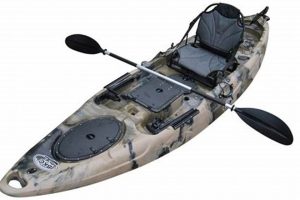
North Carolina offers diverse and exciting opportunities for anglers seeking a unique on-the-water experience. Combining the tranquility of kayaking with the thrill of fishing, these excursions allow access to shallow-water fisheries often inaccessible by larger boats, offering a closer connection with nature and the potential for impressive catches.
The state’s extensive coastline, sound-side waters, and inland rivers and lakes provide a variety of habitats for numerous fish species. From the Outer Banks to the mountains, anglers can target red drum, speckled trout, flounder, largemouth bass, smallmouth bass, and more, depending on the chosen location and season. This activity contributes to the state’s tourism and recreation economy, supporting local businesses and fostering environmental stewardship among participants.
Exploring North Carolina’s waters by kayak provides opportunities to discover hidden gems, experience the state’s natural beauty from a unique vantage point, and engage in a rewarding recreational pursuit. Subsequent sections will delve into specific locations, seasonal considerations, recommended gear, and responsible fishing practices.
Tips for Kayak Fishing in North Carolina
Successful kayak fishing trips require careful planning and preparation. These tips offer guidance for maximizing enjoyment and ensuring safety on North Carolina waters.
Tip 1: Research Location and Regulations: Thorough research on potential fishing spots is crucial. Understanding water access points, species availability, and local fishing regulations ensures a productive and legal outing. Checking tide charts and weather forecasts is also essential for coastal areas.
Tip 2: Choose the Right Kayak: Kayak selection depends on the intended fishing environment. Sit-on-top kayaks are generally preferred for their stability and ease of re-entry after a water landing. Consider features like rod holders, storage compartments, and anchor systems.
Tip 3: Pack Essential Gear: Safety equipment, including a personal flotation device (PFD), whistle, and signaling device, should always be included. Essential fishing gear includes appropriate rods, reels, tackle, and bait or lures suited to the target species.
Tip 4: Practice Kayak Control: Prior experience maneuvering a kayak, especially in varying water conditions, is advantageous. Practice paddling, turning, and maintaining balance before venturing into fishing areas. Consider taking a kayaking safety course.
Tip 5: Prioritize Safety: Inform someone of the planned fishing location and estimated return time. Carry a communication device, such as a waterproof cell phone or VHF radio, for emergencies. Be mindful of weather changes and water conditions.
Tip 6: Respect the Environment: Practice catch-and-release whenever possible to conserve fish populations. Properly dispose of fishing line and other waste to protect the aquatic environment. Avoid disturbing wildlife and sensitive habitats.
Tip 7: Learn Basic Knots: Familiarize yourself with essential fishing knots, such as the improved clinch knot and the palomar knot, to secure hooks and lures effectively.
By following these tips, anglers can enhance their kayak fishing experience in North Carolina while prioritizing safety and environmental responsibility.
Successful kayak fishing blends preparation, knowledge, and respect for the environment. The following section offers concluding thoughts on enjoying this rewarding activity in North Carolina.
1. Accessibility

Accessibility plays a crucial role in determining the suitability of kayak fishing locations. Ease of access significantly impacts the overall experience, affecting both convenience and safety. Locations with well-maintained launch sites, including boat ramps, docks, or designated kayak launch areas, simplify entry and exit from the water. These designated areas often offer amenities such as parking, restrooms, and readily available information on local regulations. Conversely, locations with difficult terrain, limited parking, or unmarked launch points can present challenges, especially for anglers transporting kayaks and equipment. For example, accessing remote coastal marshes may require navigating shallow, muddy areas, while accessing mountain streams may involve carrying kayaks over rocky terrain.
The degree of accessibility influences the types of anglers who can participate. Locations with accessible launch points cater to a wider range of individuals, including those with mobility limitations or families with young children. Sites requiring strenuous portages or challenging wading limit access to experienced anglers with the necessary physical capabilities. Furthermore, accessibility impacts emergency preparedness. Easily accessible locations facilitate rapid response in case of unforeseen circumstances, such as injuries or equipment malfunctions. Remote areas with limited access may pose challenges for emergency services, requiring additional planning and safety precautions. The Cape Lookout National Seashore, while offering excellent fishing, requires careful consideration of tides and currents due to its remote nature and shifting sandbars.
Careful consideration of accessibility factors is essential for planning successful kayak fishing trips. Prioritizing locations with well-maintained launch points and considering the physical demands of accessing specific fishing areas ensures both a safe and enjoyable experience. Understanding the varying levels of accessibility at different sites allows anglers to choose locations appropriate for their individual abilities and preparedness levels. Failing to account for accessibility can lead to logistical challenges, safety concerns, and ultimately, a less rewarding fishing experience. Therefore, researching accessibility features and considering potential limitations beforehand contributes significantly to a positive and productive outing.
2. Target Species

Target species significantly influence location selection for kayak fishing in North Carolina. Different species inhabit specific habitats, requiring anglers to choose locations conducive to the target species’ preferences. Understanding these preferences enables effective selection of productive fishing grounds.
- Inshore Saltwater Species
Species such as red drum, speckled trout, and flounder thrive in shallow, brackish waters characteristic of North Carolina’s sounds and estuaries. Kayaks provide excellent access to these areas, allowing anglers to navigate shallow flats, oyster beds, and marsh creeks. The Pamlico Sound, for example, offers extensive shallow-water habitats ideal for targeting these species.
- Nearshore Saltwater Species
Anglers targeting nearshore species like Spanish mackerel, bluefish, and king mackerel often launch kayaks from beaches or inlets along the Outer Banks. These areas provide access to deeper waters where these pelagic fish congregate. However, navigating these areas requires careful consideration of ocean conditions, currents, and tides.
- Freshwater Game Fish
North Carolina’s numerous lakes and rivers provide ample opportunities for targeting freshwater species such as largemouth bass, smallmouth bass, crappie, and catfish. Kayak anglers can access secluded coves, submerged structures, and river bends often inaccessible to larger boats. Lake Norman, for instance, offers diverse habitats for various freshwater species.
- Anadromous Species
Striped bass, shad, and herring migrate between saltwater and freshwater environments, offering unique fishing opportunities in North Carolina’s rivers. Kayak anglers can effectively target these species during their spawning runs, positioning themselves in key areas along rivers like the Roanoke and Cape Fear rivers. Understanding migratory patterns and seasonal timing is crucial for successful fishing.
Careful selection of fishing locations based on target species significantly enhances angling success. Matching the chosen location to the preferred habitat and behavior of the target species increases the likelihood of encountering and catching the desired fish. Considering the specific habitat requirements of different species allows anglers to effectively utilize their kayaks to access productive fishing areas in North Carolina’s diverse waters.
3. Water Conditions
Water conditions significantly influence kayak fishing success and safety in North Carolina. Understanding and adapting to prevailing conditions, including tides, currents, wind, and water clarity, are essential for a productive and safe fishing experience. Careful consideration of these factors allows anglers to select appropriate locations and times for optimal results.
- Tides and Currents
Coastal kayak fishing requires careful attention to tidal fluctuations and currents. Incoming tides often bring baitfish and game fish closer to shore, creating productive fishing opportunities in estuaries and marshes. Strong currents, however, can present challenges for kayak control and navigation, particularly in narrow channels or inlets. Understanding tidal patterns and current flows is crucial for selecting safe and effective fishing locations. The Cape Fear River, for example, experiences significant tidal changes that influence fish behavior and access to shallow-water areas.
- Wind and Waves
Wind and wave conditions significantly impact kayak stability and paddling effort. Strong winds create choppy water, making kayak control more challenging and potentially hazardous, especially for less experienced paddlers. Large waves can swamp kayaks, posing a serious safety risk. Checking wind forecasts and avoiding fishing in exposed areas during periods of high winds are crucial safety precautions. The Outer Banks, while offering excellent fishing opportunities, can experience strong winds and rough seas, requiring careful planning and consideration of weather conditions.
- Water Clarity
Water clarity affects fish visibility and angler’s ability to locate fish. Clear water allows for sight fishing, enabling anglers to target specific fish or structures. Murky or stained water, however, may require different fishing techniques, such as using lures that create vibrations or scents to attract fish. River systems like the Neuse River can experience varying water clarity depending on rainfall and runoff.
- Water Temperature
Water temperature influences fish behavior and distribution. Different species have optimal temperature ranges for feeding and spawning. Understanding these temperature preferences helps anglers target specific species effectively. For instance, trout prefer cooler waters, making mountain streams suitable habitats during warmer months. Coastal waters, on the other hand, may become too warm for some species during the summer, prompting them to seek deeper, cooler waters.
By carefully considering these water conditions, kayak anglers can enhance their fishing experience in North Carolina. Selecting locations with favorable conditions improves the likelihood of a successful and enjoyable outing. Prioritizing safety by avoiding hazardous conditions ensures a positive experience while minimizing risks. Adapting fishing techniques to prevailing water conditions further maximizes angling success. Failing to account for water conditions can lead to challenging paddling, reduced fish activity, and potentially dangerous situations. Therefore, careful planning and consideration of these factors are essential for responsible and productive kayak fishing in North Carolina.
4. Safety Considerations

Safety remains paramount when kayak fishing in North Carolina. Choosing appropriate locations necessitates careful evaluation of potential hazards and implementation of preventative measures. Prioritizing safety ensures an enjoyable and incident-free experience.
- Personal Flotation Devices (PFDs)
Wearing a properly fitted PFD is non-negotiable. PFDs provide essential buoyancy in case of capsizing or unexpected immersion, significantly increasing survival chances. North Carolina law mandates PFD availability on all kayaks, and wearing one is strongly recommended, especially in challenging conditions or remote locations. Selecting a comfortable, well-maintained PFD ensures unrestricted movement while paddling and fishing.
- Weather Awareness
Monitoring weather forecasts before and during fishing trips is crucial. Sudden changes in weather, including strong winds, thunderstorms, or fog, can create hazardous conditions on the water. Having a plan for seeking shelter or returning to shore in case of inclement weather is essential. Portable weather radios or smartphone apps provide real-time updates and alerts. Postponing trips during periods of adverse weather prioritizes safety.
- Navigation and Communication
Carrying navigational tools, such as charts, compasses, or GPS devices, ensures accurate positioning and facilitates safe navigation, especially in unfamiliar waters or complex coastal areas. A charged cell phone or VHF radio enables communication in emergencies. Informing someone of the planned fishing location and estimated return time provides an additional safety layer. Familiarity with local boating regulations and navigational markers enhances safe passage.
- Wildlife Awareness
North Carolina waters host diverse wildlife, including alligators, sharks, and stinging insects. Understanding potential encounters and implementing appropriate precautions minimizes risks. Maintaining a safe distance from wildlife, avoiding feeding animals, and storing food securely minimizes potential interactions. Awareness of potential hazards associated with specific locations, such as jellyfish in coastal areas, allows for informed decision-making.
Integrating these safety considerations into location selection ensures responsible enjoyment of North Carolina’s kayak fishing opportunities. Prioritizing safety enhances the overall experience, allowing anglers to focus on fishing while minimizing potential risks. Choosing locations with accessible launch points, considering prevailing water conditions, and maintaining appropriate safety equipment contribute to a safe and rewarding experience. Ultimately, careful planning and responsible decision-making ensure both a memorable and incident-free kayak fishing adventure.
5. Local Regulations

Local regulations play a crucial role in designating the best places to kayak fish in North Carolina. These regulations, encompassing licensing requirements, catch limits, size restrictions, and seasonal closures, directly impact the sustainability and health of fish populations, influencing the overall quality of fishing experiences. Adherence to these regulations ensures the long-term viability of the state’s diverse fisheries and contributes to the preservation of aquatic ecosystems.
Specific regulations vary depending on the location and target species. Coastal regions often implement stricter regulations for popular game fish like red drum and speckled trout to manage fishing pressure and protect breeding stocks. Inland waters may have different regulations concerning black bass or other freshwater species. For example, designated trout streams in western North Carolina often enforce catch-and-release regulations and artificial lure restrictions to maintain healthy trout populations. Ignoring these regulations can lead to fines, license revocation, and contribute to the depletion of fish stocks, negatively impacting the overall fishing quality in an area.
Understanding and complying with local regulations are integral aspects of responsible kayak fishing in North Carolina. Accessing reliable information sources, such as the North Carolina Wildlife Resources Commission website or local tackle shops, ensures anglers possess up-to-date knowledge of current regulations. This awareness allows anglers to select fishing locations aligned with their target species and preferred fishing methods while operating within legal boundaries. Respecting these regulations contributes to the conservation of North Carolina’s aquatic resources and ensures the continued enjoyment of high-quality kayak fishing opportunities for future generations.
6. Seasonality
Seasonality significantly influences fish behavior, distribution, and ultimately, the best places to kayak fish in North Carolina. Water temperature fluctuations, spawning cycles, and baitfish migrations drive seasonal changes in fish activity, affecting optimal fishing locations and target species throughout the year. Understanding these seasonal patterns enables anglers to select locations and employ techniques that maximize fishing success.
- Spring
Warming water temperatures in spring trigger increased fish activity as many species prepare to spawn. Shallow coves and estuaries become prime locations for targeting red drum, speckled trout, and flounder as they move inshore to feed and reproduce. Freshwater species like largemouth bass also become more active in shallow areas, providing excellent kayak fishing opportunities in lakes and rivers.
- Summer
Summer’s warm water temperatures often concentrate fish in deeper, cooler areas or near structures providing shade and oxygen. Nearshore reefs and wrecks become productive spots for targeting pelagic species like Spanish mackerel and king mackerel. In freshwater, focusing on deeper sections of lakes or shaded riverbanks becomes more effective for targeting bass and other species seeking refuge from the heat.
- Autumn
Cooling water temperatures in autumn trigger feeding frenzies as fish prepare for winter. Inshore saltwater fishing remains productive, with red drum and speckled trout actively feeding before moving to deeper waters. Fall also provides excellent opportunities for targeting striped bass and other anadromous species as they migrate up rivers to spawn.
- Winter
Winter presents unique challenges and opportunities for kayak anglers. While some species become less active, others, like striped bass in coastal rivers, offer excellent winter fishing. Focusing on deeper holes and channels in rivers and lakes can yield success for targeting cold-water species. Careful consideration of weather conditions and appropriate cold-weather gear becomes essential during winter kayak fishing excursions.
By understanding these seasonal patterns and their influence on fish behavior and distribution, kayak anglers can effectively select locations and employ techniques tailored to specific times of the year. Adapting to seasonal changes and targeting species actively feeding or migrating during specific seasons maximizes the chances of a successful and rewarding kayak fishing experience in North Carolina’s diverse waters.
Frequently Asked Questions
This section addresses common inquiries regarding optimal kayak fishing locations within North Carolina. Clear and concise responses provide valuable insights for planning successful fishing excursions.
Question 1: What are the most accessible public kayak launch sites for fishing in coastal North Carolina?
Numerous public boat ramps and designated kayak launch areas provide access to coastal fishing grounds. Popular locations include the Oregon Inlet Fishing Center, the Morehead City State Boat Ramp, and various access points within the North Carolina Maritime Museum system. Local municipalities often maintain smaller launch sites suitable for kayaks.
Question 2: Which inland lakes offer suitable kayak fishing opportunities for largemouth bass?
Lake Norman, Jordan Lake, Falls Lake, and Lake Gaston rank among the state’s prominent largemouth bass fisheries, offering ample access for kayak anglers. Smaller lakes and reservoirs, such as Lake Tillery and Badin Lake, also provide productive fishing opportunities.
Question 3: Are there guided kayak fishing tours available in North Carolina?
Guided tours cater to varying skill levels, offering expert instruction and access to prime fishing locations. Reputable outfitters operate throughout the state, specializing in coastal, inshore, or freshwater excursions. Researching local outfitters and comparing services ensures selection of a suitable tour based on experience and target species.
Question 4: What essential safety equipment is recommended for kayak fishing?
Essential safety gear includes a properly fitted personal flotation device (PFD), a whistle, a visual distress signal, a first-aid kit, and a communication device such as a VHF radio or waterproof cell phone. Carrying a bilge pump and paddle leash enhances safety, especially in challenging conditions.
Question 5: What are the licensing requirements for kayak fishing in North Carolina?
A valid North Carolina fishing license is required for anglers age 16 and older. Licenses are available online through the North Carolina Wildlife Resources Commission or at authorized license agents. Understanding license types and associated regulations ensures compliance.
Question 6: What are some effective kayak fishing techniques for targeting red drum in North Carolina’s sounds?
Effective techniques for targeting red drum in North Carolina’s sounds include using topwater lures, soft plastic jerkbaits, and live bait such as shrimp or menhaden. Positioning the kayak near structure, such as oyster bars or grass beds, increases the likelihood of encountering red drum.
Careful consideration of these frequently asked questions facilitates informed decision-making and contributes to successful kayak fishing experiences in North Carolina. Prioritizing safety, understanding local regulations, and adapting techniques to specific locations and target species enhance angling success.
This concludes the frequently asked questions section. Subsequent sections may delve into specific fishing locations, recommended gear and techniques, and responsible fishing practices.
Conclusion
Optimal locations for kayak fishing in North Carolina depend on a confluence of factors. Accessibility, target species preferences, prevailing water conditions, adherence to safety protocols, observance of local regulations, and seasonal patterns all contribute significantly to successful angling experiences. Careful consideration of these elements allows anglers to identify productive fishing grounds while prioritizing safety and environmental responsibility.
North Carolina’s diverse waters offer exceptional opportunities for kayak anglers. Strategic planning based on the information presented allows for informed decisions, maximizing enjoyment and contributing to the continued health of the state’s aquatic ecosystems. Exploring these diverse fishing grounds by kayak provides a rewarding way to experience North Carolinas natural beauty while engaging in a challenging and fulfilling recreational pursuit.