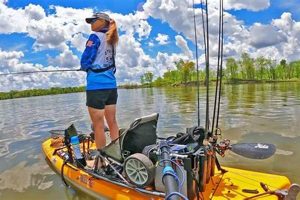
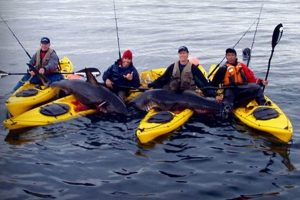
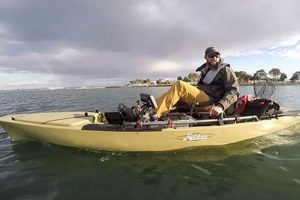
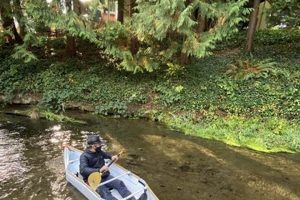
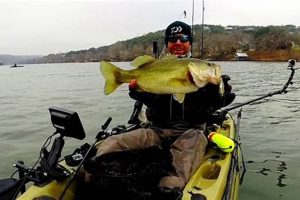
This activity involves angling from a small, human-powered watercraft on the Tennessee River and surrounding waterways within the Knoxville metropolitan area. It combines the quiet, close-to-the-water experience of paddling with the challenge and reward of sport fishing. Anglers often target species such as bass, crappie, catfish, and sunfish in these waters.
The region offers diverse fishing opportunities, from the urban waters of the Tennessee River to the calmer stretches of nearby lakes and tributaries. The accessibility and affordability of this approach to angling contribute to its growing popularity. Furthermore, it provides a low-impact way to experience the natural beauty of East Tennessee’s waterways. Historically, Knoxville’s location on a major river system has always supported a strong fishing culture, and this modern approach provides a new way to engage with that tradition.
This article will further explore various aspects of this pursuit, including suitable locations, recommended equipment, relevant regulations, and tips for a successful and enjoyable outing on the water.
Tips for Kayak Fishing in Knoxville, TN
Careful planning and preparation are essential for a safe and productive fishing trip. The following tips offer valuable insights for anglers of all skill levels.
Tip 1: Research suitable locations. Consult local resources, including maps and online forums, to identify areas known for target species and suitable launching points. Consider factors such as water flow, depth, and accessibility.
Tip 2: Choose appropriate gear. Select a kayak designed for stability and fishing functionality. Essential equipment includes a paddle, personal flotation device (PFD), rod holders, and tackle storage solutions.
Tip 3: Prioritize safety. Check weather conditions before heading out and dress appropriately for the expected temperature and water conditions. Always wear a PFD and inform someone of planned fishing locations and return times.
Tip 4: Understand local regulations. Obtain the necessary fishing licenses and familiarize oneself with size and creel limits for target species. Adhere to all boating and waterway regulations.
Tip 5: Employ effective fishing techniques. Research proven methods for targeting the desired species in the chosen location. Consider using techniques such as trolling, casting, or jigging. Select lures and bait appropriate for the target species and water conditions.
Tip 6: Practice proper kayak handling. Learn basic paddling techniques and maneuvering skills. This will enhance efficiency on the water and contribute to a safer experience.
Tip 7: Respect the environment. Practice Leave No Trace principles by packing out all trash and minimizing disturbance to wildlife and natural habitats.
By following these guidelines, anglers can maximize their chances of a successful and enjoyable fishing experience while prioritizing safety and environmental responsibility.
These tips provide a foundation for planning a successful outing. The following section will offer further resources and information to enhance one’s experience on the water.
1. Location Selection

Strategic location selection is paramount for successful kayak fishing in the Knoxville area. The diverse waterways offer a range of fishing opportunities, each presenting unique characteristics and requiring specific considerations. Choosing the right location significantly influences the angler’s experience and potential for success.
- River Systems:
The Tennessee River and its tributaries, including the Holston and French Broad Rivers, offer diverse habitats. These flowing waters present opportunities for targeting various species, but require consideration of current, depth, and access points. River sections closer to urban areas provide convenient access, while more remote stretches offer solitude and potentially larger fish populations. Understanding river dynamics is crucial for successful fishing.
- Lakes and Reservoirs:
Fort Loudoun Lake and Tellico Lake offer expansive, calmer waters suitable for different fishing styles. These impoundments often harbor larger fish populations, but navigating their size requires careful planning. Choosing specific coves, inlets, or areas with submerged structure enhances the likelihood of encountering target species. Accessing these locations might involve longer paddling distances from launch points.
- Urban Waterways:
Knoxville’s urban waterways, including smaller tributaries and park ponds, offer convenient access for shorter fishing trips. These locations may hold smaller fish populations but provide opportunities for recreational angling close to urban amenities. Understanding local regulations and potential limitations on motorized craft in these areas is important.
- Accessibility and Regulations:
Accessibility considerations include the availability of suitable launch points, parking, and restroom facilities. Some areas may require permits or have specific restrictions on fishing times or methods. Researching access points and understanding regulations beforehand ensures a smooth and legal fishing experience.
By carefully evaluating these location-specific factorsriver dynamics, lake characteristics, urban waterway access, and relevant regulationsanglers can make informed decisions that maximize their chances of a productive and enjoyable experience on Knoxville’s waters. The chosen location directly influences the required kayak features, appropriate fishing techniques, and overall trip planning.
2. Kayak Choice
Appropriate kayak selection is crucial for a successful and enjoyable fishing experience in Knoxville. The chosen vessel directly impacts maneuverability, stability, and the ability to transport necessary gear. Different kayak types offer varying advantages and disadvantages depending on the specific fishing environment and angler preferences. Careful consideration of these factors ensures a safe and productive outing on the water.
- Sit-on-Top vs. Sit-Inside Kayaks
Sit-on-top kayaks offer superior stability and ease of entry and exit, making them suitable for calmer waters and anglers who prioritize stability. Their open design facilitates casting and retrieving. Sit-inside kayaks offer better protection from the elements and a drier ride, making them a good choice for colder conditions or rougher waters. However, they require more skill to enter and exit safely.
- Hull Design and Length
Shorter kayaks offer greater maneuverability in tight spaces and rivers, while longer kayaks track better in open water and provide increased speed. Wider hulls enhance stability, while narrower hulls improve speed and efficiency. Consider the target fishing location when selecting hull design and length.
- Weight Capacity and Storage
Sufficient weight capacity is essential for accommodating the angler, fishing gear, and potential catch. Ample storage space, including dry storage compartments, is necessary for keeping equipment organized and protected from the elements. Evaluate these factors based on the planned duration and style of fishing trips.
- Fishing-Specific Features
Features like rod holders, tackle storage compartments, and anchor trolleys enhance the fishing experience. Built-in rod holders keep rods secure and accessible, while dedicated storage compartments organize tackle and other essentials. An anchor trolley system allows for controlled anchoring and positioning in various water conditions. Consider these features based on individual fishing styles and preferences.
The chosen kayak type, hull design, weight capacity, and fishing-specific features significantly influence maneuverability, stability, and overall fishing effectiveness in Knoxville’s diverse waters. Selecting the right kayak for individual needs and the targeted fishing environment ensures a safe, comfortable, and productive experience on the water.
3. Essential Gear

Appropriate gear selection significantly impacts safety and success in kayak fishing within the Knoxville region. The following essential items contribute to both a productive and enjoyable experience on the water. Careful consideration of these components ensures anglers are well-prepared for the specific challenges and opportunities presented by this unique fishing environment.
- Personal Flotation Device (PFD)
A properly fitted PFD is paramount for safety. State regulations mandate PFD usage, and its role in preventing drowning is undeniable. Various PFD types exist, including inflatable and inherently buoyant models. Selecting a comfortable, US Coast Guard-approved PFD appropriate for paddling and fishing ensures both legal compliance and personal safety on Knoxville’s waterways.
- Paddle
Paddle choice influences paddling efficiency and overall experience. Paddle length and blade shape impact stroke mechanics and maneuverability. Lightweight paddles reduce fatigue during longer trips. A properly sized, high-quality paddle ensures efficient propulsion and precise boat control, especially critical when navigating currents or windy conditions on area rivers and lakes.
- Fishing Gear
Rods, reels, lines, lures, and tackle appropriate for target species are crucial. Knoxville’s waters offer diverse fishing opportunities, from bass and crappie to catfish and sunfish. Selecting gear matched to target species and fishing techniques maximizes success. Rod holders and tackle storage systems integrated into the kayak enhance organization and efficiency during fishing excursions.
- Safety and Navigation Equipment
Essential safety equipment includes a whistle, first-aid kit, and communication device. A whistle signals location in emergencies. A well-stocked first-aid kit addresses minor injuries. A waterproof cell phone or VHF radio provides communication capabilities. Navigation tools, such as GPS devices or waterproof maps, aid in location awareness and route planning, particularly on larger bodies of water like Fort Loudoun Lake.
Appropriate gear selection contributes significantly to both safety and fishing success in the Knoxville area. These essential items ensure anglers are prepared for the specific conditions and challenges of kayak fishing in this region, from navigating currents on the Tennessee River to targeting specific species in the numerous lakes and tributaries.
4. Safety Procedures
Safety procedures are paramount for kayak fishing in Knoxville, TN, directly impacting angler well-being and successful outings. The dynamic nature of waterways, combined with inherent risks associated with on-the-water activities, necessitates a proactive and informed approach to safety. Understanding and implementing appropriate safety measures minimizes potential hazards and contributes to a positive experience.
- Pre-Trip Planning
Thorough pre-trip planning forms the foundation of safe kayak fishing excursions. Checking weather forecasts, including wind speed and potential storms, is crucial. Informing someone of planned launch and return times and locations provides an additional safety net. Mapping intended routes and identifying potential hazards, like low-head dams or areas with heavy boat traffic, reduces on-the-water surprises. Planning for adequate hydration and sun protection minimizes risks associated with environmental exposure during outings.
- On-Water Safety Equipment
Carrying essential safety equipment is non-negotiable. Wearing a properly fitted, U.S. Coast Guard-approved personal flotation device (PFD) is legally mandated and vital for survival in the event of capsizing or accidental immersion. A whistle facilitates signaling for help in emergencies. A waterproof first-aid kit containing essential supplies addresses minor injuries or ailments that may occur on the water. Carrying a communication device, such as a VHF radio or charged cell phone in a waterproof case, ensures connectivity in case of unforeseen circumstances.
- Kayak Handling and Navigation
Understanding basic kayak handling skills is essential for maintaining control and stability on the water. Knowing how to properly enter and exit the kayak minimizes the risk of capsizing, especially in challenging conditions. Practicing fundamental paddling strokes and maneuvering techniques enhances control and navigation efficiency. Awareness of river currents, boat traffic, and potential obstacles like submerged debris or shallow areas promotes safe navigation within Knoxville’s diverse waterways.
- Emergency Preparedness
Developing an emergency plan and possessing the skills to execute it is critical for mitigating unforeseen events. Knowing self-rescue techniques, such as re-entering a capsized kayak, is essential. Understanding how to signal for help using available resources, like a whistle or communication device, increases the likelihood of prompt assistance. Having a basic understanding of first aid and CPR can prove invaluable in emergency situations until professional help arrives. Regularly practicing these skills reinforces preparedness and enhances response effectiveness in critical situations.
Implementing these safety procedures contributes significantly to a safe and positive kayak fishing experience in Knoxville’s waters. By prioritizing pre-trip planning, carrying appropriate safety equipment, understanding kayak handling techniques, and developing an emergency plan, anglers mitigate risks and contribute to their well-being while enjoying the region’s unique fishing opportunities.
5. Fishing Regulations
Adherence to fishing regulations is essential for the responsible enjoyment of kayak fishing in Knoxville, TN. These regulations ensure the sustainability of fish populations and the preservation of aquatic ecosystems. Understanding and complying with these rules contributes to a positive and ethical fishing experience while protecting the region’s natural resources for future generations.
- Licensing Requirements
Valid fishing licenses are mandatory for all anglers engaging in kayak fishing within Tennessee waters. Different license types exist, including resident, non-resident, and short-term options. Anglers must possess the appropriate license based on residency and duration of fishing activity. Licenses are readily available online through the Tennessee Wildlife Resources Agency (TWRA) or at authorized vendors. Failure to possess a valid license can result in fines and legal penalties. Understanding licensing requirements ensures legal compliance and supports conservation efforts within the region.
- Species-Specific Regulations
Specific regulations govern the harvest of various fish species within Knoxville’s waterways. Size limits dictate the minimum and maximum lengths of fish that can be legally kept. Creel limits restrict the number of fish of a particular species that an angler can retain within a given timeframe. These regulations vary by species and may also be subject to seasonal changes. Consulting the TWRA’s official regulations ensures awareness of species-specific rules and promotes responsible harvest practices.
- Designated Fishing Areas
Certain areas within Knoxville’s waterways may have specific designations, such as restricted fishing zones or areas designated for specific fishing methods. These designations aim to protect sensitive habitats or manage fish populations effectively. Understanding these designations and adhering to associated restrictions ensures compliance and contributes to the overall health of the aquatic ecosystem. Information on designated fishing areas can be found on TWRA maps and online resources.
- Equipment Restrictions
Regulations may govern the types of fishing gear permitted in certain areas or for specific species. For example, restrictions on the use of live bait or specific hook types may be in place to protect native fish populations or prevent the spread of invasive species. Anglers must familiarize themselves with these restrictions before heading out on the water to ensure legal compliance and responsible fishing practices. This information is typically available in the TWRA’s fishing regulations publications.
Compliance with fishing regulations is integral to responsible kayak fishing in Knoxville, TN. Understanding licensing requirements, species-specific regulations, designated fishing areas, and equipment restrictions ensures both a legal and ethical fishing experience while contributing to the long-term sustainability of the region’s valuable aquatic resources.
6. Target Species

The diverse fish populations within Knoxville’s waterways significantly influence target species selection for kayak anglers. The Tennessee River system, including the Holston and French Broad rivers, along with impoundments like Fort Loudoun and Tellico Lakes, supports a variety of game fish. Understanding the habits and habitats of these species is crucial for successful kayak fishing. Common targets include black bass (largemouth, smallmouth, and spotted), crappie (black and white), various catfish species (channel, blue, and flathead), and sunfish (bluegill, redear, and green sunfish). The choice of target species influences location selection, tackle choices, and fishing techniques. For example, anglers pursuing smallmouth bass might focus on rocky areas in the river systems, while those targeting crappie might concentrate on deeper water near submerged structure in the lakes. This understanding enhances fishing success and contributes to a more rewarding experience.
Targeting specific species requires tailored approaches. Bass anglers often employ techniques like casting lures or fishing with live bait near structures such as fallen trees or docks. Crappie anglers frequently use jigs or minnows around brush piles or submerged timber. Catfish anglers favor bottom fishing techniques using cut bait or prepared stinkbaits. Sunfish anglers typically use small hooks and light lines, often fishing with worms or crickets in shallow, vegetated areas. Adapting techniques to the target species and the specific characteristics of the chosen fishing location maximizes catch rates. Furthermore, understanding seasonal patterns influencing fish behavior and distribution further refines targeted approaches, leading to increased angling success.
Knowledge of target species’ behavior and preferred habitats is fundamental for successful kayak fishing in Knoxville. This knowledge informs decisions regarding location selection, tackle choices, and fishing techniques, ultimately leading to a more productive and enjoyable angling experience. Respecting size and creel limits for each species, as mandated by the Tennessee Wildlife Resources Agency (TWRA), ensures the sustainability of these valuable resources for future generations of anglers. This conscientious approach to fishing contributes to the long-term health and viability of Knoxville’s diverse aquatic ecosystems.
7. Environmental Impact

Kayak fishing, while generally considered a low-impact activity, possesses the potential to affect the Knoxville, TN, aquatic environment. Understanding these impacts and adopting responsible practices ensures the long-term health and sustainability of these valuable resources. A key consideration involves minimizing disturbance to aquatic habitats. Kayaks, due to their quiet operation and shallow drafts, can access areas unreachable by larger motorized vessels, potentially bringing anglers closer to sensitive habitats. Avoiding shallow spawning areas or disturbing vegetated zones minimizes disruption to fish populations and their supporting ecosystems. Improper anchoring practices can damage sensitive bottom habitats, such as submerged vegetation or mussel beds. Utilizing appropriate anchoring techniques, like drift fishing or employing stake-out poles in softer substrates, minimizes physical impacts. Noise generated by human activity, even from a kayak, can disrupt wildlife. Maintaining a respectful distance from nesting birds or other wildlife minimizes stress and contributes to their well-being.
Responsible disposal of fishing line and tackle is crucial. Discarded fishing line poses a significant entanglement hazard to wildlife, including birds, turtles, and fish. Properly disposing of used line in designated receptacles or recycling programs minimizes this risk. Lead sinkers and jigs, if lost in the environment, can leach lead into the water, posing risks to aquatic organisms. Switching to non-toxic alternatives, such as tungsten or bismuth weights, minimizes the potential for lead contamination. Chemical repellents, including sunscreen and insect repellent, can wash off into the water and negatively impact water quality. Opting for eco-friendly alternatives or minimizing the use of these chemicals near the water reduces potential harm to aquatic life. Leaving shorelines and access points cleaner than found contributes to the overall health of the ecosystem and ensures continued access for all users.
Minimizing environmental impact through responsible kayak fishing practices is essential for preserving the ecological integrity of Knoxville’s waterways. Understanding potential impacts, from habitat disturbance to pollution, empowers anglers to make informed decisions that prioritize environmental stewardship. Adopting practices such as careful kayak operation, proper waste disposal, and responsible use of fishing gear contributes to the long-term health and sustainability of these valuable natural resources. This awareness benefits not only the environment but also ensures the continued enjoyment of kayak fishing opportunities for future generations.
Frequently Asked Questions
This section addresses common inquiries regarding kayak fishing in Knoxville, TN, providing concise and informative responses to facilitate a better understanding of this activity.
Question 1: What are the most productive locations for kayak fishing in Knoxville?
Productive locations vary depending on target species. The Tennessee River, Holston River, French Broad River, Fort Loudoun Lake, and Tellico Lake all offer diverse fishing opportunities. Researching specific areas within these waterways known for holding target species enhances fishing success. Local bait shops and online forums can provide valuable insights into current fishing conditions and productive locations.
Question 2: What type of kayak is best suited for fishing in Knoxville’s waters?
Kayak choice depends on individual needs and fishing style. Sit-on-top kayaks offer stability and ease of access, while sit-inside kayaks provide better protection from the elements. Consider factors such as stability, storage capacity, and maneuverability when selecting a kayak. Fishing-specific features, like rod holders and anchor trolleys, enhance the angling experience.
Question 3: What essential safety precautions should one take when kayak fishing in Knoxville?
Always wear a properly fitted personal flotation device (PFD). Check weather conditions before heading out and inform someone of planned fishing locations and estimated return times. Carry a whistle, first-aid kit, and communication device. Be aware of river currents, boat traffic, and potential hazards such as submerged debris. Understanding basic kayak handling and self-rescue techniques further enhances safety on the water.
Question 4: Are there specific fishing regulations one must adhere to in Knoxville?
A valid Tennessee fishing license is required. Size and creel limits apply to various species. Specific regulations may govern certain areas or fishing methods. Consulting the Tennessee Wildlife Resources Agency (TWRA) website or publications provides comprehensive information on current regulations and ensures legal compliance.
Question 5: What are the primary target species for kayak anglers in Knoxville?
Popular target species include largemouth bass, smallmouth bass, spotted bass, crappie, various catfish species, and sunfish. Understanding the habits and preferred habitats of these species enhances fishing success. Local resources and online fishing forums can provide valuable insights into effective techniques for targeting these species.
Question 6: How can one minimize environmental impact while kayak fishing in Knoxville?
Practice Leave No Trace principles. Pack out all trash, including fishing line and discarded tackle. Avoid disturbing sensitive habitats such as spawning areas and vegetated zones. Use appropriate anchoring techniques to minimize bottom disturbance. Consider using non-toxic fishing weights and eco-friendly personal care products. Respect wildlife by maintaining a safe distance and minimizing noise disturbance.
Understanding these frequently asked questions and their corresponding answers equips individuals with the knowledge necessary for a safe, productive, and environmentally responsible kayak fishing experience in Knoxville, TN. Proper preparation and adherence to regulations ensure the enjoyment of this activity while preserving the regions aquatic resources for future generations.
Beyond these frequently asked questions, numerous additional resources can provide further guidance and enhance ones kayak fishing experience in Knoxville. The following section explores these resources, offering valuable insights for anglers of all skill levels.
Kayak Fishing Knoxville TN
Kayak fishing in Knoxville, TN, offers a unique blend of angling experience and natural immersion. This article explored key elements contributing to successful outings, from location selection and kayak choice to essential gear and safety procedures. Understanding local fishing regulations and respecting environmental considerations ensures the sustainability of this activity and the preservation of the region’s valuable aquatic resources. Knowledge of target species and their habitats further enhances angling success. Careful preparation, informed decision-making, and responsible practices contribute to a rewarding experience on the water.
Knoxville’s diverse waterways provide ample opportunities for kayak anglers of all skill levels. Continued exploration of these waters, combined with a commitment to ethical angling and environmental stewardship, promises rewarding experiences for years to come. The future of kayak fishing in Knoxville rests on the collective responsibility of all who partake in this enriching pursuit.