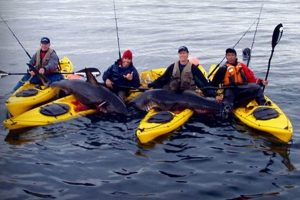
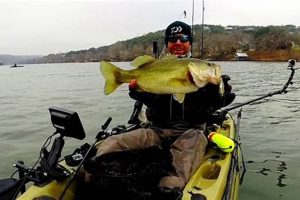
Competitive angling events held from human-powered watercraft in the Lone Star State during the 2024 calendar year offer a unique blend of sport and nature. These events typically involve anglers competing to catch specific species of fish, often within designated boundaries and timeframes, with prizes awarded based on weight, length, or number of fish caught. For example, a tournament might focus on redfish in the coastal bays or bass in inland lakes, challenging participants to demonstrate their skills and knowledge of local waters.
Such competitions foster a sense of community among kayak anglers, promoting camaraderie and the sharing of fishing techniques. They also contribute to conservation efforts by raising awareness about aquatic ecosystems and responsible fishing practices. Additionally, these events can boost local economies through tourism and associated spending. Historically, the popularity of competitive kayak fishing has grown significantly, reflecting a broader trend towards eco-friendly outdoor recreation and the increasing accessibility of specialized fishing kayaks.
Further exploration will cover specific tournament details, including schedules, registration information, rules, and prominent participating organizations. Insights into preparing for these events, from choosing appropriate gear to understanding effective fishing strategies, will also be provided.
Tips for Competitive Kayak Angling in Texas, 2024
Success in competitive kayak fishing requires careful preparation and strategic execution. The following tips offer guidance for anglers seeking to enhance their performance in Texas tournaments during the 2024 season.
Tip 1: Pre-Fishing Scouting: Thoroughly research potential tournament locations. Understanding water depth, structure, vegetation, and prevalent forage species offers significant advantages. Utilizing mapping tools and on-the-water reconnaissance can identify productive fishing zones.
Tip 2: Gear Optimization: Ensure all equipment is tournament-ready. Rods, reels, lines, and tackle should be appropriate for target species and fishing conditions. A well-organized kayak facilitates efficient access to gear, minimizing wasted time.
Tip 3: Tackle Selection: Choose lures and baits based on pre-fishing observations and anticipated conditions. Consider seasonal patterns and preferred forage of target species. Having a versatile selection allows for adaptation to changing circumstances.
Tip 4: Efficient Time Management: Develop a tournament strategy that maximizes fishing time. Minimize travel time between locations and focus efforts on high-potential areas identified during pre-fishing.
Tip 5: Weather Awareness: Monitor weather forecasts closely. Wind, rain, and temperature fluctuations can significantly impact fish behavior and angler safety. Adjust fishing strategies and clothing accordingly.
Tip 6: Rule Adherence: Thoroughly review tournament rules and regulations. Understanding size and bag limits, permitted fishing areas, and acceptable fishing methods ensures compliance and avoids penalties.
Tip 7: Respectful Angling Practices: Exercise ethical angling practices, including proper fish handling and catch-and-release techniques. Respect fellow competitors and the environment.
By implementing these strategies, anglers can significantly improve their chances of success in Texas kayak fishing tournaments. Preparation, adaptability, and respect for the sport are key elements of a rewarding competitive experience.
These tips provide a foundation for a successful tournament season. Further resources and information specific to individual events can be found through respective tournament organizers.
1. Competition

The competitive element inherent in kayak fishing tournaments significantly shapes the landscape of these events in Texas during 2024. Competition drives anglers to refine their skills, adapt their strategies, and push the boundaries of their angling prowess. Understanding the various facets of competition provides crucial insight into the dynamics of these tournaments.
- Skill Assessment:
Tournaments serve as a platform for anglers to test their skills against their peers. Proficiency in locating fish, selecting appropriate tackle, and effectively presenting lures are key determinants of success. Real-world examples include an angler’s ability to accurately cast into tight cover or effectively work a topwater lure to entice a strike. The competitive environment pushes participants to constantly hone these skills.
- Strategic Adaptation:
Competitive kayak fishing demands strategic thinking and adaptability. Anglers must adjust their approaches based on prevailing conditions, such as weather patterns, water clarity, and fish behavior. Adapting lure choices, fishing locations, and retrieval techniques based on observed conditions can significantly impact results. For instance, an angler might switch from a slow-rolling worm to a fast-moving crankbait if increased wind creates turbidity.
- Mental Fortitude:
Maintaining composure under pressure is crucial in tournament settings. The ability to remain focused and make sound decisions, even during periods of low activity or unexpected challenges, distinguishes successful competitors. Examples include staying persistent during slow bite periods or quickly recovering from lost fish or equipment malfunctions. Mental resilience is a key differentiator in high-pressure competitive environments.
- Sportsmanship and Camaraderie:
While competition drives individual performance, the spirit of sportsmanship and camaraderie remains a vital component. Respecting fellow competitors, adhering to tournament rules, and promoting ethical fishing practices contribute to a positive and enjoyable experience for all participants. Examples include assisting fellow anglers with minor issues on the water or reporting rule violations. These actions reinforce the integrity of the sport.
These interconnected facets of competition contribute significantly to the overall experience of kayak fishing tournaments in Texas during 2024. The pursuit of excellence, combined with ethical conduct and respect for fellow anglers, defines the essence of competitive kayak fishing.
2. Kayaks

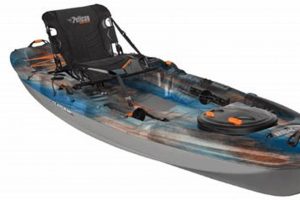
Kayaks form the foundational equipment element of kayak fishing tournaments in Texas during 2024. The specific characteristics of these vessels directly influence angler performance and overall tournament dynamics. Understanding the relationship between kayaks and competitive fishing offers crucial insights.
Stability and Maneuverability: Kayak stability plays a crucial role in angler success, particularly in challenging conditions. A stable platform allows anglers to cast accurately and fight fish effectively without compromising balance. Maneuverability influences an angler’s ability to navigate through complex environments, such as shallow flats or heavily vegetated areas. A highly maneuverable kayak enables efficient exploration of diverse fishing zones. For example, a shorter, wider kayak offers enhanced stability in choppy waters, while a longer, narrower kayak excels in speed and tracking across open water.
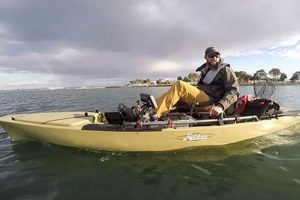
Customization and Features: Modern fishing kayaks often incorporate specialized features tailored to tournament angling. Rod holders, tackle storage compartments, and electronics mounts facilitate efficient organization and access to essential gear. Features such as live wells allow for the safe keeping of caught fish, crucial for weigh-in formats. For example, an angler might choose a kayak with integrated rod holders and a fish finder mount for optimal tournament performance.
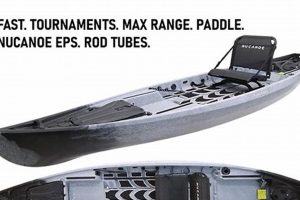
Propulsion and Efficiency: Kayak propulsion systems directly impact an angler’s ability to cover water efficiently. Paddle kayaks require physical exertion, influencing stamina and fishing time. Pedal-driven kayaks offer increased speed and hands-free operation, allowing anglers to cover more ground and focus on fishing. Electric motors provide further range and efficiency, particularly in larger bodies of water or against strong currents. The choice of propulsion system depends on individual preferences, fishing locations, and tournament regulations. For example, an angler targeting distant fishing grounds might opt for a pedal or motor-driven kayak to maximize fishing time.
The selection and effective utilization of a kayak tailored to individual needs and fishing conditions significantly influence performance in kayak fishing tournaments. Understanding the interplay between kayak characteristics and competitive angling contributes to a strategic advantage and a more rewarding tournament experience.
3. Fishing

Fishing, the core activity within kayak fishing tournaments, encompasses a complex interplay of skills, knowledge, and strategic decision-making. In the context of Texas tournaments in 2024, understanding the nuances of fishing techniques and adapting to specific conditions becomes paramount for competitive success. The following facets illuminate the critical role of fishing within these events.
- Species Targeting:
Texas waters host a diverse range of game fish, each with unique behavioral patterns and habitat preferences. Effective tournament anglers possess in-depth knowledge of target species, allowing them to select appropriate fishing locations and tailor their techniques accordingly. For example, targeting redfish in shallow coastal flats requires different strategies than pursuing largemouth bass in deeper reservoirs. Understanding species-specific nuances, including feeding habits and seasonal movements, is essential for consistent success.
- Technique Selection:
A diverse repertoire of fishing techniques provides anglers with the adaptability needed to succeed in varying conditions. Mastery of techniques such as topwater fishing, bottom fishing, and trolling allows anglers to effectively present lures and baits to target species in different environments. Adapting techniques based on factors like water clarity, temperature, and wind conditions optimizes catch rates. For instance, switching from a slow-moving Texas-rigged worm to a faster-moving crankbait might be necessary when targeting active bass in windy conditions.
- Lure and Bait Presentation:
Effective lure and bait presentation significantly influences an angler’s ability to entice strikes. Understanding how to manipulate lures to mimic natural prey, retrieve baits at appropriate speeds, and present offerings in the most appealing manner maximizes chances of hooking fish. Factors such as water depth, current, and structure influence presentation strategies. For example, a subtle twitching retrieve might be effective for a finesse worm presentation near submerged vegetation, while a steady retrieve might be preferred for a crankbait along a rocky shoreline.
- Fish Handling and Conservation:
Proper fish handling techniques are essential for ensuring the well-being of caught fish, particularly in catch-and-release tournaments. Minimizing handling time, using appropriate landing tools, and reviving fish properly before release contributes to conservation efforts. Adherence to tournament regulations regarding size and bag limits further supports sustainable fishing practices. For example, using a lip grip and wet hands to handle fish minimizes stress and reduces the risk of injury.
These interconnected facets of fishing demonstrate the critical role of skill, knowledge, and adaptability in competitive kayak angling. Mastering these elements enhances an angler’s ability to consistently locate and catch fish, ultimately influencing success in Texas kayak fishing tournaments during the 2024 season. The integration of effective fishing practices with strategic kayak maneuvering and tournament-specific knowledge culminates in a well-rounded approach to competitive angling.
4. Texas

The state of Texas plays an integral role in shaping the character of kayak fishing tournaments held within its borders during 2024. The diverse aquatic ecosystems, extensive coastline, and abundant freshwater resources provide a rich tapestry of fishing opportunities, influencing tournament formats, target species, and angler strategies. The geographical and ecological characteristics of Texas directly impact the dynamics of these competitive events.
The vast Texas coastline, stretching along the Gulf of Mexico, offers a prime environment for saltwater kayak fishing tournaments. Species such as redfish, speckled trout, and flounder thrive in these coastal waters, attracting anglers seeking challenging and rewarding fishing experiences. Tournaments held in coastal bays and estuaries often focus on these prized game fish, requiring anglers to navigate shallow flats, oyster reefs, and grass beds. Inland, Texas boasts numerous lakes and reservoirs, providing diverse freshwater habitats for bass, crappie, and catfish. Tournaments held in these freshwater environments demand different skill sets and strategic approaches, often focusing on deep-water fishing techniques, structure fishing, and understanding seasonal fish behavior. For example, tournaments on Lake Fork might target largemouth bass, while events on the Colorado River could focus on Guadalupe bass. This diversity of aquatic environments contributes to a wide range of tournament formats and target species across the state.
Understanding the specific characteristics of Texas waters, including water clarity, temperature fluctuations, and prevalent forage species, is crucial for success in kayak fishing tournaments. Anglers who adapt their tackle, techniques, and strategies to the prevailing conditions in specific locations gain a significant competitive advantage. Furthermore, awareness of local regulations, access points, and potential hazards enhances angler safety and ensures compliance with tournament rules. The interplay between the ecological diversity of Texas and the strategic adaptations of anglers defines the essence of kayak fishing tournaments within the state. This understanding allows for informed decision-making regarding tournament selection, pre-fishing scouting, and on-the-water strategies, ultimately contributing to a more rewarding and successful competitive experience.
5. 2024 Season
The 2024 season represents a specific timeframe within which kayak fishing tournaments in Texas operate. This temporal context significantly influences various aspects of these events, from environmental conditions and fish behavior to tournament scheduling and angler participation. Understanding the interplay between the 2024 season and tournament dynamics is crucial for effective planning and participation.
Seasonal weather patterns in Texas directly impact fishing conditions. Temperature fluctuations, rainfall, and wind conditions influence water clarity, oxygen levels, and the availability of forage species. These factors, in turn, affect fish behavior and feeding patterns. For example, spring spawning seasons might concentrate fish in shallow areas, while summer heat could drive them to deeper, cooler waters. Tournament organizers consider these seasonal variations when scheduling events, often aligning tournament dates with optimal fishing conditions for target species. Anglers, in turn, adapt their strategies based on seasonal factors, selecting appropriate tackle, fishing locations, and presentation techniques. For instance, anglers participating in a spring tournament might focus on shallow-water techniques targeting spawning fish, while those competing in a summer event could employ deep-water strategies to locate fish seeking thermal refuge. The 2024 season introduces a specific set of environmental variables that influence both tournament organization and angler preparation.
The 2024 season provides a defined timeframe for planning, preparation, and participation in Texas kayak fishing tournaments. Understanding the influence of seasonal factors on fish behavior and tournament dynamics empowers anglers to make informed decisions regarding tournament selection, pre-fishing scouting, and on-the-water strategies. This awareness contributes to a more focused and potentially successful competitive experience. The specific conditions of the 2024 season will ultimately shape the outcomes and narratives of individual tournaments, adding a unique layer of complexity to the competitive landscape. Successfully navigating these seasonal influences distinguishes successful anglers who adapt their approaches based on the specific challenges and opportunities presented by the 2024 season.
6. Tournaments
Tournaments serve as the structured framework within which competitive kayak fishing in Texas during 2024 operates. These organized events provide a platform for anglers to test their skills, compete for prizes, and contribute to the growth of the sport. Understanding the role and characteristics of tournaments is essential for both participants and those interested in following the competitive kayak fishing scene.
Tournaments establish a defined set of rules and regulations that govern competition. These rules typically address eligible species, size and bag limits, permitted fishing areas, and acceptable fishing methods. For example, a tournament might specify a minimum size limit for redfish, a maximum bag limit for bass, and prohibit the use of live bait. These regulations ensure fair competition and promote conservation. Tournament formats vary, with some events focusing on total weight, others on the length of individual fish, and some incorporating catch-photograph-release formats to minimize fish handling. Specific tournament formats influence angler strategies. For instance, a tournament emphasizing total weight might encourage anglers to target larger fish, while a length-based format could incentivize seeking out numerous fish of a specific size. The structure provided by tournament formats shapes the competitive landscape and encourages strategic decision-making.
Tournaments often offer prizes and recognition for top-performing anglers. These rewards can range from cash prizes and sponsored gear to trophies and accolades. The presence of prizes adds an incentive for participation and fosters a competitive atmosphere. Beyond the competitive element, tournaments foster a sense of community among kayak anglers. These events provide opportunities for networking, sharing fishing techniques, and promoting camaraderie within the sport. The social aspect of tournaments contributes to the overall growth and development of the kayak fishing community. Understanding the structure, formats, and social dynamics of tournaments provides valuable context for interpreting results, appreciating angler achievements, and engaging with the broader kayak fishing community in Texas during the 2024 season. These organized events represent a vital component of the competitive kayak fishing scene, shaping angler experiences and driving the evolution of the sport.
7. Prizes

Prizes within the context of kayak fishing tournaments in Texas during 2024 represent more than just rewards; they symbolize achievement, incentivize participation, and contribute to the overall competitive landscape. Understanding the role and structure of prize systems provides insights into the dynamics of these tournaments and the motivations of participating anglers.
- Types of Prizes
Prizes offered in kayak fishing tournaments can vary widely, ranging from cash awards and sponsored merchandise to trophies, plaques, and recognition within the angling community. Cash prizes often escalate based on tournament placement, with larger payouts awarded to top finishers. Sponsored merchandise can include fishing gear, kayaks, and accessories provided by companies supporting the event. Non-monetary prizes, such as trophies and public acknowledgement, contribute to an angler’s reputation and standing within the competitive circuit. For example, a tournament might award a new fishing kayak to the first-place winner, while second and third place receive high-end rods and reels.
- Prize Structures
Prize structures determine how rewards are distributed among tournament participants. Some tournaments adopt a winner-take-all approach, where the majority of the prize pool goes to the single top finisher. Other structures distribute prizes across multiple placements, rewarding consistent performance throughout the tournament. Some events might also offer prizes for specific achievements, such as catching the largest fish of a particular species, known as “big fish” awards. These variations in prize structure influence angler strategies and the overall competitive dynamics. For example, a tournament with a tiered payout structure might encourage anglers to adopt a more conservative approach to secure a higher placement, while a winner-take-all format could incentivize riskier strategies aimed at securing the top spot.
- Sponsorship and Prize Pools
Tournament prizes are often funded through a combination of entry fees and sponsorships from businesses related to the fishing industry. Sponsorships can significantly enhance the value and prestige of tournament prizes, attracting a higher caliber of competition and increasing participation. The level of sponsorship often reflects the perceived value and reach of the tournament within the angling community. For instance, a well-established tournament with significant sponsorship might offer a larger cash purse and more valuable merchandise prizes compared to a smaller, less-sponsored event. The availability of sponsorship opportunities also contributes to the economic impact of kayak fishing tournaments.
- Impact on Competition
The presence and structure of prizes directly impact the level of competition within kayak fishing tournaments. Larger prize pools and prestigious awards attract more experienced anglers and intensify the competitive landscape. The allure of valuable rewards motivates participants to refine their skills, invest in advanced equipment, and dedicate more time to pre-fishing scouting and strategy development. The perceived value of prizes influences the overall effort and commitment displayed by anglers throughout the tournament season. For example, a tournament offering a substantial cash prize for the largest fish might encourage anglers to focus their efforts on specific techniques and locations known for producing trophy-sized specimens.
The prize system within kayak fishing tournaments in Texas during 2024 plays a crucial role in shaping the competitive landscape, influencing angler behavior, and contributing to the growth of the sport. Understanding the different types of prizes, prize structures, sponsorship dynamics, and the overall impact on competition provides valuable context for interpreting tournament results and appreciating the motivations of participating anglers. The pursuit of these rewards intertwines with the inherent challenges and rewards of kayak fishing, creating a dynamic and engaging competitive environment.
Frequently Asked Questions
This FAQ section addresses common inquiries regarding competitive kayak angling events in Texas during the 2024 season. The information provided aims to offer clarity and facilitate informed participation.
Question 1: Where can one find a comprehensive schedule of kayak fishing tournaments in Texas for 2024?
Several online resources and organizations maintain updated tournament schedules. Consulting websites dedicated to kayak fishing, state angling associations, and social media groups focused on competitive kayak fishing can provide comprehensive listings.
Question 2: What are the typical registration procedures for these tournaments?
Registration procedures typically involve online registration through dedicated tournament platforms or directly through organizing entities. Required information often includes angler details, kayak specifications, and entry fees. Early registration is often encouraged due to limited participant slots.
Question 3: What species are commonly targeted in Texas kayak fishing tournaments?
Target species vary depending on the location and tournament format. Saltwater events often focus on redfish, speckled trout, and flounder, while freshwater competitions commonly target largemouth bass, crappie, and catfish. Specific species targeted are typically outlined in tournament rules.
Question 4: What equipment is typically required for participation?
Essential equipment includes a fishing kayak, appropriate rods, reels, lines, and tackle suited to target species. Safety gear, such as personal flotation devices (PFDs) and a whistle, is mandatory. Specific equipment requirements and restrictions are often outlined in tournament regulations.
Question 5: What are the typical rules and regulations governing these tournaments?
Rules typically address eligible fishing areas, size and bag limits for target species, permitted fishing methods, and equipment restrictions. Adherence to all stated rules is crucial for fair competition and avoiding disqualification. Consulting the official tournament rules is essential.
Question 6: How are tournament results determined and prizes awarded?
Results are typically determined by the weight, length, or number of eligible fish caught within the designated timeframe. Tie-breakers are often outlined in tournament rules. Prize structures vary, with awards ranging from cash payouts and sponsored gear to trophies and recognition within the angling community.
These FAQs provide a foundational understanding of competitive kayak angling events in Texas during 2024. Consulting specific tournament organizers for detailed information is always recommended.
For those seeking deeper insights into tournament-specific details, the following sections will provide further resources and contact information.
Kayak Fishing Tournaments Texas 2024
This exploration of competitive kayak angling in Texas during 2024 has provided a comprehensive overview of key aspects. From the influence of the specific season and the diverse Texas waters to the intricacies of tournament structures and the pursuit of prizes, the multifaceted nature of these events has been examined. Preparation, strategic thinking, and respect for the sport and environment remain crucial for successful and ethical participation. The significance of kayaks, fishing techniques, and competitive spirit in shaping tournament outcomes has been highlighted.
Kayak fishing tournaments in Texas during 2024 offer a unique blend of challenge and reward, fostering camaraderie among anglers while showcasing skill and dedication. The continued growth and evolution of competitive kayak angling promise an exciting future for the sport. Potential participants are encouraged to seek further details regarding specific events and embrace the opportunities presented by the 2024 season. These tournaments represent a dynamic intersection of sport, nature, and community, enriching the Texas angling landscape.