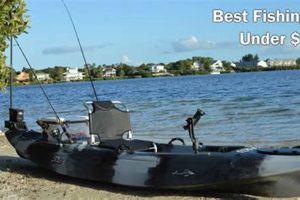
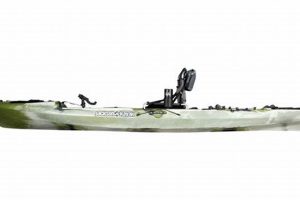
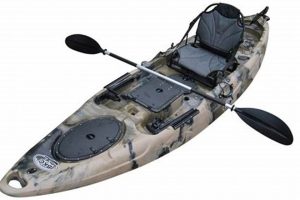
A high-quality tandem fishing kayak designed for two anglers offers stability, ample storage for gear, and specialized features like rod holders and comfortable seating. Such a vessel allows for shared paddling effort, covering greater distances, and collaborative fishing experiences.
Choosing the appropriate tandem kayak enhances fishing trips by maximizing stability and comfort, ultimately leading to a more enjoyable and productive experience. The evolution of kayak design, coupled with advancements in materials and construction techniques, has resulted in durable and efficient vessels ideal for shared angling adventures. The ability to distribute weight effectively, combined with specialized features, makes these kayaks a valuable asset for serious anglers.
The subsequent sections will delve into key factors for selecting a suitable tandem fishing kayak, including considerations of hull design, materials, weight capacity, storage options, and essential features. Furthermore, recommended models and maintenance tips will be provided to ensure readers can make informed decisions and prolong the lifespan of their investment.
Tips for Selecting a Tandem Fishing Kayak
Choosing a tandem fishing kayak requires careful consideration of several factors to ensure optimal performance, comfort, and safety on the water.
Tip 1: Consider Hull Design: Different hull designs offer varying degrees of stability and maneuverability. A flatter hull provides greater initial stability, while a more rounded or V-shaped hull offers better tracking and speed.
Tip 2: Evaluate Weight Capacity: Ensure the kayak’s weight capacity accommodates the combined weight of anglers, gear, and potential catches. Exceeding the limit compromises stability and performance.
Tip 3: Assess Storage Options: Adequate storage is crucial for fishing gear, tackle boxes, and personal items. Consider dedicated compartments, hatches, and bungee systems for secure storage and easy access.
Tip 4: Prioritize Seating Comfort: Adjustable and supportive seating is essential for long hours on the water. Look for features like padded seats, adjustable backrests, and ample legroom.
Tip 5: Examine Rod Holders and Other Fishing Features: Built-in rod holders, paddle parks, and anchor trolleys enhance fishing efficiency. Evaluate the placement and number of these features based on individual fishing styles.
Tip 6: Choose Durable Materials: Select a kayak constructed from durable materials like high-density polyethylene (HDPE) or rotomolded plastic for resistance to impacts and UV damage.
Tip 7: Factor in Transportation and Storage: Consider the kayak’s length and weight for ease of transportation and storage. Roof racks, trailers, or dedicated storage solutions may be necessary.
By carefully evaluating these factors, anglers can select a tandem fishing kayak that maximizes comfort, performance, and enjoyment on the water, leading to more successful and memorable fishing trips.
The following section will provide a detailed overview of recommended tandem fishing kayaks, categorized by price range and key features.
1. Stability

Stability is a paramount concern when selecting a tandem fishing kayak. A stable platform allows anglers to focus on fishing rather than constantly correcting balance, contributing significantly to safety and enjoyment on the water. Compromised stability can lead to difficulties casting, retrieving, and landing fish, potentially resulting in lost catches or even capsizing.
- Primary Stability
Primary stability refers to the kayak’s initial resistance to tipping. A wider hull and lower center of gravity contribute to higher primary stability. This type of stability is crucial for calm water fishing, allowing anglers to stand up briefly for casting or sight fishing. A kayak with excellent primary stability feels secure and steady, inspiring confidence, especially for less experienced paddlers.
- Secondary Stability
Secondary stability describes the kayak’s ability to resist capsizing when leaned. This comes into play when encountering waves, wakes, or sudden movements. Kayaks with rounded or flared hulls typically offer better secondary stability. This is crucial in challenging conditions, providing a sense of security even when the kayak is tilted. Understanding the balance between primary and secondary stability is key to selecting the right kayak for intended water conditions.
- Factors Affecting Stability
Several factors influence a tandem kayak’s stability, including hull design, width, length, and weight distribution. Hull shape plays a crucial role; flatter hulls provide greater initial stability while more rounded or V-shaped hulls offer better tracking and speed but less initial stability. The kayak’s width directly correlates with stability; wider kayaks are generally more stable. Weight distribution within the kayak also affects stability; evenly distributing gear and passengers enhances balance.
- Importance of Stability in Fishing Kayaks
For fishing kayaks, stability is even more critical due to the dynamic movements involved in casting, reeling, and landing fish. A stable platform allows anglers to move freely and confidently without the risk of capsizing, especially when handling large fish or dealing with challenging weather conditions. This enhanced stability translates to a more enjoyable and productive fishing experience, allowing anglers to focus on their technique and strategy.
Ultimately, choosing a tandem fishing kayak with appropriate stability characteristics ensures not only safety and comfort but also enhances the overall fishing experience. By understanding the nuances of primary and secondary stability and the factors that influence them, anglers can make informed decisions and select a kayak that best suits their needs and intended fishing environment.
2. Storage Capacity

Ample storage capacity is a defining characteristic of a high-quality two-person fishing kayak. The ability to transport essential gear, including tackle boxes, rods, safety equipment, and personal items, directly impacts the success and enjoyment of fishing expeditions. Insufficient storage can lead to cluttered cockpits, hindering movement and potentially compromising safety. Conversely, well-designed storage compartments, hatches, and tank wells contribute to an organized and efficient fishing experience. For instance, dedicated rod holders prevent tangling and damage, while dry storage compartments protect electronics and personal belongings from water damage.
The importance of storage capacity extends beyond mere convenience. Consider a scenario involving a multi-day fishing trip. The ability to store sufficient food, water, and camping gear becomes paramount. Similarly, anglers targeting specific species may require specialized equipment, such as larger tackle boxes or landing nets. A tandem kayak with limited storage restricts these possibilities, potentially limiting fishing locations or requiring multiple trips. Furthermore, efficient storage solutions facilitate quick access to essential gear, maximizing fishing time and minimizing disruptions. The readily available fishing rod or lure can mean the difference between landing a trophy fish and missing a crucial opportunity.
In summary, adequate storage capacity is integral to the functionality and overall performance of a tandem fishing kayak. It facilitates organization, enhances safety, and expands fishing possibilities. Careful consideration of storage needs, based on intended fishing styles and trip durations, is essential when selecting a suitable vessel. Evaluating storage options, such as dedicated compartments, hatches, and bungee systems, allows anglers to prioritize their needs and choose a kayak that maximizes efficiency and enjoyment on the water.
3. Comfortable Seating
Comfortable seating is integral to the overall performance and enjoyment derived from a two-person fishing kayak. Extended periods on the water, often under demanding conditions, necessitate seating that prioritizes support and adjustability. Discomfort can detract from the fishing experience, leading to fatigue and hindering focus. Optimal seating design contributes not only to physical comfort but also enhances fishing effectiveness by allowing anglers to maintain optimal posture and stability.
- Adjustability
Adjustable seating systems allow for customization based on individual preferences and physical characteristics. Features such as adjustable backrests, foot braces, and seat heights accommodate varying body sizes and leg lengths. The ability to fine-tune seating configurations ensures optimal posture and support, minimizing strain and fatigue during long fishing trips. An adjustable seat can adapt to different fishing styles, whether sitting, standing, or leaning forward for casting.
- Materials and Padding
High-quality materials and ample padding contribute significantly to seating comfort. Durable, weather-resistant fabrics combined with strategically placed padding minimize pressure points and provide cushioning against impacts. Breathable materials enhance airflow, reducing heat buildup and perspiration. Selecting seating constructed from robust, UV-resistant materials ensures longevity and resistance to wear and tear from prolonged exposure to the elements.
- Back Support
Proper back support is crucial for maintaining comfort and preventing fatigue, particularly during extended fishing trips. Ergonomically designed seats with adjustable lumbar support conform to the natural curvature of the spine, promoting healthy posture and reducing strain. Adequate back support allows anglers to maintain focus and react quickly to fishing opportunities without being hindered by discomfort or stiffness.
- Impact on Fishing Performance
Comfortable seating directly impacts fishing performance by allowing anglers to maintain focus and react efficiently. Reduced fatigue and discomfort translate to improved concentration and responsiveness, crucial for detecting bites, setting hooks, and reeling in catches. A comfortable and stable seating position also enhances casting accuracy and control, maximizing the chances of successful hookups.
In conclusion, prioritizing comfortable seating in a two-person fishing kayak is essential for maximizing both enjoyment and effectiveness on the water. By considering factors such as adjustability, materials, back support, and their impact on fishing performance, anglers can make informed decisions and select a kayak that provides the necessary comfort and support for long, productive fishing trips.
4. Fishing Features
Specialized fishing features distinguish a purpose-built tandem fishing kayak from recreational models. These features directly influence angling effectiveness and overall on-the-water experience. Consider rod holders; strategically placed flush-mounted and adjustable rod holders allow anglers to troll multiple lines or keep rods readily accessible while paddling. Integrated track systems provide mounting points for fish finders, GPS units, and other accessories, enhancing navigational capabilities and fish-finding prowess. Examples include dedicated storage for tackle boxes, often integrated into the kayak’s design, keeping essential gear organized and within easy reach. Similarly, anchor trolleys facilitate controlled drifting and precise positioning in desired fishing locations.
The presence and quality of these fishing features significantly contribute to the definition of a “best two-man fishing kayak.” Without such features, the vessel’s practicality for serious angling diminishes. For example, the absence of rod holders necessitates awkward and potentially unsafe handling of rods while paddling or fighting fish. Similarly, inadequate storage can lead to a cluttered cockpit, hindering movement and compromising safety. Dedicated features enhance efficiency and enjoyment; readily accessible tackle and strategically positioned electronics streamline the fishing process, allowing anglers to focus on technique and strategy.
In summary, the incorporation of well-designed fishing features is crucial in determining the suitability of a tandem kayak for angling purposes. These features contribute directly to fishing success and overall user experience. Careful evaluation of these features, based on individual fishing styles and target species, is essential when selecting a high-performing tandem fishing kayak. The strategic integration of these features not only improves functionality but also reflects a design philosophy centered on the specific needs of anglers.
5. Durable Construction

Durable construction is a cornerstone of any “best two-man fishing kayak” designation. The inherent demands of the fishing environment, including exposure to UV radiation, potential impacts with rocks or submerged obstacles, and the stresses of hauling gear and landing fish, necessitate robust materials and construction techniques. A kayak’s structural integrity directly impacts its lifespan, safety, and overall performance. Compromised durability can lead to leaks, cracks, or structural failures, potentially jeopardizing fishing trips and requiring costly repairs or replacements. For example, a kayak constructed from inferior materials may become brittle and crack under stress, while poorly sealed seams can allow water intrusion, compromising buoyancy and stability.
The relationship between durable construction and a superior fishing kayak extends beyond mere material strength. Consider the long-term implications of frequent use and exposure to the elements. A kayak constructed from high-quality, UV-resistant polyethylene exhibits superior resistance to fading, cracking, and warping compared to less durable alternatives. Similarly, reinforced hulls and decks withstand impacts and abrasion, maintaining structural integrity over extended periods. This translates to a longer lifespan, reduced maintenance requirements, and a higher resale value. Investing in a durably constructed kayak minimizes the risk of disruptions due to equipment failure, allowing anglers to focus on the fishing experience rather than worrying about potential damage.
In conclusion, durable construction is not merely a desirable feature but a fundamental requirement for any tandem fishing kayak deserving of the “best” designation. It directly influences the kayak’s longevity, safety, and overall performance in demanding fishing environments. Understanding the connection between material selection, construction techniques, and long-term durability empowers informed purchasing decisions. Choosing a kayak built to withstand the rigors of fishing ensures not only a reliable vessel but also a sound investment that provides years of enjoyable and productive fishing experiences.
Frequently Asked Questions
This section addresses common inquiries regarding the selection and use of tandem fishing kayaks, providing concise and informative responses to facilitate informed decision-making.
Question 1: What are the key advantages of a tandem fishing kayak over two single kayaks?
Tandem kayaks often offer greater stability and load capacity compared to two single kayaks. They also facilitate collaborative fishing and can be more cost-effective than purchasing two separate vessels. However, they may be less maneuverable and require greater coordination between paddlers.
Question 2: How does hull design influence the performance of a tandem fishing kayak?
Hull design significantly impacts stability, speed, and maneuverability. Flatter hulls maximize stability, while rounded or V-shaped hulls enhance tracking and speed. Consider intended fishing environments and paddling styles when evaluating hull design.
Question 3: What weight capacity should one consider when choosing a two-person fishing kayak?
Weight capacity should accommodate the combined weight of both anglers, all gear, and potential catches. Exceeding the specified capacity compromises stability and performance, potentially leading to safety concerns.
Question 4: What essential features should anglers look for in a tandem fishing kayak?
Essential features include comfortable and adjustable seating, ample storage compartments, strategically placed rod holders, and integrated track systems for mounting accessories like fish finders and GPS units.
Question 5: What materials are commonly used in the construction of tandem fishing kayaks, and what are their respective advantages?
Common materials include high-density polyethylene (HDPE) and rotomolded plastic. HDPE offers durability and affordability, while rotomolded plastic provides superior impact resistance and longevity.
Question 6: How does one properly maintain a tandem fishing kayak to ensure its longevity?
Proper maintenance includes regular cleaning, rinsing with freshwater after each use, storing the kayak out of direct sunlight, and inspecting for damage or wear. Proper care extends the lifespan and maintains performance.
Careful consideration of these frequently asked questions empowers informed decision-making when selecting a tandem fishing kayak. Understanding the nuances of design, features, and maintenance ensures a safe, enjoyable, and productive fishing experience.
The next section provides in-depth reviews of several top-rated tandem fishing kayaks currently available on the market.
Conclusion
Selecting a high-quality tandem fishing kayak requires careful evaluation of key features impacting performance, comfort, and longevity. Hull design dictates stability and maneuverability, influencing suitability for specific water conditions. Ample storage capacity and comfortable seating enhance enjoyment during extended fishing trips. Specialized features, like rod holders and integrated track systems, optimize angling efficiency. Durable construction, utilizing robust materials like high-density polyethylene or rotomolded plastic, ensures resistance to wear and tear, maximizing the kayak’s lifespan.
The pursuit of the “best two-man fishing kayak” represents an investment in shared experiences and successful angling adventures. A well-chosen vessel becomes an extension of angling prowess, facilitating exploration, camaraderie, and connection with the natural world. Diligent research and informed decision-making empower anglers to select the ideal tandem kayak, unlocking the full potential of shared fishing experiences for years to come.