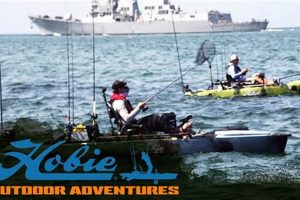
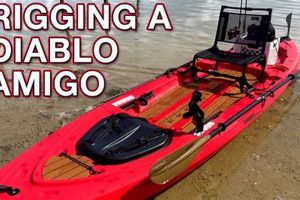
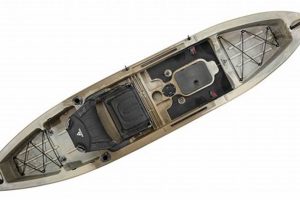
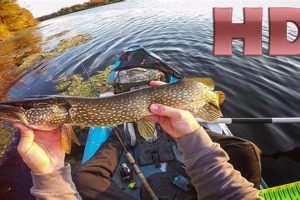
A compact, human-powered watercraft designed for angling typically measures approximately 2.7 meters in length. This size offers a balance of maneuverability and stability, making it suitable for navigating smaller bodies of water like ponds, creeks, and slow-moving rivers. These vessels often feature specialized design elements such as rod holders, storage compartments for tackle, and comfortable seating arrangements optimized for fishing activities.
Smaller watercraft offer distinct advantages for anglers. Their portability simplifies transport and launch, eliminating the need for trailers or specialized ramps. The reduced length allows for effortless navigation through narrow waterways and shallow areas often teeming with fish. While stability is a concern in smaller vessels, modern design and construction techniques enhance their balance and security. This vessel size has become increasingly popular as more anglers recognize the combined benefits of portability and access.
Further exploration will delve into specific design features, material considerations, and popular models available in this size category. Subsequent sections will also address paddling techniques, safety precautions, and essential accessories for a successful fishing experience.
Tips for Small Fishing Kayak Use
Proper preparation and technique maximize the angling experience while ensuring safety and efficiency on the water. The following tips offer guidance for utilizing compact fishing kayaks effectively.
Tip 1: Prioritize Stability: Weight distribution is crucial for balance. Centering gear and maintaining a low center of gravity enhances stability. Avoid sudden movements and practice entering and exiting the vessel in shallow water before venturing further.
Tip 2: Choose Appropriate Waterways: Smaller kayaks are best suited for calm, protected waters. Avoid strong currents, large waves, and open ocean conditions. Research potential locations and assess weather forecasts before embarking.
Tip 3: Master Basic Paddling Techniques: Efficient paddling conserves energy and allows for precise maneuvering. Learn proper stroke technique and practice turning and stopping effectively.
Tip 4: Utilize Essential Safety Gear: Always wear a personal flotation device (PFD). Carry a whistle, signaling device, and a waterproof communication device for emergencies. Inform someone of your planned location and return time.
Tip 5: Equip for Efficiency: Organize tackle and gear for easy access. Rod holders, anchor trolleys, and storage compartments streamline fishing activities and minimize clutter.
Tip 6: Respect the Environment: Adhere to leave-no-trace principles. Pack out all trash and avoid disturbing wildlife or sensitive habitats. Observe local fishing regulations and obtain necessary permits.
By following these guidelines, anglers can optimize their experience on the water, ensuring both safety and enjoyment while maximizing fishing success.
The subsequent section will provide concluding remarks and offer additional resources for those seeking further information.
1. Length

The approximate 2.7-meter length of a typical 9-foot fishing kayak contributes significantly to its maneuverability in confined waterways. This compact size allows for efficient turning and navigation through tight spaces, such as narrow creeks, shallow coves, and areas dense with vegetation. Compared to longer kayaks, a 9-foot vessel requires less effort to change direction, enabling anglers to access prime fishing spots often inaccessible to larger watercraft. This maneuverability proves advantageous when targeting specific structures like fallen logs, overhanging branches, or tight pockets along riverbanks where fish often congregate.
The shorter length also influences the kayak’s tracking, generally making it more responsive to paddle strokes but potentially less efficient for covering long distances in open water. This characteristic reinforces its suitability for smaller bodies of water where precise maneuvering outweighs the need for straight-line speed. Consider a scenario where an angler needs to quickly reposition the kayak to follow a hooked fish darting into a dense cluster of reeds. The compact size facilitates rapid adjustments, minimizing the risk of line entanglement or losing the catch. Conversely, paddling a 9-foot kayak across a large lake would require more effort compared to a longer, more streamlined hull.
The compact design, while benefiting maneuverability, can present challenges in terms of storage capacity and stability compared to larger kayaks. Understanding this trade-off is essential when selecting a kayak for specific fishing needs and environments. Anglers prioritizing nimble navigation in tight spaces will find the compact length advantageous, while those requiring ample storage or venturing into open waters might opt for larger vessels. Ultimately, the 9-foot length offers a balance between maneuverability and portability, making it a practical choice for many anglers targeting smaller waterways.
2. Stability
Stability is a paramount concern for anglers, particularly in smaller vessels like 9-foot fishing kayaks. A stable platform allows for comfortable casting, reeling, and landing fish without the constant worry of capsizing. Modern design and construction techniques enhance stability in these compact kayaks, enabling anglers to focus on the fishing experience rather than maintaining precarious balance.
- Hull Design:
Hull design significantly influences a kayak’s stability. Wider hulls generally provide greater initial stability, making them less prone to tipping when stationary or during slow movements. However, wider hulls can sacrifice maneuverability. 9-foot fishing kayaks often feature a modified hull design that balances stability with maneuverability, offering a compromise suitable for smaller waterways. For example, a shallow-arch hull provides good initial stability while maintaining reasonable maneuverability.
- Center of Gravity:
Maintaining a low center of gravity is crucial for stability. Sitting lower in the kayak and distributing weight evenly enhances balance. Adding weight strategically, such as placing heavier gear closer to the bottom of the hull, can further improve stability. Anglers should avoid sudden movements or shifting weight abruptly, as this can destabilize the kayak. For instance, standing up quickly to cast or reaching far beyond the gunwales can compromise stability and increase the risk of capsizing.
- Water Conditions:
Calm water conditions contribute significantly to stability. Small kayaks are less suited for rough waters or strong currents. Wind, waves, and boat wakes can create instability, making it more challenging to maintain balance. Anglers should carefully assess water conditions before launching and choose sheltered areas when possible. Venturing into open water or challenging conditions in a 9-foot kayak can increase the risk of capsizing.
- Kayak Features:
Certain kayak features can enhance stability. Outriggers, stabilizers, or wider platforms attached to the hull provide additional support and improve balance, particularly in rough conditions. These additions increase the overall width and stability of the kayak, minimizing the risk of tipping. While not standard on all 9-foot kayaks, these features can significantly improve stability for anglers concerned about balance.
These factors collectively influence the stability of a 9-foot fishing kayak. Understanding these principles and selecting a kayak with appropriate design features, combined with careful weight distribution and consideration of water conditions, allows anglers to maximize stability and enjoy a safe and productive fishing experience. Neglecting these aspects can compromise safety and detract from the enjoyment of fishing.
3. Portability
The portability of a 9-foot fishing kayak significantly impacts its appeal, particularly for anglers lacking specialized transport infrastructure like trailers or roof racks. The compact size and relatively light weight of these kayaks allow for easier handling and transport compared to larger vessels. This ease of transport translates to expanded access to diverse fishing locations, including remote ponds, small lakes, and secluded river stretches often inaccessible with larger, less portable watercraft. Consider an angler living in an apartment complex with limited storage space. A 9-foot kayak can be easily stored and transported in a car trunk or on a small roof rack, eliminating the need for dedicated storage solutions or cumbersome trailers. This portability opens opportunities for spontaneous fishing trips and expands the range of accessible fishing spots.
Several factors contribute to the portability of these kayaks. Lightweight construction materials, such as high-density polyethylene (HDPE) or composites, reduce overall weight, making them easier to lift and carry. Compact dimensions further simplify handling, allowing passage through doorways, elevators, and narrow pathways. Integrated carrying handles, strategically placed for balanced lifting, enhance portability. Some models feature scupper holes that drain accumulated water, further reducing weight during transport. Imagine an angler carrying a kayak down a steep embankment to reach a secluded river. The lighter weight and integrated handles become crucial for safe and efficient transport in such scenarios.
The portability of 9-foot fishing kayaks offers substantial practical advantages. Reduced reliance on specialized transport equipment lowers the barrier to entry for aspiring anglers. The ease of transport expands access to diverse fishing locations, increasing opportunities for angling success. Simplified storage solutions address space constraints faced by urban dwellers or those with limited storage capacity. However, portability must be considered alongside other factors like stability and storage capacity, as compact size can present limitations in these areas. Anglers must weigh these factors against their individual needs and fishing preferences to select the most suitable kayak. The portability of these kayaks broadens angling opportunities, making fishing more accessible and enjoyable for a wider range of individuals.
4. Fishing Features

Specialized fishing features distinguish fishing kayaks from recreational models. In a 9-foot fishing kayak, where space is at a premium, the strategic integration of rod holders and storage compartments is crucial for a productive and enjoyable angling experience. Rod holders secure fishing rods, freeing hands for paddling, baiting hooks, or landing fish. They also prevent rods from being lost overboard. Storage compartments accommodate tackle boxes, lures, and other essential gear, keeping them organized and readily accessible. This organized approach maximizes fishing time and minimizes clutter in the limited space available. Consider a scenario where an angler hooks a fish. Having rods securely stored in holders allows for immediate retrieval and prevents tangling or damage during the fight. Easy access to tackle within designated compartments streamlines the process of changing lures or re-rigging, maximizing fishing efficiency.
The type and placement of these features significantly impact functionality. Flush-mounted rod holders offer a streamlined profile but may limit access. Adjustable rod holders provide flexibility for different fishing techniques. Recessed storage compartments maximize deck space while protecting gear from water and the elements. The quantity and size of storage compartments also vary depending on the kayak model. Some kayaks feature specialized storage for specific gear, such as tackle trays or anchor trolleys. The selection of appropriate features depends on individual fishing styles and target species. For example, an angler targeting larger game fish might prioritize heavy-duty rod holders and ample storage for larger tackle, while a fly fisherman might prefer multiple rod holders and smaller compartments for flies and accessories. Understanding these distinctions allows anglers to select a 9-foot fishing kayak tailored to their specific needs.
Effective integration of fishing features enhances the overall angling experience in a 9-foot kayak. Secure rod storage and organized tackle contribute to efficiency and safety on the water. Anglers should carefully evaluate the type, placement, and capacity of these features when selecting a kayak. Balancing these considerations with other factors like stability and portability ensures a well-equipped and functional vessel optimized for successful fishing excursions. Neglecting these considerations can compromise both efficiency and enjoyment on the water.
5. Targeted Waters
The compact design and maneuverability of a 9-foot fishing kayak make it particularly well-suited for smaller bodies of water such as ponds, creeks, and rivers. These environments often present unique challenges and opportunities that necessitate a smaller, more agile watercraft. Larger vessels may struggle to navigate shallows, tight turns, and overhanging vegetation prevalent in these settings. The following facets explore the relationship between a 9-foot kayak and these targeted waters.
- Maneuverability in Confined Spaces:
Narrow creeks and shallow coves, characteristic of many ponds and rivers, demand exceptional maneuverability. A 9-foot kayak’s shorter length and lighter weight enable nimble navigation through tight spaces, allowing anglers to access prime fishing spots often inaccessible to larger boats. Imagine navigating a winding creek choked with fallen logs and overhanging branches. A compact kayak allows for precise maneuvering around these obstacles, granting access to secluded pools where fish often congregate.
- Shallow Water Access:
Ponds and rivers frequently feature shallow areas rich in aquatic life, attracting various fish species. A 9-foot kayak’s shallow draft allows access to these shallows without disturbing the bottom or spooking fish. This advantage opens opportunities for sight fishing and targeting species that inhabit shallow, vegetated areas. Consider a scenario where an angler wishes to target fish feeding in shallow, weedy flats. A shallow-draft kayak allows access without disturbing the sensitive ecosystem or alerting the fish.
- Portability and Launch Ease:
Accessing remote ponds, small lakes, or secluded river stretches often requires carrying a kayak over land or launching from undeveloped shorelines. A 9-foot kayak’s portability simplifies transport and launch, expanding access to diverse fishing locations. Imagine hiking a short distance through woods to reach a hidden pond. The lightweight and compact design of a 9-foot kayak make this transport manageable, opening up fishing opportunities beyond the reach of larger, less portable vessels.
- Current and Wind Considerations:
While well-suited for calm waters, 9-foot kayaks are less suited for strong currents or open, windy conditions. Rivers, especially larger ones, can present challenging currents. Careful planning and consideration of wind and current are essential for safe and successful fishing trips in these environments. Opting for sheltered areas or avoiding strong currents altogether is advisable when paddling a smaller kayak on a river. For instance, choosing a protected cove or backwater area on a windy day maximizes stability and safety.
The compatibility between a 9-foot fishing kayak and smaller bodies of water like ponds, creeks, and rivers stems from its compact size, maneuverability, and portability. While these kayaks excel in calm, confined waterways, anglers must carefully consider factors like current, wind, and personal skill level when selecting fishing locations. Choosing appropriate environments maximizes both safety and fishing success, ensuring a rewarding angling experience.
6. Material
Material selection significantly influences a 9-foot fishing kayak’s performance, durability, and portability. Durable materials withstand impacts, abrasion, and UV exposure, ensuring longevity. Lightweight materials enhance portability, simplifying transport and launch. Balancing these attributes is crucial for selecting a kayak suited to diverse fishing environments and angler preferences. The following facets explore the interplay between material properties and the functionality of a 9-foot fishing kayak.
- High-Density Polyethylene (HDPE):
HDPE offers excellent impact resistance and durability, making it a popular choice for kayak construction. Its UV resistance protects against sun damage, prolonging lifespan. While durable, HDPE is denser than other materials, potentially increasing overall kayak weight. This added weight can slightly impact portability, especially when carrying the kayak over longer distances. An example would be an angler dragging an HDPE kayak across a rocky shoreline; the material’s inherent toughness resists scratches and abrasions. However, the angler might notice the added weight during transport.
- Composites (Fiberglass, Carbon Fiber):
Composite materials, like fiberglass or carbon fiber, offer a superior strength-to-weight ratio compared to HDPE. This translates to lighter kayaks, enhancing portability and paddling efficiency. However, composites are generally more expensive and can be susceptible to cracking or damage from impacts. Consider an angler lifting a carbon fiber kayak onto a car roof rack. The lighter weight simplifies this task significantly. However, the angler must exercise caution to avoid impacting the hull on the roof rack, as this could potentially damage the composite material.
- Thermoformed ABS:
Thermoformed ABS plastic provides a balance between durability and weight. Generally lighter than HDPE but heavier than composites, it offers good impact resistance and UV protection. This material often presents a more affordable alternative to composites while maintaining reasonable portability. An angler paddling a thermoformed ABS kayak through shallow, rocky waters benefits from the material’s impact resistance, protecting the hull from scrapes and collisions. The moderate weight also facilitates easier transport to and from the water.
- Material Impact on Performance:
Material choice influences not only durability and portability but also performance on the water. Lighter kayaks accelerate and maneuver more efficiently, conserving energy during longer paddles. Durable materials withstand the rigors of diverse environments, from rocky shorelines to submerged obstacles. For instance, an angler fishing in a fast-flowing river benefits from a lightweight kayak’s responsiveness and maneuverability. Simultaneously, the durable hull material protects against impacts from rocks and debris carried by the current.
Material selection represents a crucial consideration in choosing a 9-foot fishing kayak. Balancing durability, weight, and cost influences the kayak’s overall performance, portability, and longevity. Understanding the properties of different materials allows anglers to select a kayak that aligns with their specific needs, fishing style, and target environment, ensuring a durable, functional, and enjoyable fishing platform for years to come.
Frequently Asked Questions
This section addresses common inquiries regarding 9-foot fishing kayaks, providing concise and informative responses to facilitate informed decision-making.
Question 1: What are the advantages of a 9-foot kayak for fishing?
Maneuverability in tight spaces, ease of transport and storage, and affordability are key advantages. These kayaks excel in smaller bodies of water where larger vessels struggle to navigate.
Question 2: Are 9-foot kayaks stable enough for fishing?
Stability depends on hull design, weight distribution, and water conditions. Modern designs enhance stability, but caution and proper technique remain essential, particularly in rougher waters. Wider hulls generally offer greater stability.
Question 3: What type of water is best suited for a 9-foot fishing kayak?
Calm, protected waters like ponds, small lakes, slow-moving rivers, and sheltered coastal areas are ideal. Strong currents, open ocean conditions, and large waves should be avoided due to size and stability limitations.
Question 4: What fishing features should one look for in a 9-foot kayak?
Essential features include rod holders, storage compartments for tackle and gear, and a comfortable seating arrangement. Additional features like anchor trolleys, paddle holders, and mounting tracks enhance functionality.
Question 5: How does one transport a 9-foot fishing kayak?
Due to their compact size and lighter weight, these kayaks can often be transported on car roof racks, in truck beds, or even inside larger vehicles. Specialized kayak trailers are also an option for frequent transport.
Question 6: What are the weight capacity considerations for a 9-foot fishing kayak?
Weight capacity varies by model but typically ranges from 250 to 350 pounds. Exceeding the specified weight limit compromises stability and performance. Consider combined weight of the angler, gear, and potential catch.
Careful consideration of these frequently asked questions, combined with thorough research and assessment of individual needs, facilitates informed selection and optimal utilization of a 9-foot fishing kayak.
The subsequent section will provide concluding remarks and offer additional resources for those seeking further information.
Conclusion
Exploration of the 9 ft fishing kayak reveals a specialized vessel designed for maneuverability and portability in smaller bodies of water. Its compact size facilitates navigation through narrow waterways and shallow areas, while specialized features like rod holders and storage compartments enhance angling effectiveness. Considerations regarding stability, material selection, and appropriate water conditions remain paramount for safe and successful fishing experiences. Careful evaluation of these factors ensures appropriate vessel selection aligned with individual angler needs and target environments.
The 9 ft fishing kayak presents a compelling option for anglers seeking efficient and accessible fishing experiences in smaller water bodies. Continued advancements in design and materials promise further enhancements in performance and functionality. Potential purchasers are encouraged to research specific models and consider individual needs before making a selection. Ultimately, informed decision-making empowers anglers to maximize on-the-water experiences, ensuring productive and enjoyable fishing excursions.