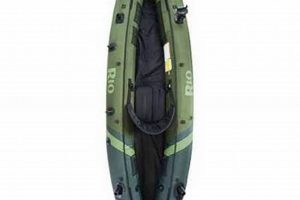
The query regarding the safety of fishing from a kayak reflects a crucial concern for anglers venturing into this increasingly popular sport. It encompasses a range of factors, from the stability of the vessel and the inherent risks of open water, to the angler’s preparedness and understanding of safety procedures. For example, the inquiry might stem from a novice angler considering their first kayak fishing trip or an experienced angler evaluating a new location or challenging weather conditions.
Understanding the elements that contribute to safe kayak angling is paramount for minimizing potential hazards and maximizing enjoyment. This knowledge empowers anglers to make informed decisions, choose appropriate equipment, and develop safe practices. Historically, fishing from small, human-powered vessels has been a common practice across cultures. However, the modern sport of kayak fishing presents unique considerations due to factors such as specialized equipment, diverse environments, and the often solitary nature of the activity.
The following sections will explore essential aspects of safe kayak angling, including choosing the right kayak, understanding weather and water conditions, employing proper safety gear, and developing essential paddling and fishing techniques.
Safety Tips for Kayak Fishing
Careful planning and preparation are essential for safe and enjoyable kayak fishing excursions. The following tips offer guidance for mitigating potential risks and ensuring angler well-being.
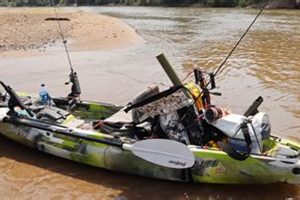
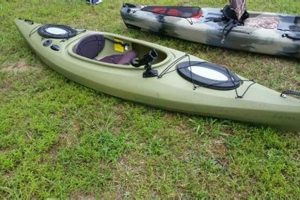
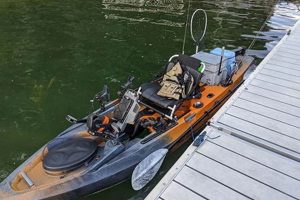
Tip 1: Choose the Right Kayak: Kayak selection should consider stability, storage capacity, and intended fishing environment. Longer, wider kayaks offer greater stability, while shorter kayaks provide better maneuverability in tight spaces. Specialized fishing kayaks often feature built-in rod holders and other convenient amenities.
Tip 2: Check Weather and Water Conditions: Before embarking on any kayak fishing trip, thorough assessment of weather forecasts and water conditions is crucial. Avoid venturing out in high winds, strong currents, or inclement weather. Be mindful of tidal changes and potential hazards like submerged obstacles.
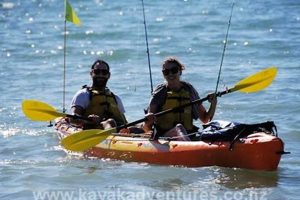
Tip 3: Wear a Personal Flotation Device (PFD): A properly fitted PFD is a non-negotiable safety requirement for all kayak anglers. Ensure the PFD is comfortable and allows for a full range of motion while paddling and casting.
Tip 4: Carry Essential Safety Gear: Essential safety equipment includes a whistle, visual distress signals, a first-aid kit, a bilge pump or bailer, and a communication device such as a waterproof VHF radio or a cell phone in a waterproof case.
Tip 5: Inform Someone of Your Plans: Always inform someone of your intended fishing location, planned return time, and emergency contact information. This allows for timely assistance in case of unexpected delays or emergencies.
Tip 6: Practice Self-Rescue Techniques: Learning and practicing self-rescue techniques, such as re-entering a capsized kayak, is vital for handling unforeseen situations and maintaining composure in the event of an accident. Consider taking a kayak safety course.
Tip 7: Be Aware of Other Vessels: Maintain awareness of other boats and watercraft in the area. Kayaks are smaller and less visible than larger vessels, making it imperative to be vigilant and predictable in movements.
Tip 8: Respect Wildlife and the Environment: Practice responsible angling by adhering to catch and release guidelines, properly disposing of fishing line and other waste, and respecting wildlife habitats. Minimize disturbance to natural environments.
By adhering to these safety guidelines, anglers can significantly reduce risks associated with kayak fishing and enhance their overall enjoyment of the sport. Preparedness empowers individuals to navigate challenges effectively and fosters a culture of responsible angling.
These tips provide a foundation for safe kayak fishing practices. Further exploration of specific techniques and safety considerations will follow in the concluding section.
1. Kayak Stability

Kayak stability plays a critical role in overall fishing safety. A stable platform is essential for casting lines, reeling in fish, and handling equipment without compromising balance. Understanding the factors influencing stability allows anglers to make informed decisions and minimize the risk of capsizing.
- Hull Design:
Kayak hull design significantly impacts stability. Wider, flatter hulls generally offer greater primary stability (initial resistance to tipping), making them suitable for calmer waters and beginners. Narrower, more rounded hulls, while less initially stable, often provide superior secondary stability (resistance to capsizing once tilted), preferred by experienced paddlers in rougher conditions. For example, a pontoon-style hull offers excellent primary stability, while a V-shaped hull prioritizes secondary stability. Choosing the appropriate hull design depends on the intended fishing environment and the angler’s skill level.
- Center of Gravity:
Maintaining a low center of gravity enhances kayak stability. Sitting low in the kayak and distributing weight evenly contributes to balance. Adding weight, such as fishing gear or an anchor, lower in the hull further lowers the center of gravity, increasing stability. Conversely, standing up in a kayak elevates the center of gravity, significantly reducing stability and increasing the risk of capsize.
- Water Conditions:
Calm, flat water presents fewer challenges to kayak stability. However, wind, waves, and currents can significantly destabilize a kayak, requiring increased vigilance and skillful paddling. Strong currents and wakes from passing boats can create unpredictable forces, demanding quick reactions and a secure seating position. Anglers should always assess water conditions before embarking on a fishing trip.
- Angler Behavior:
Angler actions directly impact kayak stability. Sudden movements, leaning too far over the side, or shifting weight abruptly can cause instability. Practicing smooth, controlled movements when casting, reeling, and retrieving gear is crucial. Maintaining a stable posture and avoiding sudden shifts in weight minimizes the risk of tipping.
These interconnected factors contribute significantly to kayak stability and, consequently, overall fishing safety. Understanding the influence of hull design, weight distribution, water conditions, and angler behavior empowers individuals to make informed choices and minimize risks. A stable kayak provides a secure platform for fishing activities, allowing anglers to focus on the sport while minimizing the potential for accidents.
2. Water Conditions

Water conditions represent a critical factor in kayak fishing safety. The interplay of currents, wind, waves, and visibility directly impacts stability, maneuverability, and overall risk. Calm, flat water generally presents a safe environment for kayak angling, while rough conditions significantly increase the potential for capsizing, equipment loss, and even life-threatening situations. Cause-and-effect relationships are readily apparent: strong currents can swiftly carry a kayak away from its intended location, high winds generate choppy waves that compromise stability, and reduced visibility hinders navigation and increases the risk of collisions. For example, an unexpected squall can transform a placid lake into a hazardous environment in minutes, emphasizing the dynamic nature of water conditions and their direct bearing on safety.
Understanding water conditions is not merely a component of safe kayak fishing; it is its foundation. Prior to any fishing excursion, thorough assessment of prevailing and forecast conditions is paramount. Consulting marine weather reports, tide charts, and local advisories provides crucial information for informed decision-making. Neglecting this assessment can have severe consequences. For instance, launching a kayak into a strong outgoing tide without understanding its influence can quickly lead to being swept far offshore, even for experienced paddlers. Real-life examples abound of anglers facing perilous situations due to inadequate consideration of water conditions. These scenarios underscore the practical significance of recognizing the dynamic relationship between water conditions and kayak fishing safety.
Safe kayak fishing practices necessitate ongoing awareness of changing water conditions throughout an excursion. Weather patterns can shift rapidly, and seemingly benign conditions can deteriorate quickly. Continuous observation of wind speed, wave height, and current direction allows anglers to react proactively and make informed decisions about continuing, adjusting location, or returning to shore. Challenges such as unexpected fog or sudden shifts in wind direction highlight the importance of constant vigilance and adaptability. In conclusion, water conditions are inextricably linked to kayak fishing safety. Thorough pre-trip planning, ongoing assessment, and a respect for the power of nature are essential elements for mitigating risks and ensuring a safe and enjoyable angling experience. Integrating these practices into every fishing excursion establishes a foundation for responsible kayak angling and contributes to overall safety on the water.
3. Safety Equipment

Safety equipment forms a critical link in the chain of safe kayak fishing practices. The relationship between appropriate gear and angler well-being is demonstrably causal: the presence and proper use of safety equipment directly reduces the severity of accidents and increases the likelihood of survival in adverse situations. This connection elevates safety equipment from a recommended practice to an essential component of responsible kayak angling. Real-world incidents illustrate this point: anglers wearing personal flotation devices (PFDs) have a significantly higher survival rate in capsizing incidents compared to those without. Similarly, carrying a communication device, such as a VHF radio or a cellphone in a waterproof case, can enable rapid response in emergencies, transforming a potentially life-threatening situation into a manageable incident. The practical significance of this understanding lies in the empowerment it offers anglers to mitigate risks and enhance their safety on the water.
Further emphasizing this connection, consider the role of specialized safety equipment. A bilge pump or bailer allows for rapid removal of water from a swamped kayak, preventing capsize. Carrying a first-aid kit enables immediate treatment of minor injuries, preventing escalation. Visual distress signals, such as flares or a signal mirror, increase visibility to rescuers in emergency situations. These examples demonstrate the practical application of safety equipment, illustrating how each item contributes to overall angler safety. Neglecting these provisions can transform minor incidents into major emergencies, underscoring the cause-and-effect relationship between preparedness and positive outcomes.
In conclusion, safety equipment is not merely an accessory in kayak fishing; it is an integral element of a comprehensive safety strategy. The causal link between appropriate gear and angler well-being is undeniable, supported by empirical evidence and real-world scenarios. Understanding the function and importance of each piece of safety equipment empowers anglers to make informed decisions, mitigate risks, and enhance their safety on the water. Integrating this understanding into pre-trip planning and on-the-water practices strengthens the overall safety profile of kayak fishing, fostering a culture of responsible angling and promoting a safer environment for all participants.
4. Angler Preparedness
Angler preparedness forms a cornerstone of safe kayak fishing practices. A direct, causal relationship exists between an angler’s level of preparedness and the likelihood of a safe and successful fishing trip. Preparation equips anglers with the knowledge, skills, and resources necessary to navigate challenges effectively, minimizing risks and maximizing positive outcomes. This preparedness encompasses a range of elements, from understanding basic kayak handling and navigation to possessing essential safety skills and exhibiting sound judgment in dynamic environments. For instance, an angler who has practiced self-rescue techniques will be better prepared to handle a capsize incident compared to someone lacking this training. Similarly, an angler familiar with local water conditions, weather patterns, and navigation hazards will be better equipped to make informed decisions on the water, contributing significantly to a safer experience.
Practical applications of angler preparedness are readily apparent. Knowledge of first aid and CPR can prove invaluable in responding to medical emergencies. Familiarity with proper paddling techniques enhances efficiency, conserves energy, and improves boat control, especially in challenging conditions. Understanding knots, rigging techniques, and equipment maintenance ensures proper functioning of fishing gear and minimizes the risk of equipment failure. Moreover, pre-trip planning, including informing someone of the intended fishing location and estimated return time, allows for timely assistance in case of unforeseen delays or emergencies. These examples underscore the significance of angler preparedness as a proactive measure for mitigating risks and promoting a safe fishing environment.
In conclusion, angler preparedness represents a critical component of safe kayak fishing. The causal link between preparedness and positive outcomes is undeniable, reinforced by real-world scenarios and the practical benefits of possessing essential knowledge and skills. Challenges such as changing weather conditions, equipment malfunctions, or unexpected encounters with wildlife underscore the importance of angler preparedness as a dynamic, ongoing process rather than a static checklist. Integrating comprehensive preparedness into every kayak fishing excursion elevates safety consciousness, fosters responsible angling practices, and significantly reduces the likelihood of accidents and incidents. This proactive approach transforms potential risks into manageable challenges, enhancing the overall enjoyment and safety of the sport.
5. Environmental Awareness

Environmental awareness constitutes a crucial aspect of safe kayak fishing practices. A strong understanding of the natural environment, including weather patterns, wildlife behavior, and potential hazards, directly influences angler safety. This awareness empowers individuals to make informed decisions, minimizing risks and fostering responsible interactions with the surrounding ecosystem. Neglecting environmental factors can lead to dangerous situations, highlighting the direct link between environmental awareness and angler safety. For example, ignoring changing weather patterns can expose kayakers to sudden storms or strong winds, while a lack of awareness regarding local wildlife could lead to disruptive or even dangerous encounters.
- Weather Patterns
Recognizing and interpreting weather patterns is paramount for kayak fishing safety. Sudden changes in wind speed, direction, or temperature can significantly impact water conditions, creating potentially hazardous situations. For instance, an approaching storm front can generate strong winds and waves, increasing the risk of capsize. Monitoring weather forecasts prior to launching and remaining vigilant for changing conditions during the trip are crucial components of environmental awareness. Real-life examples abound of kayakers caught unprepared in sudden storms, emphasizing the importance of proactively assessing and responding to weather patterns.
- Wildlife Interactions
Understanding local wildlife and their behaviors is crucial for both angler safety and ecosystem preservation. Kayaks can bring anglers into close proximity with various species, some of which may exhibit defensive behaviors if disturbed. For example, approaching nesting birds too closely can provoke aggressive responses. Maintaining a respectful distance, avoiding direct interaction, and refraining from feeding wildlife are essential practices for ensuring both angler safety and the well-being of the animals. Disruptive interactions can not only endanger anglers but also negatively impact wildlife populations.
- Navigation Hazards
Environmental awareness extends to recognizing and avoiding navigation hazards. Submerged rocks, logs, or debris can pose significant risks to kayaks, especially in shallow water or areas with limited visibility. Strong currents and tides can create unpredictable water flow, impacting kayak maneuverability and increasing the risk of collisions. Understanding local water conditions, including potential hazards and tidal influences, empowers anglers to navigate safely and avoid potentially dangerous situations. For example, paddling too close to a rocky shoreline during high tide could lead to grounding or damage to the kayak.
- Leave No Trace Principles
Practicing Leave No Trace principles is an essential component of environmentally responsible kayak fishing. Minimizing human impact on the environment ensures the preservation of natural habitats and contributes to the long-term sustainability of the sport. Properly disposing of fishing line and other waste, avoiding disturbance of vegetation, and respecting wildlife habitats are crucial practices. Leaving the environment in its natural state safeguards its integrity and allows future generations to enjoy the same opportunities for recreation and angling. Irresponsible practices, such as discarding fishing line, can entangle wildlife and pollute waterways, highlighting the direct impact of human actions on the environment.
These facets of environmental awareness are intrinsically linked to the overarching theme of kayak fishing safety. A comprehensive understanding of weather patterns, wildlife interactions, navigation hazards, and Leave No Trace principles empowers anglers to minimize risks, make informed decisions, and contribute to a culture of responsible angling. Integrating this awareness into every kayak fishing excursion enhances not only personal safety but also the long-term health and sustainability of the aquatic environment. Ignoring these factors can have significant consequences, impacting both angler safety and the delicate balance of natural ecosystems. By prioritizing environmental awareness, kayak anglers contribute to a safer and more sustainable future for the sport.
Frequently Asked Questions
This section addresses common concerns and misconceptions regarding kayak fishing safety, providing concise and informative answers to enhance understanding and promote responsible angling practices.
Question 1: Are kayaks prone to tipping?
Kayak stability varies depending on hull design, water conditions, and angler behavior. Wider, flatter hulls generally offer greater stability. Calm water conditions are preferable, especially for beginners. Sudden movements or improper weight distribution can increase the risk of tipping. Choosing an appropriate kayak and practicing proper techniques significantly reduces the risk.
Question 2: What should one do if a kayak capsizes?
Remaining calm is crucial in a capsize situation. If possible, stay with the kayak, as it provides flotation. Attempt self-rescue if trained and conditions allow; otherwise, prioritize attracting attention and staying afloat until assistance arrives. Wearing a personal flotation device (PFD) is paramount in such scenarios.
Question 3: Is it safe to kayak fish alone?
While solo kayak fishing offers tranquility, it presents inherent risks. Informing someone of trip plans, including location and expected return time, is essential. Carrying communication devices enables contact in emergencies. Assessing personal abilities and experience levels alongside anticipated conditions is crucial before embarking on solo trips.
Question 4: What are essential safety items for kayak fishing?
Essential safety equipment includes a properly fitted PFD, a whistle, visual distress signals, a first-aid kit, a bilge pump or bailer, and a communication device (VHF radio or cellphone in a waterproof case). These items enhance preparedness for various emergencies and contribute significantly to angler safety.
Question 5: How can weather affect kayak fishing safety?
Weather plays a significant role in kayak fishing safety. Strong winds, waves, fog, and sudden temperature changes can create hazardous conditions. Checking weather forecasts before launching and remaining vigilant for changing conditions during the trip are crucial for informed decision-making. Adapting plans based on weather conditions minimizes risks.
Question 6: What precautions should one take regarding wildlife?
Respecting wildlife is crucial for both angler safety and ecosystem preservation. Maintaining a safe distance from animals, avoiding interaction with nesting birds or marine mammals, and refraining from feeding wildlife are essential practices. Understanding local fauna and their behaviors contributes to informed and respectful interactions.
Prioritizing safety through preparedness, continuous awareness, and responsible practices contributes significantly to enjoyable and incident-free kayak fishing experiences.
The subsequent section will offer concluding thoughts and recommendations for further exploration of kayak fishing safety.
Is Kayak Fishing Safe
The safety of kayak fishing is not a simple yes or no answer; it represents a complex equation involving multiple variables. This exploration has highlighted the critical role of factors such as kayak stability, water conditions, safety equipment, angler preparedness, and environmental awareness in determining overall risk. Adequate preparation, continuous vigilance, and a respect for the dynamic nature of aquatic environments are demonstrably linked to positive outcomes. Neglecting these elements can transform a recreational activity into a hazardous undertaking, underscoring the significant responsibility placed on individual anglers to prioritize safety. The cumulative impact of these factors ultimately determines whether an individual outing is conducted safely.
Safe and enjoyable kayak fishing experiences are achievable through diligent planning, continuous learning, and a commitment to responsible angling practices. Further exploration of specific techniques, regional regulations, and advanced safety protocols is encouraged for continued growth and enhanced safety awareness within the kayak fishing community. The pursuit of this rewarding sport should always prioritize safety, fostering a culture of responsible angling that benefits both individual participants and the long-term health of aquatic ecosystems.