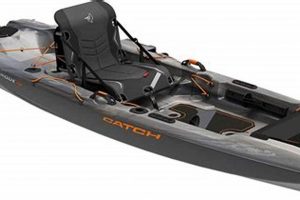
Angling from a small, human-powered vessel on a transparent body of water offers a unique blend of recreation and sport. This method allows close-to-water access, facilitating quiet movement and precise lure placement ideal for diverse fish species. The clarity of the water provides a significant advantage, enabling anglers to observe fish behavior and underwater structures, enhancing the strategic aspect of the activity.
This approach provides several advantages. The low profile and quiet operation of these vessels minimize disturbance to aquatic life, increasing the likelihood of successful catches. Furthermore, the physical exertion inherent in paddling provides a healthy form of exercise. Historically, small boats have played a crucial role in fishing practices across cultures, evolving from basic sustenance tools to sophisticated recreational equipment. This modern adaptation combines traditional fishing methods with contemporary advancements in boat design and materials for an enhanced outdoor experience.
The following sections will explore relevant topics including suitable equipment selection, effective techniques, optimal locations, and responsible practices for this specific fishing style. Considerations such as water safety, conservation efforts, and local regulations will also be addressed.
Tips for Kayak Fishing on Clear Lakes
Successful angling on clear lakes from a kayak requires careful planning and execution. These tips offer guidance for a productive and enjoyable experience.
Tip 1: Prioritize Stealth. Kayak movement can easily spook fish in transparent water. Slow, deliberate paddling and minimized on-board noise are crucial for maintaining a low profile.
Tip 2: Utilize Polarized Sunglasses. These specialized lenses reduce glare and allow for better visibility beneath the surface, enabling anglers to locate fish and underwater structures.
Tip 3: Choose Appropriate Tackle and Lures. Lighter lines and lures are often more effective in clear water, presenting a less conspicuous approach. Matching lure color and action to local fish species enhances effectiveness.
Tip 4: Consider Water Depth and Clarity. Fish behavior varies based on water clarity and depth. Adjust fishing techniques and target locations accordingly, focusing on areas offering cover or shade.
Tip 5: Employ Proper Anchor Placement. A well-placed anchor prevents drift and maintains optimal fishing position. Consider anchor types designed for minimal disturbance to the lakebed.
Tip 6: Plan for Weather Conditions. Wind and changing weather patterns can impact kayak stability and fishing success. Consult forecasts and adjust plans as necessary.
Tip 7: Practice Catch and Release Techniques. Proper handling and release procedures minimize stress on fish and contribute to the long-term health of the fish population.
Implementing these strategies can significantly enhance fishing outcomes while promoting responsible angling practices. Effective preparation contributes to a rewarding experience.
By incorporating these tips, anglers can maximize their chances of a successful and enjoyable outing while respecting the delicate ecosystem of clear lakes.
1. Water Clarity

Water clarity plays a pivotal role in the success of kayak fishing on clear lakes. It directly influences fish behavior, angling strategies, and equipment choices. Understanding the implications of water clarity is essential for a productive fishing experience.
- Visibility and Fish Behavior
Increased visibility allows fish to detect predators and prey more easily. In exceptionally clear water, fish may exhibit heightened caution, requiring anglers to employ more subtle techniques and presentations. For instance, fish in clear water may be more likely to spook from the shadow of a kayak or the flash of a brightly colored lure.
- Lure Selection and Presentation
Water clarity dictates lure choices. In clear conditions, natural-colored lures and lighter lines are often preferred as they are less conspicuous. Conversely, brightly colored lures might be effective in stained or murky water where visibility is reduced. Subtle presentations and slower retrieves often prove more successful in clear water.
- Sight Fishing Advantages and Challenges
Clear water offers the opportunity for sight fishing, allowing anglers to observe fish and target them directly. However, this also requires greater precision and stealth. Kayak positioning and movement become crucial to avoid spooking fish. Specialized equipment like polarized sunglasses becomes essential for maximizing underwater visibility.
- Impact on Fish Distribution and Habitat Use
Water clarity influences where fish position themselves within the lake. In clear lakes, fish may seek deeper water or areas with cover like submerged vegetation or overhanging trees to avoid direct sunlight and predators. Understanding these patterns is crucial for locating fish and selecting appropriate fishing locations.
By considering these facets of water clarity, anglers can adapt their techniques and strategies to improve their chances of success. Recognizing the interplay between water clarity, fish behavior, and angling methods is essential for maximizing the clear lake kayak fishing experience.
2. Kayak Stealth

Kayak stealth is paramount for successful angling in clear lake environments. The heightened visibility in these waters necessitates a nuanced approach to minimize disturbance and maximize fishing opportunities. Fish in clear lakes are easily spooked, making undetected approach crucial for successful presentations.
- Minimizing Movement
Excessive or abrupt movements within the kayak create vibrations and surface disturbances that readily transmit through clear water, alerting fish to the angler’s presence. Smooth, controlled paddling and deliberate actions are essential for maintaining a low profile. Avoid sudden shifts in weight or rapid retrieval of fishing gear. For example, a quick paddle stroke to adjust position can send ripples outwards, scattering nearby fish.
- Reducing Noise
Noise discipline is equally important. Dropping tackle boxes, banging paddles against the kayak hull, or engaging in loud conversations can disrupt the tranquility of the environment and deter fish. Opt for soft-sided tackle bags and secure equipment to minimize accidental clanging. Even the sound of a lure hitting the water’s surface can be amplified in quiet, clear conditions. A careless thud can replace a gentle plop, signaling danger to wary fish.
- Camouflage and Concealment
Kayak color and angler attire play a role in maintaining a low profile. Neutral colors that blend with the surrounding environment, such as greens, browns, and grays, are less likely to attract attention. Bright clothing can create a stark contrast against the clear water, making the angler easily visible to fish. Consider wearing clothing that matches the surrounding vegetation or the lakebed’s color.
- Strategic Positioning and Approach
Approaching fishing locations strategically is crucial. Paddling directly towards a target area is likely to alert fish to the angler’s presence. Instead, consider approaching from an angle or using natural cover, such as reeds or overhanging trees, to mask the kayak’s movement. Understanding wind direction and water currents can also aid in a stealthy approach, allowing the angler to drift into position without excessive paddling.
By integrating these stealth techniques, anglers significantly increase their chances of success in clear lake kayak fishing. The ability to approach fish undetected enhances lure presentation effectiveness and allows for closer proximity, resulting in a more rewarding and productive angling experience.
3. Targeted Species

Targeted species selection significantly influences equipment choices and angling strategies in clear lake kayak fishing. Different species exhibit distinct behavioral patterns, habitat preferences, and feeding habits. Understanding these nuances allows anglers to optimize their approach for specific target fish. For instance, pursuing largemouth bass, known for their ambush predation, requires different tackle and techniques compared to targeting panfish, which often feed on smaller insects and crustaceans.
Consider the following examples. Anglers targeting bass in clear lakes often utilize heavier lines, larger lures, and sturdier rods to handle the fish’s size and strength. Techniques like slow-rolling spinnerbaits or working topwater lures mimic the movement of prey fish, triggering aggressive strikes. Conversely, when targeting panfish, lighter lines, smaller hooks, and live bait or small jigs are typically more effective. Knowledge of preferred panfish habitats, such as weed beds or submerged structures, further refines location selection. In clear water, subtle presentations are often key, as panfish can be easily spooked by larger, more conspicuous offerings.
Effective species targeting optimizes resource utilization and minimizes environmental impact. By selecting appropriate tackle and techniques, anglers increase their chances of success while reducing the potential for unintended catches and minimizing stress on non-target species. Understanding the specific needs and behaviors of targeted species contributes to a more ethical and sustainable fishing practice. This knowledge also allows for a more specialized and engaging experience, enhancing the overall enjoyment of clear lake kayak fishing.
4. Equipment Selection
Equipment selection plays a critical role in clear lake kayak fishing, directly influencing angling success and overall experience. The transparent nature of these waters necessitates specialized gear choices, emphasizing stealth, sensitivity, and precision. Appropriate equipment caters to the specific challenges and opportunities presented by clear lake environments. For example, choosing the correct fishing line is crucial. In clear water, fish are more likely to detect highly visible lines. Therefore, using fluorocarbon or light monofilament lines, known for their low visibility, becomes essential for increasing catch rates. Similarly, lure selection is heavily influenced by water clarity. Natural-colored lures, mimicking the appearance of local prey, are often more effective than brightly colored alternatives, which can appear unnatural and deter fish in clear conditions.
Furthermore, the kayak itself forms an integral part of the equipment equation. Stability and maneuverability are key factors, particularly in clear, shallow areas where stealth is paramount. A kayak designed for stability minimizes rocking and reduces the likelihood of spooking fish. Similarly, kayaks with efficient propulsion systems allow for quiet and precise maneuvering, enabling anglers to approach target areas undetected. Consideration should also be given to specialized accessories, such as anchor systems designed for minimal disturbance to the lakebed and rod holders that facilitate efficient lure retrieval and storage. These seemingly minor details contribute significantly to an angler’s overall success and enjoyment.
Appropriate equipment selection, therefore, represents a crucial element of successful clear lake kayak fishing. By carefully considering the unique demands of these environments and selecting gear that prioritizes stealth, sensitivity, and precision, anglers significantly enhance their chances of a productive and rewarding outing. The interplay between equipment choice and environmental conditions underscores the importance of informed decision-making for maximizing fishing success and minimizing environmental impact. Overlooking these considerations can lead to frustration and diminished results, highlighting the practical significance of understanding the connection between equipment and environment.
5. Location Scouting
Location scouting is a critical pre-fishing activity for maximizing success in clear lake kayak fishing. Understanding the underwater terrain, vegetation, and prevalent fish species within a given lake significantly influences angling strategy and outcome. Effective scouting minimizes wasted time and effort by directing anglers to productive areas, thereby enhancing the overall fishing experience. Pre-fishing research and on-the-water observation are essential components of comprehensive location scouting. Such preparation allows for a more targeted and efficient approach, increasing the likelihood of successful angling.
- Bathymetric Maps and Contour Lines
Bathymetric maps, depicting underwater depth contours, are invaluable tools for location scouting. These maps reveal underwater structures like drop-offs, humps, and channels, which often attract fish. Identifying these features allows anglers to target specific depths and structures known to hold target species. For example, locating a submerged point extending from a shoreline into deeper water can pinpoint an ambush point for predatory fish.
- Vegetation Identification and Analysis
Submerged vegetation provides cover and foraging opportunities for many fish species. Identifying the types and distribution of aquatic plants within a lake aids in locating potential fish-holding areas. For instance, weed beds, lily pads, and submerged timber often harbor baitfish and attract larger predators. Recognizing these vegetation patterns allows anglers to focus their efforts on productive zones. Clear water environments facilitate direct observation of these features, enhancing scouting effectiveness.
- Observing Natural Signs and Wildlife Activity
Observing natural signs can provide valuable insights into fish location. For example, the presence of baitfish, insect activity, or bird diving behavior can indicate areas of high fish concentration. These observations offer real-time information about fish activity and feeding patterns. In clear water, observing these signs becomes even more critical, as the increased visibility allows for more detailed analysis of the underwater environment and its inhabitants.
- Utilizing Technology and Sonar
Fish finders and sonar units provide detailed underwater information, revealing bottom structure, fish location, and water temperature. These technologies supplement visual observation and bathymetric map analysis, offering a comprehensive understanding of the underwater environment. Kayak-mounted sonar units allow anglers to pinpoint specific locations, such as submerged debris or schools of baitfish, further refining their fishing strategy and maximizing efficiency. This technological advantage becomes particularly valuable in larger, complex clear lakes.
By combining these location scouting techniques, anglers develop a comprehensive understanding of the underwater landscape and fish distribution within a clear lake. This pre-fishing preparation directly translates to increased on-the-water efficiency, allowing anglers to focus their efforts on high-potential areas and maximizing their chances of a successful and rewarding kayak fishing experience. Thorough location scouting ultimately contributes to a more informed and strategic approach, distinguishing successful anglers from those relying solely on chance encounters.
6. Safety Precautions
Safety precautions are paramount in clear lake kayak fishing. The serene environment can mask potential hazards, necessitating careful planning and preparation. Overlooking safety considerations can transform a recreational outing into a hazardous situation. Understanding and implementing appropriate safety measures ensures a secure and enjoyable experience. These precautions mitigate risks and promote responsible angling practices.
- Personal Flotation Devices (PFDs)
PFDs are essential safety equipment for all kayak anglers. Even in calm, clear water, unexpected situations, such as capsizing or sudden weather changes, can occur. A properly fitted PFD provides buoyancy and increases the chances of survival in the event of an accident. Inflatable PFDs offer comfort and flexibility, while traditional life vests provide immediate flotation. Regularly inspecting PFDs for wear and tear ensures their effectiveness in emergencies. Neglecting this fundamental safety precaution can have dire consequences.
- Weather Awareness and Monitoring
Clear skies and calm waters can quickly change, especially on larger lakes. Monitoring weather forecasts before and during fishing trips is crucial. Sudden wind gusts, thunderstorms, and temperature drops can create hazardous conditions for kayakers. Portable weather radios and smartphone apps provide real-time updates, enabling anglers to react promptly to changing conditions. Ignoring weather warnings can lead to dangerous situations, including capsizing, hypothermia, or lightning strikes. Planning for potential weather changes, including having an emergency plan and appropriate gear, is essential for safe kayak fishing.
- Navigation and Communication
Clear lakes can disorient anglers, especially in unfamiliar waters or during low-light conditions. Carrying a compass, GPS device, or chartplotter aids in navigation and ensures anglers can return to their launch point safely. Informing someone of the fishing location and estimated return time provides an additional layer of safety. A fully charged cell phone in a waterproof case allows for communication in emergencies. Disorientation and unexpected delays can occur, emphasizing the importance of effective communication and navigation tools.
- Awareness of Water Temperature and Conditions
Cold water poses a significant threat to kayakers, even in relatively mild air temperatures. Accidental immersion in cold water can lead to rapid heat loss and hypothermia. Dressing in layers appropriate for the water temperature, not just the air temperature, is crucial. Wearing a wetsuit or drysuit provides additional insulation in cold water conditions. Understanding the effects of cold water immersion and taking appropriate precautions are essential for safe kayak fishing in clear lakes, especially during colder months.
By adhering to these safety precautions, anglers can significantly reduce risks associated with clear lake kayak fishing. These measures, combined with responsible angling practices, contribute to a safe and enjoyable experience. Careful planning and preparation transform potential hazards into manageable challenges, allowing anglers to focus on the rewarding aspects of this unique fishing style. Ultimately, prioritizing safety enhances the overall experience, ensuring that each outing remains a positive and memorable one.
7. Ethical Practices

Ethical practices are integral to preserving the delicate ecosystems of clear lakes and ensuring the sustainability of kayak fishing. These practices extend beyond simply adhering to regulations; they encompass a mindful approach to minimizing environmental impact and respecting the natural world. The clarity of these waters amplifies the effects of irresponsible behavior, making ethical considerations even more critical. Discarded fishing line, for example, becomes highly visible and poses a significant threat to aquatic life, birds, and the overall aesthetic quality of the environment. Similarly, improper disposal of bait or fish remains can negatively impact water quality and contribute to ecological imbalances. Kayak anglers, given their close proximity to the water and often undisturbed access to sensitive areas, bear a particular responsibility for upholding ethical practices. The cumulative impact of individual actions underscores the importance of each angler’s commitment to responsible behavior.
Furthermore, ethical practices encompass respectful interaction with wildlife. Avoiding disturbance to nesting birds, maintaining appropriate distances from wildlife, and minimizing noise pollution contribute to preserving the natural tranquility of clear lake environments. Catch-and-release fishing, when practiced correctly, minimizes stress on fish populations and promotes healthy ecosystems. Proper handling techniques, including using wet hands or a landing net to minimize damage to fish scales and gills, are essential components of ethical catch-and-release practices. Furthermore, minimizing the time a fish is out of the water reduces stress and increases its chances of survival. Selective harvesting, when regulations allow, should prioritize the removal of older, slower-growing fish, allowing younger, more productive members of the population to thrive. These nuanced considerations demonstrate the depth and significance of ethical practices within clear lake kayak fishing.
In conclusion, ethical practices are not merely a supplemental aspect of clear lake kayak fishing but rather a foundational principle. They represent a commitment to preserving the ecological integrity of these unique environments for future generations of anglers and wildlife alike. The transparent nature of clear lakes emphasizes the immediate and long-term consequences of both responsible and irresponsible actions. By embracing ethical angling practices, kayak anglers actively contribute to the sustainability of these valuable resources. This mindful approach ensures the continued enjoyment of clear lake kayak fishing while safeguarding the delicate balance of nature. Ultimately, the future of this recreational activity relies on the collective commitment of anglers to ethical principles and responsible stewardship of these precious ecosystems.
Frequently Asked Questions
This section addresses common inquiries regarding kayak fishing on clear lakes, providing concise and informative responses to facilitate informed decision-making and enhance angling experiences. Clarity regarding these frequently raised points contributes to both safety and enjoyment.
Question 1: What are the primary advantages of using a kayak for fishing on clear lakes?
Kayaks offer stealthy approach capabilities, minimizing disturbance to fish in clear water. Their compact size allows access to shallow areas and tighter spaces inaccessible to larger vessels. The human-powered nature of kayaks promotes a quiet and environmentally friendly fishing experience.
Question 2: How does water clarity impact lure selection and presentation techniques?
Clear water necessitates the use of less conspicuous tackle. Lighter lines, such as fluorocarbon, and natural-colored lures are often preferred. Slower retrieves and more subtle presentations minimize unnatural disturbances, increasing the likelihood of attracting fish.
Question 3: What safety precautions are essential for kayak fishing on clear lakes?
Wearing a personal flotation device (PFD) is paramount. Monitoring weather conditions and having a communication plan are crucial. Awareness of water temperature and potential hazards, such as submerged obstacles, ensures angler safety.
Question 4: How can anglers minimize their environmental impact while kayak fishing on clear lakes?
Practicing catch and release minimizes stress on fish populations. Proper disposal of fishing line and other waste prevents pollution. Respecting wildlife and avoiding disturbance to sensitive habitats contribute to ecological preservation.
Question 5: What equipment is considered essential for clear lake kayak fishing?
Essential equipment includes a stable and maneuverable kayak, appropriate paddles, a well-fitted PFD, polarized sunglasses, a selection of lures and tackle designed for clear water, and safety gear such as a whistle and first-aid kit.
Question 6: Are there specific regulations or licensing requirements for kayak fishing on clear lakes?
Regulations vary by location. Anglers should consult local authorities or governing bodies to ensure compliance with licensing requirements, catch limits, and any specific restrictions applicable to the chosen fishing destination.
Understanding these key aspects contributes significantly to a safe, productive, and environmentally responsible clear lake kayak fishing experience. Thorough preparation and mindful angling practices ensure the preservation of these valuable resources.
The subsequent section offers a comprehensive guide to selecting the appropriate kayak for clear lake fishing, considering factors such as stability, maneuverability, and storage capacity.
Clear Lake Kayak Fishing
This exploration of clear lake kayak fishing has highlighted the multifaceted nature of this pursuit. From equipment selection and location scouting to stealth techniques and ethical considerations, each element contributes significantly to a successful and responsible angling experience. The clarity of these waters presents unique opportunities and challenges, demanding a nuanced approach from anglers. Understanding fish behavior, adapting tackle and techniques, and prioritizing safety are essential for maximizing success while minimizing environmental impact. The interplay between angler, environment, and target species underscores the dynamic nature of this specialized fishing style. Preparation, informed decision-making, and a commitment to ethical practices are crucial for maximizing enjoyment and preserving these valuable aquatic ecosystems.
Clear lake kayak fishing offers a unique connection with nature, demanding both skill and respect. The pursuit transcends mere sport, encompassing a deeper understanding of aquatic ecosystems and the delicate balance within them. Continued exploration and refinement of techniques, coupled with a steadfast commitment to conservation, will ensure the future viability and enjoyment of this rewarding pastime. The challenge lies not merely in catching fish, but in embracing a holistic approach that respects the environment and ensures its preservation for generations to come. The future of clear lake kayak fishing rests on the responsible actions of those who appreciate its unique rewards.