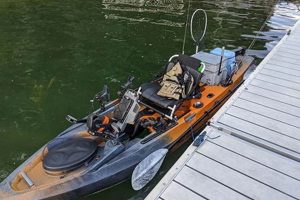
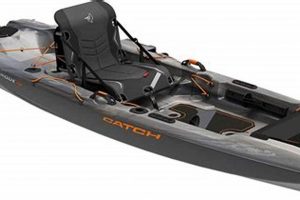
The practice of temporarily obtaining a kayak specifically outfitted for angling provides an accessible entry point to this popular watersport. This typically involves a short-term rental agreement with a provider, often located near suitable bodies of water. Such agreements may encompass various kayak types, from sit-on-top models designed for stability to sit-inside versions offering greater protection from the elements. These specialized vessels often include features such as rod holders, anchor trolleys, and storage compartments for tackle and gear.
Providing access to equipment and suitable locations, this service opens up angling opportunities to a wider audience. It eliminates the need for significant upfront investment in purchasing and maintaining a kayak, making the sport more attainable for beginners and occasional participants. Furthermore, rental services often offer a range of kayak options suited to diverse fishing styles and water conditions, allowing anglers to select the most appropriate vessel for their needs. Historically, access to fishing grounds was often limited by boat ownership. The emergence of specialized rental services has democratized the sport, providing greater flexibility and affordability.
The following sections will explore key aspects of this service in more detail, including factors influencing cost, selecting the right equipment, and identifying suitable fishing locations.
Tips for Kayak Fishing Rentals
Careful planning ensures a successful and enjoyable kayak fishing experience. The following tips offer guidance for selecting and utilizing rental equipment and services effectively.
Tip 1: Research rental providers thoroughly. Compare pricing, kayak types, included equipment, and customer reviews to identify reputable providers offering suitable vessels and services.
Tip 2: Consider the fishing environment. Choose a kayak suited to the target water body. Stable, sit-on-top kayaks are generally preferred for calm lakes and rivers, while longer, sit-inside models may be better suited to open water or challenging conditions.
Tip 3: Verify included equipment. Confirm whether essential fishing accessories, such as rod holders, paddles, and life vests, are provided with the rental. If not, factor in the cost of renting or purchasing these items separately.
Tip 4: Inquire about safety procedures and local regulations. Reputable providers will offer guidance on safe kayaking practices and inform renters of any relevant fishing regulations or permit requirements.
Tip 5: Plan fishing logistics. Research potential fishing spots, target species, and appropriate bait or lures in advance. Consider factors like water depth, currents, and access points when planning the fishing trip.
Tip 6: Check weather conditions. Avoid kayaking in adverse weather, such as strong winds, storms, or extreme temperatures. Postpone the trip if conditions are unsafe.
Tip 7: Pack essential gear. Bring appropriate clothing, sun protection, insect repellent, and a first-aid kit. A waterproof bag or dry box is recommended for protecting valuables and electronic devices.
By following these guidelines, anglers can maximize their chances of a productive and enjoyable experience on the water. Thorough preparation ensures both safety and efficiency, allowing focus to remain on the pursuit of fish.
The insights provided throughout this article aim to equip individuals with the knowledge necessary to confidently embark on their next kayak fishing adventure.
1. Rental Locations

The geographic placement of rental operations plays a critical role in the accessibility and overall experience of fishing kayak hire. Proximity to desirable fishing grounds is a primary consideration. Locations situated directly on lakeshores, riverbanks, or coastal marinas offer immediate access to the water, minimizing transportation challenges. Conversely, locations further inland may necessitate transporting the kayak, requiring renters to possess suitable vehicle and carrying equipment. The availability of suitable launch sites near the rental location is equally crucial. Calm, shallow areas with easy entry and exit points are ideal, particularly for less experienced kayakers. Locations with challenging launch conditions, such as steep banks or strong currents, may limit accessibility for some individuals. For instance, a rental business operating from a lakeside marina with a dedicated kayak launch area provides optimal convenience. However, a business located in a town center, requiring transport to a distant river access point, presents logistical hurdles.
Beyond proximity and launch conditions, the surrounding environment influences the overall experience. Rental locations within scenic natural areas or near popular fishing spots enhance the recreational value. Conversely, locations situated in industrial areas or near heavily trafficked waterways may detract from the enjoyment. The availability of amenities, such as parking, restrooms, and tackle shops, further impacts convenience. A rental location near a well-equipped marina offers a more comprehensive service compared to a remote outpost lacking such facilities. For example, a coastal rental business situated near a popular fishing pier with ample parking and a nearby tackle shop provides a more appealing and practical option than a secluded location lacking supporting infrastructure. Understanding these factors allows individuals to select rental locations that best suit their needs and preferences.
Careful consideration of rental location is therefore essential for a positive fishing kayak experience. Evaluating proximity to fishing grounds, launch site accessibility, surrounding environment, and available amenities allows for informed decision-making. Prioritizing these factors ensures convenience, safety, and ultimately, a more enjoyable angling experience. Selecting a well-situated rental location lays the foundation for a successful outing on the water.
2. Kayak Types
Selecting an appropriate kayak type is crucial for a successful fishing excursion. Different kayak designs offer varying degrees of stability, maneuverability, and storage capacity, influencing angler performance and comfort. Understanding these distinctions allows informed choices tailored to specific fishing styles and environmental conditions.
- Sit-on-Top Kayaks
Sit-on-top kayaks offer inherent stability and ease of entry and exit, making them suitable for beginners and calm water conditions. Their open design allows for greater freedom of movement and simplifies re-entry after a water landing. Examples include the Perception Pescador and the Wilderness Systems Tarpon. While offering excellent stability, sit-on-top kayaks can be less efficient to paddle over long distances and offer limited protection from the elements. Their open design also makes them more susceptible to taking on water in rough conditions.
- Sit-Inside Kayaks
Sit-inside kayaks provide better protection from the elements and offer greater efficiency when paddling, making them suitable for longer trips and more challenging conditions. Examples include the Wilderness Systems Pungo and the Perception Carolina. However, sit-inside kayaks can be less stable than sit-on-tops and more challenging to re-enter after capsizing. They also offer less freedom of movement for casting and landing fish.
- Inflatable Kayaks
Inflatable kayaks offer portability and convenient storage, making them a viable option for anglers with limited transport or storage space. Examples include the Advanced Elements AdvancedFrame and the Intex Excursion Pro. While improving in durability and performance, inflatable kayaks generally offer less stability and tracking ability than rigid kayaks. They also require inflation and deflation before and after use.
- Pedal-Powered Kayaks
Pedal-powered kayaks offer hands-free propulsion, allowing anglers to focus on fishing. Examples include the Hobie Mirage Pro Angler and the Native Watercraft Slayer Propel. This feature comes at a premium price point, however, and pedal-drive systems can be complex and require more maintenance.
The selection of a kayak type significantly influences the fishing experience. Evaluating stability, maneuverability, storage capacity, and overall comfort against specific fishing needs and environmental conditions ensures optimal performance and enjoyment. Choosing the right kayak enhances angling efficiency and contributes to a more successful and satisfying outing.
3. Pricing Models

Pricing structures for fishing kayak rentals significantly influence accessibility and budget considerations for anglers. A clear understanding of prevalent pricing models empowers informed decision-making and ensures cost-effectiveness. Analyzing various pricing structures allows anglers to optimize expenditure and maximize value within their allocated budget.
- Hourly Rates
Hourly rates offer flexibility for shorter fishing trips or trial runs. This model allows anglers to experience kayak fishing without committing to a full day rental. For instance, a two-hour rental might suit an angler seeking a brief fishing session during a lunch break. However, hourly rates can become costly for extended trips.
- Daily Rates
Daily rates provide a cost-effective option for full-day fishing excursions. This model typically offers a lower per-hour cost compared to hourly rentals. For example, a daily rate allows anglers ample time to explore different fishing spots and maximize their chances of success. However, daily rates may not be ideal for individuals seeking only a few hours on the water.
- Weekly Rates
Weekly rates cater to extended fishing trips or vacations. This model offers the most significant cost savings for longer durations. For anglers planning a week-long fishing getaway, a weekly rental significantly reduces the overall expense compared to multiple daily rentals. However, weekly rates require a substantial upfront commitment.
- Package Deals
Package deals often combine kayak rental with additional services or equipment, such as fishing rods, tackle boxes, or guided tours. These packages can offer cost savings compared to purchasing each item separately. For example, a package including a kayak rental, fishing rod, and tackle box simplifies logistics and potentially reduces overall costs. However, anglers should carefully evaluate the included items to ensure they align with their specific needs.
Understanding these pricing models allows anglers to select the most suitable option based on trip duration and budget constraints. Analyzing hourly, daily, weekly rates, and package deals empowers informed decision-making and maximizes value. Selecting a cost-effective pricing model contributes significantly to a positive and financially responsible fishing kayak experience.
4. Equipment Included
Included equipment significantly influences the overall cost and convenience of fishing kayak rentals. A comprehensive understanding of standard inclusions and optional extras allows anglers to make informed decisions and avoid unexpected expenses. Careful consideration of provided equipment ensures preparedness on the water and contributes to a more enjoyable fishing experience.
- Paddles and Life Vests
Paddles and personal flotation devices (PFDs or life vests) are fundamental safety and operational components typically included with rentals. A properly fitted PFD is crucial for safety and often legally required. Paddles, essential for propulsion and maneuvering, are provided in lengths appropriate for the kayak and user. Variations in paddle design and material may exist, but basic functionality remains consistent. Reputable rental providers ensure these essential items are in good working order and readily available with each kayak rental. For instance, a rental might include a standard aluminum paddle and a basic foam PFD, while some providers may offer upgrades to lighter fiberglass paddles or more comfortable inflatable PFDs.
- Rod Holders and Storage
Dedicated fishing kayaks typically incorporate features designed to facilitate angling activities. Rod holders, often integrated into the kayak’s hull or deck, provide secure storage for fishing rods during paddling or while waiting for a bite. Storage compartments, such as hatches or tank wells, offer space for tackle boxes, gear, and personal items. The quantity, size, and accessibility of these features vary depending on the kayak model. Some kayaks may offer specialized storage for specific fishing gear. For example, a kayak designed for bass fishing might feature multiple rod holders and a large open tank well for storing tackle and live bait, while a kayak intended for offshore fishing might have fewer rod holders but more secure, waterproof storage compartments.
- Anchors and Anchor Trolleys
Anchors and anchor trolleys are valuable additions for maintaining position in specific fishing locations. An anchor prevents drift in currents or wind, allowing anglers to remain stationary over a promising fishing spot. An anchor trolley system allows for adjustable anchor positioning, facilitating control of drift direction and angle. These features are particularly beneficial in rivers or areas with moving water. While not always included as standard equipment, anchors and trolleys are often available as optional extras for an additional fee. The type and size of anchor provided may vary depending on the intended fishing environment. For example, a small folding anchor might suffice for calm lakes, while a heavier grapnel anchor may be necessary for stronger currents or rocky bottoms.
- Optional Extras (e.g., Fish Finders, GPS Units)
Some rental providers offer optional extras, such as fish finders, GPS units, or even trolling motors, enhancing the fishing experience. Fish finders utilize sonar technology to locate fish and identify underwater structures, while GPS units aid navigation and marking fishing spots. Trolling motors provide motorized propulsion, freeing anglers from paddling and allowing them to cover more water. These extras typically incur an additional cost and availability may vary. Anglers should inquire about optional equipment availability and associated fees when booking a rental. For example, a rental provider specializing in guided fishing trips might offer high-end fish finders and GPS units as part of a premium package, while a basic rental might include only the essential paddling and safety gear.
The equipment included with a fishing kayak rental directly impacts the overall fishing experience. Understanding standard inclusions and optional extras allows for informed decision-making and ensures anglers have the necessary tools for a successful outing. By considering these factors, anglers can select a rental package that aligns with their specific fishing needs and budget, ultimately maximizing their enjoyment on the water.
5. Safety Gear
Safety gear is paramount when engaging in fishing kayak hire, directly impacting angler well-being and influencing the overall success of the outing. Understanding and utilizing appropriate safety equipment mitigates potential risks associated with on-water activities, ensuring a secure and enjoyable experience. Neglecting safety precautions can lead to hazardous situations, jeopardizing both personal safety and the enjoyment of the fishing trip.
- Personal Flotation Devices (PFDs)
PFDs, commonly known as life vests, are essential safety devices designed to keep individuals afloat in the event of capsizing or accidental immersion. A properly fitted PFD provides buoyancy and support, increasing survival chances in unexpected water emergencies. Rental providers typically include PFDs with kayak rentals, and wearing them is often legally mandated. Various PFD types exist, each designed for specific water activities. For kayak fishing, a Type III PFD, offering comfortable movement and flexibility for casting, is generally recommended. Ensuring the PFD is in good condition and worn correctly is crucial for maximizing its effectiveness.
- Whistles and Signaling Devices
Whistles and other signaling devices provide a crucial means of communication in emergency situations. A whistle’s high-pitched sound carries over long distances, attracting attention and alerting others to potential distress. Visual signals, such as flares or signal mirrors, further enhance visibility and aid rescuers in locating individuals in need of assistance. Carrying these devices on a kayak fishing trip allows for rapid communication in case of capsizing, injury, or disorientation. Ensuring signaling devices are readily accessible and in working order is essential for effective emergency communication.
- Dry Bags and Waterproof Containers
Dry bags and waterproof containers safeguard essential items, such as communication devices, first-aid kits, and personal belongings, from water damage. Protecting these items ensures functionality in emergency situations and prevents loss of valuable equipment. Storing electronic devices, such as mobile phones and GPS units, in waterproof containers maintains communication capabilities and navigational aids in case of unexpected water exposure. Keeping essential documents, such as identification and fishing licenses, dry also prevents inconvenience and potential legal issues.
- First-Aid Kits and Emergency Supplies
A well-equipped first-aid kit and essential emergency supplies address minor injuries and provide basic medical assistance in remote locations. Including items like bandages, antiseptic wipes, pain relievers, and sunscreen allows for immediate treatment of minor cuts, scrapes, and sunburns. Carrying additional emergency supplies, such as a space blanket, extra food and water, and a multi-tool, enhances preparedness for unforeseen circumstances. These provisions contribute to angler comfort and safety, addressing potential health issues and providing essential resources in unexpected situations.
Prioritizing safety gear during fishing kayak hire significantly enhances angler well-being and the overall success of the fishing trip. Utilizing appropriate safety equipment, such as PFDs, signaling devices, dry bags, and first-aid kits, mitigates potential risks and ensures a secure and enjoyable experience. Careful consideration of these safety aspects contributes to a responsible and rewarding fishing adventure.
6. Booking Process

The booking process for fishing kayak hire serves as a crucial gateway to accessing this recreational activity. A streamlined and efficient booking system contributes significantly to a positive customer experience, while a cumbersome or unclear process can deter potential participants. The process typically involves several key steps, beginning with researching available rental providers and comparing their offerings. Factors such as kayak types, pricing, included equipment, and location influence selection. Once a provider is chosen, the booking itself may occur through various channels, including online platforms, telephone reservations, or in-person visits. The process culminates in confirming the reservation and arranging payment details. For example, an angler seeking a specific kayak model for a weekend fishing trip might utilize an online booking platform to compare availability and pricing across multiple rental locations. After selecting a suitable option, they would proceed with the online reservation, providing necessary personal information and payment details. A confirmation email or message finalizes the booking, ensuring the kayak is reserved for the designated time slot. Conversely, a less efficient process, such as requiring multiple phone calls or in-person visits to secure a booking, could lead to frustration and potentially lost business for the rental provider.
Effective booking processes often incorporate features that enhance customer experience and operational efficiency. Online booking platforms frequently integrate real-time availability calendars, allowing customers to instantly view available time slots and select preferred dates. Automated confirmation messages reduce administrative overhead and provide customers with immediate booking verification. Secure online payment gateways streamline transactions and ensure financial security. Some providers may also offer features such as online waivers or equipment selection during the booking process, further simplifying pre-trip arrangements. For example, a rental provider might integrate an online waiver system that allows customers to digitally sign necessary liability forms during the online booking process, eliminating the need for paperwork upon arrival. This not only streamlines the check-in process but also contributes to a more environmentally friendly, paperless operation.
A well-designed booking process contributes significantly to the overall success of fishing kayak hire operations. It serves as the initial point of contact between the customer and the provider, shaping their perception of the service. A smooth, efficient, and user-friendly booking experience sets a positive tone for the entire rental interaction, encouraging repeat business and positive word-of-mouth referrals. Conversely, a poorly designed process can lead to frustration, lost bookings, and negative reviews, impacting the provider’s reputation and profitability. Therefore, prioritizing a streamlined and customer-centric booking process is essential for maximizing customer satisfaction and achieving sustainable business growth within the fishing kayak hire industry. Understanding the intricacies of the booking process, from initial research to final confirmation, empowers both customers and providers to navigate this essential step effectively. This understanding fosters positive interactions, contributes to a seamless rental experience, and ultimately enhances enjoyment of the fishing kayak activity itself.
7. Local Regulations

Adherence to local regulations forms an integral component of responsible fishing kayak hire. Regulations exist to protect aquatic ecosystems, ensure sustainable fishing practices, and maintain safe navigation within waterways. These regulations vary significantly by jurisdiction and often pertain to licensing requirements, catch limits, permitted fishing methods, and designated fishing zones. Ignoring these regulations can result in fines, legal penalties, and damage to the environment. For instance, fishing without a valid license, exceeding catch limits for specific species, or using prohibited fishing gear can result in legal repercussions. Furthermore, improper disposal of fishing line or other waste materials can negatively impact water quality and harm aquatic life. Understanding and complying with local regulations demonstrates responsible angling practices and contributes to the long-term health of aquatic ecosystems.
Rental providers often play a crucial role in educating customers about relevant local regulations. They may provide information on licensing requirements, catch limits, and permitted fishing areas, ensuring renters are aware of their responsibilities. Some providers may also offer resources such as maps of designated fishing zones or summaries of local fishing regulations. This proactive approach fosters responsible fishing practices and reduces the likelihood of customers inadvertently violating regulations. For example, a rental provider operating in a coastal region might inform customers about seasonal closures for specific fish species, ensuring compliance with conservation efforts. Similarly, providers operating on inland waterways might educate customers on regulations regarding motorized vessels or restrictions on fishing near dams or other sensitive areas. This knowledge empowers renters to engage in legal and sustainable fishing practices.
Compliance with local regulations safeguards both the environment and the sustainability of fishing kayak hire operations. Respecting these regulations demonstrates a commitment to responsible angling and contributes to the preservation of aquatic resources for future generations. Failure to comply can not only result in individual penalties but also damage the reputation of the rental industry and potentially lead to stricter regulations that could restrict access to fishing opportunities. Therefore, understanding and adhering to local regulations is essential for the continued enjoyment and accessibility of fishing kayak hire. This responsible approach ensures the long-term viability of the sport and protects the valuable ecosystems that support it.
Frequently Asked Questions
This section addresses common inquiries regarding the rental of kayaks specifically designed for fishing.
Question 1: What are typical rental costs?
Rental costs vary based on factors such as kayak type, rental duration, location, and included equipment. Hourly rates can range from $15 to $30, while daily rates typically fall between $50 and $100. Weekly rentals offer potential cost savings for extended trips.
Question 2: What experience level is required?
Prior kayaking experience is not typically required. Rental providers often offer basic instruction on kayak operation and safety procedures. Stable sit-on-top kayaks are generally recommended for beginners.
Question 3: What fishing equipment is provided?
Standard inclusions often comprise paddles, life vests, and rod holders. Additional equipment, such as anchors, fish finders, or tackle boxes, may be available for an extra fee or as part of package deals.
Question 4: Are fishing licenses required?
Fishing licenses are typically required and must be obtained separately. Regulations vary by location; anglers should consult local authorities or the rental provider for specific requirements.
Question 5: What safety precautions should be considered?
Wearing a properly fitted life vest is crucial. Checking weather conditions, informing someone of fishing plans, and carrying essential safety gear, such as a whistle and first-aid kit, are also recommended.
Question 6: What happens in case of damage or loss of equipment?
Rental agreements typically outline procedures and liabilities regarding equipment damage or loss. Insurance options may be available to cover potential costs. Reviewing the rental agreement terms and conditions beforehand is advisable.
Understanding these frequently asked questions facilitates informed decision-making and ensures a smoother rental experience.
For further information or specific inquiries, contacting a local fishing kayak rental provider directly is recommended.
Fishing Kayak Hire
This exploration of fishing kayak hire has highlighted key aspects of the practice, from selecting appropriate equipment and locations to understanding pricing models and safety regulations. Careful consideration of kayak types, rental locations, and included equipment ensures a tailored experience aligned with individual angler needs and preferences. Awareness of local regulations and adherence to safety protocols promote responsible angling practices and contribute to a secure and enjoyable outing. Informed decision-making regarding pricing models and booking processes maximizes value and streamlines logistical arrangements.
Fishing kayak hire offers a gateway to angling experiences for a broad spectrum of individuals, eliminating the barrier of significant upfront equipment investment. As this practice continues to evolve, ongoing emphasis on sustainable practices and responsible resource management will ensure the preservation of aquatic environments for future generations of anglers. The accessibility and adaptability of fishing kayak hire position it as a dynamic and evolving sector within the broader recreational fishing landscape.