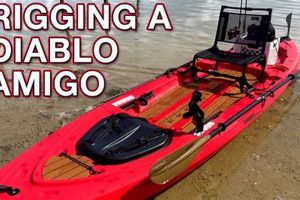
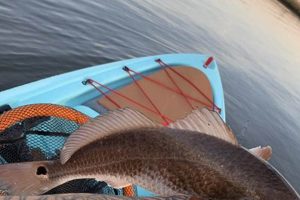
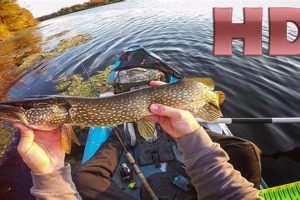
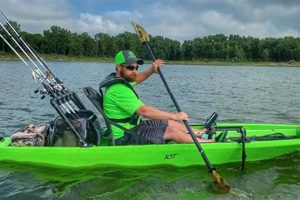
The pursuit of finned quarry from small, human-powered vessels offers a unique blend of angling and watersports within Southern California’s diverse marine environments. This activity allows anglers to access shallow-water habitats and explore areas often inaccessible to larger boats, providing a close-to-nature experience.
This style of fishing offers advantages like affordability, maneuverability, and a minimal environmental footprint. Historically, small boats have played a role in fishing cultures worldwide, and the modern adaptation using specialized kayaks builds on this tradition, reflecting a growing interest in sustainable and personalized outdoor recreation. The calm waters of bays and inlets, as well as the more challenging nearshore ocean environment, provide ample opportunities for a variety of target species.
Further exploration will cover key aspects of this popular pursuit, including suitable locations, essential equipment, target species, safety considerations, and responsible angling practices within Southern California.
Tips for Southern California Kayak Angling
Successful and enjoyable kayak fishing in Southern California requires careful planning and preparation. The following tips offer guidance for maximizing the experience.
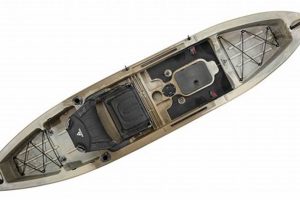
Tip 1: Choose the Right Kayak: Selecting a kayak designed for fishing provides stability, storage, and features like rod holders. Sit-on-top kayaks are preferred for their self-bailing design and ease of re-entry in case of capsize.
Tip 2: Understand Local Regulations: A valid California fishing license and adherence to size and catch limits for targeted species are essential. Awareness of marine protected areas is also crucial.
Tip 3: Prioritize Safety: Wearing a personal flotation device (PFD) is paramount. Carrying a VHF radio, signaling devices, and a first-aid kit enhances safety. Checking weather forecasts and sea conditions before departure is crucial.
Tip 4: Plan Your Trip: Researching potential fishing locations, launch points, and prevailing currents helps maximize fishing time. Informing someone of your planned route and estimated return time is recommended.
Tip 5: Pack Essential Gear: Appropriate tackle, including rods, reels, lines, and lures suited for target species, is necessary. Tools like pliers, knives, and a fish gripper are also recommended. Bringing sufficient water, sun protection, and appropriate clothing for changing conditions is essential.
Tip 6: Practice Proper Kayak Handling: Learning basic paddling strokes and maneuvering techniques improves efficiency and control on the water. Practicing self-rescue techniques before venturing out increases confidence and safety.
Tip 7: Respect the Environment: Practicing catch-and-release whenever possible helps conserve fish populations. Properly disposing of fishing line and other waste minimizes environmental impact.
By following these tips, anglers can increase their chances of a successful and rewarding experience on the water while contributing to the preservation of Southern California’s marine ecosystems.
This foundational knowledge prepares anglers for a deeper dive into specific techniques and locations for Southern California kayak fishing.
1. Kayak Selection

Appropriate kayak selection is paramount for successful kayak fishing in Southern California. The chosen vessel directly impacts stability, maneuverability, and access to diverse fishing grounds, influencing both angler safety and fishing success. Careful consideration of various kayak types and features is essential for optimizing the Southern California fishing experience.
- Hull Design:
Hull design significantly influences kayak performance. Sit-on-top kayaks are favored for their stability, self-bailing capacity, and ease of re-entry after a water landing. Their open design allows for easier casting and fish landing. Sit-in kayaks, while offering better protection from the elements and greater speed, can be less stable and more challenging to recover from a capsize, making them less suitable for the often-variable conditions encountered in Southern California’s coastal waters.
- Length and Width:
Kayak dimensions impact both speed and stability. Longer kayaks track better and cover distance more efficiently, suitable for traversing larger bodies of water or paddling against currents. Wider kayaks offer increased stability, essential in choppy conditions or when battling larger fish, though they sacrifice some speed. Southern California anglers often prioritize stability, especially in nearshore ocean environments.
- Features and Accessories:
Specialized features enhance the fishing experience. Rod holders, anchor trolleys, and integrated fish finders improve angling efficiency. Storage compartments accommodate tackle, safety equipment, and personal belongings. Features like rudder systems enhance maneuverability, particularly in windy or current-prone areas, which are common in Southern California.
- Propulsion Systems:
Paddle propulsion remains the most common method for kayak fishing, providing a quiet and environmentally friendly approach beneficial for stealthy angling. Pedal-driven kayaks offer hands-free fishing and increased speed, advantageous when covering larger distances or fishing in areas with strong currents. Understanding the advantages and disadvantages of each propulsion system allows anglers to choose the most suitable option for their targeted species and preferred fishing locations.
The interplay between these facets significantly impacts fishing effectiveness and overall experience in Southern California’s diverse marine environments. Matching kayak characteristics to specific fishing locations, target species, and individual angler preferences maximizes both enjoyment and success on the water. Prioritizing stability, maneuverability, and purpose-built features ensures a safe and productive kayak fishing adventure in the unique conditions presented by Southern California’s coastal waters.
2. Location Scouting

Effective location scouting is fundamental to successful kayak fishing in Southern California. Identifying productive fishing grounds requires understanding the interplay between environmental factors, target species behavior, and accessibility considerations unique to kayak angling. Strategic location selection maximizes fishing opportunities and enhances the overall angling experience.
- Nearshore Structures:
Kelp forests, reefs, and rocky outcrops provide habitat and foraging grounds for a variety of fish species. These structures create ambush points and attract baitfish, drawing larger predatory fish. Kayaks offer unparalleled access to these nearshore environments, often inaccessible to larger vessels. La Jolla Cove, for example, boasts thriving kelp forests attractive to calico bass and yellowtail. Understanding how these structures influence fish behavior is crucial for effective location scouting.
- Bays and Estuaries:
Protected bays and estuaries offer calmer waters and diverse habitats for species like halibut, spotted bay bass, and various sharks and rays. These areas often feature shallow flats, channels, and eelgrass beds, providing feeding and nursery grounds for numerous fish. Newport Back Bay and Mission Bay exemplify productive estuary environments readily accessible by kayak. Scouting these locations involves identifying areas with favorable tidal flow and baitfish concentrations.
- Water Depth and Temperature:
Different species prefer specific water depths and temperatures. Utilizing nautical charts, depth finders, and online resources providing sea surface temperature data helps identify areas holding target species. For example, targeting yellowtail in the Channel Islands may require locating temperature breaks where warmer currents converge. Integrating this data into the scouting process improves the efficiency of finding productive fishing spots.
- Launch Points and Accessibility:
Considering launch point accessibility, parking availability, and potential limitations based on tides and currents is crucial for a seamless kayak fishing experience. Some locations require navigating stairs or traversing uneven terrain, impacting kayak transport. Researching launch sites like Dana Point Harbor or Coronado Ferry Landing beforehand ensures smooth entry and exit from the water.
Successful kayak fishing in Southern California relies heavily on meticulous location scouting. By understanding the influence of nearshore structures, the productivity of bays and estuaries, the role of water depth and temperature, and the practicalities of launch point accessibility, anglers can significantly increase their chances of a successful outing. Integrating these factors into the planning process contributes to a more rewarding and informed kayak fishing experience.
3. Targeted Species
The diverse marine ecosystem of Southern California offers kayak anglers a wide array of target species. Understanding the habitat preferences, feeding patterns, and seasonal availability of these species is crucial for successful angling. This knowledge informs tackle choices, fishing techniques, and location selection, directly impacting the effectiveness of kayak fishing excursions. The relationship between target species and location is particularly significant in this region, as specific species gravitate towards distinct coastal environments. For instance, kelp bass often inhabit rocky reefs and kelp forests, while halibut prefer sandy bottoms in bays and estuaries. Targeting calico bass near La Jolla’s kelp beds requires different techniques and tackle compared to pursuing barracuda in open water near Catalina Island. This understanding of species-specific habitats allows anglers to optimize their approach and maximize their chances of success.
Matching fishing techniques to target species is another critical aspect of kayak angling in Southern California. Calico bass often respond well to live bait or artificial lures presented near structure, requiring precise kayak positioning and controlled drifts. Conversely, pelagic species like yellowtail and tuna demand different techniques, often involving trolling or casting surface lures in open water. The choice of fishing gear also varies considerably depending on the target species. Heavier tackle is necessary for larger game fish like yellowtail, while lighter setups are suitable for smaller species like spotted bay bass. Recognizing these nuances and adapting accordingly enhances angling effectiveness. The seasonal availability of certain species further influences targeted approaches. White seabass migrations, for instance, create seasonal fishing opportunities, requiring specific knowledge of timing and location to capitalize on their presence.
Strategic targeting of specific species significantly enhances the overall kayak fishing experience in Southern California. By understanding the ecological roles, habitat preferences, and behavioral patterns of target species, anglers can tailor their approach and maximize their chances of success. This knowledge, combined with an understanding of local regulations and conservation practices, contributes to a more rewarding and responsible angling experience within the dynamic marine environment of Southern California. This informed approach ensures not only a productive fishing trip but also promotes the sustainable enjoyment of the region’s diverse fish populations.
4. Safety Procedures
Safety procedures are paramount in Southern California kayak fishing. The coastal environment presents inherent risks, demanding careful planning and preparation. Neglecting safety protocols can lead to serious consequences, jeopardizing angler well-being and potentially impacting rescue personnel. Understanding and implementing appropriate safety measures ensures a responsible and enjoyable experience.
- Personal Flotation Devices (PFDs):
Wearing a properly fitted PFD is non-negotiable. A PFD provides essential buoyancy in the event of capsize, increasing survival chances in cold water or challenging conditions. Inflatable PFDs offer comfort and freedom of movement, while inherently buoyant PFDs provide immediate flotation. Selecting a PFD approved by the U.S. Coast Guard and ensuring proper fit are critical.
- Communication Equipment:
Carrying a VHF radio allows direct communication with the Coast Guard and other vessels in case of emergencies or unforeseen circumstances. Cell phones, while useful, may have limited range or reliability in offshore areas. A waterproof pouch protects communication devices from saltwater damage. Knowledge of proper radio protocols enhances communication effectiveness.
- Navigation and Awareness:
Carrying a nautical chart, compass, or GPS device aids navigation, especially in fog or reduced visibility. Awareness of local weather conditions, tides, and currents is essential for safe navigation. Checking weather forecasts before embarking and monitoring conditions throughout the trip helps avoid hazardous situations. Understanding potential navigation hazards like reefs or shallow areas contributes to safe passage.
- Emergency Preparedness:
Carrying a signaling device like a whistle, flares, or a signal mirror aids in attracting attention in emergencies. A basic first-aid kit addresses minor injuries. Informing someone onshore of the planned fishing location and estimated return time enhances safety. Carrying extra food and water provides sustenance in case of delays or unforeseen circumstances.
Prioritizing safety procedures enhances the overall kayak fishing experience in Southern California. These measures not only mitigate risks but also foster a sense of preparedness and confidence on the water. Adherence to safety guidelines allows anglers to focus on the enjoyment of the sport while minimizing potential hazards in the dynamic coastal environment. Integrating these practices ensures a responsible and sustainable approach to kayak fishing in Southern California.
5. Legal Compliance

Legal compliance forms a critical foundation for responsible kayak fishing within Southern California. Adherence to regulations ensures the sustainability of fish populations, protects sensitive marine environments, and fosters a culture of respect for natural resources. Ignoring legal frameworks can lead to penalties, damage ecosystems, and diminish the overall angling experience. Understanding and complying with these regulations is essential for ethical and sustainable participation in this popular sport.
- Fishing Licenses and Permits:
Possessing a valid California fishing license is mandatory for anyone engaging in recreational fishing, including kayak angling. Specific permits may be required for certain species or fishing areas, such as taking lobster or fishing in marine protected areas. Licenses and permits can be obtained online or through authorized vendors. Failure to possess the necessary documentation can result in fines and legal repercussions. Compliance ensures the responsible management of fish stocks and supports conservation efforts.
- Size and Catch Limits:
Regulations dictate minimum sizes and maximum catch limits for various fish species. These limits aim to protect breeding populations and ensure sustainable fish stocks. Adhering to these regulations requires accurate identification of species and proper measurement of catches. Exceeding catch limits or retaining undersized fish can lead to penalties. Respecting these limits contributes to the long-term health of Southern California’s marine ecosystems.
- Marine Protected Areas (MPAs):
Southern California’s coastline features designated MPAs designed to conserve marine biodiversity and protect sensitive habitats. Regulations within MPAs vary, with some prohibiting all fishing activities while others allow limited take. Understanding MPA boundaries and specific regulations for each area is crucial. Fishing within restricted zones can result in substantial fines and legal action. Respecting MPA boundaries safeguards critical marine habitats and contributes to the overall health of the coastal ecosystem.
- Equipment Restrictions:
Specific regulations may govern fishing equipment and methods used in certain areas or for particular species. Restrictions might apply to the type of fishing gear, such as nets or traps, or the method of take, such as spearfishing. For example, using certain types of fishing gear in kelp forests might be restricted to protect this fragile habitat. Awareness and adherence to these regulations are essential for responsible angling practices and minimizing environmental impact.
Legal compliance is integral to sustainable and ethical kayak fishing in Southern California. By adhering to regulations regarding fishing licenses, size and catch limits, marine protected areas, and equipment restrictions, anglers contribute to the preservation of marine resources and the long-term health of the coastal environment. Understanding and complying with these legal frameworks ensures a responsible and rewarding kayak fishing experience for all.
Frequently Asked Questions
This section addresses common inquiries regarding kayak fishing in Southern California, providing concise and informative responses to facilitate a safe and rewarding experience.
Question 1: What essential safety equipment should one carry while kayak fishing in Southern California?
Essential safety equipment includes a properly fitted personal flotation device (PFD), a VHF radio, signaling devices (whistle, flares, mirror), a first-aid kit, navigation tools (chart, compass, GPS), and extra food and water. A leash connecting the paddle to the kayak is also recommended.
Question 2: Are there specific regulations concerning fishing licenses and catch limits?
A valid California fishing license is required. Specific catch limits and size restrictions apply to various species. Regulations are available online through the California Department of Fish and Wildlife website.
Question 3: What are the primary target species accessible to kayak anglers in Southern California?
Target species include calico bass, halibut, yellowtail, barracuda, white seabass (seasonally), and various species of rockfish. Specific locations and techniques are often tailored to the desired target species.
Question 4: What factors should one consider when selecting a kayak for fishing in this region?
Key considerations include stability, storage capacity, specialized features (rod holders, anchor trolley), and propulsion systems (paddle, pedal). Sit-on-top kayaks are generally preferred for their stability and self-bailing design.
Question 5: How does one locate productive fishing areas accessible by kayak?
Productive areas include kelp forests, reefs, rocky outcrops, bays, and estuaries. Nautical charts, depth finders, online resources, and local knowledge contribute to identifying promising fishing locations. Consider launch point accessibility and prevailing conditions.
Question 6: What environmental considerations are important for responsible kayak fishing?
Respecting marine protected areas, practicing catch-and-release whenever possible, properly disposing of fishing line and other waste, and minimizing disturbance to wildlife contribute to responsible environmental stewardship.
Understanding these fundamental aspects of kayak fishing in Southern California contributes significantly to both safety and angling success. Thorough preparation and adherence to ethical practices enhance the overall experience and ensure the sustainability of this popular recreational activity.
Further sections will explore advanced techniques and specific location recommendations for experienced anglers seeking to refine their skills in Southern California’s diverse fishing grounds.
Conclusion
This exploration has provided a comprehensive overview of kayak angling within Southern California’s coastal waters. Key aspects discussed include kayak selection, location scouting, targeted species, safety procedures, and legal compliance. Emphasis has been placed on the interconnectedness of these elements, highlighting their combined importance for a successful and responsible angling experience. Proper preparation and adherence to ethical practices are underscored as crucial factors for maximizing enjoyment while minimizing environmental impact.
Southern California offers a unique and dynamic environment for kayak fishing. Continued exploration of this pursuit requires ongoing learning, adaptation to changing conditions, and a commitment to responsible angling practices. The integration of knowledge, skill development, and respect for the marine environment ensures the sustainability and enjoyment of this rewarding recreational activity for future generations.