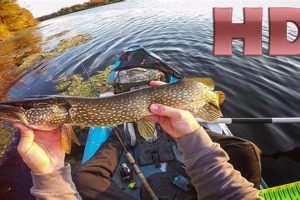
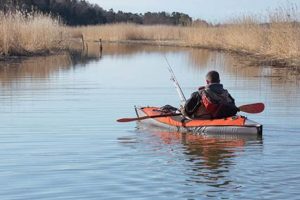
Customizing fishing kayaks through personal projects offers anglers the ability to tailor their vessels to specific needs and preferences. Examples include mounting rod holders, creating storage solutions, and installing fish finders. These modifications enhance the fishing experience by improving organization, accessibility, and overall functionality on the water.
Self-reliance in outfitting a fishing kayak provides several advantages. It allows for cost savings compared to purchasing pre-made accessories. Furthermore, personalized modifications ensure a perfect fit for individual fishing styles and target species. Historically, anglers have always adapted their watercraft, and the modern trend of do-it-yourself projects reflects this ongoing tradition of innovation and resourcefulness. This empowers anglers to create truly unique and effective fishing platforms.
This article will delve into various practical and innovative projects for enhancing fishing kayaks. Topics covered will include creating custom storage, installing electronics, and building out rigging systems, all designed to optimize the kayak fishing experience. Specific examples and step-by-step instructions will be provided to guide anglers through the process of transforming their kayaks into personalized fishing machines.
Tips for Kayak Fishing Enhancements
Careful planning and execution are crucial for successful kayak fishing modifications. The following tips offer guidance for various projects, ensuring functionality and durability.
Tip 1: Plan Storage Strategically. Before adding storage compartments, analyze fishing needs and available kayak space. Consider frequently accessed items and design solutions for efficient organization.
Tip 2: Prioritize Stability. Added weight can impact kayak stability. Distribute weight evenly and avoid top-heavy configurations. Test stability after modifications in calm water before venturing into challenging conditions.
Tip 3: Choose Marine-Grade Materials. Saltwater environments are corrosive. Select stainless steel hardware, marine-grade plywood, and UV-resistant plastics for longevity.
Tip 4: Secure Wiring Properly. Exposed wiring can be hazardous. Use marine-grade wiring, waterproof connectors, and secure pathways to prevent damage and ensure safety.
Tip 5: Research Installation Techniques. Before drilling into the kayak hull, thoroughly research proper sealing techniques to prevent leaks. Consult manufacturer guidelines when available.
Tip 6: Test and Refine. After completing modifications, conduct thorough on-water testing. Identify any necessary adjustments and refine designs for optimal performance.
Tip 7: Consider Comfort and Ergonomics. Adjustments impacting seating, paddle reach, and gear accessibility can improve comfort and reduce fatigue during long fishing trips.
By implementing these tips, anglers can create customized kayak setups that enhance fishing effectiveness and overall enjoyment on the water. Properly executed modifications improve functionality, safety, and long-term durability.
Through careful planning and attention to detail, anglers can transform their kayaks into personalized fishing platforms, perfectly tailored to their individual needs and preferences.
1. Rod Holders

Effective rod management is crucial for kayak anglers. Do-it-yourself rod holder solutions offer customization options tailored to individual fishing styles and kayak layouts. Properly positioned rod holders streamline lure changes, facilitate trolling, and prevent rod loss, enhancing both efficiency and safety.
- Flush Mount Rod Holders
These holders integrate seamlessly with the kayak’s deck, minimizing obstructions and maximizing space. Anglers often install flush mount holders behind the seat for easy access. This placement keeps rods within reach while paddling and casting, enhancing overall fishing ergonomics. Recessed designs minimize line snags and reduce the risk of rod damage during navigation through tight spaces.
- Adjustable Rod Holders
Adjustable rod holders offer flexibility in rod positioning, catering to various fishing techniques. These holders commonly employ a rotating and tilting mechanism. Anglers trolling for different species benefit from adjusting rod angles to accommodate varying lure depths and retrieve styles. The adaptability of adjustable holders proves valuable in diverse fishing scenarios.
- DIY Rail-Mounted Rod Holders
Kayaks equipped with accessory rails offer convenient mounting points for rod holders. DIY rail mounts provide cost-effective customization options. Anglers can strategically position rod holders along the rails to optimize rod placement for specific techniques, such as vertical jigging or fly fishing. This modular approach allows for easy adjustments and future modifications.
- Creative Rod Storage Solutions
Limited deck space often necessitates innovative rod storage solutions. DIY projects, such as PVC pipe holders or bungee cord systems, provide secure storage during transport or while targeting specific species. These custom solutions maximize available space and cater to individual needs, ensuring rods remain organized and protected.
By implementing well-designed rod holder solutions, anglers enhance their kayak fishing experience. Proper rod management improves efficiency, reduces clutter, and minimizes the risk of equipment loss. These DIY projects contribute to a more organized and enjoyable time on the water, ultimately increasing fishing success.
2. Storage Solutions

Effective storage is paramount in kayak fishing, directly impacting organization, efficiency, and safety. Limited space necessitates thoughtful planning and innovative do-it-yourself solutions. Proper storage prevents gear from shifting during movement, minimizing distractions and maximizing fishing time. Securely stowed equipment reduces the risk of entanglement and ensures essential items remain readily accessible in critical situations. Practical examples include crafting customized tackle boxes that fit specific compartments, utilizing bungee cords to secure gear to the deck, and creating storage solutions beneath seats for larger items like dry bags or tackle crates.
Kayak anglers carry a diverse range of equipment, from rods and reels to tackle boxes, safety gear, and personal items. A well-designed storage system accommodates this variety, separating items based on frequency of use and maintaining a balanced load distribution. Milk crates, readily available and easily modifiable, often serve as a foundation for DIY storage projects. Anglers customize these crates with dividers, rod holders, and attachment points, tailoring them to specific needs. Strategic placement of storage units maximizes available space while maintaining kayak stability and maneuverability. For instance, placing heavier items low and towards the center enhances stability, while frequently accessed items are positioned within easy reach.
Optimizing storage contributes significantly to a more organized and productive fishing experience. It minimizes clutter, reduces the risk of equipment loss, and enhances overall safety. Challenges often arise in balancing storage capacity with kayak stability and maneuverability. Addressing these challenges requires careful consideration of weight distribution, kayak design, and individual fishing styles. Successfully implemented storage solutions improve efficiency, allowing anglers to focus on fishing rather than managing gear. This directly translates to a more enjoyable and successful time on the water. By prioritizing effective storage, anglers can transform their kayaks into well-equipped and highly functional fishing platforms.
3. Anchor Systems

Effective anchoring is essential for kayak anglers seeking to maintain position in specific locations, particularly in currents or windy conditions. Do-it-yourself anchor systems provide cost-effective solutions tailored to individual needs and kayak configurations. A properly designed anchor system enhances fishing efficiency by preventing drift and allowing anglers to focus on targeted areas. The connection between anchor systems and kayak fishing DIY projects lies in the ability to customize anchoring solutions based on fishing style, kayak type, and target environment. For example, a simple anchor trolley system, easily constructed with readily available hardware, allows for controlled anchor deployment and retrieval from various points on the kayak, optimizing boat positioning in relation to wind or current. Another example involves creating a stake-out system using PVC pipe and readily available anchors, providing a lightweight and effective solution for shallow-water fishing.
Practical considerations in DIY anchor systems include anchor weight and type, anchor line material and length, and the method of deployment and retrieval. Choosing an appropriate anchor weight prevents excessive drag while ensuring sufficient holding power. Anchor line selection impacts ease of handling and durability. Deployment mechanisms, such as anchor trolleys or cleats, enhance control and efficiency. A poorly designed anchor system can create difficulties in deployment, retrieval, and secure holding, negatively impacting the fishing experience. Conversely, a well-designed system enhances control, improves fishing efficiency, and increases safety by maintaining stability in challenging conditions. For instance, an angler fishing in a river with a moderate current benefits from a heavier anchor and a longer anchor line compared to an angler fishing in a calm lake.
Successful integration of DIY anchor systems enhances the versatility and effectiveness of kayak fishing setups. Understanding the interplay between anchor weight, line length, deployment method, and environmental conditions empowers anglers to create customized solutions. This ultimately improves fishing precision and safety. Adapting anchor systems to specific fishing scenarios ensures optimal performance, contributing to a more controlled and productive experience on the water. Challenges may include limited storage space and the need to balance added weight with kayak stability. Addressing these challenges reinforces the importance of careful planning and material selection in DIY anchor system design.
4. Electronics Mounting

Integrating electronics significantly enhances kayak fishing capabilities. Do-it-yourself electronics mounting solutions offer anglers customized placement of fish finders, GPS units, and other devices, optimizing visibility and accessibility. Secure and functional mounting is crucial for accurate readings, efficient operation, and preventing damage to sensitive equipment. Cause and effect relationships exist between mounting choices and fishing outcomes. For instance, a poorly mounted transducer may provide inaccurate depth readings or sonar images, hindering fish identification and location. Conversely, a well-placed and securely mounted fish finder provides reliable data, improving angling success. A real-life example is an angler mounting a GPS unit within easy reach of the cockpit, enabling efficient navigation and waypoint marking without disrupting paddling rhythm. This practical application demonstrates the importance of integrating electronics thoughtfully into the kayak fishing setup. Secure mounting also protects expensive equipment from water damage and impacts, ensuring longevity and reliable performance.
Practical considerations for electronics mounting include cable management, power supply, and transducer placement. Proper cable routing prevents tangling and interference with other kayak equipment. Supplying consistent power to electronics requires appropriate battery choices and wiring solutions. Transducer placement significantly impacts sonar performance. For example, incorrect transducer positioning can create turbulence, resulting in inaccurate readings. Strategic placement, often near the hull’s bottom and away from obstructions, maximizes sonar effectiveness. Understanding the nuances of electronics integration empowers anglers to create highly functional and personalized fishing platforms. Furthermore, the ability to troubleshoot common issues, such as power fluctuations or connectivity problems, enhances self-sufficiency on the water.
Effective electronics mounting directly contributes to a more informed and successful kayak fishing experience. By prioritizing secure and functional mounting solutions, anglers optimize the performance of their electronic devices, improving navigation, fish finding, and overall situational awareness. Challenges may include limited mounting space, cable routing complexities, and ensuring compatibility between different electronic components. Addressing these challenges requires careful planning, research, and attention to detail. Successfully integrating electronics transforms the kayak into a technologically advanced and highly effective fishing platform, empowering anglers with valuable data and enhanced control over their fishing environment.
5. Comfort Enhancements
Comfort directly impacts endurance and focus during extended kayak fishing trips. Do-it-yourself modifications offer anglers opportunities to personalize their kayaks for optimal comfort, enhancing overall fishing effectiveness. Cause and effect relationships exist between comfort levels and fishing success. Discomfort can lead to fatigue, reduced concentration, and a shortened fishing trip. Conversely, a comfortable and supportive setup allows for longer hours on the water, increased focus on fishing, and a more enjoyable experience. The importance of comfort enhancements as a component of kayak fishing DIY projects lies in the ability to tailor the kayak to individual physical needs and preferences. A real-life example is an angler adding custom padding to the seat and backrest, alleviating pressure points and improving posture. This directly translates to increased comfort and reduced fatigue during long fishing sessions.
Practical applications of comfort enhancements extend beyond basic seating modifications. Footrests, adjustable backrests, and thigh braces contribute to stability and proper paddling posture. These modifications reduce strain on joints and muscles, enhancing endurance and comfort. Customizing the kayak’s layout to optimize gear accessibility further contributes to efficiency and reduces unnecessary movement, conserving energy and improving fishing focus. For instance, strategically placed rod holders, tackle storage, and electronics mounts minimize reaching and bending, allowing anglers to maintain a comfortable and efficient fishing posture. This practical approach highlights the interconnectedness between comfort and functionality in kayak fishing DIY projects.
Prioritizing comfort significantly enhances the overall kayak fishing experience. Addressing individual comfort needs allows anglers to maximize time on the water, maintain focus, and enjoy the sport to its fullest. Challenges may include balancing comfort modifications with kayak stability, weight capacity, and available space. Addressing these challenges reinforces the importance of careful planning and material selection. Successfully implemented comfort enhancements contribute to a more enjoyable, productive, and ultimately, more successful fishing experience. By understanding the relationship between comfort and performance, anglers can transform their kayaks into personalized and highly effective fishing platforms.
6. Safety Rigging

Safety rigging represents a critical aspect of kayak fishing DIY projects, directly influencing angler well-being and preparedness for unforeseen circumstances. A strong cause-and-effect relationship exists between comprehensive safety measures and the ability to mitigate risks inherent in the kayak fishing environment. Integrating safety rigging demonstrates a proactive approach to risk management, enhancing self-sufficiency and preparedness on the water. Real-life examples underscore this connection. An angler installing a self-rescue system, such as a paddle float and re-entry sling, gains the ability to recover from a capsize independently. Similarly, incorporating a VHF radio with emergency channels provides a crucial communication link in distress situations. These practical examples highlight the importance of safety rigging as an integral component of kayak fishing DIY endeavors.
Practical applications of DIY safety rigging extend to various areas, including visibility enhancements, floatation devices, and emergency signaling. High-visibility flags and reflective tape improve kayak visibility to other boaters, reducing collision risks, particularly in low-light conditions. Securing gear with leashes prevents loss in the event of a capsize. Bilge pumps and float bags provide additional buoyancy and assist in recovery from swamping. Understanding the function and application of each safety component allows anglers to tailor safety rigging to specific environments and fishing styles. For instance, anglers fishing offshore or in challenging conditions might prioritize a more comprehensive safety setup compared to those fishing in calm, protected waters. This adaptable approach underscores the practical significance of integrating safety considerations into kayak fishing modifications.
Prioritizing safety rigging contributes significantly to a more secure and responsible kayak fishing experience. Addressing potential hazards through DIY safety enhancements empowers anglers to mitigate risks and respond effectively to emergencies. Challenges may include balancing safety equipment with available storage space and maintaining kayak stability. Careful planning and selection of lightweight, compact safety gear address these challenges. Successfully implemented safety rigging instills confidence and enhances peace of mind, allowing anglers to focus on fishing while remaining prepared for unforeseen situations. Integrating safety as a core principle of kayak fishing DIY projects ultimately fosters a safer and more enjoyable experience on the water.
Frequently Asked Questions
This section addresses common inquiries regarding do-it-yourself modifications for fishing kayaks.
Question 1: What are the most important safety considerations for kayak fishing modifications?
Stability is paramount. Added weight should be distributed evenly to avoid compromising the kayak’s balance. Thorough testing in calm water after modifications is crucial before venturing into more challenging conditions. Furthermore, all modifications should adhere to manufacturer guidelines regarding hull integrity and weight capacity. Proper wiring and sealing techniques prevent leaks and electrical hazards. Finally, incorporating essential safety gear, such as a personal flotation device (PFD), a whistle, and a signaling device, remains paramount regardless of modifications.
Question 2: How can one determine the appropriate anchor weight for a fishing kayak?
Anchor weight selection depends on factors like kayak size, expected wind and current conditions, and fishing location. Heavier anchors provide greater holding power but increase overall weight and require more storage space. Lighter anchors suit calmer conditions and smaller kayaks. Researching anchor types and consulting experienced kayak anglers provides valuable guidance. Testing different anchor weights in varying conditions helps determine the optimal balance between holding power and manageable weight.
Question 3: What materials are best suited for DIY kayak modifications in saltwater environments?
Corrosion resistance is crucial in saltwater. Marine-grade stainless steel hardware, UV-resistant plastics, and treated lumber resist the harsh marine environment. Choosing appropriate materials ensures longevity and prevents premature deterioration of DIY projects. Researching material properties and consulting marine supply retailers ensures selection of suitable components for saltwater applications.
Question 4: How can one maximize storage space on a fishing kayak while maintaining stability?
Distributing weight evenly and keeping heavier items low in the kayak maintains stability. Utilizing available space beneath the seat and behind the backrest maximizes storage capacity. Custom-built storage compartments tailored to specific gear dimensions optimize space utilization. Prioritizing lightweight storage solutions further contributes to efficient space management without compromising stability.
Question 5: What are the key considerations for mounting electronics on a fishing kayak?
Secure mounting prevents damage to electronics in rough conditions. Placement should prioritize visibility and accessibility while minimizing interference with paddling. Proper cable management prevents tangles and ensures efficient operation. Waterproof connectors and marine-grade wiring protect against water damage. Considering power supply requirements and battery placement ensures reliable operation of electronics throughout the fishing trip.
Question 6: How can comfort be improved during long kayak fishing trips?
Ergonomic seating and backrests significantly enhance comfort. Adjustable footrests and thigh braces provide additional support and stability. Padding pressure points with foam or gel cushions alleviates discomfort. Optimizing gear placement for easy access minimizes strain and movement. Wearing appropriate clothing and sun protection further contributes to comfort during extended time on the water.
Careful planning and execution are essential for successful DIY kayak fishing modifications. Prioritizing safety, functionality, and durability ensures projects enhance the fishing experience. Further research and consultation with experienced kayak anglers provide valuable insights and guidance.
The subsequent section will provide detailed instructions and examples of specific DIY kayak fishing projects.
Conclusion
Customizing fishing kayaks through do-it-yourself projects offers significant advantages, from cost savings and personalized setups to increased functionality and on-the-water efficiency. Strategic implementation of rod holders, storage solutions, anchor systems, electronics mounts, comfort enhancements, and safety rigging transforms standard kayaks into highly effective fishing platforms. Careful planning, material selection, and proper installation techniques ensure modifications enhance both performance and safety.
Exploration of kayak fishing DIY ideas empowers anglers to create personalized watercraft tailored to individual needs and fishing styles. The ability to adapt and modify kayaks unlocks greater potential on the water, fostering a deeper connection between angler and environment. Continuous innovation in kayak fishing customization promises further advancements in efficiency, comfort, and safety, enriching the angling experience for years to come.