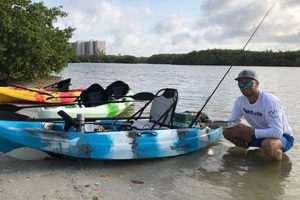
A tandem kayak fishing educational program offers instruction and training in the specialized techniques required for anglers using two-person kayaks. This can include launching and landing, paddling as a team, managing fishing gear from a shared vessel, and specific safety procedures for tandem kayaking. An example would be a course covering proper weight distribution and synchronized paddling in a two-person fishing kayak.
Such programs provide valuable skills for safe and successful fishing expeditions in tandem kayaks. They promote teamwork, enhance angling proficiency from a shared platform, and emphasize safety considerations unique to this type of watercraft. Historically, kayak fishing has evolved from a solitary activity to encompass various specialized forms, including tandem kayak fishing, necessitating dedicated training programs. The increasing popularity of this activity underscores the demand for structured learning opportunities.
This article will delve deeper into the specific aspects of tandem kayak fishing instruction, covering topics such as kayak selection, essential gear, effective communication strategies between paired anglers, and advanced fishing techniques optimized for two-person kayaks.
Tandem Kayak Fishing Tips
Effective tandem kayak fishing requires coordination and specific techniques. The following tips enhance safety and improve fishing success.
Tip 1: Establish Clear Communication: Before launching, partners should establish clear communication protocols for maneuvering, fishing, and emergency situations. Non-verbal cues can also be helpful in noisy environments.
Tip 2: Coordinate Paddling: Synchronized paddling is crucial for efficient movement and maintaining directional control. Practice paddling together to develop a smooth, coordinated rhythm.
Tip 3: Distribute Weight Evenly: Proper weight distribution is essential for stability. Gear should be evenly distributed throughout the kayak, considering the combined weight of the anglers and equipment.
Tip 4: Designate Roles: Assigning roles, such as navigator and angler, can streamline fishing efforts. The navigator focuses on maneuvering the kayak, while the angler focuses on casting and retrieving.
Tip 5: Practice Casting Techniques: Casting from a tandem kayak requires awareness of one’s partner and surroundings. Practicing casting techniques minimizes tangles and potential accidents.
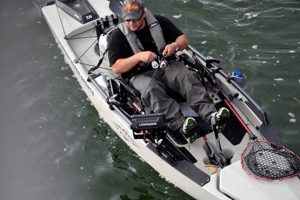
Tip 6: Choose Appropriate Gear: Rod holders, anchor systems, and other specialized gear designed for tandem kayaks can significantly enhance fishing efficiency and comfort.
Tip 7: Prioritize Safety: Wearing personal flotation devices and carrying essential safety equipment, including a whistle and first-aid kit, are crucial for safe tandem kayak fishing.
By implementing these strategies, individuals can significantly improve their tandem kayak fishing experience, enhancing both safety and fishing success.
This information provides a solid foundation for successful tandem kayak fishing. Further exploration of specific techniques and advanced strategies can further enhance proficiency.
1. Tandem Kayak Control

Tandem kayak control forms a cornerstone of any reputable two-person fishing kayak educational program. Proficiency in maneuvering a two-person vessel is essential for efficient fishing and, crucially, for safety on the water. A lack of control can lead to difficulties in navigating currents, wind, and waves, increasing the risk of capsizing or collisions. Furthermore, precise boat control allows anglers to position themselves strategically for optimal casting and fish retrieval, maximizing fishing success. For example, effectively maneuvering a tandem kayak enables anglers to hold position near structure or cover where fish are likely to congregate. Conversely, poor control can lead to drifting away from promising fishing spots or even hazardous situations near obstacles.
A comprehensive training program addresses various aspects of tandem kayak control. These include coordinated paddling techniques, efficient turning strategies, and maintaining stability in challenging conditions. Instruction typically covers both forward and reverse paddling, sweep strokes for turning, and draw strokes for lateral movement. Furthermore, understanding how weight distribution affects stability and maneuverability is crucial. Practical exercises, such as navigating designated courses or performing simulated rescues, reinforce these skills. For instance, students might practice navigating through a slalom course of buoys, demonstrating controlled turns and precise maneuvering.
Mastery of tandem kayak control empowers anglers to navigate safely and effectively, maximizing their fishing potential. This proficiency translates directly to increased confidence and enjoyment on the water. Challenges such as strong winds or complex currents become manageable, allowing anglers to focus on the fishing experience rather than struggling with the kayak. This skill set is fundamental for responsible and successful tandem kayak fishing, highlighting the importance of robust training within a dedicated educational setting.
2. Fishing Techniques

Effective fishing techniques are integral to a successful two-person kayak fishing experience. A dedicated academy provides instruction in specialized methods adapted for the unique challenges and opportunities presented by tandem kayak fishing. These techniques maximize catch rates while promoting teamwork and efficient use of the shared platform.
- Casting and Retrieval Coordination:
Casting and retrieving lines from a tandem kayak requires careful coordination to avoid tangling lines and interfering with one’s partner. An academy teaches specific casting techniques suitable for the confined space and the need to manage lines effectively. For example, one angler might use a sidearm cast while the other employs an overhead cast to avoid interference. Proper retrieval timing and techniques further minimize tangles and maximize fishing efficiency.
- Trolling Techniques:
Trolling from a tandem kayak offers unique advantages, allowing for coverage of a wider area. Academies teach specific trolling techniques, such as adjusting lure depths and speeds to target different fish species. Varying lure types and presentations between the two anglers can also increase the chances of attracting fish. This collaborative approach to trolling enhances the overall fishing experience.
- Fish Handling and Landing in a Shared Space:
Landing a fish in a tandem kayak requires careful coordination and specific techniques to ensure the safety of both anglers and the fish. An academy teaches appropriate netting and handling techniques for a shared space, minimizing the risk of capsizing or injury. Proper handling also promotes catch-and-release practices, ensuring fish populations remain healthy.
- Strategic Positioning and Kayak Control for Fishing Success:
Utilizing the tandem kayak’s maneuverability to maintain optimal fishing positions is crucial. Academies teach techniques for leveraging the kayak’s design to approach fishing areas stealthily and maintain position against currents or wind. For instance, using drift socks or anchoring strategically can significantly improve fishing success, particularly in challenging conditions. This strategic approach maximizes the advantages offered by a two-person kayak.
These specialized fishing techniques, taught within the structured environment of a two-person fishing kayak academy, significantly enhance angling success and overall enjoyment. They emphasize teamwork, efficient use of the shared platform, and responsible fishing practices. Mastery of these techniques transforms a casual outing into a productive and rewarding fishing experience.
3. Safety Procedures
Safety procedures are paramount within a two-person fishing kayak academy. They form the foundation upon which all other skills and techniques are built. A comprehensive understanding of safety protocols is crucial for mitigating risks inherent in the activity and ensuring enjoyable, incident-free outings. Neglecting these procedures can lead to accidents, injuries, or even fatalities. A well-structured academy emphasizes safety from the outset, instilling safe practices in all participants.
- Pre-Trip Planning and Preparation:
Thorough pre-trip planning is crucial. This includes checking weather forecasts, informing someone of the planned route and estimated return time, and understanding local regulations. Real-life examples include assessing wind speeds and directions to avoid challenging conditions, filing a float plan with a friend or family member, and researching permitted fishing areas. Within the academy context, pre-trip planning is often integrated into practical exercises and simulations.
- Essential Safety Equipment:
Carrying and knowing how to use essential safety equipment is non-negotiable. Personal flotation devices (PFDs) are mandatory, and academies typically require participants to wear them throughout training sessions. Other crucial equipment includes a whistle for signaling, a first-aid kit for minor injuries, and a bilge pump or bailer for managing water ingress. Academies often demonstrate the proper use of this equipment in simulated emergency scenarios.
- Capsize Recovery and Self-Rescue:
Capsize recovery and self-rescue techniques are essential skills taught within the academy. Participants learn how to right a capsized kayak and re-enter it safely, both individually and with the assistance of their partner. Practical exercises in controlled environments allow students to practice these techniques without the added stress of a real emergency. This training builds confidence and prepares participants for unexpected situations.
- Emergency Communication and Signaling:
Knowing how to communicate in an emergency is vital. Academies teach appropriate hand signals, whistle signals, and the use of VHF radios or other communication devices. Understanding how to attract attention and communicate distress effectively can be lifesaving. Simulating emergency scenarios provides practical experience in using these communication methods under pressure.
These facets of safety procedures are interwoven throughout the curriculum of a two-person fishing kayak academy. They underpin all other aspects of the training, ensuring participants can enjoy the activity safely and responsibly. By emphasizing safety from the outset and integrating practical exercises, the academy equips individuals with the knowledge and skills necessary to handle various situations, fostering confidence and preparedness on the water.
4. Equipment Selection

Appropriate equipment selection is fundamental to safe and successful tandem kayak fishing. A two-person fishing kayak academy provides comprehensive guidance on choosing and utilizing essential gear, ensuring participants are well-prepared for various on-the-water scenarios. Proper equipment enhances both safety and fishing effectiveness, while unsuitable choices can compromise both.
- Kayak Selection:
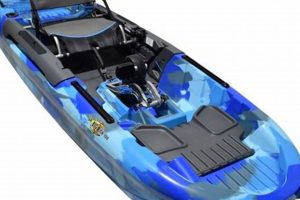
Choosing the right tandem kayak is paramount. Factors to consider include stability, weight capacity, storage space, and features specific to fishing, such as rod holders and anchor trolleys. A longer, wider kayak generally offers greater stability, while specialized fishing kayaks often include built-in features designed for anglers. Within the academy, different kayak types are often demonstrated and compared, allowing participants to understand the advantages and disadvantages of various designs. Selecting a kayak appropriate for the intended fishing environmentcalm lakes versus open ocean, for exampleis crucial.
- Paddles and Personal Flotation Devices (PFDs):
Paddle selection influences paddling efficiency and comfort. Correct paddle length and blade shape are crucial for effective propulsion. PFDs are essential safety items and should be chosen for comfort and proper fit. Academies typically provide guidance on selecting appropriately sized paddles and fitting PFDs correctly. Demonstrations often highlight the differences between various paddle types and PFD designs, allowing participants to make informed choices based on individual needs and preferences.
- Fishing Gear:
Rods, reels, lines, lures, and other fishing tackle should be selected based on the target fish species and fishing environment. Academies often provide recommendations for appropriate gear and demonstrate various rigging techniques. For example, lighter tackle might be recommended for smaller fish in freshwater environments, while heavier gear is necessary for larger saltwater species. Understanding how to select and use appropriate fishing gear maximizes fishing success and minimizes environmental impact.
- Safety and Navigation Equipment:
Essential safety equipment includes a whistle, first-aid kit, bilge pump, and communication devices such as a VHF radio. Navigation tools, like a compass or GPS unit, are also crucial, particularly in unfamiliar waters. The academy typically emphasizes the importance of carrying this equipment and provides training on its proper use. For example, participants might learn how to use a compass and map to navigate a designated course, or practice using a VHF radio to communicate in simulated emergency situations.
Understanding how to select and utilize appropriate equipment is essential for safe and productive tandem kayak fishing. The two-person fishing kayak academy plays a vital role in equipping participants with the knowledge and skills necessary to make informed decisions regarding equipment choices, leading to enhanced safety, improved fishing success, and a more enjoyable overall experience. This foundational knowledge allows individuals to adapt their equipment choices to specific fishing scenarios and environmental conditions, promoting both responsible angling and personal safety.
Proficient navigation is essential for safe and successful tandem kayak fishing expeditions. A two-person fishing kayak academy emphasizes navigational skills, equipping participants with the knowledge and techniques required to plan routes, maintain bearings, and respond effectively to changing conditions. These skills are crucial for avoiding hazards, maximizing fishing time, and ensuring a safe return.
- Chart Reading and Interpretation:
Understanding nautical charts and their symbols is fundamental for planning routes and identifying potential hazards. Charts depict water depths, navigational markers, and other crucial information. Interpreting this information correctly allows for informed decision-making regarding route selection and hazard avoidance. For example, recognizing shallow areas or submerged obstacles on a chart prevents grounding or damaging the kayak. Within the academy, chart reading exercises often involve planning routes on provided charts and interpreting navigational symbols relevant to the local area.
- Compass Use and Bearing Maintenance:
Compass proficiency is vital for maintaining course, particularly in open water or conditions with limited visibility. A compass provides a consistent reference point, allowing kayakers to navigate accurately even in challenging environments. For instance, maintaining a compass bearing is crucial for navigating in fog or returning to a launch point after fishing. Academies typically provide instruction on compass use, including taking bearings, adjusting for magnetic declination, and compensating for kayak movement. Practical exercises, such as navigating a designated course using only a compass, reinforce these skills.
- GPS Technology and Electronic Charting:
Modern GPS technology and electronic charting systems offer powerful navigational tools. These systems provide precise location information, display electronic charts, and offer features like route planning and waypoint marking. While electronic systems enhance navigational capabilities, understanding basic navigational principles remains crucial in case of electronic failures. Academies often integrate GPS and electronic charting into their curriculum, teaching participants how to use these tools effectively while emphasizing the importance of traditional navigational skills as a backup.
- Environmental Awareness and Navigation:
Observing natural indicators, such as wind, currents, and tides, enhances navigational decision-making. Understanding how these factors influence kayak movement allows for adjustments in paddling technique and course heading. For instance, recognizing and compensating for tidal currents prevents being swept off course. Academies often incorporate environmental awareness into navigation training, emphasizing the importance of observing and interpreting natural cues. This integration of environmental awareness enhances overall navigational proficiency and promotes responsible interaction with the aquatic environment.
These interconnected navigational skills are fundamental to safe and successful tandem kayak fishing. A two-person fishing kayak academy cultivates these skills through a combination of classroom instruction, practical exercises, and on-the-water experience. The result is enhanced safety awareness, improved navigational proficiency, and a more confident and enjoyable experience on the water. By emphasizing both traditional and modern navigational techniques, the academy equips participants to navigate effectively in a range of conditions and environments, maximizing their fishing opportunities while prioritizing safety.
6. Communication Strategies

Effective communication is crucial for successful and safe tandem kayak fishing. A two-person fishing kayak academy recognizes this importance and integrates communication strategies into its curriculum. Clear and efficient communication between kayak partners enhances coordination, improves fishing success, and contributes significantly to overall safety. A lack of effective communication can lead to misunderstandings, inefficient fishing practices, and potentially dangerous situations. Therefore, a dedicated academy emphasizes the development of strong communication skills as a core component of its training program.
- Verbal Communication:
Clear verbal communication is essential for coordinating paddling strokes, discussing fishing strategies, and alerting one another to potential hazards. Examples include calling out paddling commands, discussing lure choices, or warning of an approaching boat. Within the academy setting, verbal communication skills are practiced through drills and simulated fishing scenarios. Clear and concise communication minimizes confusion and maximizes efficiency.
- Nonverbal Communication:
Nonverbal cues, such as hand signals and head nods, provide a quick and efficient way to communicate, particularly in noisy environments or when verbal communication is difficult. Hand signals can indicate turning intentions, while a head nod can confirm understanding. Academies often teach a standardized set of non-verbal signals specific to tandem kayaking, promoting clear communication even amidst splashing water or wind noise.
- Pre-Trip Planning and Discussion:
Open communication before embarking on a fishing trip is essential. Discussing the intended route, fishing locations, and emergency procedures ensures both partners are on the same page. Agreeing on target species, lure choices, and fishing techniques beforehand streamlines the fishing experience. Within the academy, pre-trip planning is often incorporated into training exercises, emphasizing its importance in real-world scenarios.
- Emergency Communication Protocols:
Establishing clear emergency communication protocols is vital for handling unexpected situations. Knowing how to signal for help, communicate with rescue personnel, or alert one another to a capsize situation can be lifesaving. Academies often simulate emergency scenarios, allowing participants to practice these protocols under pressure. This practice builds confidence and prepares individuals to respond effectively in real emergencies.
These communication strategies, emphasized within the context of a two-person fishing kayak academy, are fundamental for a positive and safe experience. They foster teamwork, enhance fishing success, and contribute significantly to safe navigation and emergency preparedness. The academy provides the structure and training necessary to develop these skills, empowering individuals to communicate effectively and enjoy the benefits of a well-coordinated tandem kayak fishing adventure. This emphasis on communication underscores the academy’s commitment to both safety and successful angling.
7. Environmental Awareness

Environmental awareness is an integral component of responsible tandem kayak fishing and a key element within a two-person fishing kayak academy’s curriculum. It fosters a deep understanding of the delicate aquatic ecosystems and promotes sustainable practices that minimize environmental impact. This awareness translates directly into responsible angling behavior, ensuring the preservation of these environments for future generations. Neglecting environmental considerations can lead to habitat degradation, pollution, and disruption of aquatic life, ultimately impacting the very resources that support the sport.
- Leave No Trace Principles:
Leave No Trace principles provide a framework for minimizing human impact on natural environments. These principles encompass packing out all trash, minimizing campfire impacts if applicable, staying on designated trails or waterways, respecting wildlife, and leaving natural and cultural artifacts undisturbed. In the context of tandem kayak fishing, this translates to retrieving lost fishing gear, properly disposing of fishing line, avoiding disturbing nesting birds, and respecting sensitive shoreline vegetation. Academies often integrate Leave No Trace principles into practical exercises, emphasizing their importance in real-world scenarios.
- Fish Handling and Catch-and-Release Practices:
Proper fish handling techniques minimize stress on caught fish, increasing their chances of survival upon release. Using appropriate landing nets, wet hands, and minimizing air exposure contribute to responsible catch-and-release practices. Academies typically demonstrate these techniques and emphasize the importance of respecting fish populations. Understanding the vulnerability of certain species and adhering to size and catch limits further contributes to sustainable fishing practices. These practices ensure the long-term health and viability of fish populations.
- Water Quality and Pollution Awareness:
Understanding the impact of pollution on aquatic ecosystems is crucial. Avoiding the use of harmful chemicals, properly disposing of waste, and minimizing fuel spills contribute to maintaining water quality. Academies often address water quality issues within their curriculum, highlighting the interconnectedness of aquatic ecosystems and the importance of responsible human behavior. Recognizing the potential impact of sunscreen chemicals, for example, and opting for environmentally friendly alternatives demonstrates informed environmental stewardship. This awareness promotes proactive behavior that protects water resources.
- Habitat Conservation and Restoration:
Protecting and restoring fish habitats is essential for maintaining healthy fish populations. Avoiding anchoring in sensitive areas, participating in habitat restoration projects, and advocating for conservation initiatives contribute to preserving these vital ecosystems. Academies sometimes partner with local conservation organizations, providing opportunities for participants to engage in habitat restoration activities. Understanding the importance of riparian zones, for example, and avoiding their disruption during fishing activities demonstrates a commitment to habitat preservation. This active involvement reinforces the connection between responsible angling and environmental stewardship.
These facets of environmental awareness are interwoven throughout a responsible two-person fishing kayak academy’s teachings. They cultivate a sense of stewardship among participants, empowering them to minimize their impact and contribute to the long-term health of aquatic ecosystems. By integrating environmental awareness into its core curriculum, the academy fosters a generation of anglers who not only enjoy the sport but also actively participate in its preservation. This holistic approach benefits both the environment and the future of kayak fishing.
Frequently Asked Questions
This FAQ section addresses common inquiries regarding tandem kayak fishing instruction.
Question 1: What are the typical prerequisites for enrolling in a tandem kayak fishing academy?
Prior kayaking experience is not always mandatory, but basic swimming proficiency is typically required. Some academies may offer introductory kayaking courses for beginners before progressing to fishing-specific instruction.
Question 2: How does the cost of a tandem kayak fishing academy compare to individual kayak fishing instruction?
Costs can vary depending on the academy, location, and program duration. Tandem kayak fishing instruction may sometimes be slightly more expensive due to the specialized equipment and instruction involved, but economies of scale can also apply when sharing the cost between partners.
Question 3: What type of equipment is typically provided by the academy, and what equipment should participants bring themselves?
Academies typically provide tandem kayaks, paddles, and essential safety gear like PFDs. Participants may be required to bring appropriate clothing, fishing gear, and personal items like sunscreen and water bottles. Specific equipment requirements are usually outlined by the academy prior to the course.
Question 4: How long does a typical tandem kayak fishing course last, and what is the typical structure of a training session?
Course duration varies, ranging from single-day workshops to multi-day programs. Training sessions usually combine classroom instruction, on-water practical exercises, and simulated fishing scenarios. The balance between these elements depends on the specific academy and the course objectives.
Question 5: What are the key advantages of learning tandem kayak fishing through a structured academy program compared to self-teaching or learning from a friend?
Structured programs offer expert instruction, standardized safety protocols, and a comprehensive curriculum. Academies emphasize proper techniques, safe practices, and environmental awareness, often exceeding the knowledge base of casual anglers. This structured approach minimizes the risk of developing bad habits or overlooking critical safety considerations.
Question 6: Are there certifications or qualifications offered upon completion of a tandem kayak fishing academy?
Some academies may offer certifications or endorsements upon successful completion of their programs. These can provide documented proof of acquired skills and knowledge, potentially enhancing credibility among fellow anglers or even for certain guided fishing ventures. However, the value and recognition of such certifications can vary depending on the issuing academy and local regulations.
This FAQ section provides a general overview. Contacting individual academies directly is recommended for specific information regarding their programs and offerings.
Further sections of this article will delve into specific academy recommendations and resources for those interested in pursuing tandem kayak fishing instruction.
Conclusion
Tandem kayak fishing academies offer structured curriculums covering essential aspects of this specialized activity. These programs emphasize coordinated paddling, fishing techniques adapted for two-person kayaks, and crucial safety procedures. Proper equipment selection, navigational skills, and effective communication strategies are also highlighted. Furthermore, responsible environmental stewardship forms an integral part of these comprehensive training programs. This multifaceted approach equips participants with the necessary knowledge and skills for safe, successful, and environmentally conscious tandem kayak fishing experiences.
The growing popularity of tandem kayak fishing underscores the importance of these dedicated academies. They provide a valuable resource for individuals seeking to enhance their skills, prioritize safety, and contribute to the preservation of aquatic ecosystems. As tandem kayak fishing continues to evolve, these academies play a crucial role in fostering responsible angling practices and ensuring the enjoyment of this activity for future generations. Continued development and refinement of instructional programs will further enhance safety, promote sustainable practices, and elevate the overall tandem kayak fishing experience.