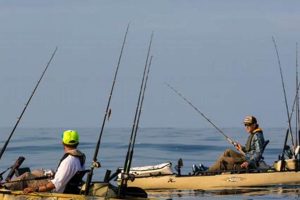
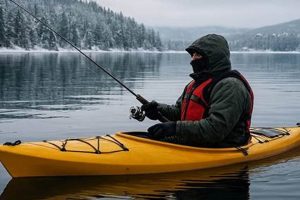
This phrase refers to the practice of fishing from a kayak in areas inhabited by manatees. It highlights the potential intersection of recreational fishing and the presence of these large aquatic mammals. Consider an angler paddling a small, maneuverable vessel in shallow coastal waters, casting a line while navigating areas known to be frequented by these gentle giants. This scenario illustrates the core concept: the convergence of human activity and a unique wildlife population.
Understanding the implications of this activity is crucial for both anglers and the well-being of manatees. Responsible practices ensure minimal disturbance to these vulnerable creatures and their habitat. Historically, increased human presence in coastal areas has posed challenges to manatee populations. Therefore, sustainable approaches to fishing in these environments are paramount. Safeguarding these animals while allowing recreational activities requires careful consideration and informed decision-making by all stakeholders.
This topic naturally leads to discussions regarding responsible kayaking practices, manatee conservation efforts, and the importance of balancing recreational activities with environmental protection. Further exploration of these areas will provide a comprehensive understanding of the interplay between human actions and the delicate ecosystems these animals inhabit.
Tips for Kayaking in Manatee Habitats
Navigating waters shared by manatees requires careful consideration and responsible practices. The following tips promote safe and sustainable interaction, minimizing disturbance to these vulnerable creatures and their environment.
Tip 1: Paddle Slowly and Quietly: Reduce speed and avoid abrupt movements, minimizing noise and potential collisions. Slow, deliberate paddling allows manatees to detect and react to the kayak’s presence, reducing the risk of startling them.
Tip 2: Maintain a Safe Distance: Observe manatees from afar, respecting their space and minimizing disruption. A minimum distance allows these animals to continue their natural behaviors without feeling threatened.
Tip 3: Avoid Shallow Areas: Manatees often graze in shallow seagrass beds. Kayaking in deeper waters minimizes the risk of disturbing their feeding grounds and causing accidental harm.
Tip 4: Use Polarized Sunglasses: Polarized lenses reduce glare on the water’s surface, improving visibility and allowing better spotting of manatees, submerged objects, and potential hazards. This enhanced vision aids in navigation and safe maneuvering.
Tip 5: Be Aware of Manatee Signs: Look for signs of manatee presence, such as swirling water, snouts breaking the surface, or the distinctive “footprints” they leave on the seabed. Recognizing these cues helps anticipate their location and adjust kayaking behavior accordingly.
Tip 6: Never Attempt to Touch or Feed Manatees: Human interaction can alter natural behaviors and potentially transmit diseases. Observation from a respectful distance is crucial for their continued well-being.
Tip 7: Adhere to Local Regulations: Familiarize oneself with specific rules and guidelines pertaining to manatee areas. These regulations are designed to protect both the animals and their environment.
By adhering to these guidelines, kayakers can minimize their impact and contribute to the long-term health of manatee populations. Responsible practices ensure the continued enjoyment of these unique natural environments for both humans and wildlife.
These practical tips provide a framework for harmonious co-existence. Understanding these key points underscores the importance of mindful interaction with the natural world.
1. Respectful Distance

Maintaining a respectful distance is paramount when kayaking in manatee habitats. This practice minimizes disturbance to these sensitive marine mammals and allows for observation without interfering with their natural behaviors. Understanding the implications of proximity and implementing appropriate distancing strategies are crucial for responsible interaction.
- Minimizing Disturbance:
Manatees are easily stressed by close human presence. Maintaining a respectful distance reduces the likelihood of startling them, disrupting feeding patterns, or interfering with social interactions. For instance, a kayak approaching too closely might cause a mother manatee and her calf to separate, potentially impacting the calf’s development. Quiet observation from afar allows these animals to continue their activities undisturbed.
- Preventing Collisions:
Kayaks, though relatively small, can pose a collision risk to slow-moving manatees, particularly in areas with limited visibility. Maintaining a safe distance reduces this risk significantly. Imagine a manatee surfacing to breathe directly in the path of an oncoming kayak a safe distance provides ample time for both the kayaker and the manatee to react and avoid a potentially harmful encounter.
- Facilitating Natural Behaviors:
Manatees exhibit a range of behaviors, including feeding, resting, and socializing. Close proximity to humans can disrupt these activities. For example, a group of kayakers surrounding a resting manatee might prevent it from surfacing to breathe or cause it to abandon a preferred resting area. Respectful distancing allows these animals to continue their natural behaviors unimpeded.
- Enhancing Observation Opportunities:
While maintaining a respectful distance, kayakers can still enjoy excellent observation opportunities. Using binoculars or zoom lenses can enhance viewing experiences without requiring close proximity. This approach allows for appreciation of manatee behavior in its natural context, providing a richer and more meaningful encounter.
By understanding and implementing the concept of respectful distance, kayakers contribute significantly to manatee conservation. This practice fosters a sustainable coexistence, allowing recreational activities while minimizing negative impacts on these vulnerable creatures and their environment. Respectful distancing underscores the importance of prioritizing the well-being of wildlife in shared habitats.
2. Slow Paddling

Slow paddling is a crucial practice in manatee habitats, directly impacting the safety and well-being of these marine mammals. It represents a core component of responsible kayaking in areas shared by these gentle giants. Reduced paddling speed minimizes disturbance and allows for better observation, contributing significantly to a sustainable coexistence.
- Reduced Noise Disturbance
Manatees rely heavily on sound for communication and navigation. Rapid paddling creates noise that can disrupt their natural behaviors and cause stress. Slower paddling minimizes noise pollution, allowing manatees to continue their activities undisturbed. For example, a quiet approach allows kayakers to observe a mother manatee nursing her calf without causing disruption.
- Decreased Collision Risk
Manatees are slow-moving and often surface to breathe unexpectedly. Fast-moving kayaks pose a significant collision risk. Slow paddling allows more time to react to a manatee’s presence, reducing the likelihood of accidental impact. Consider a scenario where a manatee surfaces directly in front of a kayak; slow paddling allows the kayaker to maneuver and avoid collision.
- Enhanced Observational Opportunities
Slow paddling allows for better observation of manatees and their environment. A slower pace provides more time to notice subtle cues like surfacing snouts or the circular patterns they create on the water’s surface. This enhanced awareness increases the likelihood of spotting manatees and appreciating their natural behaviors without disturbing them. Imagine drifting quietly through seagrass beds, observing a manatee grazing peacefully below.
- Improved Maneuverability in Shallow Waters
Manatees frequent shallow areas, making careful navigation essential. Slow, controlled paddling provides better maneuverability, allowing kayakers to avoid disturbing seagrass beds and minimizing the risk of grounding or unintentional contact with manatees. Consider navigating a narrow channel within a seagrass bed; slow paddling allows precise movements, preventing damage to the habitat and minimizing disturbance to manatees.
These facets of slow paddling underscore its importance within the broader context of manatee fishing kayak. By reducing noise and collision risks, enhancing observation opportunities, and improving maneuverability, slow paddling enables a harmonious balance between recreational activities and the preservation of these vulnerable creatures and their environment. This practice emphasizes the importance of thoughtful interaction with the natural world, ensuring minimal human impact and fostering a sustainable approach to enjoying shared ecosystems.
3. Quiet Approach
A quiet approach is fundamental to responsible kayaking in manatee habitats. Minimizing noise pollution is crucial for the well-being of these sensitive marine mammals, as it directly impacts their ability to navigate, communicate, and thrive in their natural environment. Understanding the implications of noise and implementing strategies for a quiet approach are essential for minimizing disturbance and fostering a sustainable coexistence.
- Minimizing Acoustic Disturbance
Manatees rely heavily on sound for communication and spatial awareness. Excessive noise from human activities can interfere with these essential functions, causing stress and disrupting natural behaviors. A quiet approach, achieved through slow, deliberate paddling and minimized boat noise, reduces acoustic disturbance, allowing manatees to continue their activities undisturbed. For instance, a quiet kayak passing at a distance allows a mother manatee and her calf to communicate without interference.
- Reducing Stress and Startle Responses
Loud noises can startle manatees, causing them to flee rapidly, potentially leading to injuries or disrupting important behaviors like feeding and resting. A quiet approach minimizes the risk of startling these animals, promoting a calmer environment and allowing them to remain relaxed. Consider a scenario where a loud motorboat suddenly approaches a resting manatee; the animal might react abruptly, potentially injuring itself in the process. A quiet kayak, however, allows the manatee to remain undisturbed.
- Improving Observation Opportunities
A quiet approach enhances observation opportunities by allowing closer proximity without causing disturbance. When kayaks approach silently, manatees are less likely to be aware of their presence, enabling kayakers to observe natural behaviors without interference. Imagine quietly drifting near a group of manatees as they socialize or feed, providing a unique glimpse into their underwater world.
- Respecting the Natural Soundscape
Manatee habitats possess unique natural soundscapes, essential to the ecological balance. Excessive noise from human activities can disrupt these soundscapes, impacting not only manatees but also other species that rely on acoustic cues. A quiet approach demonstrates respect for the natural environment, minimizing human impact and preserving the integrity of the ecosystem. Consider the subtle sounds of fish, crustaceans, and other marine life; a quiet approach allows these natural sounds to remain prominent, contributing to a healthy and vibrant environment.
These facets of a quiet approach underscore its crucial role in responsible “manatee fishing kayak” practices. By minimizing acoustic disturbance, reducing stress, improving observation opportunities, and respecting the natural soundscape, a quiet approach fosters a harmonious balance between human activities and the preservation of these gentle giants and their environment. This practice emphasizes the importance of mindful interaction with the natural world, contributing to a sustainable approach to enjoying shared ecosystems.
4. Shallow Water Avoidance

Shallow water avoidance is a critical aspect of responsible kayaking in manatee habitats. These areas often serve as essential feeding and resting grounds for manatees, making them particularly sensitive to disturbance. Minimizing kayak presence in shallows contributes significantly to manatee conservation efforts and promotes a sustainable coexistence between human recreation and wildlife preservation.
- Protecting Sensitive Habitats
Shallow seagrass beds are vital foraging areas for manatees. Kayak traffic in these areas can damage seagrass, disrupt feeding patterns, and degrade the overall habitat quality. Avoiding shallows allows these crucial feeding grounds to thrive, supporting healthy manatee populations. Imagine a kayak propeller churning through a seagrass bed, uprooting plants and disrupting the delicate ecosystem. By remaining in deeper water, kayakers preserve these vital habitats.
- Minimizing Disturbance to Resting Manatees
Manatees often seek refuge in shallow, calm waters for rest. Kayak presence in these areas can disrupt their rest, causing stress and potentially forcing them to relocate to less suitable areas. Respecting their need for undisturbed rest by avoiding shallows contributes to their overall well-being. Consider a manatee resting near the surface in shallow water; a passing kayak can easily disrupt its rest, forcing it to expend energy to move to a new location.
- Reducing the Risk of Collisions
Manatees frequently inhabit shallow waters, making them vulnerable to collisions with kayaks. Limited visibility in these areas increases the risk of accidental contact. Staying in deeper channels reduces the likelihood of encountering manatees and minimizes the potential for harmful interactions. Visualize a manatee surfacing to breathe in shallow, murky water; a kayak in the vicinity risks collision, potentially injuring both the animal and the kayaker.
- Promoting Responsible Recreation
Avoiding shallow water demonstrates a commitment to responsible recreation and respect for wildlife. By prioritizing manatee well-being and habitat preservation, kayakers contribute to a sustainable coexistence that allows for both human enjoyment and the protection of these vulnerable creatures. This mindful approach sets a positive example and encourages others to adopt similar practices, fostering a culture of environmental stewardship.
By adhering to shallow water avoidance practices, kayakers contribute significantly to the long-term health and survival of manatee populations. This practice underscores the importance of considering the ecological impact of recreational activities and adopting responsible behaviors that minimize human disturbance in sensitive environments. This awareness helps ensure that future generations can continue to appreciate these unique animals and the delicate ecosystems they inhabit.
5. Observational Awareness

Observational awareness plays a crucial role in responsible kayaking within manatee habitats. This heightened attentiveness allows kayakers to detect manatee presence, anticipate their movements, and adjust kayaking behavior accordingly, minimizing potential disturbance and promoting safe coexistence. The ability to interpret environmental cues and understand manatee behavior significantly enhances conservation efforts and ensures a sustainable balance between human recreation and wildlife protection. For example, recognizing the subtle swirl of water created by a submerged manatee allows a kayaker to adjust their course and avoid potential collision. Similarly, understanding that manatees often rest in shallow, calm waters encourages kayakers to navigate deeper channels, minimizing disturbance to resting animals.
Several key factors contribute to effective observational awareness. Firstly, knowledge of manatee behavior, including feeding patterns, resting habits, and communication methods, provides a framework for interpreting observed actions. Secondly, visual scanning of the water surface for signs of manatee presence, such as snouts, backs, or flippers breaking the surface, allows for early detection and proactive course adjustments. Thirdly, auditory attentiveness to sounds like splashing or breathing allows kayakers to detect manatees even when visibility is limited. Furthermore, recognizing environmental cues, such as the presence of seagrass beds or the distinctive “footprints” manatees leave on the seabed, can indicate areas where manatees are likely to be present. By integrating these elements, kayakers develop a comprehensive understanding of the environment and its inhabitants, promoting informed decision-making and responsible interaction.
The practical significance of observational awareness extends beyond individual encounters. Data gathered through careful observation contributes valuable information to broader manatee conservation efforts. Documenting sightings, noting behaviors, and reporting unusual occurrences provide researchers and conservationists with crucial data for population monitoring, habitat assessment, and management strategies. Challenges may include varying water conditions that affect visibility, the cryptic nature of manatees, and the need for continuous vigilance. However, by prioritizing observational awareness, kayakers become active participants in manatee conservation, contributing to the long-term well-being of these vulnerable creatures and the preservation of their fragile ecosystems. This mindful approach fosters a sustainable relationship between human recreation and the natural world, ensuring that shared environments remain vibrant and healthy for generations to come.
6. Habitat Protection

Habitat protection forms an integral component of responsible “manatee fishing kayak” practices. The degradation of manatee habitats directly impacts their survival and long-term viability. Kayak fishing within these environments necessitates a deep understanding of this connection and a commitment to minimizing human impact. Seagrass beds, crucial foraging areas for manatees, are particularly vulnerable to damage from kayaks. Propeller scars and grounding can disrupt seagrass growth, reducing food availability and impacting manatee populations. For instance, in areas with heavy kayak traffic, seagrass beds may exhibit signs of degradation, potentially forcing manatees to seek sustenance elsewhere, increasing their vulnerability to boat strikes and other threats.
The principle of habitat protection extends beyond direct physical impacts. Noise pollution from kayaks can disrupt manatee communication and resting behaviors. Shallow water disturbances can displace manatees from preferred resting areas and disrupt feeding patterns. Furthermore, improper disposal of fishing line and other debris can entangle manatees, causing injuries or even death. Consider a scenario where discarded fishing line becomes entangled around a manatee’s flipper, restricting movement and potentially leading to infection. This emphasizes the importance of responsible waste management and the direct link between human actions and habitat preservation. Supporting organizations dedicated to seagrass restoration and advocating for responsible boating practices are practical applications of this understanding.
Integrating habitat protection into “manatee fishing kayak” practices requires a multi-faceted approach. Minimizing kayak traffic in sensitive shallow areas, adhering to designated speed limits, and employing quiet paddling techniques minimize disturbance to manatees and their environment. Proper waste disposal prevents entanglement and pollution, maintaining habitat integrity. Supporting local conservation initiatives and promoting awareness among fellow kayakers amplify the positive impact. Challenges include balancing recreational access with habitat preservation and addressing the cumulative impacts of multiple users. However, recognizing the intrinsic link between habitat protection and the long-term sustainability of “manatee fishing kayak” ensures a balanced approach that benefits both human recreation and the delicate ecosystems these animals inhabit.
7. Regulation Adherence
Regulation adherence is fundamental to the responsible practice of “manatee fishing kayak.” Established regulations serve to protect both manatees and their sensitive habitats. These regulations often address speed limits, designated access areas, and permissible fishing practices. Ignoring these regulations can have significant negative consequences, both for manatee populations and for the individuals engaging in the activity. For instance, exceeding speed limits in manatee zones drastically increases the risk of collisions, resulting in injuries or fatalities for manatees and potentially for kayakers. Disregarding designated access areas can disturb critical manatee habitats, such as seagrass beds, and disrupt essential behaviors like feeding and resting.
The importance of regulation adherence extends beyond immediate impact. Consistent compliance contributes to the long-term health and viability of manatee populations and the preservation of their fragile ecosystems. Regulations are often developed based on scientific research and data analysis, reflecting best practices for minimizing human impact. Disregarding these regulations undermines conservation efforts and can lead to more restrictive measures in the future, potentially limiting recreational access. Consider the cumulative impact of multiple kayakers ignoring speed limits within a designated manatee zone. This collective disregard can significantly elevate the risk of collisions and stress for the entire manatee population in that area, potentially leading to displacement or even localized population decline.
Practical application of regulation adherence requires diligent preparation and responsible behavior. Prior to embarking on a “manatee fishing kayak” excursion, individuals should thoroughly research and understand all applicable regulations. This includes obtaining necessary permits, familiarizing oneself with speed limits and restricted areas, and adhering to established guidelines for fishing practices. On the water, vigilance and proactive adherence are essential. Maintaining appropriate speeds, respecting designated zones, and employing quiet paddling techniques demonstrate a commitment to responsible recreation and contribute to the preservation of these unique animals and their environment. While challenges may include a lack of awareness or intentional disregard for regulations, promoting education and fostering a culture of responsible kayaking are crucial steps toward ensuring the long-term sustainability of this activity and the protection of manatee populations.
Frequently Asked Questions
This FAQ section addresses common inquiries regarding kayaking and fishing in areas inhabited by manatees. Understanding these key points promotes responsible interaction and contributes to the conservation of these vulnerable marine mammals.
Question 1: How can one identify manatee habitats?
Manatee habitats typically include shallow, slow-moving coastal waters, rivers, estuaries, and saltwater bays. These areas often feature abundant seagrass beds, a primary food source for manatees. Signage indicating manatee presence is often posted in designated protection zones.
Question 2: What are the potential risks of kayaking too close to a manatee?
Kayaking too close can disrupt manatee behaviors, such as feeding and resting. Close proximity can also increase the risk of collisions, potentially causing injury to both manatees and kayakers. Disturbing mothers with calves can lead to separation, impacting calf development and survival. Repeated disturbances can cause chronic stress, negatively impacting manatee health.
Question 3: Are there specific regulations regarding fishing in manatee habitats?
Regulations vary by location and may include speed restrictions, no-entry zones, and specific fishing gear limitations. Consulting local authorities or wildlife agencies provides specific information regarding regulations in designated manatee protection areas.
Question 4: How does noise from kayaks affect manatees?
Manatees rely on sound for communication and navigation. Excessive noise from kayaks can disrupt these essential functions, causing stress and disorientation. Loud noises may also startle manatees, leading to abrupt movements and potential injuries.
Question 5: What should one do if a manatee approaches a kayak?
If a manatee approaches, it is essential to remain calm and avoid sudden movements. Allow the animal to pass without attempting to touch, feed, or interact with it. Maintain a respectful distance and observe its behavior passively.
Question 6: How can kayakers contribute to manatee conservation?
Kayakers can contribute by adhering to established regulations, practicing responsible boating techniques, educating others about manatee awareness, and supporting conservation organizations dedicated to manatee protection and habitat preservation.
Responsible kayaking practices play a crucial role in manatee conservation. Mindful interaction and respect for these vulnerable animals ensure a sustainable coexistence that allows both humans and manatees to thrive in shared environments.
Further exploration of specific regulations, responsible kayaking guidelines, and manatee conservation initiatives provides a deeper understanding of this important topic.
Conclusion
Navigating the confluence of recreational fishing and manatee conservation presents unique challenges. This exploration of “manatee fishing kayak” has highlighted the critical interplay between human activity and the well-being of these vulnerable marine mammals. Key considerations include minimizing disturbance through slow paddling, quiet approaches, and respectful distancing. Shallow water avoidance safeguards critical habitats, while heightened observational awareness allows for informed decision-making and proactive adjustments to kayaking behavior. Adherence to established regulations underscores a commitment to responsible recreation and long-term conservation efforts.
The delicate balance between human recreation and environmental stewardship requires continuous awareness and proactive measures. Integrating these principles into “manatee fishing kayak” practices ensures the preservation of these gentle giants and the fragile ecosystems they inhabit, fostering a legacy of responsible coexistence for future generations. Continued education, advocacy, and mindful interaction are essential for the long-term sustainability of both manatee populations and the human activities that share their environment.