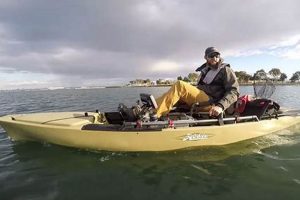
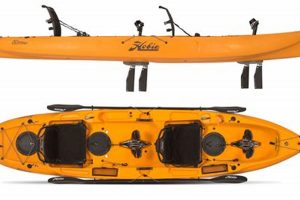
Specialized equipment designed for cold-weather angling from a kayak includes protective clothing like drysuits or wetsuits, insulated layers, and waterproof gloves and boots. Essential items also encompass specialized fishing rods and reels suited for cold-water species, tackle adapted for winter conditions, and safety equipment such as a personal flotation device, a whistle, and a communication device. Kayak modifications may include spray skirts to prevent water entry and specialized seating for added warmth.
Appropriate attire and equipment are crucial for safety and comfort during cold-weather kayak fishing excursions. Hypothermia and other cold-related risks are significantly mitigated through the use of specialized gear. Historically, cold-water angling from small craft has evolved from traditional practices, with modern materials and designs significantly improving both safety and the angler’s ability to fish effectively in frigid conditions. This enhanced safety allows for extended fishing seasons and access to waters otherwise inaccessible during colder months.
Further exploration of this subject will cover specific gear recommendations, layering strategies for optimal warmth, kayak selection and modification advice, and essential safety procedures for winter kayak angling.
Tips for Cold-Weather Kayak Angling
Preparation and proper equipment selection are paramount for safe and successful cold-water kayak fishing. The following tips offer guidance for anglers venturing onto frigid waters.
Tip 1: Dress in Layers: Layering clothing allows for adaptable insulation and moisture management. Begin with a moisture-wicking base layer, add insulating mid-layers like fleece or down, and finish with a waterproof and windproof outer shell.
Tip 2: Prioritize Safety Gear: A personal flotation device (PFD) is non-negotiable. Carry a whistle, a communication device (e.g., VHF radio or waterproofed cell phone), and a signaling mirror. Inform someone of fishing plans, including location and expected return time.
Tip 3: Choose Appropriate Kayak Modifications: A spray skirt prevents icy water from entering the kayak’s cockpit. Consider specialized seating with added insulation for increased comfort.
Tip 4: Adapt Tackle and Techniques: Cold-water fish often behave differently. Use lures and bait appropriate for the target species and the water temperature. Slower retrieves and more subtle presentations are often effective.
Tip 5: Check Weather Conditions: Monitor weather forecasts closely. Avoid venturing out in high winds, freezing precipitation, or fog. Be prepared for changing conditions and have an exit strategy.
Tip 6: Stay Hydrated and Energized: Pack warm, non-alcoholic beverages and high-energy snacks. Maintaining proper hydration and energy levels helps combat cold.
Tip 7: Practice Self-Rescue Techniques: Know how to re-enter a kayak in cold water should a capsize occur. Practice these techniques in a controlled environment prior to venturing out.
Careful planning and attention to these recommendations enhance both safety and fishing success during cold-weather kayak excursions. Proper preparation allows anglers to enjoy the unique challenges and rewards of winter fishing while mitigating potential risks.
This information provides a foundation for safe and enjoyable cold-water kayak fishing. Consult local resources for specific regional guidelines and safety recommendations.
1. Insulated, waterproof clothing

Insulated, waterproof clothing forms a critical component of winter kayak fishing gear, providing essential protection against the harsh elements. Maintaining core body temperature in cold, wet conditions is paramount for safety and comfort, enabling anglers to focus on fishing rather than battling the elements. This section explores key facets of this crucial protective layer.
- Drysuits vs. Wetsuits:
Drysuits offer complete waterproof protection, creating a barrier against frigid water. Wetsuits, conversely, allow a thin layer of water to enter, which the body then warms. Drysuits are generally preferred for colder conditions and longer exposures, while wetsuits provide greater flexibility and range of motion, often favored in slightly milder temperatures. Choosing between these options depends on specific environmental conditions and personal preferences.
- Layering Beneath Waterproof Shells:
Effective insulation relies on proper layering beneath the outer waterproof shell. Moisture-wicking base layers draw perspiration away from the skin, crucial for maintaining warmth and preventing chills. Insulating mid-layers, such as fleece or down, trap warm air, providing significant thermal protection. Strategic layering allows for adaptability to fluctuating temperatures and activity levels throughout the fishing trip.
- Extremities Protection:
Hands and feet are particularly vulnerable to cold in winter conditions. Waterproof, insulated gloves and boots are vital for maintaining dexterity and preventing frostbite. Neoprene gloves offer a balance of warmth and dexterity, while insulated boots with thick, waterproof liners protect feet from cold water and air temperatures. Proper extremity protection contributes significantly to overall comfort and safety.
- Headwear:
Significant body heat is lost through the head. A warm, waterproof hat is essential for retaining heat and protecting against wind chill. Consider a balaclava or neck gaiter for additional face and neck coverage in extreme conditions. Complete headwear prevents heat loss and safeguards against cold-related ailments.
These elements of insulated, waterproof clothing work together to provide comprehensive protection against the cold and wet inherent in winter kayak fishing. Proper selection and utilization of these components contribute significantly to a safer, more comfortable, and ultimately more successful cold-water fishing experience. By prioritizing these crucial pieces of gear, anglers can extend their fishing season and enjoy the unique rewards of winter angling while mitigating potential risks.
2. Specialized rods and reels

Rod and reel selection significantly impacts effectiveness and enjoyment in winter kayak fishing. Cold-water species often require different tackle compared to warm-water targets, and the kayak environment necessitates specialized considerations for rod length and action. Choosing appropriate equipment enhances angler performance and overall fishing success.
- Rod Action and Length:
Shorter rods (typically 6-7 feet) are better suited to the confined space of a kayak. Medium to medium-heavy action rods provide sufficient backbone for setting hooks and fighting fish in cold water, where species might exhibit less vigorous struggles. A shorter rod length also aids in maneuverability and control within the kayak’s limited space.
- Reel Type and Line Capacity:
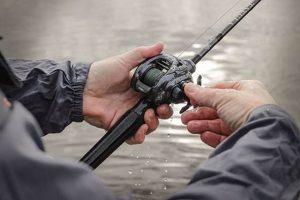
Spinning reels are generally preferred for their versatility and ease of use in cold conditions, where gloved hands may hinder intricate baitcasting reel operation. A reel with sufficient line capacity is crucial, as cold-water species may make powerful runs. Cold-water fishing often necessitates heavier line, so a reel that can accommodate this without sacrificing capacity is essential.
- Line Selection for Cold Water:
Cold temperatures can affect fishing line performance. Fluorocarbon lines are less susceptible to stiffening in cold water and offer increased sensitivity, crucial for detecting subtle bites. Braided lines, while strong, can become icy and difficult to manage in frigid conditions. Monofilament retains some flexibility in cold water, offering a cost-effective alternative to fluorocarbon.
- Drag System Considerations:
A smooth and reliable drag system is crucial for battling strong fish in cold water. A drag that can be easily adjusted, even with gloved hands, prevents line breakage and allows for controlled fights. A sealed drag system offers added protection against the elements and ensures consistent performance throughout the fishing trip.
These specialized rod and reel characteristics are integral components of effective winter kayak fishing. Properly chosen equipment contributes significantly to angling success by optimizing performance in cold water conditions and from the unique platform of a kayak. This careful selection allows anglers to effectively target cold-water species, maximizing their chances of a successful and enjoyable fishing experience.
3. Cold-water lures and tackle

Lure and tackle selection are critical components of winter kayak fishing gear, directly influencing angling success in cold-water environments. Fish behavior changes in colder temperatures, necessitating adjustments in presentation and lure choice. Understanding these nuances allows anglers to effectively target specific species and maximize their chances of a successful catch.
- Lure Types and Sizes:
Smaller lures, often in more natural color patterns, tend to be effective in cold water, mimicking the prey fish prevalent during winter months. Jigs, blade baits, and spoons are popular choices, offering versatile presentations and the ability to target various depths. Slow-moving lures like tube jigs and finesse presentations can entice sluggish fish in frigid conditions. Selecting the appropriate lure type and size is crucial for attracting cold-water species.
- Line and Leader Considerations:
Lighter lines and leaders are often preferred in cold water, offering increased sensitivity and a more natural presentation. Fluorocarbon leader material is favored for its low visibility and resistance to abrasion. Using lighter line enhances lure action and improves bite detection, particularly crucial when fish are less active. Proper line and leader selection contributes significantly to fishing success in winter.
- Scent and Attractants:
Fish olfactory senses can be diminished in cold water. Scent attractants, applied directly to lures, can help stimulate strikes. Natural scents like fish oil or bait extracts can be highly effective. These attractants provide an added stimulus, increasing the likelihood of attracting and enticing fish to strike.
- Terminal Tackle Adaptations:
Smaller hooks and lighter weights are often necessary in cold water, complementing the use of smaller lures and lighter line. Sharp hooks are paramount for ensuring solid hooksets, as cold-water fish may exhibit weaker strikes. Using appropriately sized terminal tackle ensures optimal lure presentation and increases hook-up ratios. This attention to detail can significantly improve fishing effectiveness in winter conditions.
These cold-water lure and tackle considerations directly influence the efficacy of winter kayak fishing gear. Adapting tackle and techniques to the specific challenges of cold-water environments allows anglers to overcome the difficulties posed by reduced fish activity and changing water conditions. By understanding the interplay of these elements, anglers can effectively target desired species and achieve success in winter kayak fishing.
4. Safety Equipment (PFD, Whistle)
Safety equipment is paramount within the broader context of winter kayak fishing gear. Cold water environments present inherent risks, amplifying the consequences of accidents or emergencies. Proper safety equipment contributes significantly to mitigating these risks and ensuring angler well-being. The following facets highlight critical safety considerations for cold-water kayak angling.
- Personal Flotation Device (PFD):
A PFD is non-negotiable for winter kayak fishing. Cold water immersion rapidly diminishes body heat, increasing the risk of hypothermia and reducing swimming ability. A properly fitted PFD provides essential buoyancy, keeping the angler afloat in case of capsize and increasing survival time. The added insulation of some PFDs offers further protection against cold.
- Whistle:
A whistle serves as a crucial signaling device in emergencies. Its high-pitched sound carries farther than the human voice, increasing the likelihood of attracting attention. In cold conditions, where vocalization might be impaired, a whistle provides a reliable means of communication, alerting others to distress and facilitating rescue efforts.
- Communication Devices:
Waterproofed cell phones or VHF radios allow for direct communication in emergency situations. In remote locations, where immediate assistance might be unavailable, these devices enable anglers to contact emergency services or inform others of their situation. Carrying a reliable communication device is essential for ensuring prompt assistance in case of need.
- Signaling Devices:
Visual signaling devices, such as flares or a signaling mirror, further enhance emergency preparedness. These devices can attract attention from a distance, especially in situations where auditory signals might be ineffective. A signaling mirror can reflect sunlight towards potential rescuers, increasing visibility and expediting rescue operations.
These safety components are integral elements of winter kayak fishing gear. While specialized clothing and fishing equipment contribute to comfort and angling success, safety equipment remains paramount. Prioritizing these safety measures allows anglers to enjoy the unique experience of winter kayak fishing while mitigating inherent risks and maximizing the likelihood of a safe return.
5. Kayak Modifications (Spray Skirt)

Kayak modifications play a crucial role in optimizing performance and safety during winter kayak fishing excursions. Among these modifications, the spray skirt stands out as a vital component, significantly enhancing comfort and safety in cold and wet conditions. A spray skirt creates a waterproof barrier between the kayaker and the external elements, preventing cold water from entering the kayak’s cockpit. This section explores the importance of spray skirts in the context of winter kayak fishing gear.
- Protection from Cold Water Entry:
The primary function of a spray skirt is to prevent cold water from entering the kayak’s cockpit. In winter conditions, even small amounts of water inside the kayak can lead to rapid heat loss and increase the risk of hypothermia. The spray skirt forms a seal around the kayaker’s waist and the cockpit rim, effectively blocking waves, splashes, and rain from entering. This protective barrier maintains a drier and warmer environment within the kayak, contributing significantly to angler comfort and safety.
- Insulation and Heat Retention:
Beyond preventing water entry, a spray skirt contributes to insulation and heat retention within the kayak’s cockpit. By sealing the cockpit opening, it reduces the exchange of cold air and traps warm air generated by the kayaker’s body heat. This insulation effect enhances thermal comfort, particularly crucial in frigid winter conditions, and allows anglers to focus on fishing rather than battling the cold.
- Material and Fit:
Spray skirts are typically constructed from waterproof and durable materials like neoprene or nylon. Proper fit is essential for effectiveness and safety. A snug fit prevents water from seeping in, while ensuring easy release in case of a capsize. Spray skirts designed specifically for winter use often feature thicker, more insulating materials to enhance warmth and protection in extreme cold.
- Integration with Other Gear:
A spray skirt works in conjunction with other winter kayak fishing gear to create a comprehensive system of protection against the elements. When used in combination with a properly fitted PFD and insulated, waterproof clothing, a spray skirt significantly enhances overall comfort and safety. This integration of gear elements optimizes performance and risk mitigation during cold-water excursions.
The spray skirt, as a key kayak modification, stands out as an essential component of winter kayak fishing gear. Its ability to prevent cold water entry and enhance insulation contributes significantly to angler comfort and safety in challenging winter environments. By incorporating a spray skirt into their essential gear, anglers can extend their fishing season and enjoy the unique rewards of winter angling with enhanced protection against the elements.
6. Dry bags for electronics
Dry bags for electronics represent a crucial component of winter kayak fishing gear, safeguarding valuable and often essential devices from the damaging effects of cold water and harsh weather conditions. Electronic devices, such as fish finders, GPS units, and communication devices, enhance angling effectiveness and contribute significantly to safety. Protecting these investments from water damage is paramount, particularly in the demanding environment of winter kayak fishing. Exposure to cold water can lead to immediate malfunction and irreversible damage, rendering these tools useless and potentially jeopardizing safety. Dry bags provide a reliable waterproof barrier, ensuring the functionality of these devices and preserving their value. For instance, a sudden immersion due to a wave or accidental capsize could render a GPS inoperable without the protection of a dry bag, hindering navigation and potentially delaying a return to shore. Similarly, a malfunctioning fish finder compromises angling success and wastes valuable fishing time. Practical application of this understanding involves selecting appropriately sized dry bags with secure closures and utilizing them consistently to store all electronic devices carried on board.
Beyond the immediate protection against water damage, dry bags offer additional benefits relevant to winter kayak fishing. The insulating properties of some dry bag materials offer a degree of protection against extreme cold, which can further affect battery life and electronic performance. Furthermore, dry bags provide organization within the limited space of a kayak, keeping essential electronics readily accessible while preventing them from becoming entangled in fishing gear or other equipment. This organization contributes to efficiency and safety, allowing anglers to quickly access necessary devices without compromising balance or stability within the kayak. For example, storing a VHF radio in a designated, easily accessible dry bag ensures its immediate availability in an emergency, whereas leaving it loose in the kayak could hinder access when time is critical. This practical application of dry bag usage underscores their value beyond basic waterproofing.
In summary, the importance of dry bags for electronics within the context of winter kayak fishing gear cannot be overstated. They offer critical protection for valuable electronic devices, ensuring their functionality and longevity in harsh conditions. This protection extends beyond mere water resistance, encompassing insulation against extreme temperatures and facilitating organization within the kayak. Understanding the practical significance of utilizing dry bags for electronics enhances both the effectiveness and safety of winter kayak fishing excursions. This foresight minimizes potential disruptions and allows anglers to fully enjoy the unique challenges and rewards of cold-water angling.
7. Proper layering techniques
Proper layering techniques are integral to the effectiveness of winter kayak fishing gear, directly impacting angler safety, comfort, and performance in cold environments. Layering provides adaptable insulation and moisture management, crucial for maintaining core body temperature and preventing hypothermia. Effective layering involves a systematic approach, combining different garment types to achieve optimal thermal regulation and protection against the elements. A foundational understanding of these techniques maximizes the functionality of specialized winter kayak fishing apparel and contributes significantly to a safe and enjoyable experience. Neglecting proper layering can compromise the effectiveness of even the most advanced cold-weather gear, increasing the risk of cold-related injuries and diminishing overall fishing performance. For example, wearing a single thick layer, while seemingly warm initially, can trap perspiration against the skin, leading to chills and discomfort as the day progresses. Conversely, a well-executed layering system allows anglers to regulate body temperature by adding or removing layers as needed, adapting to changing weather conditions and activity levels.
The practical application of proper layering techniques involves combining three primary garment categories: base layers, mid-layers, and outer layers. Moisture-wicking base layers, typically constructed from synthetic fabrics or merino wool, draw perspiration away from the skin, keeping the body dry and warm. Insulating mid-layers, such as fleece or down jackets, trap warm air, providing essential thermal protection. Waterproof and breathable outer layers shield against wind, rain, and spray, completing the system and preventing external moisture from compromising the insulating layers beneath. Each layer plays a distinct role in regulating body temperature and protecting against the elements. The strategic combination of these layers creates a dynamic system, adaptable to fluctuating conditions and activity levels. For instance, during periods of high exertion, like paddling against wind or current, an angler might remove a mid-layer to prevent overheating. Later, when stationary and fishing, the same layer can be added back for increased warmth.
In summary, proper layering techniques are essential for maximizing the functionality of winter kayak fishing gear. Understanding and applying these techniques directly influences angler safety, comfort, and overall performance in cold-water environments. Layering provides adaptable insulation and moisture management, crucial for maintaining core body temperature and mitigating the risk of cold-related injuries. The strategic combination of moisture-wicking base layers, insulating mid-layers, and waterproof outer layers creates a dynamic system, enabling anglers to effectively regulate body temperature and adapt to changing conditions. This comprehensive understanding of proper layering techniques enhances the performance of specialized winter apparel, contributing significantly to a safe, comfortable, and ultimately more rewarding cold-water kayak fishing experience.
Frequently Asked Questions
Addressing common queries regarding specialized equipment for cold-weather kayak angling provides clarity and promotes informed decision-making for enhanced safety and performance.
Question 1: What is the most crucial piece of safety equipment for winter kayak fishing?
A properly fitted personal flotation device (PFD) is unequivocally the most critical safety item. It provides essential buoyancy in case of capsize, significantly increasing survival time in cold water.
Question 2: How does one choose between a drysuit and a wetsuit for cold-water kayaking?
Drysuits provide complete waterproof protection, ideal for prolonged exposure to cold water or extreme conditions. Wetsuits offer flexibility and range of motion, suitable for milder temperatures where brief water exposure is possible. Selection depends on anticipated conditions and personal preference.
Question 3: Why are specialized rods and reels important for winter kayak fishing?
Shorter rods are better suited to the confined space of a kayak, while medium to medium-heavy action provides adequate strength for cold-water species. Reels with smooth drag systems and sufficient line capacity are crucial for handling stronger fish in cold conditions.
Question 4: What types of lures are most effective for winter kayak fishing?
Smaller lures in natural color patterns often prove effective in cold water. Jigs, blade baits, and spoons offer versatility, while slow-moving presentations can entice less active fish. Lure selection should consider target species and water temperature.
Question 5: How can electronics be protected from water damage during winter kayak fishing?
Waterproof dry bags provide essential protection for electronics like fish finders, GPS units, and communication devices. Properly sealed dry bags safeguard against water damage and potential malfunctions due to cold temperatures.
Question 6: What is the significance of proper layering techniques in cold-weather kayak angling?
Layering allows for adaptable insulation and moisture management. Moisture-wicking base layers, insulating mid-layers, and waterproof outer layers work in concert to regulate body temperature and protect against the elements, crucial for preventing hypothermia and maintaining comfort.
Prioritizing safety and utilizing appropriate equipment are essential for successful and enjoyable winter kayak fishing experiences. Understanding the function and importance of each gear component allows anglers to make informed decisions, maximizing both safety and performance in cold-water environments.
This FAQ section addresses common concerns about winter kayak fishing gear. Further exploration should delve into specific product recommendations, regional considerations, and advanced techniques for cold-water angling.
Conclusion
Specialized equipment designed for cold-weather kayak angling encompasses a range of crucial components, from protective clothing and safety devices to specialized fishing tackle and kayak modifications. Each element contributes significantly to angler safety, comfort, and overall fishing success in challenging winter environments. Effective cold-water angling necessitates an understanding of how these components function individually and as an integrated system. Proper layering techniques, combined with appropriate waterproof and insulating apparel, mitigate the risk of hypothermia and ensure angler comfort throughout the fishing excursion. Specialized rods, reels, and cold-water lures optimize fishing effectiveness, while safety equipment, including PFDs, whistles, and communication devices, provides essential safeguards against unforeseen circumstances. Kayak modifications, such as spray skirts, further enhance angler protection and comfort by preventing cold water entry and improving heat retention.
Careful consideration of these specialized equipment requirements empowers anglers to safely and effectively pursue cold-water species from the unique platform of a kayak. This preparedness unlocks access to exceptional winter fishing opportunities while mitigating the inherent risks of cold-water environments. Continued exploration of advanced techniques, regional-specific considerations, and ongoing advancements in cold-weather angling gear will further enhance the safety and enjoyment of this rewarding pursuit.