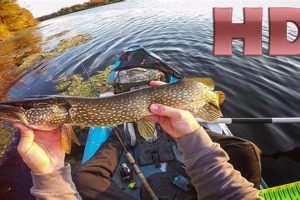
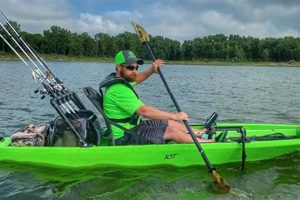
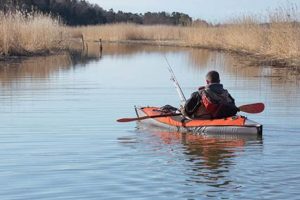
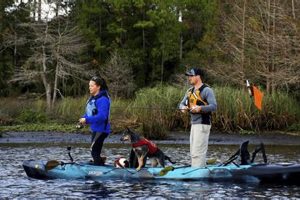
This pursuit combines the quiet, maneuverable nature of kayaks with the thrill of angling for the iconic red drum, commonly called redfish, in the diverse Louisiana waterways. Imagine navigating shallow estuaries and marshes, silently approaching schooling fish in their natural habitat. The shallow draft of a kayak allows access to areas unreachable by larger boats, presenting unique opportunities to target this prized sport fish.
Angling for red drum from a kayak offers a uniquely intimate connection with the Louisiana coastal environment. This approach minimizes disturbance to the ecosystem while maximizing fishing opportunities. The sport’s popularity reflects both the abundance of redfish in Louisiana waters and the growing interest in sustainable and accessible fishing methods. Historically, redfish have been a cornerstone of Louisianas fisheries, playing a significant role in both recreational and commercial fishing. The evolution of kayak fishing has provided anglers with a modern, versatile approach to this traditional pursuit.
The following sections delve into specific aspects of this popular sport, including choosing appropriate gear and tackle, understanding effective fishing techniques, identifying productive locations within Louisiana, and prioritizing safety considerations.
Tips for Kayak Fishing for Redfish in Louisiana
Successful angling for red drum from a kayak in Louisiana requires careful planning and execution. These tips offer guidance for a productive and enjoyable experience.
Tip 1: Research Regulations and Licensing. Ensure compliance with current Louisiana fishing regulations, including licensing requirements and size/catch limits for redfish. Regulations vary by season and location.
Tip 2: Select Appropriate Gear. Choose a kayak designed for stability and maneuverability in shallow water. Essential gear includes a paddle, personal flotation device (PFD), and appropriate fishing rods, reels, and tackle.
Tip 3: Understand Tidal Influences. Redfish behavior is heavily influenced by tides. Research tide charts for the target area and plan fishing trips accordingly. Incoming tides often bring baitfish and redfish into shallow flats.
Tip 4: Employ Effective Fishing Techniques. Popular methods include sight fishing with topwater lures or using live or artificial bait near structure or drop-offs. Matching the hatch using lures that resemble local prey often yields better results.
Tip 5: Prioritize Safety. Always wear a PFD. Check weather conditions before venturing out and inform someone of the intended fishing location and estimated return time. Carry essential safety equipment, including a whistle, signaling device, and first-aid kit.
Tip 6: Practice Stealth. Minimize noise and movement in the kayak to avoid spooking fish. Approach fishing areas slowly and quietly.
Tip 7: Respect the Environment. Practice catch-and-release whenever possible, handling fish with care. Dispose of fishing line and other waste responsibly.
By following these tips, anglers can increase their chances of a successful and rewarding kayak fishing experience while promoting responsible angling practices.
Following these guidelines contributes significantly to not only a productive fishing trip but also a safe and enjoyable experience on the water.
1. Kayak Selection

Kayak selection significantly impacts the success and enjoyment of fishing for redfish in Louisiana. The diverse environments, from shallow marshes to open bays, require careful consideration of kayak characteristics. Stability is paramount, especially when casting or landing fish. A wider, flatter-bottomed kayak provides enhanced stability, particularly beneficial for beginners. Maneuverability is crucial for navigating tight creeks and shallow areas. Shorter kayaks with a defined keel track better, while longer kayaks offer speed and efficiency for covering larger distances. Sit-on-top kayaks are generally preferred for their self-bailing capability and ease of re-entry in case of a capsize, a significant advantage in Louisiana’s often-warm waters. Consider a kayak with ample storage for tackle, gear, and potential catches. Specialized fishing kayaks often feature rod holders, storage compartments, and even live wells.
For example, navigating the shallow, vegetation-rich marshes of the Louisiana coast requires a kayak with a shallow draft and excellent maneuverability. A shorter, wider sit-on-top kayak excels in this environment. Conversely, fishing larger bays or open water near the coast may necessitate a longer, faster kayak capable of handling choppier conditions. Selecting a kayak with a rudder or skeg system enhances tracking and control in wind and current. The choice between a pedal-powered kayak or a traditional paddle kayak depends on individual preferences and fishing style. Pedal drives allow hands-free fishing and more precise boat control, while paddle kayaks offer simplicity and affordability.
Ultimately, careful kayak selection tailored to the specific fishing environment and angler experience level maximizes success and safety while pursuing redfish in Louisiana. Understanding the interplay between kayak characteristics and the unique demands of Louisiana’s diverse waterways allows anglers to make informed decisions, ultimately leading to a more rewarding and enjoyable fishing experience. Neglecting the importance of kayak selection can lead to instability, difficulty navigating challenging waters, and limited access to prime fishing spots, hindering the angler’s ability to effectively target redfish.
2. Location Scouting

Effective location scouting is paramount for successful redfish angling from a kayak in Louisiana. Identifying productive areas maximizes fishing opportunities and contributes significantly to a rewarding experience. Understanding redfish behavior and habitat preferences informs the scouting process, enabling anglers to pinpoint areas likely to hold fish.
- Tidal Flats and Marshes:
Shallow, grassy flats inundated by tides are prime redfish habitat. These areas offer abundant food sources, such as crustaceans and small baitfish. Focus on areas with subtle changes in depth, channels, or oyster beds that concentrate prey and attract redfish. During high tides, redfish often move onto the flats to feed, while falling tides concentrate them in deeper channels and potholes.
- Bayous and Creeks:
Exploring bayous and creeks provides access to less pressured areas where redfish may congregate. Look for structure like submerged logs, overhanging vegetation, or points where currents converge. These areas provide ambush points for redfish and offer protection from larger predators. The quiet, shallow-draft nature of kayaks allows access to these otherwise inaccessible locations.
- Nearshore Structures:
Structures like docks, piers, and bridges attract baitfish and subsequently, redfish. These areas offer shade and shelter, making them attractive holding spots, particularly during warmer months. Exercise caution when fishing near structures to avoid entanglement or damage to the kayak.
- Oyster Reefs and Grass Beds:
Oyster reefs and grass beds provide essential habitat for redfish and their prey. These areas offer both food and protection. Drifting slowly along the edges of these structures or anchoring nearby allows for targeted fishing. Be mindful of shallow water and potential obstacles when navigating these areas.
Combining knowledge of redfish behavior with careful observation of the environment enhances location scouting effectiveness. Understanding tidal influences, water clarity, and prevailing wind conditions further refines the selection of promising fishing spots. Effective scouting increases the probability of encountering redfish, contributing significantly to a successful kayak fishing experience in Louisiana’s diverse waters.
3. Tackle and Bait
Tackle and bait selection are critical components of successful redfish angling from a kayak in Louisiana. Appropriate choices significantly influence catch rates and contribute to a more rewarding fishing experience. Matching tackle and bait to the specific conditions and target species enhances effectiveness and efficiency.
- Rods and Reels:
Medium-heavy to heavy-action spinning or baitcasting rods (7-8 feet) provide the necessary strength and leverage for handling powerful redfish. Reels should be matched to the rod and spooled with a durable braided line (15-30 lb test) to withstand abrasion and provide sufficient pulling power. Braided line also offers increased sensitivity for detecting bites and setting hooks effectively in shallow water. A fluorocarbon leader (20-40 lb test) provides added abrasion resistance and stealth in clear water.
- Lures:
A variety of lures prove effective for redfish. Topwater lures, such as popping corks or walking baits, create surface commotion that attracts aggressive strikes. Soft plastic lures, including paddle tails and shrimp imitations, rigged weedless, allow for fishing in grassy areas and around structure. Gold spoons and spinnerbaits can be effective when redfish are actively feeding. Matching lure color to water clarity and prevailing forage is often crucial.
- Live Bait:
Live bait remains a popular and effective option for redfish. Live shrimp, crabs, and small baitfish are readily available and highly appealing to redfish. Fishing live bait under a popping cork or free-lining near structure can yield excellent results. Ensure compliance with local regulations regarding the use and size of live bait.
- Terminal Tackle:
Essential terminal tackle includes hooks, weights, and swivels. Circle hooks are often preferred for catch-and-release fishing as they reduce the likelihood of deep hooking. Appropriate weight selection depends on water depth and current strength, ensuring the bait or lure stays near the bottom. Swivels prevent line twist, especially when using spinning lures.
The interplay between tackle and bait selection is critical for optimizing fishing success. Adapting choices based on prevailing conditions, such as water clarity, tide, and redfish feeding patterns, further refines the approach. Carrying a variety of lures and baits allows anglers to experiment and determine what redfish are actively targeting. Mastering tackle and bait selection empowers anglers to effectively target redfish in Louisiana’s diverse kayak fishing environments.
4. Tidal Awareness
Tidal awareness is crucial for successful kayak fishing for redfish in Louisiana. Tides significantly influence redfish behavior, dictating their movement and feeding patterns. Understanding tidal cycles, currents, and their impact on the target species is essential for optimizing fishing locations and techniques.
Redfish, like many estuarine species, follow tidal flows in search of food. Incoming tides inundate shallow flats and marshes, providing access to foraging areas rich in crustaceans, baitfish, and other prey. Anglers benefit from focusing their efforts on these flooded areas during rising tides, intercepting redfish as they move onto the flats to feed. Conversely, falling tides concentrate redfish into deeper channels and potholes, creating ambush points and predictable fishing locations. Strong currents associated with tidal changes can also influence redfish behavior, creating eddies and current breaks where they concentrate to conserve energy while waiting for prey to be swept downstream. For example, fishing near the mouths of bayous or creeks during a falling tide can be highly productive as redfish stage in these areas to ambush baitfish being carried out by the current.
Neglecting tidal influences can severely limit fishing success. Attempting to access shallow areas during low tide can result in grounding the kayak and disturbing the environment. Fishing in areas with strong currents without considering their impact on redfish behavior can make presentations ineffective. Understanding tidal charts, predicting water levels, and recognizing current patterns are essential skills for kayak anglers targeting redfish. This awareness not only increases catch rates but also enhances safety by allowing anglers to anticipate changing water levels and navigate challenging currents effectively. Ultimately, integrating tidal awareness into fishing strategies significantly contributes to a productive and informed kayak fishing experience in Louisiana’s dynamic tidal environments.
5. Safety Procedures

Safety procedures are paramount in kayak fishing for Louisiana redfish. The inherent risks associated with navigating often remote and dynamic waterways necessitates careful planning and adherence to established safety protocols. Neglecting safety precautions can lead to serious consequences, ranging from minor injuries to life-threatening situations. The combination of shallow water, strong currents, changing weather conditions, and potential encounters with wildlife requires constant vigilance and proactive safety measures.
Several factors underscore the critical nature of safety procedures in this specific fishing environment. Louisiana’s coastal waters are subject to rapid weather changes, including sudden thunderstorms and strong winds. These conditions can create hazardous situations for kayakers, particularly in exposed areas. Shallow water presents navigation challenges, increasing the risk of grounding or capsizing. Strong currents, especially around inlets and bayous, can quickly sweep a kayak off course. Encounters with wildlife, such as alligators or venomous snakes, while rare, necessitate preparedness. A well-defined safety plan mitigates these risks and allows for a prompt response to unforeseen circumstances. For example, wearing a personal flotation device (PFD) is non-negotiable. Carrying a communication device, like a VHF radio or waterproof cell phone, allows for summoning assistance in emergencies. Informing someone of the intended fishing location and estimated return time provides an additional layer of security. Checking weather forecasts before embarking on a trip and having a plan for seeking shelter in case of inclement weather is essential. Carrying a first-aid kit and knowing basic first-aid procedures can address minor injuries effectively.
Prioritizing safety procedures contributes significantly to a positive and productive fishing experience. Adherence to these guidelines minimizes risks, allowing anglers to focus on enjoying the sport and the natural environment. A comprehensive understanding of safety protocols, coupled with consistent implementation, fosters a culture of responsible angling and ensures the well-being of all participants. Failure to prioritize safety can lead to preventable accidents, jeopardizing not only the individual angler’s safety but also potentially requiring costly and resource-intensive search and rescue operations. Therefore, integrating safety considerations into every aspect of kayak fishing for Louisiana redfish is essential for a sustainable and enjoyable pursuit.
Frequently Asked Questions
This section addresses common inquiries regarding kayak fishing for redfish in Louisiana, providing concise and informative responses to facilitate a deeper understanding of the topic.
Question 1: What are the licensing requirements for kayak fishing for redfish in Louisiana?
A valid Louisiana fishing license is required for anglers targeting redfish. Specific license types and associated regulations vary depending on residency status and fishing location (saltwater/freshwater). Consulting the Louisiana Department of Wildlife and Fisheries website provides comprehensive information on licensing requirements and current regulations.
Question 2: What is the best time of year to kayak fish for redfish in Louisiana?
Redfish can be targeted year-round in Louisiana. However, peak seasons generally occur during the fall and spring, when water temperatures are moderate. Fishing during these periods often yields higher catch rates and increased redfish activity.
Question 3: Are there specific areas in Louisiana known for productive kayak redfish fishing?
Louisiana offers numerous productive areas for kayak redfish fishing. Coastal marshes, estuaries, and bayous throughout the state hold healthy redfish populations. Researching specific locations within these broader regions, considering factors such as access points and tidal influences, enhances fishing success. Local fishing reports and guides can provide valuable insights.
Question 4: What are the essential safety precautions for kayak fishing in Louisiana?
Wearing a personal flotation device (PFD) is paramount. Checking weather conditions prior to departure, informing someone of fishing plans, and carrying essential safety equipment, including a communication device, are crucial safety practices. Awareness of tidal currents and potential navigation hazards is also essential.
Question 5: What is the average size of redfish caught from kayaks in Louisiana?
The average size of redfish caught from kayaks in Louisiana varies depending on location and season. Anglers commonly encounter redfish ranging from 16 to 26 inches. Larger specimens exceeding 30 inches are possible, particularly in specific areas known for holding larger fish.
Question 6: Are there any specific regulations regarding redfish size and catch limits in Louisiana?
Louisiana imposes strict regulations on redfish size and catch limits. These regulations are subject to change and vary depending on the specific fishing location. Consulting the Louisiana Department of Wildlife and Fisheries website for current regulations ensures compliance and promotes sustainable fishing practices.
Understanding these commonly addressed topics provides a foundation for a more informed and enjoyable kayak fishing experience targeting redfish in Louisiana. Adhering to regulations and prioritizing safety contributes to the preservation of this valuable resource.
Moving forward, let’s explore some advanced techniques for locating and targeting redfish from a kayak.
Kayak Fishing Louisiana Redfish
This exploration of kayak fishing for redfish in Louisiana has highlighted the multifaceted nature of this popular pursuit. From kayak selection and location scouting to tackle choices and safety procedures, each element contributes significantly to a successful and rewarding experience. Understanding tidal influences and redfish behavior is crucial for optimizing fishing strategies. Adherence to regulations and ethical angling practices ensures the sustainability of this valuable resource.
Kayak fishing for redfish offers a unique opportunity to connect with Louisiana’s vibrant coastal ecosystem. Respect for the environment and responsible angling practices will ensure future generations can enjoy this rewarding pursuit. Continued exploration of refined techniques and a deeper understanding of redfish behavior will undoubtedly enhance the experiences of anglers seeking the thrill of landing these prized sport fish from the unique perspective of a kayak.