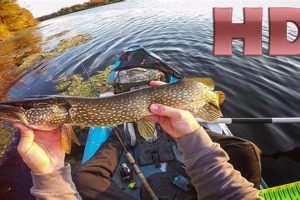
This specific type of watercraft is designed for angling, offering stability and specialized features like rod holders, tackle storage, and often a sit-on-top design for easy casting and maneuverability. Such vessels are typically constructed from durable, lightweight materials such as high-density polyethylene or composites, enabling effortless transport and navigation in various water conditions.
Anglers benefit from the portability, stability, and specialized design features these boats provide. They offer a unique opportunity to access shallow waters and secluded fishing spots often unreachable by larger motorized boats, enhancing the fishing experience and potentially increasing catch rates. The evolution of these specialized vessels reflects a growing demand for efficient and adaptable fishing platforms that cater to diverse angling styles and environments.
This discussion will explore the key features, advantages, and various types available, providing a comprehensive understanding of the factors to consider when selecting the ideal vessel for a successful and enjoyable fishing experience. Further topics will include proper usage, maintenance, and safety precautions.
Tips for Selecting and Using a Fishing Kayak
Choosing and utilizing a specialized fishing kayak effectively requires careful consideration of several factors. The following tips provide guidance for optimizing the fishing experience.
Tip 1: Consider Hull Design: Different hull designs (e.g., pontoon, sit-on-top, sit-inside) offer varying levels of stability, speed, and maneuverability. Selecting the appropriate hull type depends on the intended fishing environment (calm lakes vs. flowing rivers) and personal preferences.
Tip 2: Evaluate Storage Capacity: Adequate storage is crucial for carrying fishing gear, tackle boxes, and safety equipment. Assess storage compartments and their accessibility based on individual needs.
Tip 3: Choose the Right Size and Weight Capacity: Kayak dimensions and weight capacity should be chosen based on the angler’s size and the anticipated weight of gear and potential catch.
Tip 4: Prioritize Comfort and Ergonomics: A comfortable seat and adjustable features like footrests contribute to a more enjoyable and less fatiguing fishing experience, especially during longer outings.
Tip 5: Consider Propulsion Options: Paddle kayaks offer excellent exercise and maneuverability, while pedal-powered versions allow hands-free fishing. Motorized options provide speed and range for larger bodies of water. Select the propulsion method best suited to individual needs and fishing style.
Tip 6: Invest in Essential Accessories: Rod holders, fish finders, anchors, and safety gear enhance functionality and safety on the water.
Tip 7: Practice Safe Kayaking Techniques: Always wear a personal flotation device (PFD) and familiarize oneself with basic paddling and self-rescue techniques before venturing out.
By considering these factors, anglers can select the appropriate vessel and enhance their fishing experience. Proper planning and preparation contribute significantly to safety and enjoyment on the water.
These tips offer practical advice for making informed decisions. The following section will conclude with a summary of key takeaways and recommendations for further exploration.
1. Stability

Stability is a paramount consideration when selecting a fishing kayak. A stable platform is crucial for casting, reeling, and landing fish, especially in challenging conditions. It directly impacts safety and fishing effectiveness, making it a central factor in the design and functionality of these specialized vessels. The following facets explore the key components contributing to stability.
- Hull Design:
The hull design significantly influences stability. Wider, flatter hulls generally offer greater primary stability (initial resistance to tipping), making them suitable for calm waters and stand-up fishing. Pontoon hulls provide exceptional stability but may sacrifice maneuverability. A “V” shaped hull, while less stable initially, offers better secondary stability (resistance to tipping at greater angles) and performs well in rougher conditions. The choice of hull design depends on the intended fishing environment and angler preferences.
- Center of Gravity:
A lower center of gravity enhances stability. Kayak design, seating position, and weight distribution all affect the center of gravity. Properly distributing gear within the kayak and maintaining a low seating position improves stability. Standing up in a kayak raises the center of gravity, potentially compromising stability.
- Width and Length:
Wider kayaks generally offer increased stability, while longer kayaks tend to track straighter. The optimal width and length depend on factors like intended use and angler size. A shorter, wider kayak might be more stable for fishing in calm lakes, while a longer, narrower kayak might be preferred for paddling longer distances in open water.
- Water Conditions:
Water conditions play a significant role in perceived stability. Calm lakes and ponds offer a stable environment, while rivers with currents and waves present greater challenges. Wind can also affect stability, especially in lightweight kayaks. Understanding the prevailing conditions in the intended fishing area is crucial for selecting a kayak with appropriate stability characteristics.
These facets collectively contribute to the overall stability of a fishing kayak. Choosing a vessel with appropriate stability characteristics for the intended fishing environment and angler experience level is essential for safety and fishing success. A stable platform allows anglers to focus on fishing, enhancing enjoyment and effectiveness on the water.
2. Maneuverability

Maneuverability is a critical performance attribute influencing a fishing kayak’s effectiveness. The ability to navigate efficiently through various water conditions, access tight fishing spots, and position the vessel optimally for casting and retrieving directly impacts fishing success. This section explores the key factors contributing to maneuverability in specialized fishing kayaks.
- Hull Design:
Hull design significantly impacts maneuverability. Shorter kayaks with a more rounded or “V” shaped hull tend to turn more quickly and efficiently than longer, flatter-bottomed kayaks. Shorter kayaks are more responsive to paddle strokes and require less effort to change direction, making them well-suited to navigating tight spaces like narrow creeks or maneuvering around obstacles like submerged logs or vegetation.
- Length and Width:
Length and width play interconnected roles in maneuverability. Shorter kayaks are generally more maneuverable than longer kayaks, offering quicker turning capabilities. Narrower kayaks tend to track straighter and glide more efficiently, while wider kayaks offer increased stability but may sacrifice some maneuverability. Balancing length and width based on the intended fishing environment is essential. Rivers and creeks necessitate greater maneuverability, favoring shorter, narrower designs, while open lakes or coastal areas may benefit from the tracking and stability offered by longer, wider hulls.
- Water Conditions:
Water conditions influence the perceived maneuverability of a kayak. Calm, flat water allows for predictable and responsive handling, while currents, waves, and wind introduce complexities requiring greater skill and effort to maintain control and navigate effectively. Kayaks designed for river fishing often incorporate features like rocker (upward curve at the bow and stern) and defined chines (edges along the hull) to enhance maneuverability in moving water.
- Rudder or Skeg:
The presence of a rudder or skeg can enhance tracking and directional control, especially in windy conditions or when paddling longer distances. A rudder provides active control, allowing the paddler to steer the kayak with foot pedals, while a skeg offers passive directional stability. These features improve the kayak’s ability to maintain a straight course and reduce the need for corrective paddle strokes, particularly beneficial in open water or when dealing with crosswinds or currents.
Understanding the interplay of these factors contributes to selecting a fishing kayak optimized for specific fishing environments and angler preferences. Prioritizing maneuverability allows anglers to navigate efficiently, access desired fishing locations, and position themselves strategically for a more successful and enjoyable fishing experience. The ideal balance of maneuverability and stability depends on the specific fishing context, requiring careful consideration of hull design, dimensions, and intended use.
3. Storage Capacity

Storage capacity is a critical factor influencing the practicality and effectiveness of a fishing kayak. Ample and well-designed storage enables anglers to carry essential gear, including tackle boxes, rods, safety equipment, and personal items, directly impacting the duration and success of fishing trips. Insufficient storage can limit fishing range, compromise safety by restricting access to essential gear, and detract from the overall fishing experience.
Several design elements contribute to effective storage solutions in fishing kayaks. Dedicated compartments for tackle boxes, rod holders that secure rods during transport and fishing, and dry storage areas for protecting sensitive electronics and personal items are common features. Recessed storage wells offer secure storage for frequently used items, while bungee cords provide additional tie-down points for securing gear on the deck. The positioning and accessibility of storage compartments are crucial for maintaining balance and minimizing disruption during fishing activities. Well-designed storage systems maximize available space while maintaining the kayak’s stability and maneuverability. For example, a kayak designed for multi-day fishing trips might prioritize larger storage compartments and dry hatches, while a smaller, more agile kayak intended for shorter excursions might emphasize strategically placed smaller compartments for quick access to essential gear.
Understanding the storage capacity and configuration of a fishing kayak is crucial for selecting a vessel that aligns with individual fishing styles and requirements. Anglers targeting specific species or engaging in specialized fishing techniques often require specialized gear, necessitating careful consideration of storage options. Kayak anglers fishing in remote locations or embarking on extended trips must prioritize sufficient storage for safety equipment, food, and other essentials. Evaluating the type, size, and accessibility of storage options contributes significantly to a safe, efficient, and enjoyable fishing experience. Failing to adequately address storage needs can lead to logistical challenges, compromised safety, and a diminished overall fishing experience.
4. Material Durability
Material durability is a critical factor influencing the lifespan, performance, and overall value of a fishing kayak. These specialized vessels are subjected to various stresses, including UV exposure, impacts with rocks and submerged obstacles, and abrasion from transport and storage. Selecting a kayak constructed from robust, durable materials ensures long-term reliability and minimizes the risk of damage, contributing to a safer and more cost-effective fishing experience. The following facets explore key aspects of material durability relevant to these vessels.
- Material Selection:
Common materials used in kayak construction include high-density polyethylene (HDPE), fiberglass, and composites like carbon fiber and Kevlar. HDPE offers excellent impact resistance and UV stability, making it a popular choice for recreational kayaks. Fiberglass provides a balance of strength, stiffness, and weight, while composites offer superior strength-to-weight ratios but often come at a higher price point. The choice of material depends on factors such as budget, intended use, and performance priorities. HDPE’s robustness suits demanding environments, fiberglass caters to a balance of performance and durability, and composites prioritize lightweight performance.
- UV Resistance:
Prolonged exposure to ultraviolet radiation from sunlight can degrade kayak materials, leading to fading, cracking, and reduced structural integrity. UV-resistant coatings and additives incorporated into the kayak’s construction mitigate these effects, extending the lifespan of the vessel. Storing the kayak out of direct sunlight when not in use further protects against UV damage. Choosing materials inherently resistant to UV degradation, such as HDPE, contributes to long-term durability and minimizes maintenance requirements.
- Impact and Abrasion Resistance:
Fishing kayaks often encounter impacts from rocks, submerged logs, and other obstacles, especially in rivers and shallow-water environments. Materials with high impact resistance minimize the risk of cracks and punctures, ensuring the kayak’s structural integrity and preventing leaks. Abrasion from transport, storage, and dragging the kayak across surfaces can also cause wear and tear. Durable materials and reinforced areas prone to abrasion, such as the keel and bottom, enhance the kayak’s resistance to these stresses.
- Manufacturing Processes:
Manufacturing processes influence material durability. Rotational molding, commonly used for HDPE kayaks, produces a seamless, uniform hull with consistent wall thickness, enhancing impact resistance. Layup techniques used in fiberglass and composite construction affect the strength and stiffness of the finished product. High-quality manufacturing processes, including proper curing and finishing, contribute to long-term durability and minimize the risk of manufacturing defects that could compromise the kayak’s structural integrity.
The selection of appropriate materials and robust manufacturing processes directly impact the long-term durability and performance of a fishing kayak. A durable vessel withstands the rigors of use, provides a reliable platform for fishing, and offers a safer and more enjoyable experience on the water. Investing in a kayak built from high-quality, durable materials ensures long-term value and minimizes the risk of damage, contributing to a more satisfying and cost-effective ownership experience. Balancing material properties, performance characteristics, and budget considerations allows anglers to select the most suitable kayak for their individual needs and fishing styles. Durability remains a key factor influencing the overall value and long-term satisfaction derived from owning and using a specialized fishing kayak.
5. Specialized Features

Specialized features distinguish fishing kayaks from recreational models, enhancing angling effectiveness and overall experience. These features are integral to the design and functionality, directly impacting performance and user satisfaction. They represent a crucial connection between the vessel’s intended purpose and the angler’s practical needs on the water. For example, integrated rod holders secure fishing rods, freeing hands for paddling, baiting hooks, or landing fish. Similarly, strategically placed tackle storage compartments keep essential gear organized and readily accessible, minimizing disruptions during critical fishing moments. These seemingly small design elements collectively contribute significantly to a more efficient and enjoyable fishing experience.
Further enhancing functionality, specialized features like fish finders and GPS systems integrate seamlessly into many fishing kayaks. These technologies provide crucial real-time information about water depth, fish location, and navigation, enabling anglers to make informed decisions and maximize their chances of success. Additionally, features like anchor trolleys and adjustable footrests enhance stability and control, allowing anglers to maintain optimal positioning in various fishing scenarios. The practical significance of these features becomes evident in challenging environments, where stability, precise boat control, and access to essential gear are paramount for a successful and safe fishing experience. For instance, an anchor trolley system enables precise boat positioning in currents, while adjustable footrests ensure comfortable paddling and body positioning for extended periods.
In summary, specialized features define the fishing kayak’s purpose and contribute directly to angler success and enjoyment. These features cater specifically to the demands of angling, enhancing functionality, efficiency, and overall experience on the water. From integrated rod holders and tackle storage to advanced electronics and stability-enhancing designs, specialized features differentiate fishing kayaks from recreational models, offering anglers a purpose-built platform optimized for a productive and rewarding fishing experience. Understanding the function and benefits of these specialized features is essential for selecting the appropriate kayak and maximizing its potential on the water.
6. Propulsion Options
Propulsion systems significantly influence a fishing kayak’s performance, impacting speed, maneuverability, and access to fishing grounds. A range of propulsion methods cater to diverse needs and fishing styles, each presenting distinct advantages and disadvantages within the context of specialized fishing kayaks. Paddle propulsion, the most traditional method, offers excellent maneuverability in tight spaces and shallow water, requiring only a paddle and physical effort. Pedal-powered systems, employing either fins or propellers, free hands for fishing while offering efficient, continuous propulsion suitable for covering larger distances. Motorized kayaks, equipped with electric or gasoline outboards, provide the greatest speed and range, allowing access to distant fishing locations and facilitating travel against currents or wind. Selecting the appropriate propulsion system depends on individual preferences, fishing environment, and target species. For instance, paddle propulsion might be ideal for navigating narrow creeks or mangrove tunnels where stealth and precise control are paramount. Pedal drives prove advantageous in open water scenarios where hands-free fishing and efficient cruising are desired, whereas motorized options excel in larger lakes, reservoirs, or coastal areas requiring greater range and speed.
The choice of propulsion directly impacts the fishing experience. Paddle propulsion, while offering excellent control and affordability, can limit range and tire anglers during long expeditions. Pedal drives provide a balance between speed and hands-free fishing but may be less maneuverable in tight quarters. Motorized options offer the greatest speed and range but introduce considerations of fuel consumption, maintenance, and potential noise disturbance. The interaction between propulsion type and fishing style necessitates careful consideration. A kayak angler targeting bass in a small pond might prioritize maneuverability offered by paddle propulsion, while an angler pursuing offshore species might favor the speed and range of a motorized kayak. Similarly, anglers fishing in protected areas with motor restrictions would necessarily opt for paddle or pedal-powered options. Matching propulsion to the intended fishing environment is crucial; a powerful motor offers limited advantage in shallow, weed-choked waters where a paddle or pedal drive proves more effective.
Ultimately, the optimal propulsion system depends on a confluence of factors. Careful consideration of fishing style, target species, water conditions, and personal preferences ensures a harmonious balance between propulsion method and fishing objectives. Understanding the advantages and limitations of each propulsion type empowers anglers to select the most suitable system for their individual needs, enhancing fishing effectiveness and overall enjoyment on the water. This informed decision contributes significantly to a successful and fulfilling fishing experience, maximizing the specialized fishing kayak’s potential.
7. Target Fish Species
The relationship between target fish species and specialized fishing kayak selection is a critical factor influencing angling success. Specific fish species inhabit diverse environments, exhibit varying behaviors, and require distinct fishing techniques. These factors necessitate careful consideration when choosing a kayak to optimize fishing effectiveness and overall experience. For instance, targeting large, powerful fish like marlin or tuna in offshore environments demands a stable, seaworthy kayak with ample storage for heavy tackle and specialized equipment. Conversely, pursuing smaller, more agile species like trout or bass in rivers or lakes favors a maneuverable kayak designed for navigating tight spaces and shallow water. The target species dictates the required kayak characteristics, influencing hull design, propulsion system, and specialized features. This targeted approach maximizes the angler’s chances of success by aligning the vessel’s capabilities with the specific demands of the fishing scenario.
The practical implications of this connection are evident in the selection of specific features tailored to the target species. Anglers pursuing bottom-dwelling species like catfish or halibut benefit from kayaks equipped with rod holders designed for downrigger fishing, while those targeting pelagic species like tuna or mahi-mahi prioritize kayaks with outriggers and rod holders positioned for trolling. Furthermore, the target species influences the choice of propulsion. Kayak anglers targeting species in shallow, protected waters may opt for paddle propulsion for its stealth and maneuverability, while those pursuing fast-moving pelagic fish in open water might prefer the speed and range of a motorized kayak. Understanding the target species’ habitat and behavior also informs kayak selection. Fishing for ambush predators in dense vegetation requires a maneuverable kayak with a shallow draft, while targeting open-water species necessitates a stable, seaworthy vessel capable of handling rougher conditions.
In conclusion, aligning kayak selection with target fish species is essential for maximizing angling success. The target species dictates the required kayak characteristics, influencing hull design, propulsion system, and specialized features. This targeted approach enhances fishing effectiveness by optimizing the vessel’s capabilities for the specific demands of the fishing scenario. Failure to consider the target species’ unique requirements can lead to a mismatch between angler needs and kayak capabilities, potentially compromising fishing success and overall enjoyment on the water. By carefully considering the target species’ habitat, behavior, and associated fishing techniques, anglers can select the ideal fishing kayak to enhance their chances of success and create a more rewarding fishing experience.
Frequently Asked Questions
This section addresses common inquiries regarding specialized fishing kayaks, providing concise and informative responses to facilitate informed decision-making and enhance understanding of these specialized vessels.
Question 1: What are the key advantages of using a specialized fishing kayak compared to a traditional recreational kayak or other small fishing boats?
Specialized fishing kayaks offer enhanced stability, maneuverability in shallow water, and purpose-built features like rod holders, tackle storage, and fish finder mounts. These features enhance fishing effectiveness and overall experience compared to traditional recreational kayaks or other small fishing boats. Their portability and affordability further distinguish them.
Question 2: How does one choose the appropriate size and type of fishing kayak for individual needs and fishing style?
Selecting the right size and type depends on factors such as angler size and weight, intended fishing environment (calm lakes, rivers, or open ocean), and target fish species. Consider storage needs, desired features, and propulsion preferences (paddle, pedal, or motor) to ensure optimal compatibility.
Question 3: What essential safety precautions should one take when using a fishing kayak?
Always wear a personal flotation device (PFD). Check weather conditions before embarking. Inform someone of the intended fishing location and estimated return time. Carry essential safety equipment, including a whistle, signaling device, and first-aid kit. Familiarize oneself with basic paddling and self-rescue techniques.
Question 4: How does one maintain a fishing kayak to ensure its longevity and performance?
Regular cleaning with mild soap and water removes dirt and grime. Rinse with fresh water after use in saltwater environments. Store the kayak out of direct sunlight to prevent UV damage. Inspect and address any damage promptly. Proper maintenance preserves the kayak’s structural integrity and extends its lifespan.
Question 5: What are the typical costs associated with owning and operating a fishing kayak?
Costs vary depending on the kayak’s material, features, and propulsion system. Entry-level models start at a few hundred dollars, while high-end fishing kayaks can cost several thousand. Additional expenses include paddles, safety gear, fishing equipment, and potential maintenance or repair costs.
Question 6: Where can one find reliable resources and information regarding specialized fishing kayaks, including reviews, fishing tips, and community forums?
Reputable online retailers, manufacturers’ websites, and specialized fishing publications offer valuable information. Online forums and social media groups dedicated to kayak fishing provide platforms for sharing experiences, seeking advice, and connecting with fellow anglers.
Understanding these key aspects contributes significantly to a safe, enjoyable, and successful fishing experience. Selecting the appropriate vessel and adhering to safety guidelines ensures optimal performance and responsible use of these specialized watercraft.
The following section delves further into specific kayak models and their respective features, providing a more detailed comparison for discerning anglers.
Conclusion
This exploration has provided a comprehensive overview of specialized fishing kayaks, encompassing key aspects such as hull design, material durability, propulsion options, specialized features, and the crucial connection between vessel selection and target fish species. Understanding these elements empowers informed decision-making, optimizing kayak selection for individual needs and maximizing fishing effectiveness.
The evolution of specialized fishing kayaks reflects a growing appreciation for the unique advantages these vessels offer. Their adaptability, portability, and targeted design cater to a diverse range of fishing styles and environments, enhancing accessibility and enjoyment of the sport. Continued innovation promises further refinement of these specialized watercraft, promising even greater performance and fishing experiences in the future.