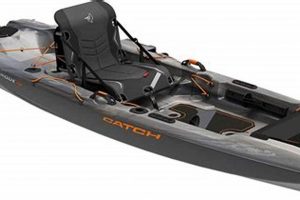
A small, specialized vessel designed for angling in calm waters, particularly those frequented by insects like dragonflies, offers a unique approach to sport fishing. These watercraft prioritize stability and maneuverability, allowing anglers to quietly approach fish feeding near the surface.
This style of fishing provides several advantages. The compact size and light weight of these boats enable access to shallow or vegetated areas often inaccessible to larger vessels. Their quiet operation minimizes disturbance to fish, increasing the likelihood of a successful catch. Furthermore, this specialized approach promotes a closer connection with nature, allowing anglers to observe aquatic life up close. While not a new concept, this form of fishing has seen a resurgence in popularity due to increasing interest in minimalist angling techniques and eco-conscious recreation.
Further exploration will cover specific features of these specialized boats, recommended equipment, suitable locations, and techniques for successful angling. Considerations for safety and environmental responsibility will also be addressed.
Tips for Small Boat Angling
Effective angling from small, specialized watercraft requires careful consideration of equipment, technique, and location. The following tips offer guidance for a successful and enjoyable experience.
Tip 1: Prioritize Stability: Select a craft designed for stability, particularly in calm water conditions. Wider hulls and balanced weight distribution are key factors.
Tip 2: Minimize Movement: Sudden movements can spook fish. Practice smooth, deliberate paddling and casting techniques.
Tip 3: Utilize Light Tackle: Lightweight rods, reels, and lines are ideal for targeting smaller fish species typically found in shallow waters.
Tip 4: Match the Hatch: Observe the prevalent insect life and select lures or flies that mimic their appearance and movement.
Tip 5: Explore Shallow Areas: Small craft allow access to shallow, vegetated areas often inaccessible to larger boats. These areas can be productive fishing spots.
Tip 6: Respect Wildlife: Maintain a safe distance from wildlife and avoid disturbing nesting areas or other sensitive habitats.
Tip 7: Practice Catch and Release: Consider catch-and-release fishing to conserve fish populations and ensure the sustainability of this activity.
Tip 8: Check Regulations: Be aware of and adhere to all local fishing regulations, including licensing requirements and size limits.
By following these guidelines, anglers can enhance their success and contribute to responsible enjoyment of this specialized form of fishing.
These tips provide a foundation for a rewarding experience. The following section will offer insights into selecting the right equipment for this unique style of angling.
1. Compact Size

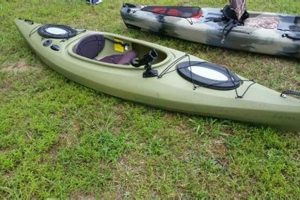
The compact size of a dragonfly fishing kayak is a defining feature, directly influencing its suitability for specific environments and angling styles. This characteristic offers distinct advantages for maneuvering in confined spaces and accessing shallow, vegetated waters often teeming with fish.
- Maneuverability:
Smaller dimensions translate to increased agility, allowing anglers to navigate narrow waterways, weave through obstacles like fallen trees or emergent vegetation, and execute tight turns. This maneuverability is crucial for pursuing fish in complex environments.
- Portability and Storage:
The reduced length and weight simplify transport and storage. These kayaks are easier to load onto vehicle roof racks, carry short distances, and store in garages or sheds, making them a practical choice for anglers with limited storage space or those who frequently travel to different fishing locations.
- Shallow Water Access:
The compact nature of these kayaks allows them to float in minimal water depths. This is a significant advantage when targeting fish in shallow areas inaccessible to larger vessels. These shallows often provide rich feeding grounds and offer a unique angling experience.
- Reduced Disturbance:
A smaller vessel creates less disturbance on the water surface compared to larger boats. This minimizes the chances of spooking fish, particularly in calm, clear waters, enhancing the likelihood of a successful and discreet approach.
These facets of compact size contribute significantly to the effectiveness and appeal of the dragonfly fishing kayak. This design prioritizes access to specific environments and a stealthy approach, enhancing the angler’s connection with nature and increasing the chances of a productive fishing experience.
2. Enhanced Stability
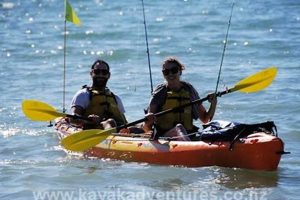
Enhanced stability is a crucial design element in dragonfly fishing kayaks, directly impacting angling success and overall safety. These kayaks are engineered with stability as a priority, enabling anglers to maintain balance while casting, reeling, and landing fish, particularly in calm water conditions where subtle movements are amplified. A stable platform allows for precise casting, minimizing disruptions that could spook fish. This is particularly important when targeting species attracted to surface insects, as delicate presentations are often required.
Several factors contribute to enhanced stability. Wider hulls provide a larger base of support, resisting tipping. Flat bottoms further enhance stability, especially in shallow water. Weight distribution also plays a critical role; a low center of gravity contributes to balance. Specialized designs often incorporate outriggers or pontoon-like structures for added stability, allowing anglers to stand and cast with confidence. This enhanced stability translates to increased fishing effectiveness and a safer experience on the water. For example, an angler sight-fishing for bass in a shallow pond benefits significantly from a stable platform, allowing accurate casts to wary fish without disturbing the water’s surface.
The focus on enhanced stability distinguishes dragonfly fishing kayaks from other small watercraft. This feature enables anglers to focus on the nuances of fishing, maximizing their chances of success while ensuring a safe and comfortable experience. Understanding the importance of stability in this context highlights the specialized nature of these kayaks and their suitability for specific angling styles and environments. Future discussions will address the selection and effective use of fishing gear in conjunction with these specialized kayaks.
3. Shallow Water Access

Shallow water access represents a defining advantage of dragonfly fishing kayaks, enabling exploration of environments often inaccessible to larger vessels. These shallow areas, frequently rich in aquatic life, provide unique angling opportunities, making this capability a key consideration for anglers targeting specific species or habitats. The following facets explore the significance of shallow water access in the context of dragonfly fishing kayaks.
- Habitat Exploitation:
Shallow water zones often harbor diverse ecosystems, supporting various fish species and providing feeding grounds rich in insects and other prey. Dragonfly fishing kayaks, with their minimal draft, grant access to these productive areas, allowing anglers to target species that thrive in these environments. For example, shallow, weedy margins of ponds and lakes are prime locations for bass and panfish, species readily accessible with these specialized kayaks.
- Stealth and Approach:
Shallow water fishing often demands a stealthy approach. Dragonfly fishing kayaks, due to their compact size and quiet operation, minimize disturbance, allowing anglers to approach fish discreetly without creating pressure waves or excessive noise that could spook them. This is crucial in clear, shallow water where fish are easily alerted.
- Sight Fishing Opportunities:
Clear, shallow water provides excellent sight fishing opportunities. Anglers can observe fish behavior and target specific individuals, enhancing the angling experience and promoting selective harvesting. The stable platform of a dragonfly fishing kayak further aids sight fishing by allowing for precise casts and minimizing unintended movements.
- Navigating Complex Environments:
Shallow water environments often present navigational challenges, such as submerged logs, dense vegetation, and uneven bottom contours. The maneuverability of dragonfly fishing kayaks, facilitated by their compact size and efficient hull designs, allows anglers to navigate these complex areas effectively, reaching prime fishing locations inaccessible to larger, less agile craft. This capability expands the range of fishable water and increases the potential for success.
The ability to access shallow water distinguishes dragonfly fishing kayaks and underscores their suitability for specific angling styles and target species. This capability, combined with other design features, opens up a realm of fishing opportunities, allowing anglers to connect with nature and experience the unique challenges and rewards of shallow water angling.
4. Quiet Operation

Quiet operation is a critical attribute of dragonfly fishing kayaks, directly influencing angling success by minimizing disturbance to fish, particularly in calm, shallow waters. The stealthy nature of these kayaks allows anglers to approach fish discreetly, increasing the likelihood of close-range presentations and improving catch rates. The following facets explore the components, examples, and implications of quiet operation in the context of dragonfly fishing kayaks.
- Reduced Water Displacement:
The compact size and streamlined hull design of these kayaks minimize water displacement, resulting in smaller pressure waves that are less likely to alert fish. Compared to larger vessels with deeper drafts and broader beams, dragonfly fishing kayaks create significantly less disturbance, allowing for a more stealthy approach, especially in shallow environments.
- Minimal Paddle Noise:
Efficient paddle strokes and the use of lightweight, streamlined paddles further contribute to quiet operation. Smooth, deliberate paddling techniques minimize splashing and turbulence, reducing noise that could spook fish. Choosing paddles designed for quiet operation enhances this advantage.
- Absence of Motor Noise:
Dragonfly fishing kayaks are typically human-powered, eliminating the noise associated with outboard motors. This absence of engine noise is a significant advantage in calm water conditions where sound travels easily, allowing anglers to maintain a low profile and approach fish undetected.
- Impact on Fish Behavior:
Fish in shallow, clear water are particularly sensitive to noise and vibrations. The quiet operation of dragonfly fishing kayaks minimizes these disturbances, reducing stress on fish and increasing their willingness to feed. This translates to improved catch rates and a more ethical angling experience.
The quiet operation of dragonfly fishing kayaks is integral to their effectiveness and aligns with the principles of minimal disturbance and respectful interaction with the aquatic environment. This characteristic, combined with other design features like compact size and enhanced stability, contributes to a unique angling experience that emphasizes stealth, precision, and a close connection with nature. The following sections will explore the specialized equipment and techniques that complement the quiet operation of these kayaks, maximizing their effectiveness in diverse fishing scenarios.
5. Close-to-Nature Experience

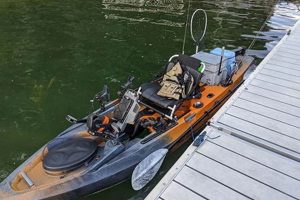
The dragonfly fishing kayak facilitates a close-to-nature experience, differentiating it from other angling methods. This intimate interaction with the natural world stems from several key factors inherent in the design and usage of these specialized vessels. The compact size and human-powered propulsion allow for quiet, non-intrusive navigation through calm waterways, minimizing disruption to the surrounding environment. This fosters opportunities for close observation of aquatic life, from dragonflies skimming the water’s surface to fish feeding in shallows. The low profile of the kayak places the angler closer to the waterline, enhancing the sense of immersion and connection with the aquatic ecosystem. Consider an angler paddling through a lily pad-covered cove, observing turtles basking on logs and herons wading in the shallowsa scenario readily accessible with a dragonfly fishing kayak.
This close-to-nature experience extends beyond mere observation. The quiet operation and maneuverability of the kayak enable anglers to approach fish discreetly, requiring a heightened awareness of fish behavior and environmental cues. This intimate engagement with the angling process fosters a deeper appreciation for the intricacies of the aquatic ecosystem and the challenges of pursuing fish in their natural habitat. Furthermore, the physical exertion of paddling and the focused attention required for successful angling contribute to a sense of mindfulness and connection with the present moment. The angler becomes an active participant in the natural world, rather than a detached observer. For instance, an angler casting to a rising trout in a crystal-clear stream experiences a direct connection with the environment and the targeted species, a connection amplified by the intimate nature of the dragonfly fishing kayak.
The close-to-nature experience offered by the dragonfly fishing kayak represents a significant aspect of its appeal. This connection with the natural world fosters a deeper appreciation for environmental stewardship and promotes responsible angling practices. While challenges such as weather dependency and limited carrying capacity exist, the unique benefits of this intimate angling experience contribute significantly to its growing popularity among anglers seeking a more connected and mindful approach to fishing. This emphasis on the close-to-nature experience underscores the value of dragonfly fishing kayaks beyond mere sporting equipment, positioning them as tools for fostering a deeper understanding and appreciation of the natural world.
6. Specialized Angling
Specialized angling defines the core purpose of the dragonfly fishing kayak. This specialization centers around targeting fish in specific habitats, primarily calm, shallow waters, often rich in insect life, including dragonflies. The kayak’s design features directly support this specialized approach. Its compact size allows access to shallow, vegetated areas often inaccessible to larger boats, while its quiet operation minimizes disturbance to fish in these sensitive environments. The enhanced stability of the kayak facilitates precise casting and accurate presentations, essential for targeting fish feeding on or near the surface. This specialized angling approach contrasts with techniques employed in open water or deeper environments, where different equipment and strategies are required. For instance, an angler pursuing bass in a shallow, weedy pond utilizes a dragonfly fishing kayak’s specialized capabilities to maneuver quietly and present lures accurately to target fish. Conversely, trolling for salmon in a large lake requires a different type of vessel and angling approach altogether.
The connection between specialized angling and the dragonfly fishing kayak extends beyond the vessel’s physical attributes. It influences equipment choices, angling techniques, and target species. Lightweight rods, reels, and lines are favored to complement the kayak’s maneuverability and sensitivity. Lures and flies mimicking insects prevalent in the target environment, such as dragonflies, are often employed. Target species are typically those inhabiting shallow, calm waters, such as panfish, bass, and trout. The angler’s understanding of fish behavior and habitat preferences in these specialized environments is crucial for success. For example, knowledge of a specific fish species’ feeding patterns in relation to insect hatches enhances the effectiveness of lure selection and presentation. This specialized knowledge distinguishes dragonfly fishing kayak angling from more generalized approaches, emphasizing the angler’s understanding of specific ecosystems and target species.
The specialization inherent in dragonfly fishing kayak angling presents unique advantages and challenges. The focused approach allows for a deeper understanding of specific ecosystems and fish behavior, fostering a more connected and rewarding angling experience. However, this specialization limits the range of fishable environments and target species. Anglers seeking versatility may require different equipment for diverse fishing scenarios. Despite this limitation, the dragonfly fishing kayak’s specialized angling focus offers a distinct and rewarding approach for anglers seeking a close-to-nature experience and the challenges of targeting fish in specific, often overlooked, habitats. This specialized approach contributes to the growing popularity of dragonfly fishing kayaks among anglers seeking a more intimate and focused angling experience.
Frequently Asked Questions
This section addresses common inquiries regarding specialized small fishing kayaks designed for calm waters.
Question 1: What differentiates these specialized kayaks from recreational kayaks?
Key distinctions include enhanced stability for fishing activities, compact size for navigating shallow or confined areas, and design features that prioritize quiet operation to minimize disturbance to fish. These specialized kayaks are purpose-built for angling, unlike recreational kayaks designed for general paddling.
Question 2: Are these kayaks suitable for larger individuals or heavier loads?
Weight capacity varies by model. Careful consideration of the manufacturer’s specifications is essential to ensure suitability for individual anglers and their gear. Exceeding weight limits compromises stability and performance.
Question 3: What type of water conditions are optimal for these kayaks?
Calm waters, such as ponds, lakes, and slow-moving rivers, are ideal. These kayaks are not designed for open water, rough conditions, or strong currents. Prioritizing safety requires careful assessment of water conditions before each use.
Question 4: What essential safety precautions should be taken when using these kayaks?
Wearing a personal flotation device is paramount. Informing someone of the intended fishing location and estimated return time is also crucial. Carrying a whistle, basic first-aid kit, and communication device enhances safety preparedness.
Question 5: What fishing techniques are most effective with these kayaks?
Techniques that benefit from a stable platform and quiet approach are most effective. These include sight fishing, casting lightweight lures or flies, and drifting baits in shallow areas. Adapting techniques to specific target species and prevailing conditions maximizes success.
Question 6: What maintenance is required for these kayaks?
Regular rinsing with fresh water after each use helps prevent damage from saltwater or other corrosive elements. Storing the kayak in a shaded area, protected from extreme temperatures and sunlight, prolongs its lifespan. Periodic inspection for damage and necessary repairs ensures continued safe and effective operation.
Addressing these frequently asked questions clarifies key considerations related to the selection, use, and maintenance of specialized small fishing kayaks. Informed decision-making ensures a safe, enjoyable, and successful angling experience.
The following section will delve into specific techniques for maximizing fishing success from these specialized kayaks.
Conclusion
Specialized vessels designed for dragonfly fishing represent a distinct approach to angling. Their compact design, enhanced stability, and quiet operation facilitate access to shallow, calm-water environments rich in insect life. These features enable close-to-nature experiences and specialized angling techniques targeting species often found in these habitats. Understanding these core attributes, along with associated equipment and safety considerations, allows anglers to maximize the effectiveness and enjoyment of this specialized fishing style.
The growing interest in this specialized equipment reflects a broader trend toward mindful, environmentally conscious angling. As anglers seek deeper connections with nature and pursue specialized fishing experiences, continued development and refinement of these vessels can be anticipated. Choosing specialized equipment tailored to specific angling pursuits enhances both the effectiveness and the overall experience. Careful consideration of individual needs and environmental conditions remains paramount for responsible and successful angling practices.