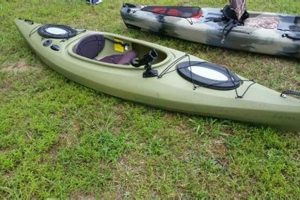
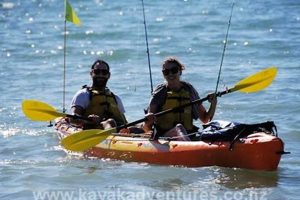
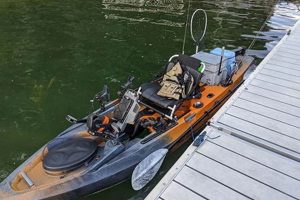
This specific model designation likely refers to a particular fishing kayak within a manufacturer’s product line. Such designations often combine letters and numbers to differentiate models based on features, size, or intended use. A hypothetical example could be a 10-foot sit-on-top kayak designed for fishing, hence the abbreviated “fs10”. This specific model is likely characterized by features relevant to anglers, such as rod holders, storage compartments for tackle, and perhaps a stable hull design for easier casting and reeling.
Specialized fishing kayaks offer significant advantages over general-purpose recreational kayaks. Their design considerations cater directly to the needs of anglers, enhancing comfort, stability, and functionality on the water. This can translate into a more enjoyable and productive fishing experience. Historically, fishing kayaks have evolved from basic adaptations of standard kayaks to highly specialized vessels incorporating advanced materials and innovative features. This evolution reflects the growing popularity of kayak fishing and the demand for equipment tailored to this specific activity.
Further exploration of this particular model would delve into its specific features, performance characteristics, user reviews, and comparisons with similar kayaks on the market. This information would be invaluable for potential buyers considering this model for their fishing excursions.
Tips for Kayak Fishing
Effective kayak fishing requires careful planning and execution. These tips offer guidance for a safe and productive experience on the water.
Tip 1: Prioritize Safety Equipment: Always wear a personal flotation device (PFD). Carry a whistle, signaling mirror, and waterproof communication device for emergencies. Inform someone of your planned fishing location and estimated return time.
Tip 2: Plan and Research: Study weather forecasts, tides, and currents before heading out. Research potential fishing spots and understand local regulations. A pre-planned route enhances efficiency and safety.
Tip 3: Organize and Secure Gear: Utilize appropriate storage solutions to keep essential equipment accessible and prevent loss or damage. Secure rods, tackle boxes, and other gear to the kayak to minimize clutter and maximize space.
Tip 4: Practice Paddle Strokes and Maneuvers: Proficiency in basic paddling techniques and maneuvering skills is crucial for navigating various water conditions and accessing desired fishing locations. Practice in calm water before venturing into more challenging environments.
Tip 5: Understand Kayak Stability: Familiarize yourself with the kayak’s stability limits to prevent capsizing. Avoid sudden movements or leaning too far over the side, especially when casting or retrieving.
Tip 6: Employ Appropriate Fishing Techniques: Adapt fishing techniques to the kayak environment. Consider using shorter rods and lighter tackle for easier handling. Practice casting from a seated position.
Tip 7: Respect the Environment: Practice Leave No Trace principles. Pack out all trash, avoid disturbing wildlife, and adhere to responsible fishing practices. Respect other anglers and boaters sharing the waterway.
By adhering to these guidelines, anglers can significantly enhance their safety and enjoyment on the water, leading to more productive and fulfilling fishing experiences.
These preparatory steps contribute to a more successful and enjoyable fishing trip.
1. Model-specific features

Distinguishing features set specific kayak models apart, adapting them to particular fishing styles and environments. For a hypothetical “fs10 fishing kayak,” these features are crucial for evaluating suitability and potential performance.
- Hull Design:
Hull design significantly impacts stability, maneuverability, and tracking. A wider, flatter hull offers greater stability for stand-up fishing, while a longer, narrower hull improves speed and tracking in open water. The fs10’s hypothetical hull design would dictate its suitability for different water conditions and fishing styles.
- Storage Options:
Dedicated storage compartments, such as dry hatches, tank wells, and tackle storage, are essential for organizing fishing gear and keeping it readily accessible. The fs10’s storage capacity and configuration would influence its practicality for carrying essential equipment and supplies.
- Rod Holders and Mounts:
Integrated rod holders and mounts provide secure storage and quick access to fishing rods. Flush-mounted rod holders minimize line entanglement and optimize deck space. The number, type, and placement of rod holders on the fs10 would determine its suitability for various fishing techniques.
- Seating and Comfort:
Adjustable seating systems, including features like adjustable backrests and footrests, enhance comfort during long fishing trips. A comfortable and supportive seat promotes better posture and reduces fatigue. The fs10’s seating system would directly impact angler comfort and endurance on the water.
Careful consideration of these model-specific features provides valuable insights into the fs10’s intended use, performance characteristics, and overall suitability for individual anglers’ needs and preferences. Comparing these features across different models allows for informed decisions based on specific fishing requirements and desired experiences.
2. Targeted fishing applications
A fishing kayak’s design and features directly correlate with its suitability for specific fishing applications. Understanding these targeted applications is crucial for evaluating the fs10 fishing kayak’s potential effectiveness in various fishing environments and scenarios.
- Freshwater Lakes and Ponds:
Calm, inland waters often require kayaks with enhanced stability for casting and retrieving. Features like ample storage for tackle and bait, along with comfortable seating for extended periods, are beneficial. The hypothetical fs10’s suitability for lakes and ponds would depend on its stability, storage capacity, and seating comfort.
- Rivers and Streams:
River fishing necessitates maneuverability and tracking capabilities to navigate currents and access specific fishing spots. A kayak’s ability to handle moving water and shallow areas is critical. The fs10’s performance in river environments would depend on its hull design, maneuverability, and draft.
- Inshore Coastal Waters:
Coastal fishing presents challenges like varying tides, currents, and wind conditions. Kayaks designed for inshore use often prioritize stability, tracking, and storage capacity for larger catches. The fs10’s suitability for inshore coastal fishing would depend on its stability in rougher water and capacity to handle larger fish.
- Offshore Fishing (Limited):
While specialized kayaks exist for offshore fishing, some smaller, more stable models like the hypothetical fs10 might be suitable for near-shore or protected offshore environments. Factors such as stability, storage, and self-rescue capabilities are critical considerations. The fs10’s offshore capabilities would be limited and require careful assessment of water conditions and safety precautions.
Matching the fs10 fishing kayak to its intended fishing application is essential for maximizing its effectiveness and ensuring a safe and productive fishing experience. Careful consideration of these targeted applications will inform purchase decisions and guide appropriate usage based on individual fishing preferences and target species.
3. Performance characteristics

A fishing kayak’s performance characteristics directly influence its on-the-water effectiveness and overall suitability for specific fishing styles and environments. Evaluating these characteristics provides crucial insights into the fs10 fishing kayak’s potential capabilities and limitations.
- Stability
Stability refers to a kayak’s resistance to tipping or capsizing. Primary stability describes initial resistance to tipping, while secondary stability refers to resistance as the kayak leans further. High primary stability is crucial for stand-up fishing, while strong secondary stability is essential for rough water conditions. The fs10’s stability profile would dictate its suitability for different fishing styles and water environments. A wider hull generally provides more initial stability, while a narrower hull with a pronounced keel offers greater secondary stability. Understanding the fs10’s stability characteristics is essential for safe and effective angling.
- Maneuverability
Maneuverability refers to a kayak’s responsiveness to paddle input and its ability to turn efficiently. A highly maneuverable kayak is advantageous in tight spaces, such as navigating through vegetation or around obstacles. Factors influencing maneuverability include hull design, length, and rudder or skeg systems. The fs10’s maneuverability would determine its suitability for navigating various water environments and accessing specific fishing locations. Shorter kayaks generally turn more quickly, while longer kayaks track more efficiently in a straight line.
- Tracking
Tracking refers to a kayak’s ability to maintain a straight course with minimal paddle correction. Efficient tracking is desirable for covering longer distances or paddling in windy conditions. Hull design, length, and the presence of a rudder or skeg significantly influence tracking performance. The fs10’s tracking ability would impact its efficiency in open water and its performance in currents or wind. Longer, narrower kayaks generally track better than shorter, wider kayaks. A rudder or skeg can improve tracking, especially in challenging conditions.
- Speed
Speed refers to how quickly a kayak can move through the water. While not always the primary concern for fishing kayaks, speed can be advantageous for covering larger distances or reaching distant fishing spots. Hull design, length, and waterline length all contribute to a kayak’s speed potential. The fs10’s speed capabilities would influence its efficiency in covering water and accessing different fishing areas. Kayaks with longer waterlines and narrower hulls tend to be faster.
Evaluating these performance characteristics provides a comprehensive understanding of the fs10 fishing kayak’s on-the-water capabilities and how they align with specific fishing needs and preferences. Analyzing these factors in conjunction with model-specific features and targeted fishing applications allows for informed decisions and optimized utilization of the kayak’s potential.
4. User experiences and reviews
User experiences and reviews offer invaluable insights into the practical performance and suitability of the fs10 fishing kayak. These firsthand accounts provide perspectives beyond manufacturer specifications, encompassing real-world usage scenarios and potential advantages or disadvantages. Examining user feedback contributes significantly to informed purchase decisions and realistic expectations.
Real-life examples of user experiences might include feedback on stability in various water conditions, maneuverability in tight spaces, the effectiveness of storage solutions, and the overall comfort and durability of the kayak. Positive reviews could highlight exceptional stability for stand-up fishing, ample storage for tackle and gear, or efficient tracking in open water. Conversely, negative reviews might address limitations in rough water performance, insufficient storage for specific fishing gear, or discomfort during extended trips. Analyzing these diverse experiences provides a balanced perspective on the fs10’s strengths and weaknesses.
Understanding the practical significance of user experiences and reviews empowers potential buyers to assess the fs10 fishing kayak’s suitability for their specific needs and preferences. This information complements manufacturer specifications and marketing materials, offering a more comprehensive and nuanced understanding of the kayak’s real-world performance. Critical analysis of user feedback allows for informed decisions, minimizing potential disappointment and maximizing the likelihood of a positive fishing experience. This process also benefits manufacturers by providing valuable feedback for product improvements and future design considerations.
5. Competitive market positioning
Competitive market positioning is crucial for understanding the fs10 fishing kayak’s relative strengths, weaknesses, and overall value proposition within the broader kayak market. Analyzing the competitive landscape provides potential buyers with a framework for evaluating the fs10 against similar offerings, facilitating informed purchase decisions based on features, price, and target audience.
- Price-quality ratio
The fs10’s price relative to its features and quality directly impacts its perceived value. Comparing its price point to similar kayaks with comparable features and build quality reveals whether it offers a competitive advantage in terms of affordability or premium features. A lower price for similar features might attract budget-conscious buyers, while a higher price might suggest premium materials or advanced design elements. Understanding the fs10’s price-quality ratio helps potential buyers determine its overall value proposition within the market.
- Target audience
The fs10’s intended target audience influences its design, features, and marketing. Identifying the specific angler demographicbeginner, intermediate, or advancedhelps determine the kayak’s suitability for different skill levels and fishing styles. For example, a kayak targeting beginners might prioritize stability and ease of use, while a kayak designed for experienced anglers might emphasize performance and specialized features. Understanding the fs10’s target audience clarifies its intended use and potential suitability for individual anglers.
- Feature differentiation
Distinguishing features set the fs10 apart from competitors within the market. These features could include unique storage solutions, specialized rod holders, advanced hull designs, or innovative seating systems. Analyzing these differentiating features highlights the fs10’s strengths and potential advantages over alternative options. For instance, a unique hull design offering exceptional stability might appeal to anglers who prefer stand-up fishing, while integrated electronic systems could attract tech-savvy anglers. Understanding the fs10’s feature differentiation clarifies its competitive advantages and target market.
- Brand reputation and market share
The manufacturer’s brand reputation and market share influence consumer perception and trust. A well-established brand with a strong reputation for quality and customer service might command a premium price and attract loyal customers. Analyzing market share provides insights into the brand’s popularity and competitive standing within the industry. The fs10’s brand reputation and market share contribute to its perceived value and influence purchasing decisions. A reputable brand often signifies higher quality and better customer support, contributing to the overall ownership experience.
Understanding the fs10 fishing kayak’s competitive market positioning provides a comprehensive perspective on its value proposition, target audience, and overall suitability for individual anglers. By analyzing these factors, potential buyers can make informed decisions based on their specific needs, preferences, and budget. This analysis also highlights areas where the fs10 excels or falls short compared to competitors, providing valuable insights for both consumers and manufacturers.
Frequently Asked Questions
This section addresses common inquiries regarding the hypothetical “fs10 fishing kayak,” providing concise and informative responses to facilitate informed decision-making.
Question 1: What is the weight capacity of the fs10 fishing kayak?
Weight capacity varies among kayak models. Consulting manufacturer specifications provides the precise weight limit for the fs10, ensuring safe and optimal performance.
Question 2: What materials are used in the construction of the fs10?
Kayak construction typically involves various materials, including high-density polyethylene (HDPE), fiberglass, or composite materials. Manufacturer details specify the fs10’s construction materials, influencing durability and performance characteristics.
Question 3: Is the fs10 fishing kayak suitable for use in saltwater environments?
Suitability for saltwater depends on the kayak’s design and materials. Manufacturer recommendations regarding saltwater usage should be consulted for the fs10 to prevent material degradation or performance issues.
Question 4: What is the overall length and width of the fs10 fishing kayak?
Length and width influence stability and maneuverability. Manufacturer specifications provide precise dimensions for the fs10, aiding in transportation and storage considerations.
Question 5: Does the fs10 fishing kayak come with any included accessories?
Included accessories vary among kayak models. Manufacturer information clarifies any included accessories with the fs10, such as paddles, rod holders, or storage compartments.
Question 6: What is the warranty coverage for the fs10 fishing kayak?
Warranty terms and conditions vary among manufacturers. Consulting manufacturer documentation outlines the specific warranty coverage for the fs10, protecting against potential defects or manufacturing issues.
Addressing these frequently asked questions provides clarity regarding the fs10 fishing kayak’s key features, specifications, and suitability for various fishing applications. Consulting manufacturer resources offers further detailed information and ensures informed purchase decisions.
Further exploration might involve comparing the fs10 to similar models or delving deeper into specific performance characteristics. This foundational knowledge empowers potential buyers to evaluate the fs10 fishing kayak effectively.
Conclusion
Careful evaluation of factors such as model-specific features, targeted fishing applications, performance characteristics, user experiences, and competitive market positioning provides a comprehensive understanding of the hypothetical “fs10 fishing kayak.” This analytical approach empowers informed decision-making, aligning individual angler needs and preferences with the kayak’s capabilities and intended usage. Understanding the interplay of these factors maximizes the likelihood of a positive and productive fishing experience.
Potential purchasers are encouraged to consult manufacturer specifications and reputable reviews for the most current and accurate information. The hypothetical “fs10 fishing kayak” represents a specific example within a dynamic market, subject to ongoing innovation and refinement. Diligent research and careful consideration remain essential for selecting the optimal fishing kayak for individual needs and aspirations.