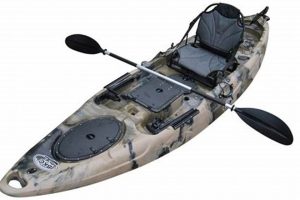
A top-rated tandem inflatable kayak designed for angling offers portability, stability, and specialized features. These kayaks typically include rod holders, gear tracks, and ample storage for fishing equipment. An example would be a durable, puncture-resistant inflatable kayak with adjustable seats and a high weight capacity, suitable for two anglers and their gear on various waterways.
Choosing a high-quality tandem inflatable fishing kayak provides several advantages. Portability allows anglers to access remote fishing spots otherwise unreachable by larger, less maneuverable boats. Inflatable designs often offer surprising stability, creating a comfortable and secure fishing platform. Dedicated features like rod holders and gear tracks enhance the fishing experience, keeping essential equipment organized and readily accessible. The evolution of materials and construction techniques has resulted in increasingly durable and reliable inflatable kayaks suitable for serious angling.
The following sections will delve deeper into specific features to consider when selecting a tandem inflatable fishing kayak, popular models available on the market, and essential safety precautions for a successful fishing trip.
Tips for Selecting a Tandem Inflatable Fishing Kayak
Choosing the right tandem inflatable fishing kayak involves careful consideration of several factors to ensure optimal performance, safety, and enjoyment on the water.
Tip 1: Prioritize Weight Capacity: Ensure the kayak’s weight capacity comfortably accommodates two adults, fishing gear, and any additional equipment. Exceeding the capacity compromises stability and performance.
Tip 2: Evaluate Material Durability: Opt for kayaks constructed from durable, puncture-resistant materials, such as reinforced PVC or Hypalon, to withstand potential encounters with rocks, submerged debris, and fishing hooks.
Tip 3: Consider Seat Comfort and Adjustability: Comfortable, adjustable seats are crucial for long fishing trips. Look for features like adjustable backrests, inflatable lumbar support, and ample legroom.
Tip 4: Assess Storage Options: Ample storage space is essential for carrying fishing rods, tackle boxes, and other gear. Consider dedicated compartments, D-rings, and bungee cords for secure storage.
Tip 5: Examine Included Accessories: Evaluate included accessories such as rod holders, paddle holders, and carry bags. These additions can significantly enhance convenience and fishing efficiency.
Tip 6: Check Inflation and Deflation Ease: Efficient inflation and deflation systems simplify setup and pack-down processes. Look for high-quality valves and pumps designed for rapid operation.
Tip 7: Research Tracking and Stability: Kayak performance on the water is crucial. Look for designs that offer good tracking (ability to paddle straight) and stability, especially in varying water conditions.
Careful consideration of these factors contributes to selecting a tandem inflatable fishing kayak that meets individual needs and enhances the overall fishing experience.
The next section will discuss popular models and brands available in the market, providing further guidance in the selection process.
1. Stability

Stability is a paramount consideration when selecting a two-person inflatable fishing kayak. A stable platform is essential for casting lines, reeling in fish, and navigating various water conditions. Compromised stability can lead to angler discomfort, difficulty managing equipment, and even capsizing, highlighting the critical role stability plays in overall safety and fishing success.
- Hull Design and Shape
Wider hulls and flat bottoms generally provide greater initial stability, making them less prone to tipping, especially when stationary. Catamaran-style hulls offer exceptional stability due to their dual-hull design. However, wider hulls can sacrifice maneuverability. Kayaks with a more streamlined, V-shaped hull may track better but offer less initial stability. The optimal hull design balances stability with maneuverability depending on intended fishing locations and conditions.
- Inflatable Chamber Configuration
Multiple air chambers contribute significantly to both stability and safety. Should one chamber be punctured, the remaining chambers provide sufficient buoyancy to keep the kayak afloat. The configuration and placement of these chambers also influence weight distribution and overall stability. Kayaks with strategically positioned chambers offer a more balanced and secure feel on the water.
- Weight Capacity and Distribution
Exceeding a kayak’s weight capacity negatively impacts stability. Proper weight distribution is equally important. Evenly distributing gear and passengers within the kayak optimizes balance and reduces the risk of tipping. Understanding and adhering to weight recommendations are crucial for maintaining stability and safe operation.
- Water Conditions and Environmental Factors
Calm lakes and slow-moving rivers present fewer stability challenges compared to choppy waters or strong currents. Wind, waves, and wakes from passing boats can also compromise stability. Choosing a kayak with sufficient stability for anticipated water conditions is paramount for safety and a comfortable fishing experience.
Ultimately, a stable two-person inflatable fishing kayak maximizes angler safety and effectiveness. Careful consideration of hull design, air chamber configuration, weight capacity, and anticipated water conditions are all vital for a secure and successful fishing experience. Prioritizing stability ensures anglers can focus on fishing, confident in their platform’s ability to handle the challenges of the water.
2. Durability

Durability is a critical factor in evaluating inflatable fishing kayaks, especially for tandem models subjected to increased stress and potential abrasion from gear and varied water conditions. A durable kayak ensures longevity, minimizes repair needs, and contributes to a safe and reliable fishing experience. Examining construction materials, seam strength, and resistance to punctures provides valuable insights into a kayak’s overall durability.
- Material Quality
The material comprising the kayak’s body directly impacts its durability. High-quality PVC or Hypalon fabrics with multiple layers and reinforced coatings offer superior resistance to punctures, abrasions, and UV degradation. Denier, a measurement of yarn thickness, indicates material strength; higher denier values generally correspond to increased durability. Examining material specifications is crucial for assessing a kayak’s ability to withstand the rigors of fishing environments.
- Seam Construction
Seams represent potential weak points in inflatable kayaks. Welded seams, rather than glued seams, offer superior strength and longevity, minimizing the risk of leaks and separations. Reinforced stitching further enhances seam integrity, contributing to overall durability. Carefully inspecting seam construction provides insights into the kayak’s ability to withstand stress and maintain air pressure over time.
- Puncture and Abrasion Resistance
Inflatable kayaks encounter various potential hazards, including rocks, submerged branches, and fishing hooks. Kayaks constructed with thicker materials and reinforced coatings demonstrate greater resistance to punctures and abrasions. Multiple air chambers, while contributing to stability, also enhance safety in the event of a puncture. Considering a kayak’s puncture and abrasion resistance is crucial, particularly for fishing environments with potential hazards.
- UV Resistance and Environmental Factors
Prolonged exposure to sunlight can degrade certain materials, leading to weakening and premature failure. UV-resistant coatings protect against sun damage, extending the kayak’s lifespan. Additionally, resistance to mildew and other environmental factors contributes to long-term durability. Evaluating a kayak’s resistance to environmental factors ensures its ability to withstand various conditions over extended periods.
Investing in a durable two-person inflatable fishing kayak ensures long-term performance and minimizes the risk of disruptions during fishing trips. Prioritizing durable construction materials, robust seam construction, and resistance to punctures and environmental factors contributes to a reliable and enjoyable fishing experience for years to come. The long-term value of a durable kayak outweighs potential cost savings associated with less durable alternatives.
3. Capacity (weight & storage)
Capacity, encompassing both weight and storage, is a crucial determinant in selecting a high-performing two-person inflatable fishing kayak. Weight capacity directly impacts safety and performance. Insufficient capacity compromises stability, potentially leading to capsizing or significantly hindering maneuverability. A kayak’s listed capacity must comfortably accommodate the combined weight of two anglers, fishing gear, and any additional equipment. Ignoring weight limits risks performance degradation and jeopardizes safety. For instance, a kayak overloaded beyond its capacity sits lower in the water, impacting tracking and increasing the likelihood of water ingress. Conversely, ample weight capacity ensures efficient paddling, maintains maneuverability, and provides a safe margin for varying conditions.
Storage capacity plays a critical role in fishing functionality. Adequate storage accommodates essential fishing gear, including rods, tackle boxes, and personal items. Specialized storage features enhance organization and accessibility. Dedicated rod holders secure rods while not in use, preventing loss or damage. Dry storage compartments protect sensitive electronics and personal belongings from water damage. Bungee cords and D-rings offer additional lashing points for securing gear. Ample storage space allows anglers to carry necessary equipment without compromising comfort or stability. Consider a scenario where limited storage necessitates leaving essential gear behind or results in a cluttered cockpit, hindering movement and fishing effectiveness. Sufficient storage, coupled with intelligent organization features, directly contributes to a more productive and enjoyable fishing experience.
In summary, capacity considerations are paramount when selecting a two-person inflatable fishing kayak. Adequate weight capacity ensures safe and efficient operation, while ample storage, complemented by practical organization features, maximizes fishing functionality. Balancing these capacity elements with other performance characteristics, such as stability and maneuverability, defines a truly high-performing fishing kayak. Neglecting capacity considerations can compromise safety, hinder performance, and ultimately detract from the overall fishing experience.
4. Maneuverability

Maneuverability represents a critical performance attribute in tandem inflatable fishing kayaks, directly influencing angling effectiveness and overall on-water experience. A highly maneuverable kayak enables precise navigation through complex waterways, including shallow areas, tight turns, and obstacle-rich environments like fallen trees or weed beds. These kayaks respond efficiently to paddle input, allowing anglers to position themselves optimally for casting and retrieving lines. Consider a scenario where a kayak struggles to navigate shallow water or turn swiftly to follow a hooked fish; such limitations can lead to missed opportunities and frustration. Conversely, a responsive, easily maneuverable kayak empowers anglers to exploit diverse fishing locations and react quickly to changing fishing conditions. This capability translates directly into increased fishing success and a more dynamic, engaging experience on the water.
Several factors contribute to a tandem inflatable fishing kayak’s maneuverability. Shorter kayaks generally turn more quickly than longer models, though they may sacrifice tracking performance (the ability to paddle straight). Fin configurations play a significant role; larger, strategically positioned fins enhance tracking, while smaller fins or removable fin systems promote tighter turning. Hull design also influences maneuverability; a V-shaped hull typically tracks well in open water but may be less agile in tight spaces compared to a flatter-bottomed hull. The combined weight of anglers and gear can also affect maneuverability; a heavier load may require more effort to turn and maneuver. Understanding these contributing factors allows for informed decisions aligned with specific fishing needs and preferences. For example, anglers targeting fish in narrow creeks or rivers prioritize maneuverability over straight-line tracking, while those fishing larger, open lakes may favor tracking performance for covering greater distances efficiently.
In conclusion, maneuverability plays a pivotal role in defining a high-performing two-person inflatable fishing kayak. The ability to navigate effectively in diverse environments, position precisely for casting, and react quickly to fish activity directly impacts angling success and enjoyment. Evaluating factors such as kayak length, fin configuration, hull design, and weight capacity provides valuable insights into a kayak’s maneuverability characteristics. Prioritizing maneuverability according to individual fishing needs and preferences optimizes the kayak’s performance and enhances the overall fishing experience.
5. Comfort (seats & features)

Comfort plays a crucial role in the overall fishing experience, particularly during extended outings. In the context of a two-person inflatable fishing kayak, comfort directly impacts angler endurance, focus, and enjoyment. An uncomfortable seating arrangement or lack of essential features can lead to fatigue, discomfort, and a diminished fishing experience. Therefore, careful consideration of seating design and integrated features is paramount when selecting a best-in-class tandem inflatable fishing kayak.
- Seat Design and Adjustability
Ergonomically designed seats with adjustable backrests, lumbar support, and ample legroom are essential for maintaining comfort during long hours on the water. High-back seats provide better support and reduce back strain. Adjustable features accommodate individual preferences and body types, ensuring optimal posture and reducing fatigue. Inferior seat designs lacking adjustability can lead to discomfort, stiffness, and an overall negative impact on the fishing experience. For example, a poorly designed seat without sufficient back support can cause back pain, hindering an angler’s ability to focus on fishing.
- Integrated Features and Accessories
Integrated features like rod holders, paddle parks, and cup holders enhance comfort and convenience. Rod holders keep fishing rods secure and readily accessible, freeing up anglers’ hands. Paddle parks provide designated storage for paddles, preventing them from interfering with fishing activities or getting lost overboard. Cup holders offer a convenient place to store beverages, ensuring hydration throughout the fishing trip. These seemingly small features contribute significantly to the overall comfort and enjoyment of the experience. For example, the absence of rod holders might require an angler to constantly hold their rod, leading to fatigue and reduced responsiveness to fish strikes.
- Deck Space and Layout
Ample deck space allows for comfortable movement and positioning within the kayak. A well-designed deck layout maximizes fishing efficiency by providing designated areas for gear storage and easy access to essential equipment. Sufficient space minimizes clutter and allows anglers to shift positions without feeling cramped or restricted. A cramped cockpit can hinder casting, reeling, and overall fishing performance. For instance, a kayak with limited deck space can make it difficult to land a fish or maneuver effectively during challenging conditions.
- Portability and Ease of Setup
While not directly related to on-the-water comfort, portability and ease of setup influence the overall experience. A lightweight, easily inflatable kayak minimizes pre- and post-fishing exertion, allowing anglers to conserve energy for the actual fishing. Complicated setup procedures or heavy kayaks can add unnecessary stress and fatigue, detracting from the overall experience. A convenient carrying case or backpack system further enhances portability. For example, a heavy kayak requiring significant effort to transport and inflate can diminish enthusiasm and enjoyment of the fishing trip itself.
In conclusion, prioritizing comfort in a two-person inflatable fishing kayak significantly enhances the overall fishing experience. A comfortable and well-equipped kayak allows anglers to focus on fishing, maximizing enjoyment and success on the water. By considering seat design, integrated features, deck space, and portability, anglers can select a kayak that prioritizes both performance and long-term comfort, crucial elements of a best-in-class inflatable fishing vessel.
6. Portability

Portability stands as a defining characteristic of inflatable kayaks, particularly crucial for tandem models often used in fishing expeditions. Transporting a rigid two-person kayak presents logistical challenges, frequently requiring specialized roof racks or trailers. Inflatable kayaks, however, offer a convenient solution, packing down into manageable sizes easily transported in a car trunk or even on public transport. This portability unlocks access to remote fishing locations inaccessible to larger, less portable vessels, expanding angling opportunities significantly.
- Packed Size and Weight
Inflatable kayaks deflate and fold into compact packages, considerably smaller and lighter than their rigid counterparts. This compact form simplifies transport and storage. For instance, a deflated and folded two-person inflatable kayak might fit comfortably within a dedicated carrying bag, easily stowed in a vehicle’s trunk or carried on foot over short distances. This ease of transport contrasts sharply with rigid kayaks requiring roof racks or trailers, limiting access to certain areas and demanding more storage space.
- Inflation and Deflation Process
Modern inflatable kayaks employ efficient inflation and deflation systems, minimizing setup time and effort. High-quality pumps and valves facilitate rapid inflation, allowing anglers to quickly deploy their kayaks and commence fishing. Similarly, efficient deflation systems expedite pack-down, reducing post-fishing chores. For example, some kayaks incorporate high-volume pumps capable of inflating a two-person kayak in minutes. This streamlined process contrasts with the time and labor involved in loading and unloading a rigid kayak.
- Carrying and Transportation Options
Many inflatable kayaks include dedicated carrying bags or backpack systems, further enhancing portability. These systems distribute weight evenly, making carrying the packed kayak more comfortable, especially over longer distances. Wheeled carrying bags simplify transport over smooth terrain. For example, a backpack-style carrying system allows anglers to hike into remote fishing spots inaccessible by vehicle, expanding fishing possibilities considerably.
- Storage Considerations
The compact packed size of inflatable kayaks simplifies storage requirements. Unlike rigid kayaks needing significant garage or outdoor space, inflatable models store easily in closets, under beds, or in smaller storage areas. This compact storage footprint is particularly advantageous for those with limited storage space. For example, an apartment dweller can easily store an inflatable kayak without requiring dedicated outdoor storage, a significant advantage over rigid kayak ownership.
In summary, portability significantly contributes to the appeal and practicality of two-person inflatable fishing kayaks. The ease of transport and storage, coupled with efficient inflation and deflation processes, expands fishing opportunities and simplifies logistical considerations. Portability, therefore, represents a key factor distinguishing these kayaks as a practical and versatile choice for anglers seeking access to diverse waterways and simplified transport and storage solutions. When evaluating a best-in-class model, portability features like packed size, inflation system efficiency, and carrying options should be carefully considered alongside performance characteristics on the water.
Frequently Asked Questions
This section addresses common inquiries regarding two-person inflatable fishing kayaks, providing concise and informative responses to assist in informed decision-making.
Question 1: How durable are inflatable fishing kayaks compared to traditional hard-shell kayaks?
Modern inflatable kayaks utilize durable materials like reinforced PVC and Hypalon, offering surprising resilience against punctures and abrasions. While not as inherently rigid as hard-shell kayaks, high-quality inflatable models demonstrate remarkable durability suitable for various fishing environments.
Question 2: Are inflatable kayaks stable enough for fishing, particularly in challenging conditions?
Inflatable kayak stability depends on design factors like hull shape, air chamber configuration, and weight distribution. Many models, particularly those with wider beams and multiple air chambers, exhibit excellent stability suitable for fishing, even in moderately challenging conditions. However, extreme conditions may necessitate caution.
Question 3: How long does it take to inflate and deflate a two-person inflatable fishing kayak?
Inflation and deflation times vary depending on kayak size and pump efficiency. High-quality pumps often inflate a two-person kayak within 5-10 minutes. Deflation typically takes a similar duration. Efficient valve systems further streamline these processes.
Question 4: What features should one look for in a two-person inflatable fishing kayak specifically designed for angling?
Essential features include rod holders, ample storage compartments for tackle and gear, adjustable and comfortable seating, and a stable hull design. Additional features like integrated fish finders, GPS mounts, and anchor trolleys enhance fishing functionality.
Question 5: What safety precautions should be taken when using an inflatable fishing kayak?
Standard safety practices apply, including wearing personal flotation devices (PFDs), carrying a whistle or signaling device, informing someone of fishing plans, and checking weather conditions before embarking. Regularly inspecting the kayak for wear and tear and adhering to weight capacity limits are also essential.
Question 6: How do inflatable kayaks perform in terms of tracking and speed compared to hard-shell kayaks?
While hard-shell kayaks generally offer superior tracking and speed due to their rigid hull design, inflatable kayaks have made significant advancements in performance. Models with well-designed fins and streamlined shapes demonstrate respectable tracking and speed suitable for most fishing applications. However, they might not match the performance of high-end hard-shell kayaks in terms of pure speed and efficiency.
Understanding these key aspects empowers informed decisions when selecting a tandem inflatable fishing kayak that aligns with individual needs and preferences. Careful consideration of durability, stability, inflation time, specialized features, safety considerations, and performance characteristics leads to a satisfying and productive fishing experience.
The next section will explore specific product recommendations and reviews to further assist in the selection process.
Conclusion
Selecting a top-tier tandem inflatable fishing kayak requires careful evaluation of various factors. Durability, stability, capacity, maneuverability, comfort, and portability all contribute significantly to overall performance and angler satisfaction. Prioritizing these elements ensures a safe, efficient, and enjoyable fishing experience. Understanding the nuances of each characteristic empowers informed decisions aligned with individual needs and fishing styles. From navigating challenging waterways to enduring long hours on the water, a well-chosen kayak enhances fishing success and overall enjoyment.
The ideal tandem inflatable fishing kayak represents a strategic investment in optimized angling experiences. Diligent research and careful consideration of key features yield a vessel capable of navigating diverse environments, supporting successful fishing techniques, and maximizing on-the-water comfort and efficiency. Ultimately, the right kayak becomes an invaluable tool, facilitating deeper connections with the sport of fishing and the natural world.