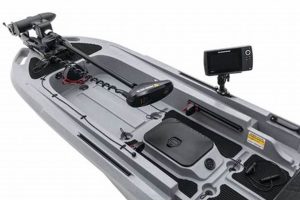
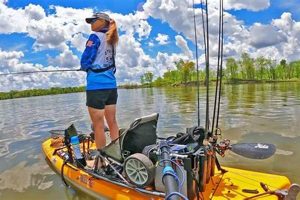
Online platforms dedicated to kayak angling provide a wealth of information, resources, and community features. These digital hubs typically offer articles on fishing techniques, gear reviews, location guides, and forums for anglers to connect and share their experiences. For example, a site might feature a detailed review comparing various fish finders suitable for kayak mounting, alongside an article discussing effective trolling methods from a kayak.
Access to such specialized resources is invaluable for both novice and experienced kayak anglers. They offer a convenient way to research new equipment, discover productive fishing spots, and learn advanced techniques. Historically, anglers relied on printed magazines, word-of-mouth, and personal experience. The rise of online platforms has democratized access to information, fostering a larger and more connected community. This has contributed significantly to the growth and evolution of the sport.
This article will delve deeper into various aspects of online resources for kayak fishing, exploring topics such as choosing the right kayak, essential safety equipment, and effective fishing strategies.
Tips for Kayak Fishing
Preparation and knowledge are crucial for a successful and enjoyable kayak fishing experience. Following these guidelines can enhance safety and improve angling outcomes.
Tip 1: Research Fishing Locations Thoroughly: Consult online maps, nautical charts, and local fishing reports to identify suitable areas. Consider factors such as water depth, currents, tides, and potential hazards.
Tip 2: Prioritize Safety Equipment: Always wear a personal flotation device (PFD). Carry a whistle, signaling device, and first-aid kit. Inform someone of your fishing plans, including location and expected return time.
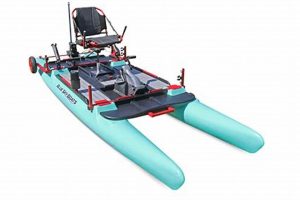
Tip 3: Choose the Right Kayak and Gear: Select a kayak designed for stability and fishing functionality. Ensure appropriate rod holders, storage compartments, and anchor systems are available or installed. Consider a fish finder and GPS for enhanced navigation and fish location.
Tip 4: Practice Basic Kayak Maneuvering: Before venturing into open water, become proficient in paddling, turning, and maintaining balance. Practice self-rescue techniques in a controlled environment.
Tip 5: Pack Essential Fishing Gear: Select tackle appropriate for the target species. Organize gear for easy access and secure it to prevent loss during unexpected movements or capsizing. Include tools for cutting lines and removing hooks.
Tip 6: Respect the Environment: Adhere to catch and release guidelines when appropriate. Dispose of fishing line and other waste responsibly. Minimize disturbance to wildlife and natural habitats.
Tip 7: Check Weather Conditions: Avoid fishing during storms, high winds, or extreme temperatures. Monitor weather forecasts before and during fishing trips. Be prepared to return to shore quickly if conditions deteriorate.
By adhering to these guidelines, anglers can maximize their chances of a productive and safe fishing trip. Careful planning and preparation contribute significantly to an enjoyable experience on the water.
These tips offer a starting point for planning a kayak fishing adventure. Further research and consultation with experienced anglers are encouraged.
1. Gear Reviews

Gear reviews constitute a critical component of kayak fishing websites, serving as a valuable resource for anglers seeking to make informed purchasing decisions. The connection stems from the specialized nature of kayak fishing equipment. Kayak anglers require gear that is not only effective for fishing but also adaptable to the unique constraints and opportunities presented by fishing from a kayak. For example, a standard fishing rod might be too cumbersome for use in a kayak, while a shorter, more specialized rod designed for kayak fishing offers improved maneuverability and control. Gear reviews bridge the knowledge gap, providing anglers with expert analyses of various products, highlighting their strengths and weaknesses in the context of kayak fishing.
Reviews often compare different brands and models, offering insights into specific features such as rod length and action, reel size and gear ratio, line capacity, and lure types. They might also address the durability and waterproofing of electronics like fish finders and GPS units, crucial considerations for equipment exposed to the marine environment. A practical example would be a review comparing different types of kayak anchors, analyzing their holding power in various substrates and their ease of deployment from a seated position. This information empowers anglers to select equipment optimized for their specific fishing style and target species, ultimately enhancing their success and enjoyment on the water.
Understanding the importance of gear reviews within the broader ecosystem of kayak fishing websites allows anglers to leverage these resources effectively. The availability of comprehensive and unbiased reviews fosters informed decision-making, promotes product innovation, and contributes to the overall growth and development of the kayak fishing community. However, the potential for biased or sponsored reviews presents a challenge. Anglers should seek out reputable websites and consider multiple sources before making purchasing decisions, ensuring a balanced and objective perspective on available equipment.
2. Location Guides

Location guides represent a cornerstone of kayak fishing websites, directly influencing angling success. Access to detailed location information empowers anglers to identify promising fishing spots, increasing the likelihood of productive outings. This connection arises from the inherent mobility of kayak fishing, enabling anglers to explore diverse and often inaccessible waters. Unlike shore-bound or boat-based fishing, kayaks grant access to shallow coves, narrow creeks, and protected estuaries, locations often teeming with fish but challenging to reach by other means. Location guides capitalize on this advantage, providing specific information tailored to the unique capabilities of kayak fishing.
Effective location guides offer more than just GPS coordinates. They provide insights into the prevailing conditions, including water depth, current patterns, tides, prevalent fish species, and optimal fishing techniques for a given location. For example, a guide might describe a specific river bend as an ideal spot for ambushing trout, noting the presence of overhanging trees and deeper pools, suggesting the use of light tackle and specific fly patterns. Such targeted information equips anglers with the knowledge to make informed decisions about where to fish and how to approach each location strategically. Furthermore, location guides often incorporate user-generated content, such as fishing reports and comments, enhancing the accuracy and relevance of the information.
Understanding the integral role of location guides within kayak fishing websites underscores their practical significance. They facilitate access to productive fishing areas, contribute to improved catch rates, and enhance the overall fishing experience. However, the potential for overuse or irresponsible fishing practices in highlighted locations presents a challenge. Responsible websites emphasize sustainable fishing practices and encourage respect for the environment, mitigating the potential negative impacts of increased fishing pressure. Ultimately, well-curated location guides, coupled with an emphasis on ethical angling, empower kayak anglers to explore new waters responsibly while maximizing their chances of a successful and enjoyable fishing trip.
3. Fishing Techniques
Specialized fishing techniques tailored to the kayak angler represent a core component of dedicated online resources. The unique challenges and opportunities inherent in kayak fishing necessitate specific approaches distinct from shore-based or boat-based angling. Kayak fishing websites bridge this knowledge gap, providing anglers with access to detailed information and expert advice on techniques optimized for a kayak platform.
- Trolling from a Kayak
Trolling involves dragging a lure or bait behind a moving kayak. This technique is particularly effective for covering large areas of water and targeting specific depths. Websites offer advice on trolling speeds, lure selection, rod placement, and techniques for managing multiple lines from a kayak’s limited space. For example, a site might detail the use of planer boards to spread lines wider and prevent tangling. Effective trolling from a kayak requires specialized knowledge and equipment, and online resources provide anglers with the information necessary to maximize their success with this technique.
- Anchor Positioning and Drift Fishing
Controlling kayak position is crucial for effective fishing. Websites detail techniques for deploying and retrieving anchors efficiently from a seated position, emphasizing proper anchor selection for different substrates. Drift fishing, where the kayak moves naturally with the current, also requires specialized skills. Sites provide information on controlling drift speed, reading water currents, and presenting baits naturally within the drift. Understanding these techniques allows anglers to effectively target specific areas and optimize bait presentation.
- Casting Techniques from a Kayak
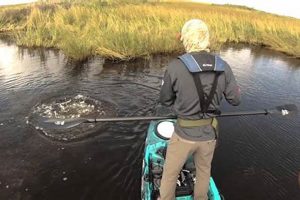
Casting from a seated position in a potentially unstable platform presents unique challenges. Kayak fishing websites address these challenges by providing instruction on specialized casting techniques. These may include sidearm casts, underhand casts, and bow-and-arrow casts, all designed to maximize casting distance and accuracy while maintaining balance and control. Understanding these adapted casting techniques enhances an angler’s ability to target specific areas and present lures effectively from a kayak.
- Landing and Handling Fish from a Kayak
Landing a fish from a kayak requires a careful approach to avoid capsizing or losing the fish. Websites offer advice on using landing nets, lip grips, and other tools effectively within the confines of a kayak. They also provide guidance on safe fish handling techniques, emphasizing proper hook removal and release methods to minimize stress on the fish. These specialized techniques promote responsible angling practices while maximizing angler safety.
These specialized techniques, detailed on kayak fishing websites, empower anglers to overcome the challenges and capitalize on the advantages of fishing from a kayak. By combining these techniques with appropriate gear and location knowledge, kayak anglers can significantly enhance their fishing success and overall enjoyment on the water. The continued development and dissemination of these specialized techniques through online platforms contribute significantly to the growth and evolution of kayak fishing as a sport.
4. Safety Information

Safety information represents a critical component of kayak fishing websites, directly impacting angler well-being. Kayak fishing, while rewarding, presents inherent risks related to water exposure, navigation, and potential encounters with wildlife. These risks underscore the crucial role of online platforms in disseminating essential safety guidelines, promoting responsible angling practices, and ultimately contributing to accident prevention.
- Personal Flotation Devices (PFDs)
PFDs are paramount for kayak anglers. Websites emphasize the mandatory use of properly fitted PFDs, highlighting their life-saving potential in capsizing or immersion incidents. Information provided often extends beyond basic legal requirements, discussing different PFD types, features like integrated storage pockets and high-visibility markings, and the importance of regular inspection and maintenance. Practical examples, such as testimonials from anglers involved in capsizing incidents, underscore the real-world implications of PFD use.
- Navigation and Communication Equipment
Safe navigation is crucial in kayak fishing, particularly in open water or unfamiliar areas. Kayak fishing websites provide guidance on essential navigation tools, including GPS devices, charts, compasses, and VHF radios. They emphasize the importance of pre-trip planning, checking weather forecasts, and informing someone of intended fishing locations and return times. Practical advice on using communication devices to summon assistance in emergencies, along with real-life examples of successful rescues, underscores the value of these safety measures.
- Weather Awareness and Preparedness
Weather conditions can change rapidly, posing significant risks to kayak anglers. Websites emphasize the importance of monitoring weather forecasts before and during fishing trips. They provide guidance on recognizing signs of impending storms, understanding wind and current patterns, and reacting appropriately to changing conditions. Examples of weather-related incidents, such as sudden squalls capsizing kayaks, highlight the critical need for preparedness and cautious decision-making. Resources may include links to real-time weather information and safety alerts.
- Wildlife Encounters and First Aid
Kayak anglers often encounter wildlife, ranging from curious dolphins to potentially dangerous animals like sharks or alligators. Websites offer guidance on safe wildlife interactions, emphasizing respectful observation and avoidance of close contact. They also provide essential first-aid information specific to kayak fishing, including treatment for common injuries like hook punctures, cuts, and exposure to sun and water. Practical advice on assembling a kayak-specific first-aid kit and responding to emergencies reinforces the importance of preparedness.
These safety guidelines, readily accessible through kayak fishing websites, collectively contribute to a culture of responsible angling. By providing comprehensive safety information, online platforms empower anglers to make informed decisions, minimize risks, and enjoy their time on the water safely. This emphasis on safety not only protects individual anglers but also contributes to the sustainable growth and positive perception of kayak fishing as a recreational activity.
5. Community Forums
Community forums represent a vital aspect of kayak fishing websites, fostering a sense of shared experience and facilitating the exchange of valuable information among anglers. These online spaces provide a platform for discussions ranging from gear recommendations and fishing techniques to location-specific advice and safety tips. The connection stems from the inherent social nature of recreational fishing and the desire among enthusiasts to connect with like-minded individuals. A forum might host a thread discussing the merits of different kayak propulsion systems, with experienced anglers sharing their insights and offering advice to newcomers. This exchange of practical knowledge contributes directly to the overall improvement of angling skills and fosters a sense of camaraderie within the kayak fishing community.
The practical significance of community forums extends beyond simple information sharing. They serve as a valuable resource for troubleshooting problems, seeking advice on specific fishing challenges, and discovering new techniques. For instance, an angler struggling to land a particular species might post a query on a forum, receiving targeted advice from experienced anglers familiar with the target species and local conditions. This direct access to a collective knowledge base can significantly enhance individual angling success and contribute to the overall development of kayak fishing techniques. Furthermore, forums often facilitate the organization of group fishing trips and local meetups, strengthening the social fabric of the kayak fishing community.
The integration of community forums within kayak fishing websites strengthens the overall value proposition of these online platforms. These forums create a dynamic environment where information flows freely, fostering a culture of continuous learning and shared passion. However, the potential for misinformation or unproductive discussions presents a challenge. Effective forum moderation is crucial to maintaining a positive and informative environment. Ultimately, well-managed community forums enhance angler engagement, promote responsible fishing practices, and contribute to the growth and sustainability of the kayak fishing community as a whole.
Frequently Asked Questions
This section addresses common inquiries regarding online resources for kayak angling.
Question 1: How can online resources benefit those new to kayak fishing?
Dedicated platforms offer structured learning pathways, encompassing equipment selection, safety protocols, basic techniques, and location identification. These resources enable novices to acquire foundational knowledge efficiently, promoting safe and successful initial experiences.
Question 2: What are the key features to look for in reputable kayak fishing websites?
Reliable sites prioritize accurate, up-to-date information, often presented by experienced anglers or recognized experts. Robust community forums, detailed gear reviews, and location-specific guides enhance a website’s value. Transparency regarding potential affiliations or sponsorships is also crucial.
Question 3: How can online resources contribute to improved fishing success?
Access to advanced techniques, species-specific information, and real-time fishing reports equips anglers with the knowledge to make informed decisions, enhancing their chances of successful catches. Detailed location guides and insights into seasonal patterns further contribute to improved outcomes.
Question 4: What role do online communities play in kayak fishing?
Online forums foster connections among anglers, facilitating the exchange of experiences, tips, and local knowledge. These communities offer valuable support networks, enabling anglers to learn from one another, troubleshoot challenges, and share their passion for the sport.
Question 5: How can kayak anglers evaluate the credibility of online information?
Cross-referencing information across multiple reputable sources helps verify accuracy. Seeking guidance from experienced anglers within online communities or consulting with local fishing experts provides additional validation. Scrutinizing the source’s expertise and potential biases is also essential.
Question 6: How can online resources promote safe kayak fishing practices?
Reputable websites emphasize safety guidelines, providing comprehensive information on essential equipment, navigation best practices, and emergency procedures. Promoting awareness of potential hazards and responsible angling behavior contributes significantly to angler safety.
Leveraging online resources effectively empowers kayak anglers to enhance their skills, knowledge, and overall experience. Critical evaluation and responsible utilization of online information are essential for maximizing benefits.
This concludes the frequently asked questions section. The following section will offer concluding thoughts on the role of online resources in shaping the future of kayak fishing.
Conclusion
Kayak fishing websites provide invaluable resources for anglers of all skill levels. From detailed gear reviews and location guides to insightful discussions of specialized techniques and essential safety information, these online platforms offer a comprehensive knowledge base. The ability to connect with a passionate community further enhances the kayak fishing experience, fostering a culture of shared learning and responsible angling practices. These digital resources contribute significantly to the growth and evolution of the sport, empowering anglers to explore new waters, refine their techniques, and connect with fellow enthusiasts.
As technology continues to evolve, kayak fishing websites will likely play an increasingly important role in shaping the future of the sport. Continued development and refinement of these online platforms promise enhanced access to information, fostering a more connected and informed kayak angling community. The potential for integrating real-time data, interactive maps, and advanced search functionalities offers exciting possibilities for the future of online resources dedicated to kayak fishing. Embracing these advancements responsibly, while prioritizing safety and environmental stewardship, will ensure the continued growth and sustainability of this dynamic and rewarding pursuit.