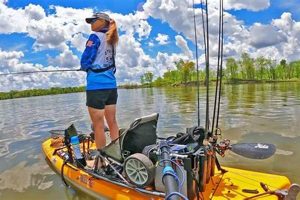
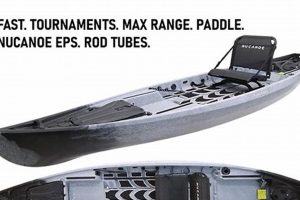
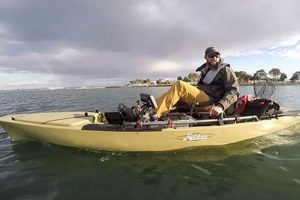
The Ascend 133X is a sit-on-top fishing kayak designed for stability and performance on the water. Its features often include a comfortable seating system, ample storage for fishing gear, and specialized mounting points for accessories like rod holders and fish finders. This type of kayak is typically constructed from durable, lightweight materials like high-density polyethylene.
This style of watercraft offers anglers improved stability and maneuverability compared to traditional kayaks, allowing them to access shallower waters and maintain their balance while casting and reeling. The combination of features and design caters specifically to the needs of fishing enthusiasts, enhancing their experience on the water. The growing popularity of kayak fishing has contributed to the development of increasingly specialized vessels like this model, designed for comfort, stability, and functionality.
Further exploration of this watercraft will encompass specific design elements, performance characteristics, user experiences, and comparisons to other similar options available on the market.
Tips for Utilizing a Fishing Kayak
Effective use of a fishing kayak enhances on-the-water performance and safety. These tips offer guidance for maximizing the angling experience.
Tip 1: Weight Distribution: Proper weight distribution is crucial for stability. Gear should be evenly distributed throughout the vessel, with heavier items positioned low and centrally.
Tip 2: Paddle Selection: Choosing the correct paddle length and type improves efficiency and comfort. Consider paddle length relative to torso height and kayak width. A lighter paddle reduces fatigue during longer trips.
Tip 3: Safety Gear: A personal flotation device (PFD) is essential and should always be worn. Carrying a whistle, signaling device, and first-aid kit enhances safety precautions.
Tip 4: Pre-Trip Planning: Checking weather conditions and water currents before embarking is critical. Informing someone of the planned route and estimated return time is a recommended safety measure.
Tip 5: Anchor Positioning: Employing a proper anchoring system prevents drifting and maintains position in desired fishing areas. Consider anchor type and deployment technique based on water depth and bottom conditions.
Tip 6: Efficient Gear Storage: Utilizing designated storage compartments and securing loose items prevents shifting weight and potential interference with paddling or fishing activities. Waterproof bags protect valuable equipment.
Adhering to these guidelines allows for a safer and more productive fishing experience, promoting efficient kayak operation and enhancing overall enjoyment on the water.
These tips provide a foundation for successful kayak fishing. Subsequent sections will detail specific techniques and strategies for various fishing environments.
1. Stability

Stability is a paramount feature of the Ascend 133X, directly influencing its suitability for fishing. The kayak’s inherent stability stems from a combination of design elements, including its hull design, width, and weight capacity. A wider hull generally provides greater initial stability, reducing the likelihood of tipping, particularly during activities like casting or reeling. The flat-bottom hull design further enhances stability, offering a secure platform even in shallow water or choppy conditions. This inherent stability allows anglers to focus on fishing rather than constantly correcting balance. For instance, standing to cast in a kayak requires a stable platform; the 133X facilitates this action, providing a confident stance.
The impact of stability extends beyond basic balance. It contributes significantly to angler confidence and safety, permitting movement within the kayak without fear of capsizing. Enhanced stability also allows for smoother, more controlled maneuvering, crucial for navigating tight spots or approaching fish stealthily. Consider a scenario where an angler hooks a large fish; the kayak’s stability becomes critical in managing the fight and landing the catch safely. Furthermore, stable kayaks often accommodate heavier loads, allowing anglers to carry more gear without compromising performance or safety.
In conclusion, the stability engineered into the Ascend 133X directly enhances its effectiveness as a fishing platform. This feature allows anglers greater freedom of movement, improved safety, and ultimately, a more successful and enjoyable fishing experience. The careful consideration of stability during the design process distinguishes this kayak as a suitable choice for diverse fishing environments and angler skill levels. Further investigation into the specific design features contributing to this stability will provide a deeper understanding of the kayak’s performance characteristics.
2. Maneuverability

Maneuverability is a critical performance attribute for fishing kayaks, impacting their effectiveness in diverse on-water environments. The Ascend 133X’s maneuverability influences its suitability for navigating various fishing locations, from open lakes to narrow creeks and rivers. Understanding the factors contributing to its maneuverability provides valuable insight into its overall performance.
- Tracking and Turning
Tracking refers to the kayak’s ability to maintain a straight course with minimal corrective strokes. Turning performance dictates how efficiently and responsively the kayak changes direction. The 133X’s length and hull design influence both these aspects. A longer kayak generally tracks better in open water, while a shorter kayak turns more quickly. The specific hull design of the 133X balances these characteristics to provide reasonable tracking with acceptable turning performance. Efficient tracking minimizes effort required to paddle long distances, while responsive turning enables navigation through complex waterways and quick adjustments when targeting fish.
- Influence of Water Conditions
Water conditions significantly impact kayak maneuverability. Currents, wind, and waves can all affect tracking and turning. The 133X’s design features, such as the tracking keel and defined hull shape, enhance performance in various conditions. The keel aids in maintaining a straight course against currents or wind, while the hull design sheds water effectively, reducing drag and improving responsiveness. For example, in windy conditions, a kayak with good tracking will stay on course more easily than one prone to weathercocking.
- Impact of Payload
The weight and distribution of gear within the kayak influence its maneuverability. A heavier load or uneven weight distribution can affect both tracking and turning. The 133X offers ample storage, designed to distribute weight evenly. Properly securing and distributing gear within designated compartments optimizes performance, maintaining balanced maneuverability even with a full load. For instance, overloading the rear of the kayak can make it difficult to turn efficiently.
- Paddle Choice
Paddle length and blade shape impact kayak maneuverability. Longer paddles provide more leverage for powerful strokes, while shorter paddles offer quicker cadence for turning. Blade shape affects the efficiency of each stroke. Selecting a paddle appropriate for the 133X’s dimensions and the intended fishing environment optimizes overall performance. A paddle with a larger blade surface area provides more power for paddling against currents, while a smaller blade area allows for quicker, more precise maneuvering in tight spaces.
The maneuverability of the Ascend 133X, influenced by these interconnected factors, ultimately determines its suitability for various fishing environments and techniques. Understanding these elements provides valuable insights for anglers seeking to maximize their on-water performance. This analysis of maneuverability, coupled with an understanding of other key features, informs decisions regarding kayak selection and utilization in specific fishing scenarios.
3. Storage Capacity

Storage capacity significantly influences a fishing kayak’s practicality and effectiveness. The Ascend 133X’s storage features are designed to accommodate the diverse equipment needs of anglers. Analyzing these features provides insights into the kayak’s suitability for various fishing styles and excursions. Adequate storage allows anglers to carry essential gear, including tackle boxes, rods, safety equipment, and personal items, contributing to a more organized and efficient fishing experience.
- Front Storage Hatch
The front storage hatch offers a water-resistant compartment for storing items requiring protection from the elements. This compartment typically accommodates smaller items such as tackle boxes, wallets, and electronic devices. Its placement allows easy access while seated, minimizing disruption to fishing activities. The hatch’s watertight seal safeguards contents from splashes and rain, maintaining their integrity throughout the fishing trip.
- Rear Tankwell
The rear tankwell provides a large open storage area ideal for bulky items like crates, coolers, and dry bags. Bungee cords secure these items, preventing movement during transport and maneuvering. The tankwell’s generous size allows anglers to carry a substantial amount of gear, including extra clothing, food, and additional fishing equipment. Its open design facilitates quick access to frequently used items without the need to open and close hatches.
- Side-Mounted Rod Holders
Dedicated rod holders, strategically positioned along the sides of the kayak, offer secure storage for fishing rods while not in use. These holders keep rods readily accessible while preventing tangling and damage. Their placement minimizes interference with paddling and other activities, allowing anglers to maintain focus on fishing. The number and type of rod holders influence the variety of fishing techniques the kayak can accommodate.
- Flush-Mounted Gear Tracks
Gear tracks provide versatile mounting points for accessories like fish finders, GPS units, and camera mounts. These tracks allow for customization, enabling anglers to tailor their kayak setup to specific needs and preferences. The tracks offer a standardized mounting system, ensuring compatibility with a wide range of aftermarket accessories. This adaptability enhances the kayak’s functionality, accommodating evolving fishing techniques and technologies.
The Ascend 133X’s storage capacity, encompassing these distinct features, significantly contributes to its overall utility as a fishing platform. The thoughtful arrangement and design of storage compartments cater to the practical needs of anglers, allowing them to carry essential equipment efficiently and securely. This focus on storage capacity enhances the kayak’s versatility, making it suitable for a range of fishing styles and environments. Understanding these storage capabilities allows anglers to make informed decisions about gear organization and maximize their time on the water.
4. Comfort

Comfort directly influences the duration and enjoyment of fishing excursions. The Ascend 133X kayak incorporates design elements aimed at enhancing angler comfort, contributing to longer, more productive outings. An uncomfortable kayak can lead to fatigue, reduced focus, and a shortened fishing trip. Analyzing the comfort features of the 133X provides insight into its suitability for extended use and overall user experience.
- Seat Design
The seat design significantly impacts overall comfort. The 133X typically features an adjustable seat with padding and breathable fabric. Adjustability allows anglers to customize the seat position for optimal back support and paddling posture. Adequate padding cushions the angler from the hard shell of the kayak, reducing pressure points and enhancing comfort during long hours on the water. Breathable fabric promotes airflow, minimizing heat and moisture buildup, particularly in warmer climates. A comfortable seat allows for sustained focus on fishing, minimizing distractions caused by discomfort and fatigue.
- Footrests
Adjustable footrests contribute to both comfort and paddling efficiency. Properly positioned footrests provide leverage for paddling, reducing strain on leg muscles and improving overall stability. The ability to adjust footrest positioning accommodates different leg lengths and paddling styles. Secure and comfortable footrests enhance control and responsiveness, allowing for precise maneuvering and efficient paddling strokes. This contributes to reduced fatigue and improved performance during longer paddling sessions.
- Deck Height and Legroom
Deck height and legroom influence comfort and ease of movement within the kayak. Sufficient legroom allows anglers to stretch and shift position, reducing stiffness and discomfort. Deck height affects the angler’s center of gravity and overall stability. A comfortable deck height provides a balance between stability and ease of entry and exit. Ample legroom and appropriate deck height contribute to a more relaxed and natural seated position, minimizing fatigue and maximizing comfort during extended fishing trips.
- Weight Capacity and Stability
While not directly related to seating or physical comfort, weight capacity and stability contribute to a sense of security and confidence, indirectly influencing comfort. A stable kayak with ample weight capacity allows anglers to move freely and confidently without fear of tipping. This sense of security reduces anxiety and allows for a more relaxed and enjoyable fishing experience. Knowing the kayak can handle the combined weight of the angler, gear, and potential catch contributes to overall peace of mind and enhances the overall experience.
The comfort features of the Ascend 133X, encompassing seat design, footrests, deck dimensions, and stability, contribute significantly to its suitability for extended fishing trips. These features work in concert to minimize fatigue, enhance stability, and promote a more enjoyable on-the-water experience. By prioritizing comfort, the 133X allows anglers to focus on fishing, maximizing their time and enjoyment on the water.
5. Durability

Durability is a critical factor in evaluating the long-term value and performance of a fishing kayak. The Ascend 133X’s construction and material selection directly influence its resistance to wear and tear, impacts, and environmental exposure. A durable kayak withstands the rigors of regular use, including transportation, launching, and navigating diverse water conditions. This examination of durability considers key aspects contributing to the kayak’s longevity and overall performance.
- Material Selection
High-density polyethylene (HDPE) is commonly used in kayak construction due to its impact resistance, UV stability, and overall durability. HDPE can withstand impacts from rocks, logs, and other obstacles encountered in various fishing environments. Its resistance to UV degradation ensures the kayak maintains its structural integrity and color over time, even with prolonged sun exposure. The use of HDPE contributes significantly to the kayak’s long-term durability, minimizing the risk of cracks, punctures, and other damage that can compromise performance and safety.
- Construction Process
Rotational molding is a common manufacturing process for HDPE kayaks, creating a seamless, one-piece hull. This seamless construction eliminates potential weak points and leak paths associated with multi-piece designs. The rotational molding process ensures uniform wall thickness, contributing to consistent strength and durability throughout the kayak’s structure. This manufacturing technique enhances the kayak’s ability to withstand impacts and stress, contributing to its overall longevity.
- UV Resistance
Prolonged exposure to sunlight can degrade the materials used in kayak construction, leading to fading, cracking, and reduced structural integrity. The UV resistance of HDPE protects the kayak from the damaging effects of sunlight, ensuring its color and material properties remain stable over time. This UV resistance contributes to the kayak’s aesthetic appeal and structural longevity, maintaining its performance and value over extended periods of use.
- Impact Resistance
Fishing kayaks frequently encounter impacts from rocks, logs, and other obstacles, particularly in rivers and shallow-water environments. The impact resistance of HDPE safeguards the kayak from damage, preventing cracks and punctures that can compromise its structural integrity. This robust construction ensures the kayak can withstand the rigors of regular use in diverse environments, maintaining its performance and safety over time. For instance, accidental impacts during launching or retrieval are less likely to cause significant damage to an impact-resistant hull.
The durability of the Ascend 133X, influenced by its material selection, construction process, and inherent resistance to UV degradation and impacts, contributes significantly to its long-term value and performance. These factors ensure the kayak withstands the demands of regular fishing excursions, maintaining its structural integrity and functionality over extended periods. This focus on durability provides anglers with a reliable and robust platform for pursuing their passion in various environments, knowing their investment will provide years of dependable service.
Frequently Asked Questions
This section addresses common inquiries regarding the Ascend 133X fishing kayak, providing concise and informative responses.
Question 1: What is the weight capacity of the Ascend 133X?
The weight capacity typically ranges between 400-500 lbs, accommodating angler weight, gear, and potential catch. Specific capacity details are available in product specifications.
Question 2: Is the Ascend 133X suitable for ocean use?
While designed primarily for calmer waters, its stability allows for use in sheltered coastal areas and calm ocean conditions. However, caution and adherence to safety guidelines are essential in any open water environment.
Question 3: What materials are used in the construction of the Ascend 133X?
The Ascend 133X is typically constructed from high-density polyethylene (HDPE), a durable and UV-resistant material known for its impact resistance and longevity.
Question 4: Does the Ascend 133X come with a paddle and life vest?
Paddles and personal flotation devices (PFDs) are often sold separately. Confirming included accessories with the retailer is recommended before purchase. Acquiring a properly fitted PFD appropriate for individual weight and size is essential.
Question 5: How does the Ascend 133X perform in windy conditions?
While its length and design offer reasonable tracking, wind can impact performance. Utilizing appropriate paddling techniques and considering wind direction when planning routes enhances performance in windy conditions.
Question 6: What maintenance is required for the Ascend 133X?
Rinsing the kayak with fresh water after each use and storing it out of direct sunlight prolongs its lifespan. Regular inspection for damage and appropriate repairs, if needed, maintain its optimal performance and safety.
Understanding these key aspects contributes to informed decisions regarding kayak selection and utilization. Consulting official product documentation and retailer information provides further details and specifications.
The following section will delve deeper into specific features and performance characteristics, offering a comprehensive analysis of the Ascend 133X.
Conclusion
The Ascend 133X fishing kayak presents a compelling option for anglers seeking a stable and functional platform. Its design prioritizes stability, maneuverability, and storage capacity, catering specifically to the needs of fishing enthusiasts. The comprehensive examination of its features, including comfort and durability considerations, reveals a well-rounded kayak suitable for diverse fishing environments. Understanding these attributes empowers informed decision-making regarding kayak selection and utilization.
Careful consideration of individual fishing styles, target species, and preferred waterways should guide kayak selection. The Ascend 133X, with its balanced performance characteristics and thoughtful design, offers a compelling solution for anglers seeking to enhance their on-the-water experiences. Continued exploration of available kayak options and personal assessment through on-water trials remain crucial steps in selecting the optimal vessel for individual needs.