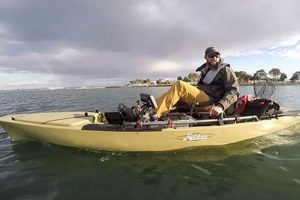
Waterproof, chest-high overalls designed for anglers operating from kayaks provide crucial protection from the elements and on-the-water hazards. These specialized garments typically feature reinforced knees and seat areas for durability, multiple pockets for tackle and tools, and adjustable shoulder straps for a comfortable fit. An example would be a pair of breathable, nylon overalls with sealed seams and adjustable suspenders, equipped with D-rings for attaching accessories.
Maintaining warmth and dryness enhances angler comfort and safety, allowing for extended fishing trips in diverse weather conditions. These garments protect against splashes, rain, and wind, preventing hypothermia and other cold-related risks. The evolution of these specialized garments reflects advancements in materials science and a growing understanding of the specific needs of kayak anglers, moving from basic rain gear to purpose-built attire optimized for mobility and functionality on the water.
Further exploration of this topic will cover key features to consider when selecting appropriate attire, recommended materials and construction methods, as well as leading brands and product reviews. Additional insights will address proper care and maintenance to ensure longevity and optimal performance.
Tips for Selecting and Using Specialized Angling Overalls
Choosing and utilizing appropriate protective attire significantly enhances comfort and safety during kayak fishing excursions. Careful consideration of various factors ensures optimal performance and longevity of these essential garments.
Tip 1: Prioritize Waterproof and Breathable Fabrics: Opt for materials that effectively repel water while allowing perspiration to escape. This combination maintains comfort and prevents overheating, particularly during strenuous paddling or warmer weather.
Tip 2: Consider Reinforced Knees and Seat: Durability is paramount. Reinforced sections in high-wear areas offer increased protection against abrasion and punctures from hooks, rocks, and kayak surfaces.
Tip 3: Evaluate Pocket Placement and Capacity: Ample, strategically placed pockets facilitate efficient organization of essential tools and tackle, ensuring easy access without hindering movement or balance.
Tip 4: Ensure a Secure and Comfortable Fit: Adjustable suspenders and waist closures create a personalized fit that prevents slippage and maximizes range of motion during casting and paddling.
Tip 5: Inspect and Maintain Regularly: Rinse with fresh water after each use to remove salt, sand, and debris. Allow to air dry thoroughly before storing to prevent mildew and prolong the lifespan of the garment.
Tip 6: Choose Appropriate Layers: Consider layering options underneath based on weather conditions. Moisture-wicking base layers combined with fleece or insulating mid-layers provide warmth in colder temperatures.
Tip 7: Explore Accessory Integration: D-rings, attachment points, and integrated tool holsters enhance functionality by allowing for customization and convenient access to frequently used equipment.
Investing in appropriate protective apparel provides significant benefits in terms of comfort, safety, and overall fishing experience. Adhering to these guidelines will ensure optimal performance and longevity of these essential garments.
By understanding the key features and maintenance requirements, anglers can make informed decisions and maximize their time on the water.
1. Waterproof Protection

Waterproof protection forms a cornerstone of effective kayak fishing attire. Constant exposure to water, whether from rain, splashes, or accidental submersion, necessitates garments designed to repel moisture. Waterproof materials prevent water from penetrating the fabric, maintaining warmth and dryness, crucial for comfort and safety during extended periods on the water. A soaked angler faces increased risks of hypothermia, particularly in colder climates. Consider a scenario where an angler hooks a large fish and experiences a sudden, unexpected wave. Waterproof bibs provide a barrier, preserving body heat and preventing a potentially dangerous drop in core temperature.
This protection extends beyond simple comfort. Dry clothing maintains its insulating properties, crucial for regulating body temperature and preventing cold-related ailments. Furthermore, waterproof materials safeguard against wind chill, a significant factor in heat loss, especially when combined with wet clothing. Practical applications include maintaining dexterity for handling fishing equipment and ensuring continued mobility for paddling and maneuvering the kayak. For example, dry hands are essential for tying knots, changing lures, and operating reels effectively, while dry legs and core allow for efficient paddling and maintain balance.
In summary, waterproof protection is not simply a desirable feature but a critical safety and performance element in kayak fishing bibs. This functionality safeguards anglers from the elements, preserves essential body heat, and allows for continued mobility and dexterity, ensuring a safe and enjoyable fishing experience. Choosing bibs with appropriate waterproof ratings and constructions becomes paramount in mitigating the inherent risks of on-the-water activities.
2. Breathability

Breathability is a critical factor in kayak fishing apparel, directly impacting angler comfort and performance. While waterproof protection shields from external elements, breathability ensures efficient moisture management from within. Strenuous paddling and varying weather conditions can lead to perspiration buildup, potentially causing discomfort, overheating, and reduced performance. Breathable fabrics facilitate the outward transfer of moisture vapor, regulating body temperature and maintaining dryness even during periods of high activity.
- Moisture Vapor Transmission:
Breathable fabrics allow perspiration vapor to escape through microscopic pores or hydrophilic membranes, preventing moisture buildup inside the garment. This process, known as moisture vapor transmission, is essential for maintaining comfort and dryness. Imagine paddling a kayak on a warm, sunny day. Even with waterproof protection, body heat and exertion will cause perspiration. Breathable bibs allow this moisture to escape, preventing overheating and maintaining a comfortable microclimate next to the skin.
- Fabric Construction and Technology:
Various technologies enhance breathability in waterproof fabrics. Microporous membranes, such as Gore-Tex, contain tiny pores that allow water vapor to pass through while blocking liquid water. Hydrophilic membranes, like eVent, attract and transport water vapor away from the body. Choosing bibs with appropriate breathability ratings and suitable fabric technologies ensures optimal performance in different weather conditions.
- Impact on Comfort and Performance:
Breathability directly influences angler comfort and performance. Damp clothing can lead to chafing, skin irritation, and reduced mobility. In colder conditions, trapped moisture can accelerate heat loss, increasing the risk of hypothermia. By facilitating effective moisture management, breathable bibs maintain a comfortable internal environment, allowing anglers to focus on fishing without distraction or discomfort. An angler experiencing overheating due to lack of breathability might feel fatigued, reducing focus and reaction time when a fish strikes.
- Layering Considerations:
Breathability works in conjunction with appropriate layering strategies. Moisture-wicking base layers draw perspiration away from the skin, allowing the breathable bibs to effectively transfer the moisture vapor to the outside. Avoiding cotton layers is crucial, as cotton absorbs and retains moisture, negating the benefits of breathable outer layers. For optimal performance, choose synthetic or merino wool base layers that enhance moisture transfer and maintain warmth even when damp.
Breathability, in conjunction with waterproof protection, is essential for kayak fishing bibs. It significantly contributes to angler comfort, safety, and overall performance by regulating body temperature and preventing moisture buildup. Understanding the principles of moisture vapor transmission, fabric technologies, and appropriate layering strategies allows anglers to select bibs that optimize comfort and enhance their on-the-water experience.
3. Durability

Durability is a paramount consideration in kayak fishing bibs, given the demanding environment and potential wear and tear these garments face. Constant contact with kayak surfaces, fishing gear, and natural elements necessitates robust construction and materials to withstand abrasion, punctures, and the stresses of regular use. Investing in durable bibs ensures longevity, minimizes repair or replacement costs, and contributes to a safe and productive fishing experience.
- Abrasion Resistance
Kayak fishing involves frequent contact with abrasive surfaces, from the kayak itself to rocks, barnacles, and even fishing gear. Durable bibs utilize abrasion-resistant fabrics and reinforced panels in high-wear areas like the knees, seat, and cuffs. Consider a scenario where an angler needs to maneuver their kayak in shallow water, potentially dragging it over rocks or gravel. Abrasion-resistant materials safeguard the bibs from damage, ensuring continued protection and extending their lifespan.
- Tear and Puncture Resistance
Exposure to sharp objects, such as hooks, fishing knives, and underwater debris, necessitates tear and puncture resistance. Reinforced stitching, durable fabrics, and strategically placed panels minimize the risk of tears or punctures that compromise the bibs’ waterproof integrity. For instance, an errant hook cast or a sharp rock encountered during wading can easily puncture less durable fabrics. Tear and puncture-resistant materials protect against such incidents, maintaining the garment’s functionality and preventing unwanted leaks.
- Seam Construction and Sealing
Seams represent potential weak points in waterproof garments. Durable bibs employ robust seam construction techniques, such as double stitching or welded seams, along with waterproof sealing tapes or coatings. These measures prevent water ingress through the seams, maintaining overall waterproofness and ensuring the angler remains dry. Exposure to consistent rain or wave splashes can compromise poorly sealed seams, leading to leaks and discomfort. Well-constructed and sealed seams ensure the bibs remain a reliable barrier against the elements.
- Material Selection and Quality
The choice of materials significantly impacts the overall durability of kayak fishing bibs. High-denier nylon and polyester fabrics offer excellent abrasion and tear resistance. Durable waterproof membranes, such as Gore-Tex or similar technologies, enhance longevity and maintain waterproof breathability over time. Investing in bibs constructed from high-quality materials ensures they can withstand the rigors of kayak fishing and provide reliable performance throughout their lifespan. Inferior materials degrade faster, leading to premature wear and tear and reduced effectiveness in protecting the angler from the elements.
Durability in kayak fishing bibs is not merely a matter of longevity; it directly impacts angler safety, comfort, and the overall fishing experience. Investing in bibs constructed with durable materials, reinforced panels, and robust seam construction ensures reliable protection against the elements and the demanding conditions inherent in kayak fishing. This translates to enhanced comfort, increased safety margins, and the freedom to focus on the pursuit of fish without worrying about the integrity of essential protective gear.
4. Pocket Design
Pocket design constitutes a critical element in the functionality and practicality of kayak fishing bibs. Effective pocket design prioritizes accessibility, organization, and security, enabling anglers to efficiently manage essential tools and tackle while maintaining focus on the fishing activity. Well-designed pockets contribute significantly to a streamlined and productive fishing experience.
- Placement and Accessibility
Strategic pocket placement ensures easy access to frequently used items without requiring awkward reaching or compromising balance. Chest pockets, positioned within easy reach, accommodate small tools, pliers, or line cutters. Thigh pockets offer convenient storage for larger items like lure boxes or leader spools. Consider an angler needing to quickly change a lure. Easily accessible pockets allow for a swift and seamless transition, minimizing disruption to the fishing process and maximizing time in the water. Poorly placed pockets can hinder movement and create an imbalance, particularly in the confined space of a kayak.
- Capacity and Organization
Adequate pocket capacity and internal organization systems enhance efficiency and prevent clutter. Multiple compartments within pockets allow for segregation of different items, preventing tangling and facilitating quick retrieval of specific tools or tackle. An angler carrying a variety of lures, hooks, weights, and other small accessories benefits from organized storage. Dedicated compartments within pockets prevent items from becoming mixed, saving valuable time and reducing frustration during lure changes or rig adjustments.
- Security and Closure Mechanisms
Secure closures, such as zippers, Velcro, or magnetic flaps, prevent items from falling out during movement or accidental submersion. Water-resistant closures further protect sensitive items from moisture damage. Imagine an angler navigating through rough water or experiencing a sudden wave. Secure pocket closures safeguard essential tools and tackle, preventing loss and ensuring continued functionality. Lost or damaged equipment can curtail a fishing trip prematurely, emphasizing the importance of secure storage solutions.
- Integration and Specialization
Specialized pockets designed for specific items, such as pliers holsters, knife sheaths, or retractable tethers for essential tools, further enhance functionality and streamline workflow. These features contribute to a more organized and efficient fishing experience, allowing anglers to maintain focus on the task at hand. For instance, a dedicated pliers holster on the chest provides quick access to this essential tool, facilitating line cutting, hook removal, and other tasks without requiring rummaging through multiple pockets. Integrated features like these minimize distractions and enhance overall efficiency.
In conclusion, thoughtful pocket design significantly enhances the functionality and practicality of kayak fishing bibs. Well-placed, appropriately sized, and secure pockets, coupled with specialized features and organizational elements, contribute to a more efficient and enjoyable fishing experience. By prioritizing these aspects, anglers can optimize their workflow, maintain focus on fishing, and maximize their time on the water.
5. Comfortable Fit

A comfortable fit is essential for kayak fishing bibs, directly impacting performance, safety, and overall enjoyment on the water. Bibs that restrict movement or cause discomfort hinder paddling efficiency, casting accuracy, and the ability to react quickly to fish strikes. Conversely, a proper fit allows for a full range of motion, enhancing mobility and reducing fatigue during long hours on the water. Consider an angler battling a strong fish. Restrictive bibs can limit flexibility, hindering the angler’s ability to effectively fight and land the fish. A comfortable fit allows for unrestricted movement, maximizing leverage and control during the fight.
Several factors contribute to a comfortable fit. Adjustable suspenders and waist closures accommodate varying body types and layering systems. Articulated knees and a gusseted crotch enhance flexibility and prevent binding during paddling and casting. Stretchable fabrics in key areas further improve mobility and comfort. For example, bibs with a stretch panel in the lower back accommodate bending and twisting motions involved in retrieving gear from a kayak’s rear storage compartment. An angler wearing bibs that fit poorly might experience chafing, restricted blood flow, and overall discomfort, detracting from the fishing experience.
Achieving a comfortable fit requires careful consideration of individual body type, layering preferences, and the specific demands of kayak fishing. Trying on bibs before purchase and simulating fishing movements can help determine the suitability of the fit. Furthermore, understanding the adjustability features and the materials’ stretch characteristics allows anglers to select bibs that offer optimal comfort and performance on the water. A proper fit maximizes mobility, enhances safety by allowing for quick reactions, and contributes to a more enjoyable and productive fishing experience. Ignoring the importance of a comfortable fit can lead to fatigue, restricted movement, and a diminished overall experience.
6. Maintenance
Maintaining kayak fishing bibs properly ensures longevity, preserves performance, and maximizes the return on investment. Neglecting routine care can lead to premature wear and tear, compromising the bibs’ protective qualities and potentially shortening their lifespan. Proper maintenance practices safeguard the investment and contribute to a more comfortable and enjoyable fishing experience.
- Cleaning
Regular cleaning removes dirt, salt, fish slime, and other contaminants that can degrade the fabric and compromise waterproof breathability. Rinsing the bibs with fresh water after each use is crucial, especially after exposure to saltwater. For more thorough cleaning, hand washing with a mild detergent specifically designed for technical fabrics is recommended. Avoid harsh chemicals, bleach, and fabric softeners, as these can damage the waterproof coatings and breathable membranes. For example, salt crystals left on the fabric can abrade the material over time, leading to premature wear. Regular cleaning mitigates this risk and preserves the bibs’ integrity.
- Drying
Proper drying techniques prevent mildew growth and maintain the integrity of waterproof breathable membranes. Hanging the bibs to air dry in a well-ventilated area, away from direct sunlight or heat sources, is the recommended method. Avoid using a dryer, as high heat can damage the waterproof coatings and breathable membranes. Trapped moisture within the fabric layers can promote mildew growth, leading to unpleasant odors and potential health concerns. Thorough drying after each use prevents these issues and prolongs the bibs’ lifespan.
- Storage
Correct storage practices further contribute to the longevity of kayak fishing bibs. Storing clean, dry bibs in a cool, dry place, away from direct sunlight, prevents damage from UV radiation and excessive heat. Folding the bibs neatly minimizes creasing and stress on the seams. Avoid storing the bibs in compressed or tightly packed spaces, as this can damage the waterproof coatings and breathable membranes. For instance, storing bibs in a damp, humid environment can promote mildew growth and compromise the waterproof properties. Proper storage safeguards the bibs and ensures they are ready for the next fishing excursion.
- Repairs
Addressing minor damage promptly prevents further deterioration and maintains the bibs’ protective qualities. Small tears or punctures can often be repaired using specialized repair patches or sealant designed for waterproof breathable fabrics. For more significant damage, consulting a professional repair service specializing in outdoor gear may be necessary. Ignoring small tears or punctures can lead to larger problems, compromising the waterproofness and breathability of the bibs. Timely repairs maintain the bibs’ functionality and extend their lifespan. For example, a small tear can be easily patched, preventing it from becoming a larger rip that requires more extensive and costly repairs.
Consistent adherence to these maintenance practices ensures the longevity and optimal performance of kayak fishing bibs. Proper cleaning, drying, storage, and timely repairs protect the investment and contribute to a more comfortable, safe, and enjoyable fishing experience. By prioritizing maintenance, anglers can maximize the lifespan of their bibs and focus on the pursuit of fish without worrying about the integrity of their essential protective gear.
Frequently Asked Questions
This section addresses common inquiries regarding specialized fishing overalls designed for kayak angling.
Question 1: What distinguishes specialized fishing overalls from standard rain gear?
Specialized overalls prioritize durability, incorporating reinforced sections in high-wear areas and offering specialized pockets and attachment points for fishing tools and accessories. Standard rain gear primarily focuses on basic waterproof protection.
Question 2: How does breathability enhance comfort during kayak fishing?
Breathability allows perspiration vapor to escape, preventing overheating and maintaining comfort during strenuous paddling or warmer weather. This moisture management system is crucial for regulating body temperature and preventing discomfort from damp clothing.
Question 3: What features contribute to the durability of these specialized garments?
Reinforced knees and seat areas, abrasion-resistant fabrics, robust stitching, and durable waterproof membranes contribute to overall garment longevity and resilience against wear and tear. High-quality construction ensures the overalls withstand the demands of kayak fishing.
Question 4: Why is pocket design a significant consideration for kayak anglers?
Strategically placed, ample pockets allow for efficient organization and quick access to essential tools and tackle. Specialized pockets, such as pliers holsters or retractable tethers, further enhance functionality and streamline workflow on the water.
Question 5: How does proper fit influence performance and comfort?
A proper fit, achieved through adjustable suspenders, waist closures, and articulated knees, maximizes mobility and comfort during paddling and casting. Unrestricted movement enhances performance and reduces fatigue during extended fishing trips.
Question 6: What maintenance practices ensure the longevity of these garments?
Regular rinsing with fresh water after each use, proper drying techniques, and appropriate storage practices preserve the waterproofness, breathability, and overall durability of the overalls, extending their lifespan.
Understanding these aspects facilitates informed decisions regarding selection, utilization, and maintenance of specialized fishing overalls, contributing to a safer and more enjoyable kayak fishing experience.
For further information on specific product recommendations and in-depth reviews, consult the following resources
Kayak Fishing Bibs
Specialized angling overalls designed for kayak fishing represent a significant advancement in protective apparel for anglers. From ensuring waterproof protection and breathability to prioritizing durability and incorporating functional pocket designs, these garments address the specific needs and challenges faced by kayak anglers. A comfortable fit and adherence to proper maintenance practices further contribute to the overall effectiveness and longevity of these specialized bibs. Understanding these key aspects empowers anglers to make informed decisions, optimizing comfort, safety, and performance on the water.
The evolution of kayak fishing bibs reflects a growing recognition of the unique demands of this increasingly popular angling discipline. Investing in appropriate, high-quality specialized apparel enhances the overall fishing experience, allowing anglers to focus on the pursuit of their quarry while remaining protected from the elements and potential hazards. The future of kayak fishing apparel promises continued innovation, driven by advancements in materials science and a deeper understanding of angler needs, further refining the balance between protection, performance, and comfort.