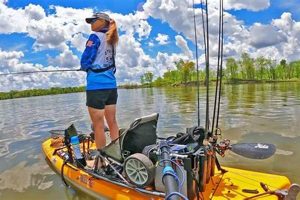
This type of watercraft combines the stability of a small boat with the maneuverability and compact nature of a kayak. Imagine a platform, balanced by two buoyant tubes on either side, providing a stable base for anglers to cast their lines. This design allows for a wider deck, offering ample space for fishing gear, comfortable seating, and even standing platforms for improved casting leverage.
The enhanced stability offered by these vessels makes them particularly suitable for various water conditions, from calm lakes to slow-moving rivers. This stability is a boon for anglers, enabling them to focus on fishing rather than maintaining balance. Furthermore, the added deck space provides more room for equipment, making longer fishing trips more practical and enjoyable. This design concept has evolved from traditional single-hull kayaks to address the specific needs and desires of fishing enthusiasts.
Exploring the specific features, advantages, and considerations involved in selecting and using this type of watercraft will equip potential buyers with the knowledge necessary to make informed decisions and maximize their fishing experience. This examination will cover topics such as construction materials, propulsion systems, and essential accessories.
Tips for Utilizing Pontoon-Based Fishing Kayaks
Careful consideration of various factors contributes significantly to a successful and enjoyable fishing experience from these specialized vessels.
Tip 1: Weight Distribution: Proper distribution of weight is crucial for stability. Gear should be evenly distributed across the deck, avoiding overloading one side. This practice enhances balance and prevents tipping, particularly important when standing.
Tip 2: Anchor Positioning: Strategic anchor placement maximizes fishing effectiveness. Utilizing multiple anchors allows anglers to control the vessel’s position in currents or wind, maintaining an ideal fishing location.
Tip 3: Propulsion Choices: Understanding available propulsion systems is essential. While paddling offers quiet maneuverability, a small electric motor provides effortless movement across larger distances, expanding fishing range.
Tip 4: Safety Precautions: Wearing a personal flotation device is paramount. Carrying essential safety equipment, such as a whistle, signaling mirror, and first-aid kit, ensures preparedness for unforeseen circumstances.
Tip 5: Fishing Gear Organization: Organizing fishing rods, tackle boxes, and other equipment optimizes space utilization and efficiency. Designated storage compartments or readily accessible containers prevent clutter and streamline fishing activities.
Tip 6: Water Conditions Assessment: Evaluating prevailing weather patterns and water conditions prior to embarking ensures safety and informed decision-making. Avoiding strong winds, currents, or inclement weather enhances overall safety.
Tip 7: Navigation Techniques: Familiarization with basic navigation principles, especially when using motorized propulsion, is crucial. Understanding nautical charts and using GPS devices enhances safety and ensures accurate positioning.
By following these guidelines, anglers can enhance stability, maximize fishing efficiency, and ensure a safe and enjoyable experience on the water. Proper preparation and mindful practices contribute significantly to a successful outing.
Equipped with these insights, potential users can now progress to evaluating specific models and features based on individual needs and preferences.
1. Stability

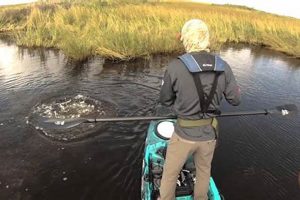
Stability forms a cornerstone of the dual pontoon fishing kayak design, directly influencing its suitability for angling. The inherent buoyancy and wide base provided by two pontoons create a platform significantly more resistant to tipping than traditional single-hull kayaks. This enhanced stability allows anglers to stand comfortably while casting and reeling, providing a superior vantage point and increased leverage. Furthermore, the reduced risk of capsizing contributes significantly to safety, particularly in challenging conditions such as choppy water or when landing larger fish. Consider a scenario where an angler hooks a substantial fish; the stability afforded by the pontoon design allows them to manage the fight effectively, minimizing the chance of an unbalanced capsize.
This inherent stability translates to practical advantages beyond simply remaining upright. It facilitates a wider range of fishing techniques, enabling anglers to utilize specialized equipment and approaches that might be impractical or unsafe in less stable vessels. For instance, fly fishing, often requiring standing and dynamic casting motions, becomes significantly more feasible and enjoyable. Moreover, the stable platform allows for the integration of accessories like fish finders and rod holders, enhancing the overall fishing experience. The impact of this stability is particularly evident when comparing it to the challenges faced by anglers in traditional kayaks, where maintaining balance often takes precedence over focusing on fishing techniques.
In summary, the stability inherent in dual pontoon fishing kayaks is not merely a design feature; it’s a defining characteristic that unlocks numerous practical advantages. This stability directly contributes to safety, expands fishing possibilities, and enhances overall user experience. Understanding this connection is crucial for appreciating the distinct value proposition of these specialized vessels. While factors like speed and maneuverability may differ from traditional kayaks, the enhanced stability offers a trade-off that many anglers, especially those focused on fishing rather than rapid movement, find highly advantageous. This emphasis on stability reinforces the specialized nature of these kayaks, catering to the specific needs and priorities of the fishing community.
2. Fishing Platform

The fishing platform represents a critical aspect of the dual pontoon fishing kayak, directly influencing its effectiveness and user experience. Unlike traditional kayaks, where anglers sit low to the water with limited space, these vessels provide an elevated and expansive platform optimized for angling activities. This design element fundamentally changes the dynamics of kayak fishing, offering distinct advantages and influencing how anglers interact with their environment and equipment.
- Stability and Casting:
The wide, stable platform afforded by the pontoon structure provides a secure foundation for casting. Anglers can stand comfortably, achieving greater casting distance and accuracy. This enhanced stability also reduces fatigue, allowing for longer fishing sessions without the constant need to maintain balance. Consider an angler sight casting to a school of fish; the stable platform allows for precise casts, maximizing the chances of a successful hookup.
- Space and Gear Management:
The increased deck space characteristic of these platforms allows for organized gear storage and convenient access to essential equipment. Rod holders, tackle boxes, and other accessories can be strategically positioned, minimizing clutter and maximizing efficiency. This contrasts sharply with traditional kayaks where limited space often necessitates awkward maneuvering and compromises efficient gear management.
- Adaptability and Customization:
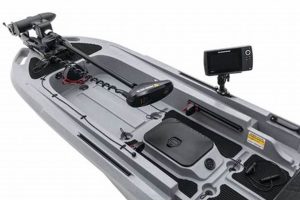
The platform design often allows for customization and integration of specialized equipment. Features like mounting brackets for fish finders, GPS units, or even trolling motors enhance versatility and cater to individual fishing styles. This adaptability extends the platform’s functionality beyond basic casting and reeling, transforming it into a personalized fishing command center.
- Visibility and Sight Fishing:
The elevated position provided by the platform improves visibility, allowing anglers to spot fish more easily, particularly in clear water. This enhanced perspective is a significant advantage for sight fishing, where spotting fish before casting is crucial. Imagine an angler targeting bonefish in shallow flats; the elevated platform allows them to scan the water effectively, significantly increasing their chances of locating their quarry.
The combination of stability, space, adaptability, and improved visibility transforms the dual pontoon fishing kayak from a simple vessel into a dedicated fishing platform. This platform-centric design caters specifically to the needs of anglers, enhancing their experience, and maximizing their chances of success on the water. While traditional kayaks excel in speed and maneuverability in tight spaces, the specialized platform of pontoon-based designs prioritizes the essential elements of the fishing experience itself.
3. Maneuverability

Maneuverability represents a key consideration when evaluating the suitability of a dual pontoon fishing kayak for specific fishing environments. While these vessels prioritize stability and platform space, their maneuverability characteristics differ from traditional kayaks. Understanding these nuances is crucial for making informed decisions and optimizing on-water performance. This exploration examines the multifaceted nature of maneuverability in the context of these specialized fishing platforms.
- Turning Radius and Tracking:
The wider profile and increased drag inherent in the dual pontoon design typically result in a larger turning radius compared to sleeker, single-hull kayaks. This characteristic can influence navigation in tight quarters, such as narrow creeks or densely vegetated areas. Consider navigating a winding river channel; the wider turning radius may require more deliberate paddling or maneuvering with a motor. However, the pontoon design often contributes to improved tracking in straight lines, a benefit for trolling or covering longer distances efficiently.
- Wind and Current Impact:
The larger surface area presented by dual pontoons can increase susceptibility to wind and current. Strong winds can push the vessel off course, requiring more effort to maintain desired direction. Similarly, navigating strong currents necessitates careful positioning and control. For example, fishing in open water exposed to prevailing winds may necessitate adjustments in paddling technique or anchor placement to maintain desired positioning. Understanding these effects allows anglers to anticipate challenges and adapt their approach accordingly.
- Motorized vs. Paddle Propulsion:
The choice of propulsion significantly impacts maneuverability. Paddling offers greater control in tight spaces and allows for silent, stealthy approach, beneficial for stalking fish in shallow water. Conversely, motorized propulsion, such as electric trolling motors, expands fishing range and simplifies navigation across larger distances or against currents. Consider a large lake; a motor facilitates efficient travel to distant fishing spots, while paddling may be preferred for quieter exploration of shallow coves.
- Water Type Considerations:
The maneuverability characteristics of a dual pontoon fishing kayak influence its suitability for different water types. While the enhanced stability excels in calm lakes and slow-moving rivers, navigating faster currents or challenging open water conditions requires careful consideration of wind and current effects. For instance, exploring mangrove tunnels or navigating swift streams may be more challenging than traversing calm ponds or protected bays.
Maneuverability in dual pontoon fishing kayaks presents a nuanced interplay of design characteristics, environmental factors, and propulsion choices. While the inherent stability and platform space prioritize the fishing experience, anglers must understand the implications for maneuverability. Evaluating these factors alongside individual fishing styles and target environments ensures informed decisions and maximizes on-water effectiveness. While not as nimble as traditional kayaks, the stability and platform advantages often outweigh maneuverability limitations for anglers prioritizing a comfortable and feature-rich fishing experience.
4. Storage Capacity

Storage capacity is a critical differentiator for dual pontoon fishing kayaks, directly impacting their practicality and suitability for various fishing scenarios. The enhanced stability and larger platform inherent in these vessels create opportunities for increased storage, a significant advantage compared to traditional kayaks. This expanded capacity affects equipment organization, trip duration, and overall fishing effectiveness.
Consider a multi-day fishing excursion. Ample storage allows for provisions, camping gear, and multiple rods, enhancing self-sufficiency and extending trip duration. Alternatively, imagine a day trip targeting different species. Dedicated compartments for various tackle boxes, lures, and lines streamline transitions between fishing techniques, maximizing efficiency. This contrasts sharply with traditional kayaks, where limited storage often restricts equipment choices and necessitates careful packing.
Several factors influence the practical application of storage capacity. Integrated storage compartments, such as sealed hatches or recessed wells, protect sensitive equipment from water damage and optimize space utilization. Bungee cords and tie-down points secure larger items like coolers or dry bags, maximizing deck space for movement. Strategic placement of rod holders ensures easy access and minimizes line tangling. Understanding these elements allows anglers to tailor storage solutions to specific needs and fishing styles. Inadequate storage can lead to cluttered decks, hindering movement and increasing the risk of equipment loss or damage. Conversely, well-designed storage solutions enhance organization, efficiency, and overall fishing enjoyment.
In summary, storage capacity significantly impacts the functionality and versatility of dual pontoon fishing kayaks. Anglers should carefully evaluate storage features, considering trip duration, equipment needs, and organizational preferences. This informed approach maximizes on-water efficiency, enhances safety, and contributes to a more productive and enjoyable fishing experience. The ability to carry more gear, combined with the inherent stability of these vessels, expands fishing possibilities, allowing anglers to explore more distant locations, target diverse species, and extend their time on the water.
5. Propulsion Options
Propulsion systems fundamentally shape the versatility and effectiveness of dual pontoon fishing kayaks, influencing their suitability for diverse environments and fishing styles. Understanding available propulsion options and their implications is crucial for informed decision-making. This exploration examines the interplay between propulsion methods and the unique characteristics of these specialized fishing platforms.
Traditional paddle propulsion offers distinct advantages. Quiet operation minimizes disturbance to aquatic life, crucial for stealthy approaches in shallow water or when targeting wary species. Paddling also provides excellent control in tight spaces, navigating complex shorelines or maneuvering through dense vegetation. However, paddling limitations become apparent over longer distances or against strong currents. Consider a scenario involving a lengthy paddle across a large lake; physical exertion can detract from fishing focus and limit exploration range. This limitation highlights the importance of considering alternative propulsion methods.
Electric trolling motors represent a popular alternative, offering effortless movement across considerable distances. Variable speed control allows for precise adjustments, ideal for trolling or maintaining position in currents. Motorized propulsion expands fishing range, enabling access to distant fishing grounds and reducing time spent traveling. However, motors introduce noise and potential disruption to the environment. Imagine approaching a shallow flat known for spooky fish; motor noise can alert fish, impacting fishing success. Furthermore, battery life and charging logistics require consideration, particularly for extended trips. Balancing the advantages of motorized propulsion against potential drawbacks is essential for informed selection.
The interplay between propulsion choices and fishing environment significantly influences practical applications. In calm lakes or slow-moving rivers, paddling offers sufficient mobility and minimizes environmental impact. However, larger bodies of water, tidal currents, or windy conditions may necessitate the efficiency and power of a motor. Consider fishing in a tidal estuary; a motor simplifies navigation against outgoing tides, maximizing fishing time. Matching propulsion type to anticipated fishing conditions is a crucial aspect of maximizing on-water effectiveness.
Furthermore, the integration of propulsion systems with the dual pontoon platform presents specific considerations. Motor mounts, battery placement, and wiring configurations impact stability and deck space utilization. Careful planning and appropriate installation ensure optimal balance and minimize interference with fishing activities. For instance, poorly positioned batteries can shift weight distribution, affecting stability, particularly when standing. Understanding these factors ensures safe and efficient integration of propulsion systems, enhancing overall functionality and fishing experience.
In summary, propulsion options significantly influence the versatility and effectiveness of dual pontoon fishing kayaks. Evaluating the advantages and limitations of each propulsion method, alongside environmental factors and individual fishing styles, allows for informed decision-making. Matching propulsion type to anticipated fishing conditions optimizes on-water performance and maximizes fishing enjoyment. Careful consideration of integration aspects further enhances safety, functionality, and overall user experience. By understanding this interconnectedness, anglers can tailor their vessel to specific needs and achieve optimal results on the water.
6. Material Durability

Material durability significantly influences the longevity, performance, and overall value of a dual pontoon fishing kayak. The chosen materials must withstand diverse environmental conditions, resist abrasion and impact, and maintain structural integrity over extended use. Understanding the properties and performance characteristics of various construction materials is crucial for informed decision-making and ensuring a sound investment.
- UV Resistance:
Constant exposure to sunlight can degrade certain materials, causing fading, cracking, and reduced structural integrity. UV-resistant coatings and additives enhance material longevity, protecting against the damaging effects of prolonged sun exposure. For example, kayaks constructed with high-density polyethylene (HDPE) often incorporate UV stabilizers to prevent degradation. Choosing materials with inherent or enhanced UV resistance safeguards against premature aging and maintains the kayak’s structural integrity over time.
- Puncture and Abrasion Resistance:
Contact with rocks, submerged debris, or even fishing hooks can compromise kayak integrity. Durable materials like reinforced PVC or multiple layers of fabric provide increased resistance to punctures and abrasions. Consider a scenario where a kayak scrapes against a sharp rock; a robust material minimizes damage, preventing leaks and maintaining buoyancy. The ability to withstand such encounters contributes significantly to long-term performance and safety.
- Impact Resistance:
Collisions with obstacles, accidental drops during transport, or even rough handling can impact kayak durability. Materials with high impact resistance, such as rotomolded polyethylene, minimize structural damage from such events. For instance, dropping a kayak from a vehicle roof rack could crack a less durable material, while a more robust material would remain unaffected. Impact resistance safeguards against unforeseen accidents and contributes to the kayak’s overall lifespan.
- Material Weight and Portability:
Material choice affects overall kayak weight, influencing portability and ease of transport. Lightweight materials, like inflatable PVC or carbon fiber, simplify handling and reduce strain during transport. Consider loading a kayak onto a vehicle roof rack; a lighter kayak requires less effort, particularly for individuals with physical limitations. Balancing durability with weight considerations ensures optimal portability without compromising structural integrity.
The selection of durable materials directly impacts the long-term performance, safety, and value of a dual pontoon fishing kayak. Understanding material properties, considering environmental factors, and evaluating individual needs ensure informed decision-making. Choosing a kayak constructed with durable materials maximizes lifespan, minimizes maintenance requirements, and enhances overall fishing enjoyment. This attention to material durability represents a crucial aspect of responsible ownership and ensures a reliable and enjoyable on-water experience for years to come.
7. Safety Features

Safety features are paramount in any watercraft, and dual pontoon fishing kayaks are no exception. These features contribute significantly to user security and preparedness for unforeseen circumstances, playing a crucial role in mitigating risks associated with on-water activities. Understanding these safety components and their practical applications is essential for responsible ownership and operation.
- Pontoon Design and Stability:
The inherent stability provided by the dual pontoon design is a fundamental safety feature. This stability reduces the risk of capsizing, particularly in challenging conditions like choppy water or when landing larger fish. The wide platform offers a secure base for standing and moving about, minimizing the chances of slips or falls. This inherent stability enhances angler confidence and allows for a more relaxed and secure fishing experience.
- High Visibility Features:
Bright colors and reflective elements enhance visibility, making the kayak more easily discernible to other boaters, particularly in low-light conditions or fog. This increased visibility reduces the risk of collisions and enhances safety in shared waterways. Consider a scenario where a motorized boat approaches in dense fog; bright kayak colors and reflective tape increase the chances of early detection, allowing both vessels to take evasive action and prevent a collision.
- Integrated Safety Equipment:
Features like recessed grab handles, strategically placed D-rings for attaching safety lines, and integrated rod holders contribute to a safer operating environment. Grab handles provide secure points to hold onto in rough conditions, while D-rings allow for securing essential gear and attaching safety lanyards. Integrated rod holders prevent rods from shifting or falling overboard, minimizing entanglement hazards and equipment loss.
- Personal Flotation Devices (PFDs):
While not strictly a feature of the kayak itself, PFDs are an essential safety component for any on-water activity. Wearing a properly fitted PFD provides buoyancy and increases survival chances in the event of a capsize or accidental overboard entry. PFDs are particularly important in cold water conditions where hypothermia can rapidly set in. Integrating PFD use with the overall safety approach reinforces a comprehensive safety mindset.
The safety features integrated into dual pontoon fishing kayaks, combined with responsible practices like wearing a PFD and carrying essential safety equipment, significantly enhance user security and preparedness on the water. Understanding these features and their practical applications empowers anglers to mitigate risks, make informed decisions, and enjoy a safer and more confident fishing experience. Prioritizing safety enhances overall enjoyment and contributes to a responsible and sustainable approach to recreational fishing.
Frequently Asked Questions
This section addresses common inquiries regarding these specialized fishing vessels, providing concise and informative responses to clarify key aspects and dispel potential misconceptions.
Question 1: How does the stability of a dual pontoon fishing kayak compare to a traditional kayak?
The dual pontoon design provides significantly greater stability than traditional single-hull kayaks due to the wider base and inherent buoyancy of the pontoons. This enhanced stability allows anglers to stand comfortably while casting and reeling, reducing the risk of tipping.
Question 2: Are these kayaks suitable for ocean use?
While some models are designed for protected coastal waters or bays, most are better suited for calm lakes, ponds, and slow-moving rivers. Ocean use requires careful consideration of water conditions, wind, and currents. Always check manufacturer recommendations regarding appropriate water conditions for specific models.
Question 3: What are the typical weight capacities of these kayaks?
Weight capacities vary depending on the model and manufacturer, typically ranging from 400 to 600 pounds. It’s crucial to select a model with a weight capacity appropriate for the combined weight of the angler, gear, and any potential passengers.
Question 4: How do these kayaks perform in windy conditions?
The larger surface area of dual pontoons can increase susceptibility to wind drift. Strong winds may require more effort to maintain desired direction and position. Utilizing drift socks or anchors can mitigate wind drift and maintain fishing position.
Question 5: What maintenance is required for a dual pontoon fishing kayak?
Regular cleaning with fresh water after each use helps prevent corrosion and prolongs material lifespan. Inspecting pontoons for damage, ensuring proper inflation levels (for inflatable models), and lubricating moving parts are essential maintenance practices.
Question 6: How difficult is it to transport a dual pontoon fishing kayak?
Transporting these kayaks often requires a vehicle with a roof rack or trailer, depending on the size and model. Inflatable models offer greater portability, as they can be deflated and packed into a carrying bag. Hard-shell models require more storage space and specialized transport solutions.
Understanding these key aspects empowers potential buyers to make informed decisions and choose a vessel best suited to their individual needs and intended usage. Careful consideration of stability, suitability for specific water conditions, weight capacity, wind impact, maintenance requirements, and transport logistics ensures optimal performance and a safe, enjoyable fishing experience.
This comprehensive understanding of frequently asked questions prepares potential users for the subsequent exploration of specific models and features, allowing for more informed comparisons and ultimately, the selection of the ideal dual pontoon fishing kayak to meet individual fishing needs and enhance on-water experiences.
Conclusion
Vessels of this type represent a specialized segment of the fishing kayak market, prioritizing stability and platform functionality over pure speed and maneuverability. This design philosophy caters specifically to anglers seeking a stable, feature-rich platform for enhanced fishing experiences. From the enhanced stability enabling stand-up casting to the expansive deck space accommodating ample gear, these kayaks prioritize the practical needs of fishing enthusiasts. Understanding material durability, propulsion options, and safety features further equips potential buyers with the knowledge necessary for informed decision-making.
The evolution of fishing kayak design continues to refine the balance between stability, performance, and specialized features. Potential users are encouraged to thoroughly evaluate individual needs and prioritize desired attributes when selecting a vessel. Careful consideration of these factors ensures a well-informed purchase decision, maximizing on-water enjoyment and contributing to successful and memorable fishing experiences. The choice of a fishing kayak represents a significant investment, and a thoughtful approach to selection yields substantial long-term rewards in terms of functionality, durability, and overall satisfaction.