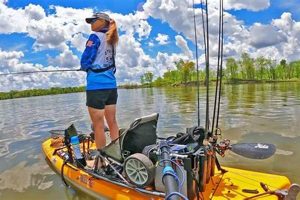
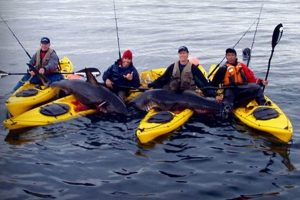
The sport of angling from a small, human-powered vessel in the waters surrounding Key Largo, Florida, offers a unique blend of challenges and rewards. This method provides access to shallow-water habitats often unreachable by larger boats, allowing anglers to target a diverse range of species. For example, bonefish, tarpon, permit, and snook are common targets in the flats and backcountry areas.
This style of fishing provides a close-to-nature experience, offering the quiet approach necessary for stealth and a heightened sense of connection with the environment. Its growing popularity stems from factors such as affordability and accessibility. Historically, fishing in the Florida Keys relied heavily on larger, motorized boats. The advent of specialized angling kayaks has democratized the sport, providing an entry point for anglers with varying budgets and experience levels. This evolution has also contributed to a growing awareness of ecological conservation within the fishing community.
Further exploration of this topic will encompass essential considerations such as necessary equipment, recommended locations, and responsible fishing practices. Information on local regulations, safety guidelines, and the ecological impact of this activity will also be provided.
Tips for Kayak Fishing in Key Largo
Successful kayak angling in Key Largo requires preparation and adherence to best practices. The following tips offer guidance for a safe and productive experience.
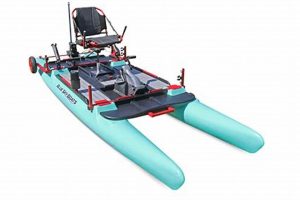
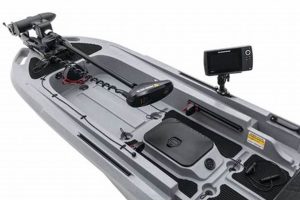
Tip 1: Choose the Right Kayak: Select a kayak designed for stability and fishing, preferably a sit-on-top model for easy access to gear and re-entry if capsized. Consider features like rod holders, storage compartments, and anchor trolleys.
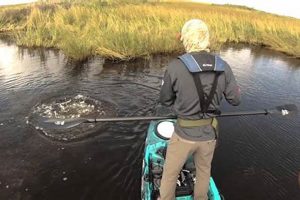
Tip 2: Prioritize Safety: Wear a personal flotation device (PFD) at all times. Carry a whistle, signaling mirror, and communication device. Check weather forecasts before departure and inform someone of your planned route and return time.
Tip 3: Plan Your Route: Research potential fishing spots, tides, and currents. Utilize nautical charts and GPS to navigate safely and efficiently. Factor in wind conditions and plan your return trip accordingly.
Tip 4: Pack Essential Gear: Bring appropriate fishing tackle, including rods, reels, lines, lures, and bait suitable for target species. Include essential tools like pliers, knife, and line cutters. Pack sun protection, hydration, and a first-aid kit.
Tip 5: Practice Kayak Control: Familiarize oneself with paddling techniques and maneuvering the kayak in various conditions. Practice deploying and retrieving anchors effectively.
Tip 6: Respect the Environment: Practice catch-and-release whenever possible. Properly dispose of fishing line and other waste. Adhere to all local fishing regulations and protect sensitive habitats.
Tip 7: Hire a Guide (Optional): Consider hiring a local guide for enhanced fishing success and local knowledge, especially for those unfamiliar with the area.
By following these guidelines, anglers can maximize their chances of a successful and enjoyable fishing experience while minimizing risks and preserving the natural environment.
These preparatory steps lay the foundation for a rewarding outing on the waters of Key Largo.
1. Stable Kayak Platform

A stable kayak platform is paramount for successful kayak fishing in Key Largo. The inherent instability of a kayak, amplified by the act of fishing, necessitates careful consideration of platform stability. A stable platform allows anglers to cast, hook, and land fish effectively while minimizing the risk of capsizing. This factor significantly impacts the overall safety and enjoyment of the experience.
- Kayak Design and Hull Shape
Kayak design and hull shape directly influence stability. Wider kayaks with flatter hulls generally offer greater primary stability (initial resistance to tipping). Longer kayaks, while potentially less maneuverable, provide better secondary stability (resistance to capsizing once tipped). Key Largo’s diverse fishing environments, from calm flats to open ocean waters, require careful selection of hull design based on anticipated conditions.
- Weight Distribution and Balance
Proper weight distribution within the kayak is crucial for maintaining balance. Distributing gear evenly and keeping a low center of gravity enhances stability. Anglers should avoid sudden movements and consider using stabilizing outriggers or stabilizers, especially when fishing in rougher waters or while standing.
- Environmental Factors
Wind, currents, and waves can significantly impact kayak stability. Understanding these factors and their influence on the kayak is crucial for safe navigation and angling. Anglers should avoid fishing in conditions exceeding their skill level and always prioritize safety over pursuing a fishing spot. Regularly checking weather forecasts is essential.
- Angler Experience and Technique
An angler’s experience and technique play a significant role in maintaining a stable platform. Practicing basic paddling skills, learning to brace and recover from tipping, and understanding how to manage the kayak in various conditions contributes significantly to stability. Professional instruction can be invaluable for novice anglers.
These interconnected factors highlight the crucial role of a stable kayak platform in successful Key Largo kayak fishing. A stable and secure platform provides anglers with the confidence and control necessary to focus on fishing, enhancing both safety and enjoyment on the water.
2. Shallow Water Access
Shallow water access represents a defining advantage of kayak fishing in Key Largo. The shallow flats, backcountry creeks, and mangrove-lined shores teem with sought-after game fish species often inaccessible to larger, deeper-draft vessels. Kayaks, with their minimal draft, allow anglers to navigate these shallow areas with ease, opening opportunities to target species such as bonefish, tarpon, permit, and redfish in their preferred habitats. This access significantly expands fishing potential compared to shore-bound angling or fishing from larger boats.
The shallow waters surrounding Key Largo offer a complex and productive ecosystem. Seagrass beds, mangrove roots, and oyster bars provide essential habitat for juvenile fish and a rich foraging ground for larger predators. Kayak anglers can quietly and effectively explore these areas, presenting lures or bait with precision. For example, poling a kayak across a shallow flat allows for a stealthy approach, mimicking the natural movement of prey and increasing the likelihood of enticing a strike from wary fish like bonefish. The ability to maneuver silently in shallow water grants a significant advantage, particularly in clear, calm conditions where fish are easily spooked.
Understanding the dynamic nature of shallow-water environments is crucial. Tidal fluctuations dramatically influence water depth and accessibility, requiring careful planning and consideration of tidal charts. Wind and weather conditions also play a role, affecting water clarity and potentially creating challenging paddling conditions. Knowledge of these factors, combined with the shallow-water access afforded by kayaks, empowers anglers to make informed decisions and maximize their chances of success. This understanding contributes directly to a more rewarding and productive fishing experience in the diverse shallow-water ecosystems surrounding Key Largo.
3. Targeted Species Selection

Targeted species selection plays a crucial role in successful kayak fishing within Key Largo’s diverse marine environment. The region supports a wide array of game fish, each with specific habitat preferences and behavioral patterns. Understanding these nuances allows anglers to optimize tackle choices, fishing locations, and techniques, maximizing the chances of a successful catch. For instance, targeting bonefish on the shallow flats requires different equipment and strategies compared to pursuing tarpon in deeper channels or offshore reefs. Selecting a target species influences decisions regarding rod weight, line strength, lure selection, and even the optimal time of day to fish.
The connection between targeted species and kayak fishing in Key Largo extends beyond simply choosing which fish to pursue. It influences the entire planning and execution of a fishing trip. Consider the pursuit of permit, a notoriously challenging fish known for its selective feeding habits. Kayak anglers targeting permit often employ specialized techniques like sight fishing, requiring specialized polarized sunglasses and the ability to accurately cast small crabs or shrimp imitations. This targeted approach necessitates specific gear and a deeper understanding of permit behavior. Conversely, targeting barracuda near reefs may involve trolling or using heavier tackle to handle their aggressive strikes and powerful runs. The specific target species dictates the necessary equipment, location selection, and angling techniques.
Effective targeted species selection contributes significantly to responsible fishing practices. Understanding species-specific regulations, such as size limits, catch limits, and seasonal closures, ensures compliance with conservation efforts. Targeting specific species also allows anglers to avoid unintended bycatch and minimize the impact on non-target species and their habitats. This informed approach promotes sustainable fishing practices and contributes to the long-term health of Key Largo’s valuable marine ecosystem. Therefore, targeted species selection represents a critical aspect of successful and responsible kayak fishing in the region.
4. Essential Gear Preparation
Essential gear preparation forms the cornerstone of safe and successful kayak fishing excursions in Key Largo. The marine environment presents inherent challenges, and appropriate equipment is crucial for both angler safety and effective fishing. Consideration of Key Largo’s specific conditionsintense sun, potential for sudden weather changes, and the presence of diverse fish speciesinforms equipment choices. For example, packing ample fresh water, sun protection (wide-brimmed hat, polarized sunglasses, and high-SPF sunscreen), and a waterproof first-aid kit addresses the challenges posed by the tropical climate. A reliable personal flotation device (PFD), a signaling device (whistle or mirror), and a communication device (waterproof VHF radio or cell phone in a waterproof case) are non-negotiable safety essentials, given the potential for unexpected situations on the water.
Effective angling requires specialized gear tailored to the target species and the fishing environment. Rods, reels, and lines suitable for the targeted fish species, whether bonefish on the flats or tarpon in deeper channels, are essential for a productive outing. A selection of lures or bait appropriate for the target species increases the likelihood of attracting strikes. Further, tools such as pliers for hook removal, a knife for cutting lines, and a landing net for safely securing fish enhance the fishing experience. Kayak-specific accessories, including rod holders, anchor systems, and dry storage compartments, contribute to organization and efficiency on the water. Careful consideration of these elements optimizes fishing success while minimizing environmental impact.
Meticulous gear preparation contributes directly to angler safety and fishing effectiveness. It mitigates potential risks associated with the marine environment and enhances the overall fishing experience. The specific demands of kayak fishing in Key Largo necessitate careful selection of both safety and fishing equipment. A comprehensive understanding of these requirements and diligent preparation ensures a rewarding and safe experience on the water.
5. Safety Precautions
Safety precautions are paramount in kayak fishing, especially in Key Largo’s dynamic marine environment. The combination of open water, varying weather conditions, and potential interaction with marine life necessitates a proactive approach to safety. Understanding and implementing appropriate safety measures significantly mitigates risks, ensuring a more enjoyable and secure fishing experience.
- Personal Flotation Devices (PFDs)
Wearing a properly fitted PFD is non-negotiable. PFDs provide essential buoyancy in the event of capsizing or unexpected immersion, significantly increasing chances of survival. Key Largo’s waters, while generally calm, can experience sudden changes in conditions. A PFD offers crucial protection, even for experienced swimmers. Its consistent use should be an ingrained habit.
- Weather Awareness and Monitoring
Checking marine weather forecasts before embarking on a kayak fishing trip is essential. Key Largo’s weather can change rapidly, and being aware of potential storms, strong winds, or changing tides is crucial for safety. Monitoring weather conditions throughout the trip allows for informed decisions regarding location changes or early returns to shore. Reliable weather apps and VHF radio broadcasts provide up-to-date information.
- Communication and Signaling Devices
Carrying a waterproof communication device, such as a VHF radio or a cell phone in a waterproof case, enables communication with emergency services or shore contacts if needed. A signaling device, such as a whistle or a signaling mirror, provides a means of attracting attention in emergency situations. These devices are crucial for summoning assistance if a kayak capsizes, mechanical issues arise, or medical emergencies occur.
- Navigation and Float Plans
Understanding basic navigation principles and carrying a chart or GPS device facilitates safe navigation, especially in unfamiliar waters. Informing someone onshore about the planned fishing route, estimated return time, and contact information (a float plan) provides an additional layer of safety. This information becomes invaluable if an angler does not return as scheduled, allowing for prompt initiation of search and rescue efforts.
These interconnected safety precautions create a framework for mitigating risks associated with kayak fishing in Key Largo. Implementing these measures transforms a potentially hazardous situation into a manageable one, enhancing the overall enjoyment and safety of the fishing experience. Prioritizing safety not only protects individual anglers but also contributes to a more responsible and sustainable approach to enjoying Key Largo’s marine environment.
6. Respectful Fishing Practices
Respectful fishing practices are integral to the sustainability of kayak fishing in Key Largo. The delicate balance of this ecosystem relies on responsible angler behavior. Direct contact with the marine environment, characteristic of kayak fishing, amplifies the potential impact of individual actions. Minimizing this impact through adherence to ethical guidelines ensures the preservation of Key Largo’s natural resources for future generations. Consider the practice of catch-and-release fishing. Proper handling techniques, minimizing air exposure for caught fish, and using appropriate tackle to reduce fight times contribute significantly to fish survival after release. Such practices become particularly crucial in heavily fished areas like Key Largo, where fish populations experience constant angling pressure.
The shallow-water access afforded by kayaks presents unique challenges and responsibilities. Seagrass beds and mangrove habitats, essential nurseries for many fish species, are particularly vulnerable to damage from kayaks. Avoiding grounding on these sensitive areas, using designated channels, and minimizing disturbance to the seabed contribute to habitat preservation. Disposing of fishing line and other waste responsibly prevents entanglement of marine life and pollution of these fragile environments. For example, carrying a small, sealable bag for discarded line ensures proper disposal onshore, preventing potentially harmful interactions with marine animals. These actions demonstrate a respect for the environment and contribute to the overall health of the ecosystem.
Respectful fishing practices are not merely ethical considerations; they are essential for the long-term viability of kayak fishing in Key Largo. These practices demonstrate a commitment to conservation and responsible use of natural resources. The interconnectedness of the ecosystem requires anglers to recognize their role in preserving its health and beauty. Continued access to this unique fishery relies on the collective adoption of sustainable practices, safeguarding Key Largo’s marine environment for future generations of anglers and preserving its ecological integrity.
Frequently Asked Questions
This section addresses common inquiries regarding kayak fishing in Key Largo, providing concise and informative responses to facilitate informed decision-making and enhance the overall fishing experience.
Question 1: What are the essential safety precautions for kayak fishing in Key Largo?
Essential safety precautions include wearing a personal flotation device (PFD), checking weather forecasts before departure, carrying a communication device (VHF radio or cell phone in a waterproof case), informing someone of the planned route and return time, and carrying a signaling device (whistle or mirror).
Question 2: What fishing license requirements apply to kayak fishing in Key Largo?
A valid Florida saltwater fishing license is required for anglers aged 16 and older. Specific regulations regarding license types and exemptions can be found on the Florida Fish and Wildlife Conservation Commission (FWC) website.
Question 3: What are the primary target species for kayak anglers in Key Largo?
Key Largo offers diverse fishing opportunities, with popular target species including tarpon, bonefish, permit, snook, redfish, snapper, and various reef fish. Species availability varies depending on season and location.
Question 4: What are the recommended kayak features for fishing in Key Largo?
Recommended kayak features include stability-enhancing designs (wider hulls or outriggers), ample storage for gear, rod holders, anchor systems, and comfortable seating. Sit-on-top kayaks are generally preferred for their ease of re-entry if capsized.
Question 5: What are the best times to fish in Key Largo from a kayak?
Optimal fishing times vary depending on target species and tidal conditions. Early morning and late afternoon often provide favorable conditions for many species. Consulting local tide charts and seeking advice from local guides can significantly enhance fishing success.
Question 6: What environmental considerations should kayak anglers be mindful of in Key Largo?
Environmental considerations include minimizing disturbance to seagrass beds and mangrove habitats, adhering to catch-and-release guidelines whenever possible, properly disposing of fishing line and other waste, and respecting local regulations designed to protect the marine ecosystem.
Careful consideration of these frequently asked questions enhances preparedness and promotes responsible angling practices. A thorough understanding of these aspects contributes to a safer, more productive, and environmentally conscious kayak fishing experience in Key Largo.
The following sections will offer more detailed information on specific aspects of kayak fishing in Key Largo.
Kayak Fishing Key Largo
Kayak fishing in Key Largo offers a unique blend of angling challenge and intimate engagement with the natural environment. This pursuit necessitates careful consideration of various factors, ranging from equipment selection and safety precautions to targeted species selection and respectful fishing practices. A stable kayak platform, access to shallow-water habitats, and an understanding of targeted species behavior contribute significantly to fishing success. Essential gear preparation, including appropriate tackle and safety devices, ensures preparedness for the marine environment. Adherence to safety protocols and responsible fishing practices safeguards both anglers and the ecological integrity of the region.
The future of kayak fishing in Key Largo rests on the continued adoption of sustainable practices and a commitment to environmental stewardship. Preserving the delicate balance of this ecosystem ensures continued access to this unique and rewarding fishing experience for generations to come. Informed decision-making and responsible angling behavior are crucial for the long-term health and viability of this valuable resource.