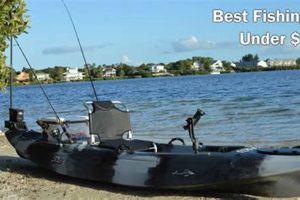
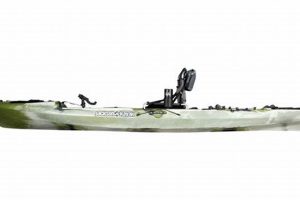
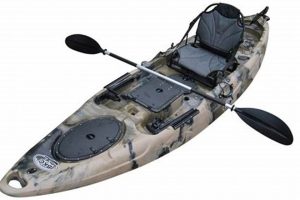
Top-rated kayaks designed for angling in 2021 offered diverse features catering to various fishing styles and budgets. These specialized vessels incorporated design elements like rod holders, tackle storage, and often, pedal or motor propulsion systems to enhance the fishing experience.
Selecting a suitable fishing kayak was crucial for anglers in 2021. Factors such as stability, maneuverability, storage capacity, and comfort significantly impacted on-the-water performance and overall enjoyment. A well-chosen watercraft allowed for efficient navigation, easier access to fishing spots, and hands-free fishing, ultimately increasing the likelihood of a successful outing. The development of specialized fishing kayaks reflects the growing popularity of kayak fishing and the increasing demand for vessels tailored to this specific activity.
This article will explore various categories of fishing kayaks prevalent in 2021, including sit-on-top and sit-inside designs, inflatable options, and those equipped with pedal or motor drives. Furthermore, it will examine key features, popular models, and factors influencing purchasing decisions.
Tips for Selecting a 2021 Fishing Kayak
Choosing an appropriate fishing kayak requires careful consideration of individual needs and intended usage. The following tips offer guidance for navigating the selection process.
Tip 1: Consider Hull Design: Kayak hull design significantly impacts stability and maneuverability. Wider, flatter hulls offer enhanced stability, ideal for calmer waters and stand-up fishing. Longer, narrower hulls provide better tracking and speed, suitable for covering greater distances or paddling in currents.
Tip 2: Evaluate Propulsion Options: Paddle kayaks offer a traditional experience and excellent exercise. Pedal-driven kayaks allow for hands-free fishing and increased speed, while motorized kayaks offer the greatest range and effortless travel.
Tip 3: Assess Storage Capacity: Ample storage is essential for carrying fishing gear, tackle boxes, and personal items. Consider the size and accessibility of storage compartments and the presence of dedicated rod holders.
Tip 4: Prioritize Comfort and Ergonomics: A comfortable seat and adjustable footrests contribute to longer, more enjoyable fishing trips. Ensure the kayak offers adequate support and adjustability for individual body types.
Tip 5: Determine Weight Capacity: Select a kayak with a weight capacity that accommodates the angler’s weight, plus the weight of all gear and equipment. Exceeding the weight capacity can compromise stability and performance.
Tip 6: Factor in Transportation and Storage: Consider the kayak’s size and weight concerning transportation and storage limitations. Inflatable kayaks offer portability and convenient storage, while larger, rigid kayaks may require specialized roof racks or trailers.
Tip 7: Research Reputable Brands and Reviews: Consult reviews and compare models from established kayak manufacturers. This research can provide valuable insights into quality, durability, and performance.
By carefully evaluating these factors, anglers can select a fishing kayak optimized for their specific needs and enhance their on-the-water fishing experience.
This information provides a foundation for making an informed decision. Further research and in-person demonstrations are recommended before making a final purchase.
1. Stability

Stability formed a cornerstone for evaluating top fishing kayaks in 2021. A stable platform is paramount for casting lines, reeling in catches, and remaining safe and comfortable on the water, particularly in challenging conditions or when engaging in activities like stand-up fishing.
- Hull Design and Stability
Hull design directly influenced stability. Wider, flatter hulls provided greater primary stability, resisting initial tipping. Longer, narrower hulls offered better secondary stability, recovering more easily from larger disturbances. Kayaks designed for fishing in calm waters often prioritized primary stability, while those intended for open water or rough conditions benefited from enhanced secondary stability. For example, a pontoon-style hull provided exceptional primary stability, making it ideal for still waters, while a V-shaped hull offered better performance in choppy conditions, even if initially less stable.
- Center of Gravity and Weight Distribution
The center of gravity played a critical role in stability. Lower centers of gravity enhanced stability. Proper weight distribution within the kayak further optimized balance. Keeping heavier items low and centered improved overall stability, preventing tipping. For instance, storing tackle boxes and gear close to the center of the kayak, rather than at the bow or stern, maximized stability.
- Stability and Fishing Activities
Different fishing activities required varying degrees of stability. Stand-up fishing demanded exceptional stability, necessitating kayaks with wider platforms and stable hull designs. Similarly, fishing in rough conditions or strong currents required kayaks capable of handling disturbances without capsizing. Kayaks designed for trolling often prioritized tracking over absolute stability.
- Stability Enhancements
Several features enhanced kayak stability. Outriggers and stabilizers provided additional support, particularly beneficial for anglers new to kayaking or those fishing in challenging conditions. These additions increased the overall width and improved resistance to tipping. Some kayaks also featured weighted keels or adjustable ballast systems for fine-tuning stability.
Ultimately, choosing a fishing kayak in 2021 with appropriate stability characteristics significantly impacted performance and safety on the water. Matching the kayak’s stability profile to intended fishing styles and water conditions was essential for a successful and enjoyable experience.
2. Maneuverability

Maneuverability represented a critical factor in assessing top-performing fishing kayaks of 2021. Efficient navigation through various water conditions, accessing tight fishing spots, and responding effectively to changing currents or wind demanded a kayak capable of precise and responsive handling.
- Hull Design and Turning Performance
Hull design significantly influenced a kayak’s turning capabilities. Shorter kayaks generally offered greater maneuverability, enabling tighter turns and quicker changes in direction. Longer kayaks, while offering better tracking in straight lines, typically required more effort to turn. For example, a shorter, wider kayak excelled in navigating narrow creeks and maneuvering around obstacles, whereas a longer, narrower kayak performed better in open water or when paddling longer distances.
- Tracking and Course Correction
Tracking, the ability of a kayak to maintain a straight course, is crucial for efficient paddling. Skegs or rudders enhanced tracking, particularly in windy conditions or currents. These features helped maintain directional stability and minimized the need for constant course correction. For instance, a kayak equipped with a rudder allowed for precise adjustments to maintain a desired heading, even in crosswinds.
- Maneuverability in Different Water Conditions
Different water conditions demanded varying levels of maneuverability. Navigating tight spaces in mangroves or rivers required a highly maneuverable kayak. Conversely, paddling in open water or strong currents benefited from a kayak that balanced maneuverability with tracking. Specialized designs, such as those with a shallow draft, proved advantageous in shallow water environments.
- Propulsion System and Maneuverability
The propulsion system influenced maneuverability. Paddle kayaks offered direct control and responsiveness, allowing for quick adjustments and turns. Pedal-drive kayaks offered hands-free operation but might have a slightly larger turning radius. Motorized kayaks provided the most straightforward navigation but required careful control in confined spaces.
Selecting a fishing kayak in 2021 with appropriate maneuverability characteristics directly impacted fishing success. Balancing maneuverability with stability and other essential features, like storage capacity, ensured optimal performance in diverse fishing environments. The ideal choice depended on the specific fishing style and the anticipated water conditions.
3. Storage Capacity

Storage capacity played a vital role in determining the suitability of fishing kayaks in 2021. Effective organization and accessibility of essential gear, including rods, reels, tackle boxes, and personal items, directly impacted fishing efficiency and overall enjoyment on the water. Insufficient storage could lead to a cluttered and less productive fishing experience.
- Types of Storage Compartments
Different kayaks offered various storage solutions. Dedicated compartments for tackle boxes, rod holders, and dry storage areas for personal belongings were common features. Open storage wells with bungee cords provided quick access to frequently used items, while sealed hatches protected sensitive equipment from water damage. For example, recessed rod holders kept lines out of the way during paddling, while tank wells accommodated larger items like coolers or crates.
- Storage Capacity and Kayak Size
Kayak size directly correlated with storage capacity. Larger kayaks generally offered more storage space. However, larger kayaks also presented challenges regarding transportation and maneuverability. Anglers needed to balance their storage needs with the overall size and handling characteristics of the kayak. Longer fishing trips or excursions requiring more gear often necessitated kayaks with greater storage capacity.
- Weight Capacity and Gear Storage
Weight capacity considerations extended beyond the angler’s weight to include all carried gear. Exceeding the kayak’s weight capacity compromised stability and performance. Anglers needed to carefully assess the combined weight of their gear and ensure it fell within the kayak’s specified limits. This calculation included not only fishing equipment but also safety gear, food, and water.
- Organization and Accessibility
Efficient organization and easy access to gear maximized fishing time and minimized frustration. Well-designed storage systems with designated compartments for different items helped maintain order and prevented gear from shifting during paddling. Easily accessible storage compartments allowed for quick retrieval of necessary items without disrupting fishing activities.
Adequate storage capacity proved essential for a successful and organized fishing experience in 2021. Selecting a kayak with appropriate storage solutions aligned with individual fishing styles and anticipated gear requirements allowed anglers to focus on fishing rather than managing equipment. Careful consideration of storage features alongside other factors like stability and maneuverability ensured the selection of a well-rounded fishing kayak.
4. Propulsion Systems
Propulsion systems played a crucial role in defining the best fishing kayaks of 2021. Efficient and adaptable propulsion directly impacted an angler’s ability to cover water, navigate diverse conditions, and conserve energy for fishing. The choice of propulsion system significantly influenced the overall fishing experience.
Traditional paddle kayaks offered excellent control and maneuverability, relying on upper body strength for propulsion. This classic approach provided a quiet and immersive experience, well-suited for calm waters and stealthy approaches. However, paddling over long distances or against currents could prove tiring, potentially reducing time spent actively fishing. For example, a paddle kayak excelled in shallow, vegetated areas where precise maneuvering was essential.
Pedal-drive kayaks gained popularity due to their hands-free operation, allowing anglers to maintain fishing rods while navigating. These systems typically employed either propeller or fin-based propulsion, offering efficient and relatively quiet movement. Pedal drives proved particularly advantageous in currents or open water, enabling anglers to cover greater distances with less physical exertion. A fin-drive system, for instance, offered improved performance in shallow water and reduced weed entanglement compared to a propeller system.
Motorized kayaks offered the greatest range and speed, enabling anglers to access distant fishing grounds quickly. Electric motors provided quiet operation and minimized environmental impact. However, these systems added weight and complexity, requiring battery management and potentially impacting maneuverability in tight spaces. Motorized kayaks proved especially beneficial in larger bodies of water or when traversing long distances, offering significant advantages in terms of speed and range.
Selecting the optimal propulsion system depended on individual fishing styles, target environments, and physical capabilities. Paddle kayaks offered versatility and affordability, while pedal drives and motors provided advantages in specific situations. Understanding the strengths and limitations of each propulsion system was crucial for choosing a kayak best suited to individual needs and maximizing fishing efficiency in 2021. Careful consideration of propulsion alongside factors like stability and storage capacity ensured a well-rounded and productive fishing experience.
5. Comfort and Ergonomics

Comfort and ergonomics constituted critical factors in evaluating the best fishing kayaks of 2021. Extended periods on the water required a comfortable and supportive environment to minimize fatigue and maximize fishing enjoyment. Ergonomic design elements directly influenced an angler’s ability to maintain focus and effectively cast, reel, and land fish.
- Seating Systems
Seating systems played a pivotal role in overall comfort. Adjustable seating positions, supportive backrests, and breathable fabrics enhanced comfort and reduced strain during long fishing trips. High-end kayaks often featured elevated seating for improved visibility and easier casting. Kayaks designed for paddling longer distances sometimes incorporated adjustable thigh braces for enhanced control and stability.
- Footrests and Leg Support
Proper footrests and leg support contributed to stability and paddling efficiency. Adjustable footrests accommodated different leg lengths and allowed anglers to maintain a comfortable and biomechanically sound paddling position. This adjustability was essential for efficient power transfer and reduced fatigue during extended paddling sessions.
- Deck Layout and Accessibility
Deck layout and accessibility of essential gear influenced fishing efficiency and overall ergonomics. Well-placed rod holders, tackle storage compartments, and other accessories minimized reaching and bending, promoting a more comfortable and streamlined fishing experience. Easy access to frequently used items reduced distractions and allowed anglers to maintain focus on fishing.
- Standing Platforms and Stability
Kayaks designed for stand-up fishing required stable platforms and supportive deck padding. These features provided a secure and comfortable standing position, allowing anglers to sight fish and cast with greater precision. Non-slip surfaces enhanced safety and stability while standing, minimizing the risk of slips or falls.
Prioritizing comfort and ergonomics in fishing kayak selection ensured a more enjoyable and productive fishing experience in 2021. A comfortable and well-designed kayak allowed anglers to focus on fishing, minimizing discomfort and maximizing time on the water. Integrating ergonomic principles in kayak design directly contributed to enhanced fishing performance and overall satisfaction.
6. Durability and Build Quality

Durability and build quality represented essential criteria for discerning top-tier fishing kayaks in 2021. Kayaks routinely endure harsh conditions, including exposure to sunlight, saltwater, and impacts from rocks or other obstacles. Robust construction ensured a kayak’s longevity and maintained performance over time. Investing in a durable kayak minimized repair costs and ensured reliable performance throughout its lifespan. For example, a kayak constructed from high-density polyethylene (HDPE) offered excellent impact resistance and UV protection, crucial for withstanding regular use and exposure to the elements. Conversely, a kayak made from lower-grade materials might crack or degrade more quickly, requiring frequent repairs or replacement.
Build quality encompassed factors such as the kayak’s construction method, materials used, and attention to detail in manufacturing. Rotational molding, a common manufacturing process for kayaks, produced a seamless and uniformly thick hull, enhancing durability and impact resistance. High-quality hardware, including stainless steel fittings and robust hatches, further contributed to overall durability and longevity. Properly sealed seams and hatches prevented water intrusion, protecting internal components and maintaining buoyancy. For instance, a kayak with reinforced stress points, like the areas around the seat and handles, better withstood the forces encountered during use, ensuring long-term structural integrity.
Selecting a fishing kayak in 2021 required careful consideration of durability and build quality. These factors directly influenced a kayak’s resistance to wear and tear, its ability to withstand challenging conditions, and its overall lifespan. A durable and well-constructed kayak provided a reliable platform for fishing, ensuring consistent performance and minimizing the need for repairs or replacement. Evaluating construction materials, manufacturing processes, and hardware quality allowed anglers to make informed decisions and invest in kayaks built to withstand the rigors of regular use. Ultimately, prioritizing durability and build quality ensured long-term value and provided a dependable vessel for pursuing fishing adventures.
Frequently Asked Questions
This section addresses common inquiries regarding the selection and use of top-performing fishing kayaks available in 2021. Understanding these key aspects assists in making informed purchasing decisions and optimizing on-the-water experiences.
Question 1: What are the primary differences between sit-on-top and sit-inside kayaks for fishing?
Sit-on-top kayaks offer superior stability and ease of entry/exit, making them suitable for warmer climates and stand-up fishing. Sit-inside kayaks provide better protection from the elements and a drier ride, advantageous in colder conditions or rough waters. Storage capacity and specialized features vary between designs.
Question 2: How does kayak length influence fishing performance?
Longer kayaks generally track better in straight lines and offer higher speeds, making them suitable for covering larger distances. Shorter kayaks provide enhanced maneuverability, beneficial for navigating tight spaces and accessing shallow areas. The optimal length depends on individual fishing styles and target environments.
Question 3: What factors should be considered when choosing between paddle, pedal, and motor propulsion?
Paddle propulsion offers simplicity, affordability, and a quiet experience. Pedal drives allow for hands-free fishing and increased speed, while motors provide the greatest range and power. Selection depends on budget, physical capabilities, and desired fishing range.
Question 4: How important is weight capacity in fishing kayak selection?
Weight capacity dictates the maximum combined weight of the angler, gear, and any additional cargo. Exceeding this limit compromises stability and performance. Accurate assessment of total weight ensures safe and optimal kayak performance.
Question 5: What are the key features to look for in a fishing kayak’s seating system?
Essential seating features include adjustability, back support, and breathable materials for enhanced comfort during extended fishing trips. Elevated seating improves visibility, while adjustable thigh braces enhance paddling control.
Question 6: How does hull design affect stability and maneuverability?
Wider, flatter hulls offer increased primary stability, suitable for calm waters and stand-up fishing. Longer, narrower hulls enhance tracking and speed but may sacrifice maneuverability. V-shaped hulls improve performance in rougher conditions. The ideal hull design depends on intended usage and water conditions.
Careful consideration of these frequently asked questions facilitates informed decision-making when selecting a fishing kayak optimized for individual needs and intended usage in 2021.
The subsequent sections will delve into specific kayak models and offer comparative analyses to further aid in the selection process.
Best Fishing Kayaks for 2021
Top-performing fishing kayaks available in 2021 offered a diverse range of features catering to various angling styles and preferences. Careful evaluation of hull design, propulsion systems, storage capacity, comfort, and build quality proved essential for selecting optimal vessels. Matching kayak characteristics to individual needs, target fishing environments, and budgetary constraints ensured maximized performance and enjoyment on the water. Specific features such as rod holders, specialized storage compartments, and advanced propulsion options, like pedal or motor drives, significantly enhanced the fishing experience. Understanding the interplay of these factors allowed anglers to make informed decisions and select kayaks best suited to their specific requirements.
Investing in a well-equipped and appropriately designed fishing kayak represented a significant step towards enhancing angling success and overall enjoyment in 2021. The evolving landscape of kayak design and technology promised continued advancements in the future, offering anglers even more specialized and refined options for pursuing their passion on the water. Diligent research and careful consideration of individual needs remained paramount for navigating the diverse offerings and selecting a kayak that maximized performance and delivered years of reliable service. The selection process underscored the importance of aligning kayak characteristics with individual fishing styles and aspirations for an optimized on-the-water experience.