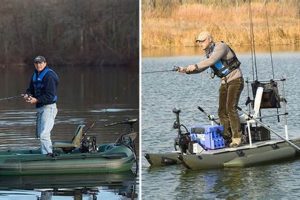
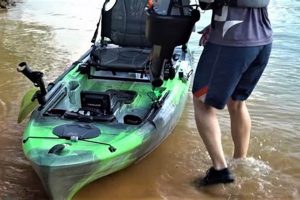
The sport of angling from small, human-powered vessels offers unique access to Ontario’s extensive waterways. This method allows exploration of diverse aquatic environments, from the Great Lakes to inland rivers and smaller lakes, pursuing a variety of fish species. The portability and maneuverability of these vessels grant anglers the ability to reach shallow, vegetated areas often inaccessible by larger boats, enhancing the fishing experience.
This activity contributes to the province’s tourism and recreation sectors. It offers a close-to-nature experience, promoting physical activity and environmental awareness. Historically, smaller watercraft played a crucial role in Indigenous fishing practices. Modern iterations, equipped with specialized gear and technology, have elevated the experience, attracting a growing number of enthusiasts seeking sustainable and engaging outdoor recreation.
This article will explore various aspects of this popular pastime, including recommended locations, suitable species, necessary equipment, safety precautions, and relevant regulations.
Tips for Kayak Angling in Ontario
Careful planning and preparation enhance safety and success on the water. These tips offer valuable insights for anglers of all experience levels.
Tip 1: Research Fishing Regulations: Consult the Ontario Ministry of Natural Resources and Forestry website for current fishing license requirements, catch limits, and season closures for specific species and locations.
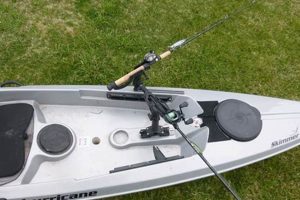
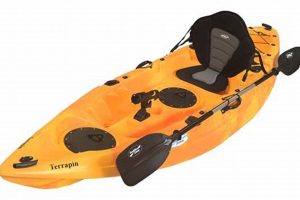
Tip 2: Choose the Right Vessel: Select a kayak designed for stability and appropriate for the intended fishing environment. Sit-on-top kayaks offer advantages in warmer weather and ease of re-entry after a water landing, while sit-inside kayaks provide better protection from the elements.
Tip 3: Prioritize Safety Equipment: Always wear a properly fitted personal flotation device (PFD). Carry a whistle, signaling device, and a first-aid kit. Inform someone of your fishing plans, including location and expected return time.
Tip 4: Plan for Weather Conditions: Check the forecast before heading out and be prepared for changing conditions. Dress in layers and pack appropriate rain gear. Avoid fishing during thunderstorms or high winds.
Tip 5: Equip Appropriately: Select fishing rods, reels, and tackle suited to the target species. Consider using a fish finder and GPS unit to locate fish and navigate effectively.
Tip 6: Practice Proper Kayak Handling: Develop paddling skills and learn self-rescue techniques. Be aware of wind and current conditions. Avoid overloading the kayak to maintain stability.
Tip 7: Respect the Environment: Practice catch and release whenever possible. Properly dispose of fishing line and other waste. Minimize disturbance to wildlife and their habitats.
By adhering to these guidelines, anglers can contribute to a safe and enjoyable experience, promoting responsible use of Ontario’s aquatic resources.
Considering these factors, the following sections delve into specific recommendations for optimizing angling adventures in Ontario.
1. Target Species

Species selection significantly influences equipment choices, location scouting, and overall angling strategy in Ontario kayak fishing. Understanding the behavior, habitat preferences, and seasonal patterns of target fish enhances the likelihood of a successful and rewarding experience.
- Largemouth and Smallmouth Bass:
These popular game fish inhabit diverse environments, from weedy shallows to deeper rocky structures. Kayak anglers can effectively target them using a variety of lures and techniques. Understanding their seasonal movements and feeding patterns is crucial for success. Largemouth bass tend to prefer warmer, vegetated areas, while smallmouth bass often favor cooler, rocky habitats. Adapting tackle and presentation to suit these specific preferences optimizes catch rates.
- Northern Pike and Muskie:
These apex predators provide a thrilling challenge for kayak anglers seeking larger quarry. They inhabit weedy bays, shallow inlets, and deeper drop-offs. Heavier tackle and specialized lures are necessary to effectively target these powerful fish. Understanding their ambush predatory behavior and preferred habitats is crucial for successful angling. Quiet, stealthy approaches are essential, as these fish are easily spooked.
- Walleye and Sauger:
These prized fish are sought after for their excellent table fare. They often inhabit deeper waters, particularly during daylight hours. Jigging and trolling techniques are effective for targeting these species from a kayak. Low-light periods, such as dawn and dusk, often present optimal fishing opportunities. Understanding their preferred depth ranges and foraging habits is essential for successful angling.
- Panfish (e.g., Perch, Crappie, Sunfish):
These smaller species provide excellent angling opportunities for beginners and seasoned anglers alike. They inhabit a variety of environments and are often found in large schools. Lighter tackle and smaller lures are typically used. Panfish are an excellent option for introducing newcomers to the sport, providing ample action and rewarding catches. They also offer a sustainable angling option, with generally generous catch limits.
By carefully considering the target species and adapting techniques accordingly, kayak anglers can maximize their success on Ontario’s diverse waterways. Understanding the nuances of each species’ behavior and habitat preferences enhances the angling experience and contributes to responsible fishing practices.
2. Launch Locations

Strategic launch site selection is paramount for successful kayak angling in Ontario. Access points determine reachable fishing grounds, influence safety considerations, and impact the overall angling experience. Careful evaluation of available locations, considering factors such as water conditions, species presence, and accessibility, optimizes angling opportunities.
- Public Boat Launches:
Numerous public boat launches provide convenient access to Ontario’s lakes and rivers. These established sites often offer amenities such as parking, washrooms, and docks, simplifying launching and retrieval. However, they can experience high traffic, particularly during peak seasons. Anglers should be mindful of boat launch etiquette and prioritize safety when sharing these spaces with other boaters.
- Crown Land Access Points:
Ontario’s extensive Crown Land provides numerous access points for kayak anglers. These locations often offer a more secluded and less congested experience. However, they may require more research and planning to identify suitable launch areas. Understanding Crown Land regulations and practicing Leave No Trace principles is essential for responsible use of these resources.
- Park Access Points:
Many provincial and municipal parks offer designated launch areas for non-motorized vessels. These locations often provide amenities and regulated access, enhancing safety and convenience. However, park access may require permits or fees. Anglers should familiarize themselves with park regulations and respect designated areas.
- Private Access Points:
Some anglers gain access to private waterfront properties through ownership or permission. These locations can offer exclusive access to prime fishing grounds. However, obtaining necessary permissions and respecting property boundaries is paramount. Maintaining positive relationships with landowners ensures continued access and fosters responsible angling practices.
Effective launch location selection, tailored to specific angling objectives and respecting access regulations, enhances safety, maximizes fishing opportunities, and contributes to a positive overall experience. By carefully considering available options and planning accordingly, kayak anglers can fully appreciate the diverse angling opportunities offered by Ontario’s waterways.
3. Essential Gear

Specialized equipment enhances safety and effectiveness in Ontario kayak fishing. Appropriate gear selection considers target species, fishing location, and environmental conditions. A well-equipped angler prioritizes functionality, durability, and safety, contributing to a more productive and enjoyable experience.
Essential gear includes a properly fitted personal flotation device (PFD), a crucial safety component. A paddle leash prevents loss in the event of a capsize. Rod holders and tackle storage systems maintain organization within the limited space of a kayak. A waterproof bag protects electronics and personal items. Navigation tools, such as a GPS unit and compass, aid in orientation and location finding. Appropriate fishing tackle, including rods, reels, lines, and lures, tailored to target species, maximizes angling effectiveness. For colder water or conditions, specialized clothing, such as a dry suit or wetsuit, enhances comfort and safety. A first-aid kit and signaling devices, like a whistle or air horn, are crucial for emergency preparedness.
Appropriate gear selection directly impacts angler safety and success. For example, targeting larger species such as Muskie necessitates heavier tackle and stronger line than pursuing panfish. Fishing in remote locations requires additional safety gear, like a communication device for emergencies. Understanding the interplay between essential gear and specific angling conditions allows for informed decisions, contributing to responsible and successful kayak fishing experiences in Ontario.
4. Safety Procedures

Safety procedures are integral to responsible kayak angling in Ontario. The inherent risks associated with on-water activities necessitate careful planning and adherence to established safety guidelines. Negligence in this area can lead to serious consequences, ranging from equipment damage and minor injuries to life-threatening situations. Understanding and implementing appropriate safety measures significantly mitigates these risks, promoting enjoyable and incident-free angling experiences.
Several factors contribute to potential hazards in kayak fishing. Changing weather conditions, including sudden wind shifts and temperature drops, can create challenging and unpredictable circumstances. Cold water immersion presents a significant risk, particularly during the shoulder seasons. Interactions with motorized vessels necessitate heightened awareness and adherence to navigational rules. Underestimating water currents or venturing into unfamiliar areas without proper planning can lead to disorientation and difficulty returning to shore. Practical examples include capsizing due to unexpected waves, hypothermia resulting from prolonged cold water exposure, or collisions with other vessels in congested areas.
Adherence to established safety procedures significantly reduces these risks. Wearing a properly fitted personal flotation device (PFD) remains paramount. Carrying essential safety equipment, such as a whistle, signaling device, and first-aid kit, prepares anglers for unforeseen circumstances. Checking weather forecasts before embarking and continuously monitoring conditions throughout the trip allows for proactive adjustments to plans. Informing someone of intended fishing locations and expected return times ensures timely assistance in case of emergencies. Practical application of these procedures, coupled with ongoing self-education and responsible decision-making, fosters a culture of safety within the Ontario kayak angling community.
5. Respectful Angling
Respectful angling practices are essential for the sustainability of Ontario’s aquatic ecosystems and the continued enjoyment of kayak fishing. This approach prioritizes minimizing environmental impact and preserving fish populations for future generations. It encompasses responsible catch-and-release practices, careful handling of fish, and awareness of sensitive habitats.
- Minimizing Disturbance to Aquatic Habitats
Kayaks offer unique access to shallow, vegetated areas, making it crucial to minimize disturbance. Avoiding paddling through spawning beds or sensitive vegetation preserves these critical habitats. Dragging kayaks over shallow gravel areas, for example, can damage fish eggs and disrupt breeding cycles. Careful navigation and mindful launching and landing practices minimize physical impacts on these sensitive environments.
- Proper Catch-and-Release Techniques
Practicing proper catch-and-release techniques ensures the survival of released fish. Using barbless hooks minimizes injury, and keeping fish in the water as much as possible reduces stress. Using wet hands or a landing net avoids removing protective slime. Promptly releasing fish, especially during warmer months, minimizes their time out of water, increasing their chances of survival.
- Adherence to Fishing Regulations
Respectful angling includes adhering to established fishing regulations. These regulations, including catch limits, size restrictions, and season closures, are designed to manage fish populations and ensure their long-term health. Exceeding catch limits or targeting protected species undermines conservation efforts and jeopardizes the sustainability of the fishery. Staying informed about current regulations and adhering to them demonstrates respect for the resource and contributes to its preservation.
- Responsible Waste Disposal
Responsible waste disposal is crucial for maintaining the pristine nature of Ontario’s waterways. Discarded fishing line poses a significant threat to wildlife, and other debris detracts from the natural beauty of the environment. Properly disposing of all trash, including fishing line and tackle packaging, minimizes environmental impact. Carrying a small trash bag or container in the kayak facilitates responsible waste management.
Respectful angling practices are integral to preserving the integrity of Ontario’s aquatic ecosystems. By incorporating these principles into kayak fishing excursions, anglers contribute to the long-term health of fish populations and the continued enjoyment of this recreational activity. These practices ensure that future generations can experience the unique angling opportunities Ontario offers.
Frequently Asked Questions
This section addresses common inquiries regarding kayak angling in Ontario, providing concise and informative responses to facilitate informed decision-making and enhance the overall angling experience.
Question 1: What are the licensing requirements for kayak fishing in Ontario?
A valid Ontario fishing license is required for anglers aged 18 to 64. Specific licenses and regulations apply depending on residency status and targeted species. Consult the Ontario Ministry of Natural Resources and Forestry website for detailed information.
Question 2: Are there specific safety regulations for kayaks used for fishing?
Kayaks used for fishing are subject to the same safety regulations as other human-powered vessels. A properly fitted personal flotation device (PFD) must be worn at all times. Carrying a whistle, signaling device, and watertight flashlight is mandatory. Navigation lights are required when operating after sunset or before sunrise.
Question 3: What are the recommended kayak types for fishing in Ontario waters?
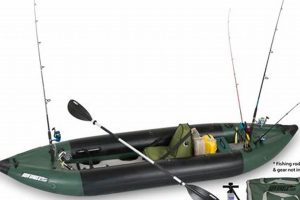
Kayak selection depends on individual preferences and intended fishing locations. Sit-on-top kayaks offer stability and ease of re-entry, while sit-inside kayaks provide better protection from the elements. Inflatable kayaks offer portability but may be less stable. Specialized fishing kayaks often feature integrated rod holders, tackle storage, and other angler-specific amenities.
Question 4: How does one locate suitable fishing spots accessible by kayak?
Resources such as nautical charts, bathymetric maps, and online fishing forums can aid in identifying productive fishing areas accessible by kayak. Local tackle shops and fishing guides can provide valuable insights into local conditions and species distribution. Exploring different areas and observing environmental cues, such as vegetation and water clarity, can also help locate fish-holding structures.
Question 5: What are the best practices for minimizing environmental impact while kayak fishing?
Respectful angling practices minimize environmental impact. Proper catch-and-release techniques, careful handling of fish, and adherence to fishing regulations are crucial. Avoiding paddling through sensitive habitats, such as spawning beds and vegetated areas, preserves these critical ecosystems. Proper disposal of fishing line and other waste prevents pollution and protects wildlife.
Question 6: Where can one find information on accessible kayak launch sites in Ontario?
Information on accessible kayak launch sites can be found on the websites of Ontario Parks, Conservation Authorities, and municipal tourism offices. Online mapping resources and paddling guides often identify suitable access points. Local outfitters and kayak rental businesses can also provide information on nearby launch locations.
Understanding these key aspects of kayak angling in Ontario promotes responsible and enjoyable fishing experiences, ensuring the preservation of the province’s aquatic resources.
The following section will provide further detail on specific locations and techniques for maximizing success in Ontario kayak fishing.
Conclusion
This exploration of angling from kayaks within Ontario’s diverse waterways has highlighted the unique opportunities and responsibilities inherent in this pursuit. From species selection and location considerations to essential gear and safety procedures, each aspect contributes to a successful and sustainable angling experience. The emphasis on respectful angling practices underscores the importance of environmental stewardship and the preservation of aquatic ecosystems for future generations. Careful planning, informed decision-making, and a commitment to responsible angling practices maximize both enjoyment and the long-term health of Ontario’s fisheries.
Ontario’s abundant waterways offer exceptional angling experiences from human-powered vessels. Continued focus on conservation, responsible access, and angler education will ensure the sustainability of this valued recreational activity. Through informed participation and a shared commitment to preservation, the unique opportunities presented by Ontario’s aquatic ecosystems can be enjoyed for years to come.