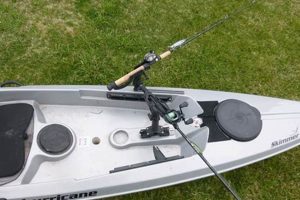
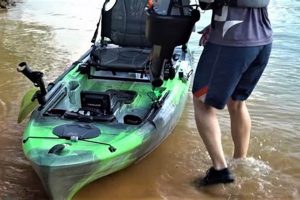
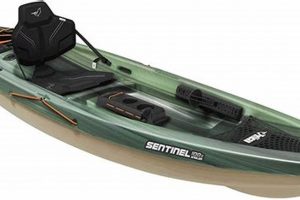
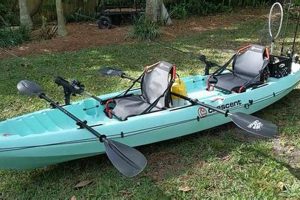
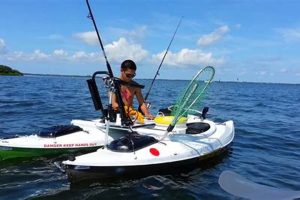
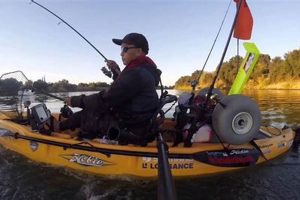
A small, stable watercraft designed for angling in calm waters, particularly those inhabited by terrapins, offers a unique blend of mobility and stealth. This type of vessel is often characterized by its compact size, maneuverability, and shallow draft, allowing anglers to access shallow, vegetated areas where these reptiles might be found. Consider the image of an angler paddling silently through a marsh, casting a line into the tranquil water this vessel enables such close encounters with nature.
The advantages of this specialized approach to fishing are significant. Its compact nature allows for easier transport and storage compared to larger boats. The shallow draft permits access to areas often inaccessible by other means, opening up prime fishing spots. The stability offered by such crafts provides a comfortable and secure platform for casting and reeling, even in the presence of gentle currents or light chop. Historically, small boats have played a vital role in fishing cultures worldwide, reflecting the practicality and efficiency they offer. This specific type carries on that tradition, adapted to target environments where terrapins thrive.
This article will explore various aspects related to selecting, outfitting, and using such specialized vessels. Topics covered will include the ideal features for these boats, essential gear and accessories, techniques for paddling and fishing in terrapin habitats, and responsible fishing practices that prioritize conservation and environmental sustainability.
Tips for Kayak Fishing in Terrapin Habitats
Successfully angling in these unique environments requires careful planning and execution. The following tips offer guidance for a productive and enjoyable experience.
Tip 1: Choose the Right Vessel: Select a kayak designed for stability and maneuverability in shallow water. Shorter kayaks (under 12 feet) are often preferred for their ease of turning and navigating tight spaces commonly found in terrapin habitats.
Tip 2: Prioritize Stealth: Terrapins are easily spooked. Approach fishing areas slowly and quietly, minimizing splashing and noise. Neutral-toned kayaks blend better with the natural environment.
Tip 3: Utilize Appropriate Gear: Lightweight rods, reels, and tackle are ideal for this type of fishing. Consider using lures or bait that mimic the natural prey of the target fish species in the area.
Tip 4: Understand the Ecosystem: Research the specific terrapin habitat. Knowledge of water depth, vegetation, and potential obstacles is crucial for safe and effective navigation.
Tip 5: Practice Responsible Anchoring: Avoid anchoring in sensitive areas such as turtle nesting sites or dense vegetation beds. Employ anchor techniques that minimize disturbance to the habitat.
Tip 6: Respect Wildlife: Observe terrapins and other wildlife from a distance. Avoid disturbing their natural behaviors. Adhere to all local regulations regarding interactions with protected species.
Tip 7: Pack Essential Safety Gear: A personal flotation device (PFD), a whistle, and a first-aid kit are essential safety items for any kayaking trip. A communication device is also recommended for emergencies.
By following these tips, anglers can enhance their chances of success while minimizing their impact on these delicate ecosystems. Preparation and respect for the environment are key to a rewarding experience.
The information provided in this article aims to equip anglers with the knowledge and skills necessary for a successful and sustainable approach to fishing in terrapin habitats. A mindful and responsible approach ensures the preservation of these unique environments for future generations.
1. Stable Platform

Stability is paramount when fishing from a kayak, especially in the calm, shallow waters frequented by terrapins. A stable platform allows anglers to cast, retrieve, and land fish effectively without compromising balance or risking capsizing. This is particularly crucial in environments where stealth and minimal disturbance are key to success.
- Reduced Sway and Tipping:
A stable kayak resists excessive rocking or tipping, even when shifting weight for casting or reeling. This stability is influenced by hull design, kayak width, and the angler’s center of gravity. Wider, flatter-bottomed hulls generally offer greater initial stability. Reduced sway contributes directly to angler comfort and confidence, especially in shallow waters where unexpected obstacles or currents might be encountered.
- Enhanced Casting Accuracy:
A stable platform provides a solid base for accurate casting. Unwanted kayak movement can disrupt casting rhythm and accuracy, leading to tangled lines and missed targets. The stillness afforded by a stable kayak allows for precise casts, crucial for targeting specific areas where fish might be feeding near terrapins.
- Safe Fish Handling:
Landing and handling fish requires careful maneuvering and balance. A stable kayak platform provides a secure environment for these activities, reducing the risk of losing balance or accidentally dropping fish back into the water. This is especially important when handling potentially active or larger fish.
- Minimized Disturbance to Wildlife:
Excessive kayak movement creates ripples and vibrations that can disturb terrapins and other wildlife. A stable platform allows anglers to maintain a low profile and minimize their impact on the surrounding environment, increasing the chances of observing natural behaviors and maximizing fishing opportunities without causing undue stress to the ecosystem.
Ultimately, a stable platform is fundamental to a successful and enjoyable terrapin fishing kayak experience. It provides anglers with the necessary balance and control to fish effectively while also promoting a respectful approach that minimizes disturbance to these sensitive habitats.
2. Shallow Draft

Shallow draft is a critical design feature for kayaks intended for fishing in terrapin habitats. These environments are often characterized by shallow, slow-moving water, vegetated areas, and submerged obstacles. A kayak with a shallow draft the vertical distance between the waterline and the bottom of the hull allows anglers to navigate these areas effectively without grounding or disturbing the bottom. Consider a heavily vegetated marsh: a deep-draft vessel would quickly become entangled, while a shallow-draft kayak can glide smoothly through the shallows, granting access to prime fishing locations. This capability directly influences angling success by allowing access to areas where fish may congregate.
The importance of shallow draft extends beyond mere accessibility. A shallower draft also reduces disturbance to the benthic environment, the ecological zone at the lowest level of a body of water. Minimizing contact with the bottom reduces sediment disturbance, which can negatively impact water clarity and aquatic life. Furthermore, it lessens the likelihood of damaging sensitive habitats like submerged vegetation beds or disturbing bottom-dwelling organisms. For instance, in areas with seagrass beds, a deep-draft kayak might uproot or damage these plants, whereas a shallow-draft kayak can pass over without causing harm. This preservation of the natural environment is crucial for the overall health of the ecosystem and the long-term sustainability of the fishery.
In summary, shallow draft is not simply a convenience but a critical element enabling responsible and effective fishing in terrapin habitats. It facilitates access to shallow areas while simultaneously minimizing environmental impact. This understanding is essential for anglers seeking to maximize their fishing success while preserving the delicate balance of these unique ecosystems.
3. Quiet Propulsion

In the specialized pursuit of fishing near terrapins, the method of propulsion plays a crucial role. Quiet movement is paramount. Terrapins, easily startled by noise and disturbance, require a stealthy approach. The chosen propulsion method directly impacts angling success in these sensitive environments. Loud motors or splashing paddles can disrupt the tranquility, sending terrapins and fish seeking cover. Therefore, understanding the nuances of quiet propulsion is essential for effective and respectful angling in terrapin habitats.
- Paddle Power:
Paddling offers a silent, non-intrusive approach ideal for navigating shallow, vegetated areas. The gentle movement of a paddle minimizes disturbance to the water’s surface, allowing anglers to approach terrapins and fish undetected. Skilled kayakers can maneuver efficiently with minimal splashing or noise, blending seamlessly into the environment. Consider a slow, deliberate paddle stroke in a shallow marsh: the kayak glides silently through the water, creating minimal ripples, maximizing observation opportunities and fishing potential.
- Pedal Propulsion:
Pedal-powered kayaks offer an alternative to traditional paddling. While generally quieter than motorized options, they can still produce some underwater noise, particularly in shallow water. The type of pedal drive system influences noise levels; fin-based systems tend to be quieter than propeller-based systems. Anglers considering pedal drives should choose designs that minimize noise and vibration to avoid disturbing terrapins and fish. In certain situations, strategically stopping pedaling and drifting can further reduce disturbance.
- Electric Motors:
Electric motors offer increased range and speed but introduce the potential for noise disturbance. High-quality electric motors, especially those designed for shallow water, operate relatively quietly. However, motor noise, even at low levels, can still affect wildlife behavior. Anglers using electric motors in terrapin habitats should prioritize slow speeds and minimize motor use when approaching fishing areas. Thoughtful motor operation is crucial for mitigating potential negative impacts.
- Wind and Current Drifting:
Utilizing natural forces like wind and current allows for exceptionally quiet movement. Drifting presents a unique opportunity to observe terrapins and fish without the disturbance of active propulsion. However, anglers must be mindful of their drift path and avoid unintentional grounding or entanglement in vegetation. Skilled anglers use subtle paddle adjustments to control drift speed and direction, maximizing their fishing opportunities while respecting the environment. This technique exemplifies a minimally invasive approach to angling in terrapin habitats.
The selected propulsion method directly correlates with success in terrapin fishing. Prioritizing quiet movement through paddling or careful operation of other propulsion systems is crucial for minimizing disturbance and maximizing angling opportunities. Understanding the nuances of each approach ensures a respectful and productive experience in these unique environments.
4. Respectful Approach

A respectful approach is paramount when kayak fishing in terrapin habitats. These environments are delicate ecosystems, and responsible angling practices are crucial for their preservation. Respectful interaction with the environment ensures minimal disturbance to terrapins and other wildlife, maintains the health of the habitat, and promotes sustainable fishing practices. It signifies an understanding of the interconnectedness of the ecosystem and the angler’s role within it.
- Minimizing Disturbance:
Reducing noise, rapid movements, and unnecessary contact with the environment is essential. Approaching fishing areas slowly and quietly, avoiding sudden paddle strokes or loud conversations, minimizes disturbance to terrapins and other wildlife. For example, drifting quietly with the current instead of paddling aggressively allows observation without startling the animals. This approach increases opportunities for observing natural behaviors and enhances the overall fishing experience.
- Respecting Wildlife:
Observing terrapins and other wildlife from a safe distance is crucial. Resisting the urge to approach, touch, or otherwise interact directly with these animals allows them to continue their natural behaviors undisturbed. Using binoculars or a telephoto lens for closer observation minimizes intrusion. For instance, patiently observing basking terrapins from a distance provides insight into their behavior without causing stress or disruption.
- Protecting Habitat:
Avoiding contact with sensitive areas like nesting sites, vegetation beds, and shallow spawning grounds protects essential habitat features. Careful anchoring practices and navigating around these areas prevent damage to vegetation and minimize disturbance to bottom-dwelling organisms. Choosing designated launch and landing sites further reduces impact. By minimizing physical impact, anglers contribute to the long-term health and productivity of the ecosystem.
- Adhering to Regulations:
Following all local fishing regulations, including catch limits, size restrictions, and permitted fishing methods, is essential for responsible angling. Staying informed about specific regulations related to terrapin habitats, such as seasonal closures or protected areas, ensures compliance and demonstrates respect for local conservation efforts. This commitment to responsible practices contributes to the sustainable management of the fishery and the preservation of terrapin populations.
A respectful approach in terrapin fishing kayak angling is not merely a set of guidelines but a reflection of an angler’s commitment to environmental stewardship. By incorporating these principles into their fishing practices, anglers contribute directly to the preservation of these unique and valuable ecosystems. This approach not only enhances the fishing experience but also safeguards the future of terrapin populations and their habitats.
5. Appropriate Gear

Specialized fishing environments, such as those inhabited by terrapins, necessitate careful gear selection. Appropriate gear enhances angling effectiveness while minimizing environmental impact. The following facets highlight key considerations for outfitting a terrapin fishing kayak.
- Rods and Reels:
Shorter rods (typically under 7 feet) offer superior maneuverability within the confines of a kayak, especially important in vegetated areas. Lightweight spinning or baitcasting reels paired with appropriate line weights facilitate accurate casting and effective retrieval in shallow water. For instance, a 6-foot medium-light spinning rod paired with a 2500-size reel spooled with 10-pound braided line provides a balanced setup for targeting species commonly found in terrapin habitats. This combination allows for precise casts under low-hanging branches and efficient retrieval through dense vegetation.
- Tackle and Lures:
Lure selection should consider the target species and the specific environment. Topwater lures, shallow-diving crankbaits, and weedless soft plastics are effective choices for terrapin habitats. These lures minimize snags in vegetation and mimic the natural prey found in these ecosystems. For instance, a weedless frog lure fished along the edges of lily pads can entice bass or other predatory fish that may be hunting near terrapins.
- Kayak Modifications and Accessories:
Anchor systems designed for shallow water, such as stake-out poles or shallow-water anchors, minimize disturbance to the bottom and prevent damage to sensitive habitats. Rod holders, paddle clips, and gear storage solutions further enhance organization and efficiency on the kayak. For example, a stake-out pole allows anglers to quietly and securely position their kayak in a desired location without dragging a traditional anchor across the bottom, reducing disturbance and habitat damage.
- Safety and Navigation Equipment:
Essential safety gear includes a personal flotation device (PFD), a whistle, a first-aid kit, and a communication device. A GPS unit or chartplotter can be invaluable for navigating complex waterways and marking productive fishing spots. These tools ensure angler safety and facilitate responsible navigation within the terrapin habitat. A brightly colored PFD increases visibility in case of an emergency, while a GPS helps anglers avoid getting lost in unfamiliar waters or inadvertently entering restricted areas.
Appropriate gear selection directly contributes to a successful and responsible terrapin fishing kayak experience. The careful consideration of rods, reels, tackle, kayak modifications, and safety equipment enhances angling effectiveness while minimizing environmental impact. This holistic approach fosters both enjoyable fishing and the long-term preservation of these unique habitats.
Frequently Asked Questions
Addressing common inquiries regarding specialized kayak angling in terrapin habitats provides clarity for anglers seeking information about this unique pursuit. The following questions and answers offer valuable insights for both novice and experienced anglers.
Question 1: What type of kayak is best suited for fishing in terrapin habitats?
Short, stable kayaks (under 12 feet) with shallow drafts are ideal. Maneuverability in tight spaces and minimal disturbance to shallow waters are key considerations.
Question 2: What fishing techniques are most effective in these environments?
Slow, deliberate presentations of lures or bait that mimic natural prey are often effective. Topwater lures, shallow-diving crankbaits, and weedless soft plastics are popular choices.
Question 3: How can anglers minimize their impact on terrapins and their habitat?
Maintaining a respectful distance, minimizing noise and rapid movements, and avoiding contact with sensitive areas like nesting sites are crucial for reducing disturbance. Adhering to all local regulations is essential.
Question 4: Are there specific regulations regarding fishing in areas where terrapins are present?
Regulations vary by location. Consulting local wildlife agencies or fishing authorities provides information on specific rules, including catch limits, size restrictions, and seasonal closures.
Question 5: What safety precautions should anglers take when kayak fishing in these environments?
Wearing a personal flotation device (PFD), carrying a whistle and communication device, and informing someone of fishing plans are essential safety measures. Awareness of weather conditions and potential hazards is also crucial.
Question 6: What are the benefits of using a kayak for fishing in areas inhabited by terrapins?
Kayaks offer a stealthy, non-intrusive approach to fishing in shallow, vegetated areas inaccessible to larger boats. Their quiet operation and maneuverability minimize disturbance to terrapins and their habitat.
Understanding the nuances of this specialized angling pursuit ensures both a productive and responsible experience. Prioritizing a respectful approach benefits both anglers and the environment.
Further exploration of specific techniques, gear recommendations, and regional regulations will provide a deeper understanding of terrapin fishing kayak angling.
Conclusion
Specialized kayak angling within terrapin habitats necessitates a nuanced approach. This article has explored the critical elements of vessel selection, propulsion methods, appropriate gear, and respectful practices. Emphasis has been placed on the importance of minimizing environmental impact while maximizing angling opportunities. Key takeaways include prioritizing stability and shallow draft in kayak selection, opting for quiet propulsion methods, employing appropriate tackle and techniques, and maintaining a respectful distance from wildlife and sensitive habitats. Adherence to these principles ensures both angling success and the preservation of these valuable ecosystems.
The future of terrapin populations and their delicate habitats hinges on responsible stewardship. Continued education and the adoption of sustainable angling practices are crucial for the long-term health of these environments. Anglers who embrace these principles contribute not only to their own enjoyment but also to the preservation of these unique ecosystems for generations to come. Consideration for the delicate balance of nature ensures the sustainability of this specialized pursuit.