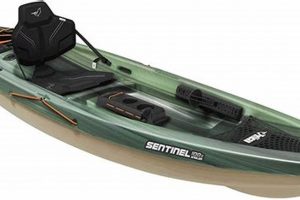
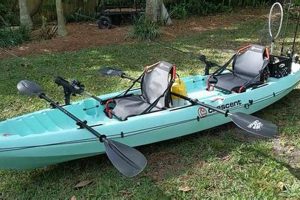
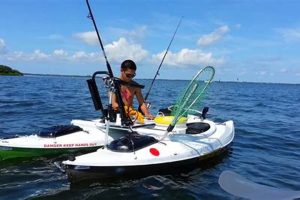
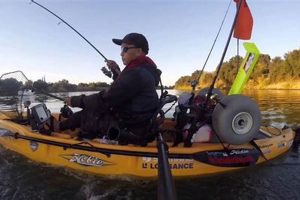
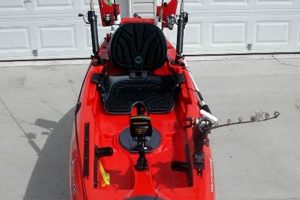
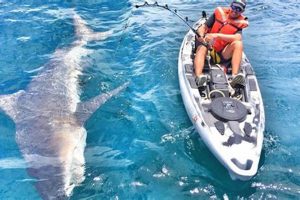
Selecting a suitable kayak for fishing involves careful consideration of various factors, including hull design (sit-on-top, sit-inside, or pedal-driven), length, width, weight capacity, and storage options. A prospective buyer might evaluate kayaks designed for specific fishing environments like rivers, lakes, or oceans. For example, a shorter, wider kayak offers greater stability, making it ideal for calm waters, while a longer, narrower kayak provides better tracking and speed for open water.
Choosing the right kayak significantly impacts the overall fishing experience. A stable and appropriately equipped kayak allows anglers to focus on fishing rather than managing their vessel. Historically, fishing kayaks have evolved from basic, unmodified recreational kayaks to specialized designs incorporating features like rod holders, fish finders, and live wells. This evolution reflects the growing popularity and specialization of kayak fishing.
This article will explore key factors to consider when selecting a fishing kayak, encompassing hull design, materials, features, and budget considerations, empowering informed purchasing decisions.
Essential Tips for Kayak Selection
Choosing a fishing kayak requires careful evaluation of individual needs and intended usage. The following tips offer guidance for navigating the selection process.
Tip 1: Define Fishing Environment: Consider where the kayak will be used most frequently. Ocean kayaks require different characteristics than those intended for lakes or rivers.
Tip 2: Analyze Hull Design: Sit-on-top kayaks offer stability and ease of entry/exit, while sit-inside kayaks provide better protection from the elements. Pedal-driven kayaks free up hands for fishing.
Tip 3: Evaluate Length and Width: Longer kayaks track better in open water, while shorter, wider kayaks offer greater stability. Consider maneuverability needs within the intended fishing environment.
Tip 4: Assess Weight Capacity: Ensure the kayak can comfortably support the angler’s weight, along with gear and potential catches.
Tip 5: Prioritize Storage Options: Ample storage is crucial for carrying fishing gear, tackle boxes, and safety equipment. Consider built-in storage compartments, rod holders, and bungee systems.
Tip 6: Consider Comfort and Ergonomics: A comfortable seat and adjustable features contribute to longer, more enjoyable fishing trips. Test the kayak’s seating and adjustability before purchase, if possible.
Tip 7: Establish a Budget: Fishing kayaks range in price. Determine a realistic budget and explore options within that range, prioritizing essential features.
By carefully considering these factors, anglers can select a kayak that enhances their fishing experience and meets their specific needs. A well-chosen kayak provides a stable and efficient platform for enjoying time on the water.
These tips offer a starting point for the selection process. Further research and consideration of individual preferences will lead to the ideal fishing kayak choice.
1. Hull Type

Hull type significantly influences kayak selection for fishing. Primary hull types include sit-on-top, sit-inside, and pontoon hulls. Each design presents distinct advantages and disadvantages impacting stability, performance, and overall suitability for specific fishing environments. Sit-on-top kayaks offer superior stability and self-bailing capabilities, making them ideal for warmer climates and calmer waters. Their open design allows for easy entry and exit, advantageous for anglers frequently entering and exiting the water. Sit-inside kayaks provide better protection from the elements and a lower center of gravity, enhancing paddling efficiency and tracking in rougher conditions or colder climates. Pontoon hulls, offering exceptional stability, are often favored for still-water fishing, particularly by anglers utilizing standing platforms. Choosing the appropriate hull type directly impacts fishing success and comfort.
Consider a scenario where an angler primarily fishes in calm lakes. A sit-on-top kayak provides the stability needed for casting and reeling while offering easy access to the water for retrieving lures or landing fish. Conversely, an angler fishing in colder, choppier coastal waters benefits from the protection and tracking of a sit-inside kayak. Pontoon hulls are ideal for anglers prioritizing stability above all else, particularly in calmer environments. Understanding the relationship between hull type and intended fishing environment empowers informed purchasing decisions.
Selecting a kayak without considering hull type can lead to instability, discomfort, and a compromised fishing experience. Careful evaluation of fishing conditions, personal preferences, and the advantages of each hull type ensures optimal performance and enjoyment on the water. Matching hull type to intended use remains a crucial factor in successful kayak selection.
2. Length & Width

Kayak length and width significantly influence performance characteristics relevant to fishing. These dimensions affect stability, maneuverability, tracking, and speed, requiring careful consideration when selecting a fishing kayak. Appropriate length and width depend on the intended fishing environment and angler preferences.
- Stability
Wider kayaks generally offer greater initial stability, beneficial for casting and reeling while seated or standing. However, increased width can compromise maneuverability. Shorter kayaks are also typically more stable than longer kayaks, making them suitable for calm waters. Conversely, narrow kayaks can feel tippy but provide better responsiveness in moving water.
- Maneuverability
Shorter kayaks excel in maneuverability, allowing for quick turns and navigation through tight spaces, such as narrow creeks or rivers with obstacles. Longer kayaks, while less agile, provide better tracking in open water. Maneuverability requirements depend on the complexity of the intended fishing environment.
- Tracking
Longer, narrower kayaks track more efficiently in a straight line, ideal for paddling across open water or covering longer distances. Shorter kayaks require more frequent corrective strokes to maintain a straight course. Tracking becomes increasingly important when paddling against wind or current.
- Speed
Longer kayaks generally achieve higher speeds than shorter kayaks, assuming similar hull designs and paddling effort. This characteristic becomes advantageous when covering larger distances or fishing in areas requiring swift movement. Speed, however, often comes at the expense of maneuverability.
Choosing the right length and width involves balancing competing priorities. A stable and maneuverable kayak might be ideal for fishing in protected coves and rivers, while a longer, faster kayak might be preferred for open water or long-distance paddling. Matching length and width to the intended fishing environment and desired performance characteristics remains critical for optimizing fishing success and overall experience.
3. Weight Capacity

Weight capacity represents a critical factor in kayak selection, directly influencing stability, performance, and safety. This specification denotes the maximum weight a kayak can safely support, encompassing the combined weight of the angler, gear, and any potential catch. Exceeding the specified weight capacity compromises stability, increases the risk of capsizing, and can damage the kayak. Understanding weight capacity and its implications is essential for informed purchasing decisions.
Consider a fishing kayak with a specified weight capacity of 350 pounds. An angler weighing 200 pounds, carrying 50 pounds of gear, and potentially catching a 20-pound fish remains within the safe operating range. However, adding another angler or significantly more gear would exceed the capacity, compromising stability and safety. Calculating anticipated weight loads, including a margin for error, ensures safe and optimal kayak performance. Ignoring weight capacity can lead to dangerous situations, particularly in challenging water conditions.
Matching weight capacity to anticipated loads ensures optimal kayak performance and safeguards against potential hazards. Evaluating this specification requires careful consideration of individual needs, typical gear loads, and potential catches. Prioritizing weight capacity contributes to a safe, stable, and enjoyable fishing experience. A kayak with insufficient weight capacity limits gear options, restricts fishing locations, and increases the risk of capsizing. Careful attention to this critical factor empowers informed decisions and promotes safe kayaking practices.
4. Storage Space

Storage space is a crucial factor influencing fishing kayak selection. Adequate storage accommodates essential gear, ensuring readily accessible tackle and equipment. Insufficient storage compromises organization, efficiency, and overall fishing experience. Careful consideration of storage needs and available options allows anglers to select kayaks optimized for their specific fishing styles and environments.
- Dedicated Tackle Storage
Purpose-built compartments designed for tackle boxes, trays, and small items maintain organization and protect sensitive equipment from water damage. Examples include waterproof hatches, recessed trays, and tackle-specific compartments. Dedicated tackle storage keeps essential gear readily accessible, maximizing fishing efficiency and minimizing time spent searching for items. Kayaks lacking dedicated tackle storage require anglers to improvise, potentially compromising gear organization and protection.
- Rod Holders
Rod holders secure fishing rods when not in use, preventing loss or damage. Flush-mounted, adjustable, and rotating rod holders accommodate various fishing styles and rod lengths. Multiple rod holders allow anglers to switch between different techniques or target multiple species without constantly rigging and unrigging rods. Kayaks without rod holders necessitate laying rods across the deck, increasing the risk of tangling lines or losing rods overboard.
- Dry Storage
Waterproof compartments protect sensitive items like electronics, phones, and wallets from water damage. Larger dry storage areas can accommodate extra clothing, food, and safety gear. Maintaining dry storage ensures essential items remain functional and available throughout the fishing trip. Kayaks lacking sufficient dry storage expose essential items to potential water damage, compromising safety and convenience.
- Bungee Systems
Deck-mounted bungee cords provide secure storage for larger items like coolers, dry bags, and extra paddles. These systems allow quick and easy access to frequently used items while keeping them secured during transport. Bungee systems expand storage capacity beyond dedicated compartments, accommodating bulky gear that might not fit elsewhere. Kayaks without bungee systems limit storage options and can make transporting larger items challenging.
Optimizing storage space directly contributes to a more organized, efficient, and enjoyable fishing experience. Selecting a kayak with appropriate storage features allows anglers to focus on fishing rather than managing gear. Evaluating storage needs based on fishing style, target species, and typical gear requirements ensures the chosen kayak provides sufficient space and organizational capabilities. A well-organized kayak enhances fishing efficiency, reduces stress, and ultimately increases the likelihood of a successful and enjoyable outing.
5. Propulsion Method

Propulsion method represents a critical factor influencing kayak selection for fishing, directly impacting speed, maneuverability, and hands-free fishing capabilities. Choosing an appropriate propulsion system depends on individual fishing styles, target environments, and physical capabilities. Understanding the advantages and disadvantages of each propulsion method empowers informed decision-making.
- Paddle Propulsion
Traditional paddle propulsion offers versatility, affordability, and simplicity. Paddles provide direct control over speed and direction, allowing for precise maneuvering in tight spaces. However, paddling requires physical exertion and occupies both hands, potentially limiting fishing activities. Paddle kayaks remain a popular choice for anglers prioritizing affordability and versatility across diverse fishing environments.
- Pedal Propulsion
Pedal-powered kayaks utilize leg muscles for propulsion, freeing hands for fishing. This system offers increased speed and endurance compared to paddling, particularly over longer distances. Pedal drives can be more complex and require greater initial investment. Pedal kayaks excel in open water and scenarios requiring hands-free fishing techniques.
- Motorized Propulsion
Motorized kayaks utilize electric or gas-powered motors, offering significant speed and range advantages. Motors eliminate the physical exertion of paddling, allowing anglers to cover greater distances and access remote fishing spots. Motorized kayaks typically require higher initial investments, ongoing maintenance, and adherence to specific regulations. These kayaks excel in larger bodies of water and situations demanding extended range capabilities.
- Sail Propulsion
While less common, sail-powered kayaks offer an alternative propulsion method utilizing wind power. Sails provide a sustainable and hands-free option, particularly in open water with consistent winds. However, sails limit maneuverability in tight spaces or against the wind and require specific sailing knowledge. Sail kayaks represent a niche option for anglers seeking a unique and environmentally friendly approach to kayak fishing.
Matching propulsion method to individual fishing needs and preferences directly impacts on-the-water efficiency and enjoyment. Considering factors such as fishing environment, physical capabilities, and budget constraints allows anglers to select a propulsion system that optimizes fishing performance and overall experience. A well-chosen propulsion system enhances fishing efficiency, reduces fatigue, and maximizes time spent actively fishing.
6. Comfort Features
Comfort features significantly influence the overall fishing kayak experience. Extended periods on the water necessitate ergonomic design and adjustable components to mitigate fatigue and maximize fishing enjoyment. Selecting a kayak with appropriate comfort features enhances focus, reduces physical strain, and contributes to longer, more productive fishing trips.
- Seat Design
Seat design plays a crucial role in angler comfort. Adjustable seating systems accommodate varying body types and preferences. Features like lumbar support, breathable fabric, and adjustable backrests contribute to sustained comfort during long hours on the water. A poorly designed seat can lead to discomfort, back pain, and a shortened fishing trip. High-end kayaks often feature customizable seating systems, while budget-friendly options might offer simpler, less adjustable designs. Careful consideration of seat design ensures sustained comfort and optimal fishing performance.
- Footrests and Leg Support
Proper leg support and adjustable footrests contribute significantly to paddling efficiency and overall comfort. Adjustable footrests accommodate different leg lengths, promoting optimal posture and reducing fatigue. Well-positioned footrests provide leverage for paddling and enhance stability, particularly in challenging conditions. Kayaks lacking adjustable footrests can lead to leg cramps, reduced paddling efficiency, and an uncomfortable fishing experience.
- Deck Padding and Ergonomics
Deck padding provides cushioning and traction, enhancing comfort and safety while standing, kneeling, or sitting. Ergonomically designed cockpits and deck layouts promote efficient movement and access to essential gear. Features like recessed cup holders, strategically placed handles, and integrated accessory mounts enhance convenience and reduce clutter. Kayaks with inadequate padding or poorly designed layouts can lead to discomfort, fatigue, and difficulty accessing essential gear.
- Adjustability and Customization
Adjustable features like seat height, backrest angle, and footrest positioning allow anglers to customize the kayak to their specific body type and preferences. This customization enhances comfort and promotes efficient paddling, reducing strain and fatigue. Kayaks offering limited adjustability may not accommodate diverse body types or fishing styles, potentially compromising comfort and performance. Prioritizing adjustability ensures a personalized fit and optimal comfort during extended fishing trips.
Prioritizing comfort features contributes significantly to a positive and productive fishing experience. Selecting a kayak with appropriate comfort features allows anglers to focus on fishing rather than managing discomfort. Investing in comfort enhances endurance, reduces fatigue, and ultimately maximizes enjoyment on the water. A comfortable angler remains focused, alert, and better equipped for a successful and enjoyable fishing trip.
7. Budget Considerations

Budget considerations play a crucial role in determining suitable fishing kayak options. Available funds significantly influence the range of features, materials, and overall quality accessible to prospective buyers. Establishing a realistic budget before beginning the selection process allows for focused research and informed decision-making, preventing overspending and ensuring alignment between desired features and affordability.
- Entry-Level Kayaks
Entry-level kayaks typically fall within a lower price range, offering basic features and construction suitable for casual recreational fishing. These kayaks often utilize less expensive materials like rotomolded polyethylene and may offer fewer specialized features compared to higher-priced models. Anglers prioritizing affordability over advanced features or premium materials might find entry-level options suitable for their needs. An example might include a basic sit-on-top kayak with limited storage and molded-in seating.
- Mid-Range Kayaks
Mid-range kayaks represent a balance between affordability and performance, offering upgraded features and construction compared to entry-level models. These kayaks might incorporate higher-quality materials, enhanced seating systems, and integrated features like rod holders and storage compartments. Anglers seeking a combination of performance and value often find mid-range kayaks represent an optimal choice. An example could include a sit-on-top kayak with adjustable seating, multiple rod holders, and a built-in dry storage compartment.
- High-End Kayaks
High-end kayaks represent the pinnacle of performance and features, often incorporating premium materials like fiberglass or carbon fiber, advanced seating systems, and specialized fishing-specific features. These kayaks prioritize performance, durability, and customization options, catering to experienced anglers seeking top-tier equipment. Examples might include pedal-driven kayaks with integrated fish finders, GPS systems, and premium seating with enhanced adjustability.
- Additional Costs
Beyond the initial kayak purchase, anglers should consider additional costs associated with essential accessories and equipment. These might include paddles, personal flotation devices (PFDs), fishing rods and reels, tackle boxes, and safety gear. Factoring in these additional expenses ensures a realistic overall budget and prevents unexpected financial strain. Failing to account for these costs can lead to compromises in safety or essential equipment.
Carefully considering budget constraints in relation to desired features and intended fishing applications empowers informed kayak selection. Recognizing the trade-offs between price, performance, and features allows anglers to choose kayaks that align with their individual needs and financial resources. Balancing budget considerations with essential features and desired performance characteristics ensures a satisfying and sustainable approach to kayak fishing.
Frequently Asked Questions
This section addresses common inquiries regarding fishing kayak selection, providing concise and informative responses to facilitate informed purchasing decisions.
Question 1: What hull type is best suited for ocean fishing?
Longer sit-on-top kayaks or sit-inside kayaks designed for open water offer better tracking and stability in ocean conditions. Specific design features, such as higher sides and self-bailing scupper holes, enhance performance in rougher waters.
Question 2: How important is weight capacity when choosing a fishing kayak?
Weight capacity is critical for safety and performance. Exceeding the manufacturer’s specified weight limit compromises stability and increases the risk of capsizing. Calculations should include angler weight, gear, and potential catch.
Question 3: What are essential features to look for in a fishing kayak?
Essential features include rod holders, storage compartments, adjustable seating, and a stable hull design. Specific needs vary based on fishing style and target species, influencing feature prioritization.
Question 4: What is the difference between a sit-on-top and a sit-inside kayak for fishing?
Sit-on-top kayaks offer better stability and easier entry/exit, ideal for warmer climates and calmer waters. Sit-inside kayaks provide increased protection from the elements and enhanced paddling efficiency in colder or rougher conditions.
Question 5: How much should one expect to spend on a quality fishing kayak?
Fishing kayak prices vary significantly based on features, materials, and brand. Entry-level kayaks start around several hundred dollars, while high-end models can exceed several thousand dollars. Establishing a budget beforehand helps narrow down suitable options.
Question 6: Is it necessary to purchase a kayak specifically designed for fishing?
While recreational kayaks can be adapted for fishing, purpose-built fishing kayaks offer specialized features like rod holders, storage compartments, and enhanced stability, significantly improving the fishing experience.
Careful consideration of individual fishing needs, budget constraints, and intended fishing environments facilitates informed decision-making. Addressing these common questions provides a foundation for selecting a fishing kayak that optimizes performance and enjoyment on the water.
For further information, consult specialized retailers or online resources dedicated to kayak fishing.
Choosing the Right Fishing Kayak
Kayak selection for fishing necessitates careful evaluation of numerous factors. Hull design, length, width, weight capacity, storage options, propulsion systems, comfort features, and budget constraints all play critical roles in determining the optimal kayak for individual needs. Careful consideration of intended fishing environments, target species, and personal preferences further refines the selection process. Matching these factors to specific kayak characteristics ensures a safe, efficient, and enjoyable fishing experience.
Ultimately, the ideal fishing kayak empowers anglers to pursue their passion with confidence and comfort. Thorough research, informed decision-making, and careful consideration of individual needs lead to a successful and rewarding kayak fishing experience. An informed purchase ensures not just a vessel, but an extension of the angler’s passion, facilitating deeper engagement with the sport and the natural world.