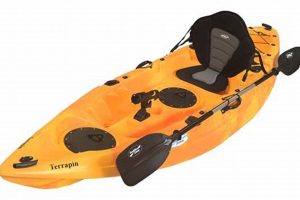
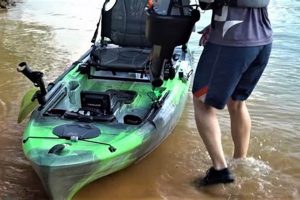
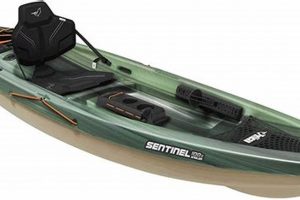
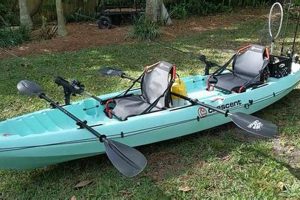
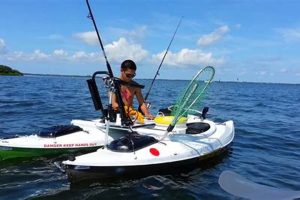
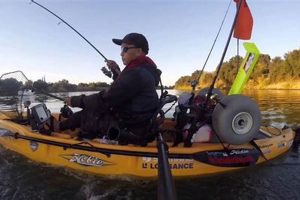
A small, maneuverable vessel designed for angling in sheltered waters can also be remarkably resilient and seaworthy, capable of withstanding challenging conditions. This type of watercraft offers stability and control even in adverse weather, allowing anglers to access areas larger boats cannot reach. These qualities can be especially valuable in the aftermath of tropical cyclones, providing access to otherwise inaccessible fishing grounds and aiding in recovery efforts.
The compact nature of these vessels allows for easy navigation through debris-filled waters and their inherent stability enhances safety in turbulent conditions. This makes them ideal for reaching isolated areas or providing assistance in post-storm scenarios. Historically, small, robust boats have played a crucial role in coastal communities, both for sustenance and for navigating challenging environments. Their adaptability continues to be a valuable asset in disaster relief and recovery.
This article will explore the key features that make these boats so effective in demanding conditions, discuss safety precautions for operating them in extreme weather, and analyze their role in post-hurricane recovery efforts.
Safety and Preparedness for Small Boat Angling in Demanding Conditions
Careful planning and preparation are crucial for safe and successful small boat angling, especially in challenging environments. The following tips emphasize essential safety measures and strategies for anglers operating in adverse conditions.
Tip 1: Check Weather Forecasts and Tide Charts: Consult reliable meteorological and tidal information before embarking on any fishing trip. Awareness of impending weather changes and tidal currents is paramount for safety.
Tip 2: File a Float Plan: Inform a trusted individual about intended fishing locations, planned departure and return times, and vessel details. This ensures someone is aware of the angler’s whereabouts in case of emergencies.
Tip 3: Carry Essential Safety Equipment: Equip the vessel with required safety gear, including a personal flotation device (PFD), signaling devices (whistle, flares, mirror), a first-aid kit, and communication tools (waterproof VHF radio, satellite phone). Regularly inspect and maintain this equipment.
Tip 4: Dress Appropriately for Conditions: Wear protective clothing suitable for the expected weather, including layers for warmth, waterproof outerwear, and non-slip footwear. Consider bright-colored attire for enhanced visibility.
Tip 5: Understand Navigation and Boat Handling: Possess a thorough understanding of navigational principles and boat handling techniques, especially in challenging conditions. Practice maneuvering skills in calm waters before venturing into demanding environments.
Tip 6: Be Aware of Potential Hazards: Remain vigilant for potential hazards, including debris, submerged obstacles, and changing weather patterns. Exercise caution when navigating unfamiliar waters.
Tip 7: Stay Hydrated and Maintain Energy Levels: Carry ample drinking water and high-energy snacks to prevent dehydration and maintain energy levels during extended fishing trips. Exposure to the elements can accelerate fluid and energy depletion.
Adhering to these safety precautions can significantly mitigate risks and enhance the overall fishing experience, especially when operating a small boat in challenging conditions. Careful planning and preparation contribute to both a successful and safe outing.
By understanding and implementing these safety measures, anglers can enjoy the rewards of fishing in demanding environments while prioritizing safety and preparedness. This proactive approach ensures a more enjoyable and responsible experience on the water.
1. Stability

Stability is a critical factor in kayak fishing, particularly in the turbulent conditions often present after a hurricane. A stable platform is essential for casting, reeling, and landing fish, as well as for overall safety in unpredictable waters. Compromised stability can lead to capsizing, jeopardizing both equipment and the angler’s well-being. Understanding the factors contributing to kayak stability is crucial for safe and successful post-hurricane fishing.
- Hull Design
Hull design significantly influences kayak stability. Wider hulls generally offer greater primary stability (resistance to initial tipping), while longer, narrower hulls provide better secondary stability (resistance to capsizing once tipped). Flat-bottomed hulls maximize initial stability, beneficial in calm waters, while rounded or V-shaped hulls offer superior performance in rough conditions. For post-hurricane fishing, a kayak with a wider, flatter hull may be preferable for navigating debris-laden waters.
- Center of Gravity
A lower center of gravity contributes to increased stability. Keeping weight low in the kayak improves balance and reduces the likelihood of tipping. Proper weight distribution, with heavier items positioned centrally and low, enhances stability. Anglers should be mindful of their own body position, avoiding sudden movements that could shift the center of gravity and compromise stability.
- Water Conditions
Water conditions play a significant role in kayak stability. Strong currents, waves, and wind can all destabilize a kayak. Post-hurricane conditions often present challenging water conditions, requiring careful consideration of kayak stability. Anglers should assess water conditions before venturing out and avoid areas with excessive current or wave action.
- Kayak Features
Certain kayak features can enhance stability. Outriggers, stabilizers, or wider platforms increase the kayak’s overall stability. These additions can be particularly beneficial in demanding post-hurricane conditions. Anglers should consider kayaks equipped with these features or explore aftermarket options to improve stability in challenging environments.
Selecting a kayak with appropriate stability characteristics for post-hurricane fishing is crucial for safety and effectiveness. Considering hull design, managing the center of gravity, assessing water conditions, and utilizing stability-enhancing features will contribute to a more stable and secure fishing experience in challenging post-storm environments. Careful evaluation of these factors empowers anglers to make informed decisions that prioritize safety and maximize their chances of success.
2. Maneuverability

Maneuverability is a critical attribute for kayaks employed in post-hurricane fishing scenarios. Navigating debris-strewn waterways, accessing confined areas, and responding to rapidly changing conditions necessitate a highly maneuverable vessel. Understanding the factors influencing kayak maneuverability allows for informed decisions when selecting a suitable craft for these demanding environments.
- Hull Length and Shape
Shorter kayaks generally offer greater maneuverability, enabling tighter turns and quicker responses to obstacles. Longer kayaks track more effectively in open water but can be cumbersome in tight spaces. Hull shape also plays a role; a flatter hull allows for quicker pivoting, while a more rounded or V-shaped hull may provide more directional stability but sacrifice maneuverability. In post-hurricane conditions, a shorter kayak with a flatter hull profile often proves advantageous for navigating debris fields and confined areas.
- Waterline Length
The length of the hull in contact with the water significantly influences maneuverability. A shorter waterline length results in increased agility, while a longer waterline enhances tracking and speed. Kayaks designed for maneuverability often feature a shorter waterline, prioritizing agility over straight-line speed. This design characteristic is beneficial in post-hurricane scenarios where navigating obstacles is paramount.
- Rudder or Skeg
A rudder or skeg can enhance tracking and control, particularly in challenging conditions. A rudder provides active control over steering, while a skeg improves directional stability. While these features can be beneficial in open water, they can sometimes hinder maneuverability in tight spaces. The utility of a rudder or skeg in post-hurricane fishing depends on the specific environment and the angler’s preference.
- Weight and Distribution
A lighter kayak generally exhibits greater maneuverability, responding more quickly to paddle strokes and changes in direction. Weight distribution also plays a role; a balanced load enhances maneuverability, while an uneven load can create sluggishness and hinder turning performance. In post-hurricane scenarios where agility is essential, a lighter kayak with evenly distributed weight offers significant advantages.
Selecting a kayak with appropriate maneuverability for post-hurricane fishing enhances safety and effectiveness in challenging environments. Careful consideration of hull length and shape, waterline length, rudder/skeg utility, and weight distribution empowers anglers to navigate debris-filled waters and access hard-to-reach areas with greater confidence and efficiency. Prioritizing maneuverability in kayak selection contributes to a more successful and safer post-hurricane fishing experience.
3. Durability
A fishing kayak intended for use in post-hurricane conditions must exhibit exceptional durability to withstand the rigors of the environment. Debris-laden waters, submerged obstacles, and the potential for impacts necessitate a robust construction capable of withstanding significant abuse. Durability directly impacts the kayak’s longevity and the angler’s safety, making it a paramount consideration for post-hurricane applications.
- Material Selection
The choice of material significantly influences a kayak’s durability. High-density polyethylene (HDPE) is a common choice for its impact resistance and affordability. Other options include rotomolded plastic, fiberglass, and composites, each offering varying degrees of strength, stiffness, and weight. In post-hurricane scenarios, HDPE’s impact resistance makes it a practical choice, capable of withstanding collisions with debris without significant damage. Fiberglass and composite kayaks offer higher performance but may be more susceptible to damage in impact-prone environments.
- Construction Methods
Construction techniques impact a kayak’s structural integrity and resistance to wear and tear. Rotomolding produces a seamless, one-piece hull with uniform thickness, enhancing durability. Other methods, such as thermoforming or hand-laid fiberglass, may introduce potential weak points. Rotomolded kayaks are generally preferred for demanding applications due to their robust, single-piece construction, minimizing the risk of leaks or structural failure in challenging post-hurricane environments.
- Hull Thickness
Hull thickness directly correlates with durability. A thicker hull provides greater resistance to punctures and impacts. However, increased thickness also adds weight, impacting maneuverability and portability. Finding the right balance between hull thickness and weight is crucial for optimizing performance and durability in post-hurricane fishing scenarios. A thicker hull offers increased protection against debris, while a slightly thinner hull may be preferable when portability is a priority.
- UV Resistance
Prolonged exposure to sunlight can degrade certain kayak materials, leading to brittleness and reduced lifespan. UV-resistant coatings or additives protect against sun damage, preserving the kayak’s structural integrity. In post-hurricane scenarios, where kayaks may be exposed to intense sunlight for extended periods, UV resistance is a critical factor for long-term durability. Selecting a kayak with adequate UV protection ensures it remains resilient and seaworthy over time.
A durable kayak is essential for safe and effective post-hurricane fishing. Careful consideration of material selection, construction methods, hull thickness, and UV resistance allows anglers to choose a kayak capable of withstanding the demanding conditions encountered in post-storm environments. Prioritizing durability ensures the kayak remains a reliable asset, enabling anglers to navigate debris-filled waters and contribute to recovery efforts without compromising safety or performance.
4. Storage Capacity
Ample storage capacity is a crucial consideration for kayaks employed in post-hurricane fishing scenarios. These situations often require carrying additional gear for safety, extended trips, or potential aid in recovery efforts. Limited storage can restrict the angler’s operational range and preparedness, compromising both effectiveness and safety. A kayak’s storage capacity directly impacts its utility in demanding post-storm environments.
The need for increased storage capacity arises from several factors inherent in post-hurricane fishing. Essential safety equipment, such as extra PFDs, signaling devices, first-aid supplies, and communication gear, occupies valuable space. Extended trips may be necessary to reach less-affected fishing grounds or assist in recovery efforts, requiring additional food, water, and supplies. Furthermore, the potential for encountering individuals in need necessitates carrying extra resources for assistance. Real-world examples include anglers transporting essential supplies to isolated communities or assisting in debris removal from waterways. These scenarios underscore the practical significance of ample storage capacity in post-hurricane fishing kayaks.
Optimizing storage capacity involves strategic selection and utilization of storage compartments. Watertight hatches protect sensitive gear from the elements, while bungee cords secure items on deck for quick access. Weight distribution within storage compartments influences the kayak’s stability and maneuverability, requiring careful consideration of load placement. Understanding the relationship between storage capacity and operational effectiveness in challenging post-hurricane environments empowers anglers to select and equip their kayaks appropriately, enhancing both safety and preparedness for these demanding situations.
5. Portability

Portability is a critical factor influencing the practicality and effectiveness of kayaks in post-hurricane fishing scenarios. Often, access to affected areas is limited by debris, road closures, and altered landscapes. A readily transportable kayak allows anglers to bypass these obstacles, reaching otherwise inaccessible fishing grounds and potentially contributing to recovery efforts. Compromised portability limits operational range and responsiveness in dynamic post-storm environments.
- Weight and Dimensions
The kayak’s weight and dimensions directly impact its portability. Lighter, shorter kayaks are easier to transport, especially over uneven terrain or when bypassing obstructions. Heavier, longer kayaks require greater effort and may necessitate specialized transport mechanisms, limiting accessibility in post-hurricane scenarios. Consider a kayak’s weight and dimensions relative to the anticipated transport method and terrain challenges.
- Transport Methods
Various transport methods exist for kayaks, each with its own advantages and limitations. Roof racks, trailers, and even carrying by hand or with a cart are common options. The chosen method influences the practical portability of a kayak in post-hurricane scenarios. A kayak easily loaded onto a roof rack or carried short distances provides greater flexibility than one requiring a trailer, particularly when navigating debris-strewn areas.
- Launch Site Accessibility
Post-hurricane conditions can significantly alter launch site accessibility. Debris, erosion, and flooding may obstruct traditional launch points, necessitating carrying the kayak greater distances. A portable kayak allows access to alternative launch sites, expanding operational range and flexibility in dynamic post-storm environments. Consider the potential challenges of reaching suitable launch points when evaluating kayak portability.
- Storage and Deployment
Practical portability extends beyond transport to encompass storage and deployment. A kayak that can be easily stored and quickly deployed maximizes efficiency in time-sensitive post-hurricane situations. Compact storage dimensions and simplified setup procedures contribute to overall portability, facilitating rapid response and deployment when needed.
Prioritizing portability in kayak selection enhances the angler’s adaptability and effectiveness in post-hurricane scenarios. Careful consideration of weight and dimensions, transport methods, launch site accessibility, and storage/deployment procedures allows for informed decision-making, ensuring the kayak remains a valuable asset in challenging post-storm environments. A portable kayak empowers anglers to navigate obstructed terrain, reach isolated areas, and contribute to recovery efforts, maximizing their impact in the aftermath of a hurricane.
Frequently Asked Questions
This section addresses common inquiries regarding the utilization of kayaks for fishing in the aftermath of hurricanes. Clear and concise responses aim to provide practical guidance for anglers considering this specialized application.
Question 1: Is it safe to kayak in post-hurricane conditions?
Safety depends on careful assessment of specific conditions. Avoid areas with strong currents, excessive debris, or downed power lines. Prioritize personal safety and adhere to local advisories.
Question 2: What type of kayak is best suited for post-hurricane fishing?
A stable, maneuverable, and durable kayak is recommended. Sit-on-top models offer inherent buoyancy and ease of re-entry if capsized. Shorter kayaks provide enhanced maneuverability in debris-filled waters.
Question 3: What essential safety gear should be carried?
Essential gear includes a PFD, signaling devices (whistle, mirror, flares), first-aid kit, communication device (VHF radio, satellite phone), and a bilge pump. Navigation tools (chart, compass, GPS) are also recommended.
Question 4: How can one assess water conditions before venturing out?
Consult local authorities, experienced anglers, and reliable weather forecasts. Observe water conditions from a safe vantage point before launching. Exercise caution and prioritize personal safety.
Question 5: What are the potential hazards specific to post-hurricane fishing?
Hazards include submerged debris, strong currents, contaminated water, displaced wildlife, and unstable shorelines. Awareness and avoidance of these hazards are crucial for safe navigation.
Question 6: What role can kayak anglers play in post-hurricane recovery?
Kayak anglers can access hard-to-reach areas, providing valuable information about conditions, assisting in debris removal from waterways, and supporting recovery efforts within their capabilities.
Careful consideration of these frequently asked questions empowers anglers to make informed decisions regarding kayak fishing in post-hurricane environments. Prioritizing safety, preparedness, and responsible angling practices ensures both a productive and safe experience.
The subsequent section will delve into specific techniques for navigating debris-laden waters, highlighting strategies for safe and effective kayak maneuvering in challenging post-storm conditions.
Conclusion
Navigating the aftermath of a hurricane presents unique challenges and opportunities for anglers. Small, maneuverable watercraft offer distinct advantages in these scenarios, providing access to otherwise inaccessible areas and enabling participation in recovery efforts. Careful consideration of vessel stability, maneuverability, durability, storage capacity, and portability is essential for safe and effective operation in post-hurricane environments. Understanding and mitigating potential hazards, including debris, strong currents, and contaminated water, is paramount. Prioritizing safety, adhering to local advisories, and employing responsible angling practices remain crucial for a successful and safe post-hurricane fishing experience.
Adaptation and resilience are hallmarks of successful navigation in challenging environments. The ability to assess conditions, prepare accordingly, and operate safely contributes not only to successful angling but also to community recovery and resilience in the face of adversity. The role of small, adaptable watercraft in these scenarios underscores their enduring value in coastal communities.