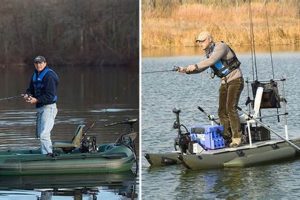
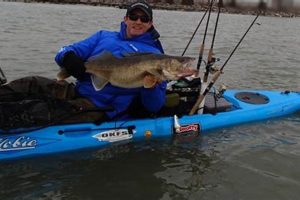
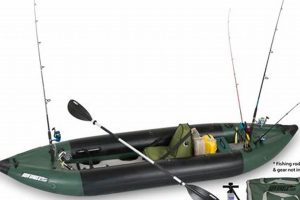
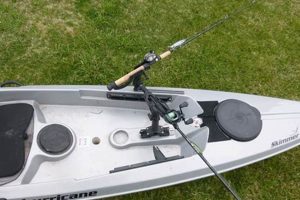
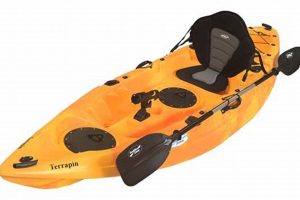
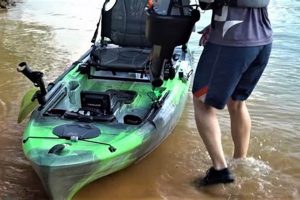
The pursuit of finned quarry from small, human-powered vessels in the waters surrounding New York City’s southernmost borough offers a unique blend of outdoor recreation and angling challenge. This activity provides access to diverse fishing grounds, from sheltered inlets and tidal creeks to the open waters of Raritan Bay and the New York Bight. Anglers can target a variety of species, including striped bass, bluefish, fluke, and weakfish, depending on the season and location.
This form of angling offers several advantages. Its low environmental impact and quiet approach allow for close encounters with wildlife. The maneuverability of these small craft grants access to shallow-water habitats often inaccessible to larger boats. Furthermore, the relatively low cost of entry compared to motorized boating makes it an accessible pastime for many. Historically, small boats have played a crucial role in the maritime history of the region, from Native American dugout canoes to the working watercraft of early European settlers. This contemporary activity echoes that historical connection to the water.
Further exploration of this topic will delve into specific locations, recommended equipment, seasonal fishing patterns, relevant regulations, and safety considerations for those interested in experiencing this rewarding activity firsthand.
Tips for Kayak Fishing Around Staten Island
Careful planning and preparation contribute significantly to a successful and enjoyable outing on the water. The following tips offer guidance for anglers of all skill levels.
Tip 1: Check the weather forecast and tide charts. Wind, waves, and currents can significantly impact paddling conditions and fishing success. Consult reliable marine forecasts before embarking and plan accordingly.
Tip 2: Choose appropriate safety gear. A personal flotation device (PFD) is essential. A whistle, signaling mirror, and VHF radio enhance safety in case of emergencies. Inform someone of your planned route and estimated return time.
Tip 3: Select suitable tackle and equipment. Rod holders, anchor systems, and fish finders tailored for kayaks improve angling efficiency. Pack essential tools, spare line, and tackle appropriate for the target species.
Tip 4: Research potential fishing spots. Explore charts, online resources, and local fishing reports to identify promising areas. Consider factors like water depth, structure, and known fish habitats.
Tip 5: Practice basic paddling and maneuvering skills. Comfort and confidence in handling a kayak, especially in varying conditions, are crucial for safety and enjoyment. Consider taking a kayaking lesson before venturing out.
Tip 6: Respect local regulations and environmental best practices. Obtain necessary fishing licenses and adhere to catch limits. Practice catch-and-release whenever possible and minimize environmental impact by properly disposing of waste.
Tip 7: Be aware of other boat traffic. Kayaks are smaller and less visible than larger vessels. Maintain situational awareness and follow navigational rules to avoid collisions.
By following these guidelines, anglers can maximize their chances of a productive and safe fishing experience while minimizing risks and promoting responsible enjoyment of the local waters.
These tips provide a foundation for successful kayak angling. Additional resources and information can further enhance skills and knowledge for a more rewarding experience.
1. Safety Equipment (PFD, Whistle)

The waters surrounding Staten Island present inherent risks to kayakers, regardless of experience level. Cold water temperatures, changeable weather conditions, and vessel traffic necessitate prioritizing safety equipment, particularly Personal Flotation Devices (PFDs) and whistles. A PFD provides essential buoyancy in the event of capsizing, a critical factor in cold water where hypothermia can rapidly set in. A whistle serves as a crucial signaling device, attracting attention in emergencies, especially in situations where a kayaker becomes separated from their vessel or requires assistance from other boaters or rescuers. For example, a sudden squall can easily capsize a kayak, and a PFD allows the angler to stay afloat while awaiting rescue. A whistle can be heard over the wind and waves, significantly increasing the chances of being located.
Selecting appropriate safety equipment requires consideration of the specific environment. While a basic Type III PFD suffices for calm, inland waters, the more challenging conditions around Staten Island often warrant a Type I or Type V offshore life jacket offering greater buoyancy and features like integrated harnesses and strobe lights. Regularly inspecting PFDs for wear and tear is crucial for ensuring their effectiveness. Practicing self-rescue techniques, such as re-entering a kayak after capsizing, further enhances safety preparedness. Similarly, attaching a whistle to the PFD ensures accessibility in critical moments. Neglecting these precautions can have severe consequences, as evidenced by incidents involving kayakers who were unprepared for sudden changes in weather or unforeseen accidents.
Prioritizing safety equipment is not merely a recommendation but a critical component of responsible kayak fishing around Staten Island. The combination of proper equipment, regular maintenance, and practiced safety procedures significantly reduces risks and contributes to a safer and more enjoyable angling experience. This proactive approach underscores a commitment to personal safety and responsible enjoyment of the local waterways.
2. Tidal currents, wind forecasts

Tidal currents and wind forecasts are critical factors influencing kayak fishing success and safety around Staten Island. The complex interplay of these elements significantly impacts paddling conditions, fish behavior, and overall angling strategy. Strong tidal flows, particularly in narrow channels or around points, can create challenging paddling conditions, requiring careful navigation and energy conservation. Wind direction and speed further compound these effects, potentially creating choppy waters or pushing kayaks off course. Understanding these dynamics is essential for planning efficient routes, conserving energy, and ensuring safe navigation. For example, attempting to paddle against a strong ebb tide combined with a headwind can quickly deplete energy reserves and create hazardous conditions.
Furthermore, tidal currents and wind influence fish behavior and feeding patterns. Baitfish often concentrate along current lines and eddies, attracting larger predatory species. Wind-driven currents can also affect water clarity and temperature, influencing fish activity and location. Anglers who understand these relationships can strategically position themselves for optimal fishing opportunities. For instance, fishing the down-current side of a structure during a moving tide allows presentations to drift naturally through likely holding areas. Similarly, recognizing wind-driven changes in water temperature can guide anglers towards areas where fish might be actively feeding.
Effective kayak fishing requires consulting reliable tidal and wind forecasts before embarking on any outing. Resources like NOAA marine forecasts and local tide charts provide crucial information for planning and decision-making. Interpreting these forecasts allows anglers to anticipate potential challenges, adjust fishing strategies, and prioritize safety. Neglecting these factors can lead to difficult paddling conditions, missed fishing opportunities, and potentially dangerous situations. Integrating this knowledge with practical experience enhances angling success and fosters a deeper understanding of the dynamic interplay between natural forces and kayak fishing around Staten Island.
3. Launch Locations (Access Points)

Successful kayak fishing around Staten Island hinges on selecting appropriate launch locations. Access points dictate accessibility to desired fishing grounds, influence logistical considerations, and impact overall safety. Careful evaluation of these locations based on factors like parking availability, prevailing conditions, and proximity to target species significantly contributes to a productive and enjoyable angling experience.
- Public Boat Ramps
Public boat ramps offer convenient access for launching kayaks, often with ample parking and established infrastructure. Locations like Great Kills Park and Conference House Park provide suitable ramps for launching into Raritan Bay. However, these locations can experience high traffic, especially during peak season, necessitating careful maneuvering and consideration for other boaters. Ramp fees may apply, and specific regulations regarding launching procedures should be observed.
- Shoreline Access Points
Several shoreline access points exist around Staten Island, offering opportunities for launching directly from the beach or designated areas. These locations, often found within parks or along less developed stretches of coastline, provide a more secluded experience and can grant access to shallow-water fishing grounds. However, careful assessment of shoreline conditions is crucial. Soft sand or muddy bottoms can complicate launching and landing, and navigating surf or rocky areas requires experience and caution.
- Kayak Launch Sites within Parks
Certain parks and preserves on Staten Island offer designated kayak launch sites, providing convenient access and amenities. These locations often include parking areas, restrooms, and picnic facilities, enhancing the overall recreational experience. Examples include Wolfe’s Pond Park and Lemon Creek Park, which provide access to calmer, protected waters suitable for less experienced kayakers. Regulations specific to these parks, such as operating hours and permitted activities, should be observed.
- Private Marinas and Clubs
Some private marinas and yacht clubs around Staten Island offer kayak launching facilities, often for a fee or as part of membership privileges. These locations can provide amenities like secure storage, dock access, and other services. While these options offer convenience and additional resources, they may not be accessible to all anglers due to membership requirements or cost considerations. Contacting individual marinas or clubs directly can provide information regarding access policies and available services.
Strategic selection of launch locations, considering factors like accessibility, prevailing conditions, and target fishing grounds, significantly contributes to successful kayak angling around Staten Island. Prioritizing convenience, safety, and adherence to local regulations ensures a more rewarding and enjoyable experience on the water.
4. Target Species (Striped Bass, Fluke)
The waters surrounding Staten Island support a diverse array of fish species, making it an attractive destination for kayak anglers. Among these, striped bass and fluke represent popular target species due to their prevalence, sporting qualities, and culinary appeal. The accessibility of these species from a kayak enhances their desirability, aligning with the inherent advantages of this fishing platform. Understanding the behavior, habitat preferences, and seasonal patterns of striped bass and fluke directly influences angling success in this environment.
Striped bass, known for their aggressive strikes and powerful runs, inhabit the nearshore waters around Staten Island, often congregating near structures like rock piles, jetties, and submerged wrecks. Kayak anglers can effectively target these areas due to the maneuverability of their vessels, allowing for precise presentations in close proximity to these holding zones. Fluke, a bottom-dwelling flatfish, prefer sandy or muddy bottoms where they ambush prey. Kayak anglers can drift across these flats, employing specialized rigs and techniques to entice these camouflaged predators. For example, drifting live bait along a channel edge during a falling tide can prove highly effective for striped bass, while bouncing bucktail jigs along the bottom can entice fluke lying in wait.
The pursuit of these target species within the context of kayak fishing around Staten Island necessitates consideration of specific factors. Tidal currents and water temperature significantly influence both striped bass and fluke behavior. Understanding these patterns allows anglers to optimize their efforts. Matching tackle and techniques to the target species also plays a crucial role. Light to medium-weight spinning gear proves effective for striped bass, while specialized fluke rods with sensitive tips enhance bite detection. Furthermore, adhering to local fishing regulations, including size limits and season closures for both striped bass and fluke, ensures responsible angling practices and contributes to the long-term sustainability of these valuable fisheries. The confluence of angler knowledge, appropriate techniques, and respect for regulations enhances the overall kayak fishing experience around Staten Island.
5. Kayak Stability and Maneuverability

Kayak stability and maneuverability are paramount for successful and safe fishing excursions around Staten Island. The often challenging conditionsvariable currents, wind, and boat wakesdemand a vessel that performs reliably. Stability ensures anglers can cast, reel, and land fish without compromising balance, a critical factor when handling active species like striped bass. Maneuverability allows navigation through complex shorelines, tight channels, and proximity to structures where fish often congregate. A stable and maneuverable kayak enhances fishing effectiveness and contributes significantly to angler safety.
Consider an angler targeting striped bass near the rocky shores of Staten Island. A stable kayak enables comfortable casting and hook setting amidst the rolling swells and boat wakes common in this area. Its maneuverability proves crucial for navigating close to the rocks and submerged structures where striped bass hold, allowing for precise lure placement and increased chances of hooking a fish. Conversely, a less stable kayak might hinder accurate casting and compromise balance during a fish fight, potentially leading to capsizing or lost tackle. Similarly, a less maneuverable kayak could limit access to prime fishing spots, diminishing overall success. The practical application of these principles directly affects the angling experience.
Several factors influence kayak stability and maneuverability. Hull design, kayak length and width, and the angler’s weight distribution all contribute to overall performance. Wider, shorter kayaks generally offer greater initial stability, suitable for calmer waters and less experienced paddlers. Longer, narrower kayaks tend to track better and glide more efficiently, ideal for covering longer distances and handling rougher conditions. Understanding these design characteristics and their impact on performance empowers anglers to select a kayak appropriate for the specific conditions and fishing style prevalent around Staten Island. Ultimately, the right balance of stability and maneuverability empowers anglers to confidently and safely navigate the diverse waters surrounding Staten Island, maximizing both fishing success and overall enjoyment.
6. Fishing Regulations (Licenses, Limits)
Adherence to fishing regulations, specifically licensing requirements and catch limits, is integral to responsible kayak fishing around Staten Island. These regulations, established by governing bodies like the New York State Department of Environmental Conservation (NYSDEC), serve to protect fish populations, maintain ecosystem balance, and ensure the long-term sustainability of recreational fishing opportunities. Ignoring these regulations undermines conservation efforts and can lead to penalties, impacting both individual anglers and the broader fishing community. The connection between regulatory compliance and the preservation of healthy fisheries is crucial for the continued enjoyment of kayak fishing in this region. For example, exceeding catch limits for striped bass can deplete local stocks, impacting the future availability of this popular game fish for all anglers. Obtaining the necessary fishing license demonstrates commitment to supporting conservation efforts funded through license fees.
Specific regulations relevant to kayak fishing around Staten Island encompass several key areas. Possession of a valid New York State fishing license is mandatory for anglers 16 years of age and older. Regulations dictate size and catch limits for various species, including popular targets like striped bass, fluke, and bluefish. Specific seasons and permitted fishing methods also apply. For instance, certain areas may be designated as catch-and-release zones for specific species during spawning periods. Understanding and complying with these regulations are essential for responsible angling. Resources like the NYSDEC website provide detailed information regarding current regulations, ensuring anglers have access to accurate and up-to-date information. Furthermore, engaging with local bait and tackle shops can provide valuable insights into local regulations and best practices. This proactive approach reinforces responsible angling and fosters a culture of conservation within the kayak fishing community.
Responsible angling through adherence to fishing regulations safeguards the future of kayak fishing around Staten Island. Compliance not only avoids legal repercussions but also contributes to the sustainable management of local fisheries. Understanding and respecting these regulations underscores a commitment to preserving the ecological balance of the region and ensures continued access to this rewarding recreational activity for generations to come. This commitment reinforces the ethical responsibility of anglers to protect the resources they enjoy.
7. Environmental awareness (catch & release)

Environmental awareness, particularly regarding catch-and-release practices, forms a crucial pillar of responsible kayak fishing around Staten Island. The close interaction with the local ecosystem inherent in this activity necessitates a mindful approach to minimizing environmental impact and preserving fish populations. Catch-and-release fishing, when practiced correctly, minimizes stress and injury to fish, allowing them to return to the ecosystem with minimal long-term effects. This practice proves particularly important for species facing conservation challenges or during sensitive periods like spawning seasons. For instance, releasing undersized or over-the-limit striped bass helps maintain healthy population levels and contributes to the long-term viability of the fishery. Furthermore, proper handling techniques, such as minimizing air exposure and using barbless hooks, increase the likelihood of successful release and survival.
The shallow-water habitats accessible by kayak often serve as nurseries or critical feeding grounds for various species. Minimizing disturbance in these areas through responsible anchoring practices, avoiding sensitive vegetation, and properly disposing of fishing line and other waste helps maintain the health and productivity of these vital ecosystems. Consider the impact of discarded fishing line on local wildlife. Birds and other marine animals can become entangled, leading to injury or death. By adhering to Leave No Trace principles, kayak anglers contribute to the preservation of the natural beauty and ecological integrity of Staten Island’s waterways. The cumulative effect of individual actions, multiplied across the angling community, can significantly impact the overall health of the local environment.
Responsible kayak fishing around Staten Island requires a commitment to environmental stewardship. Catch-and-release practices, coupled with a broader awareness of ecological sensitivities, form the foundation of this approach. By prioritizing the well-being of the ecosystem, anglers contribute to the long-term health of fish populations and ensure the continued enjoyment of this recreational activity for future generations. This mindful approach transcends mere compliance with regulations, reflecting a deeper respect for the natural environment and a commitment to its preservation. Challenges remain, including educating newcomers and addressing existing environmental pressures, but the growing emphasis on environmental awareness within the kayak fishing community signifies a positive trajectory towards sustainable and responsible engagement with the waters surrounding Staten Island.
Frequently Asked Questions
This section addresses common inquiries regarding kayak fishing around Staten Island, providing concise and informative responses to assist anglers in planning safe and productive outings.
Question 1: What are the essential safety precautions for kayak fishing around Staten Island?
Essential safety measures include wearing a Personal Flotation Device (PFD), carrying a whistle, checking weather forecasts and tide charts before departure, informing someone of the planned route and return time, and carrying a communication device like a VHF radio. Regularly inspecting safety equipment for proper function is crucial.
Question 2: Where can suitable kayak launch points be found on Staten Island?
Suitable launch sites include public boat ramps at locations like Great Kills Park and Conference House Park, shoreline access points within designated areas, and specific kayak launch sites within parks like Wolfe’s Pond Park and Lemon Creek Park. Private marinas may also offer launch facilities, subject to access policies.
Question 3: Which fish species are commonly targeted by kayak anglers around Staten Island?
Common target species include striped bass, fluke, bluefish, weakfish, and blackfish. The specific species available varies depending on the season and location. Researching local fishing reports can provide insight into current fishing conditions and species activity.
Question 4: What type of fishing gear is recommended for kayak fishing in this area?
Recommended gear typically includes light to medium-weight spinning rods and reels suitable for the target species. Specialized equipment like rod holders, anchor systems, and fish finders designed for kayaks can enhance angling efficiency. Selecting tackle appropriate for the target species and prevailing conditions is crucial.
Question 5: Are there specific regulations or licensing requirements for fishing from a kayak around Staten Island?
A valid New York State fishing license is required for anglers 16 years of age and older. Specific regulations apply to size and catch limits for various species. Consulting the NYSDEC website or local bait and tackle shops provides detailed information on current regulations and ensures compliance.
Question 6: What are some recommended resources for learning more about kayak fishing around Staten Island?
Valuable resources include local fishing clubs, online forums dedicated to kayak fishing, and experienced local anglers. Participating in guided fishing trips or kayak fishing seminars can provide practical instruction and enhance angling skills. Local bait and tackle shops offer insights into current fishing conditions and recommended techniques.
Careful consideration of these frequently asked questions equips anglers with essential information for a safe and successful kayak fishing experience around Staten Island. Prioritizing safety, respecting regulations, and practicing environmental stewardship contribute to the long-term enjoyment of this rewarding recreational activity.
Beyond these frequently asked questions, further exploration of specific fishing techniques, local hotspots, and seasonal patterns enhances angling proficiency and deepens appreciation for the diverse fishing opportunities available around Staten Island.
Conclusion
Exploration of this distinct pursuit reveals a rewarding blend of angling challenge and connection with the natural environment. Factors influencing success and safety include careful consideration of launch locations, prevailing weather and tidal conditions, appropriate safety equipment, and adherence to fishing regulations. Understanding kayak stability and maneuverability, combined with knowledge of target species behavior, enhances angling proficiency. Environmental awareness, exemplified by catch-and-release practices and responsible waste disposal, underscores the importance of preserving the ecological integrity of the surrounding waters.
The future of this activity relies on continued education, responsible angling practices, and a collective commitment to conservation. Careful consideration of these elements ensures the long-term sustainability of this unique recreational pursuit and preserves the natural beauty of Staten Island’s coastal waters for generations to come. The potential for enriching experiences within this specialized niche remains vast, inviting further exploration and responsible engagement.