The sport of angling from small, human-powered vessels offers unique opportunities in the waterways of Northern Virginia. This region, rich with rivers, lakes, and reservoirs, provides diverse environments for targeting various fish species. For example, the Potomac River offers excellent opportunities for smallmouth bass, while the Shenandoah River is known for its catfish and panfish populations. Quiet water enthusiasts can explore numerous lakes and reservoirs teeming with largemouth bass, crappie, and sunfish.
Accessibility is a key advantage. Launching a kayak requires minimal infrastructure compared to larger boats, opening up access to shallow coves and smaller tributaries often inaccessible to motorized craft. This allows anglers to explore more secluded areas, often resulting in higher catch rates and a more intimate connection with nature. Historically, small boats have played a vital role in fishing traditions, and the modern adaptation with kayaks retains that core value while incorporating contemporary technologies and techniques. The low impact nature of paddling also contributes to environmental preservation, aligning with sustainable outdoor recreational practices.
This exploration delves further into specific locations, appropriate gear, effective techniques, and necessary regulations for a successful and enjoyable experience on Northern Virginia waters. Topics will include suggested launch points, seasonal fishing patterns, recommended tackle and bait, and licensing requirements.
Tips for Kayak Fishing in Northern Virginia
Preparation and knowledge contribute significantly to a successful and enjoyable outing. The following tips offer valuable insights for anglers of all skill levels.
Tip 1: Research Regulations. Understanding licensing requirements and specific regulations for targeted species is crucial. Consulting the Virginia Department of Wildlife Resources website provides comprehensive information.
Tip 2: Plan the Trip. Check weather forecasts, water conditions, and tidal charts (if applicable) before heading out. Identifying potential launch points and target areas beforehand streamlines the experience.
Tip 3: Prioritize Safety. Wearing a personal flotation device (PFD) is paramount. Carrying a whistle, signaling devices, and a first-aid kit is also highly recommended. Informing someone of the trip plan, including location and expected return time, is essential.
Tip 4: Choose Appropriate Gear. Selecting a kayak suited to the intended fishing environment is crucial. Rivers require different hull designs compared to lakes or reservoirs. Rods, reels, and tackle should match the target species.
Tip 5: Master Basic Kayak Control. Practicing paddling and maneuvering techniques in calm water before venturing into challenging conditions improves safety and efficiency on the water.
Tip 6: Pack Efficiently. Organizing tackle and gear in waterproof containers or bags prevents damage and keeps essential items readily accessible. Minimizing clutter within the kayak enhances stability and maneuverability.
Tip 7: Respect the Environment. Practicing catch-and-release principles for non-targeted or undersized fish helps conserve fish populations. Properly disposing of fishing line and other waste minimizes environmental impact.
Tip 8: Employ Local Knowledge. Consulting local bait and tackle shops or online forums provides valuable insights into current fishing conditions, effective techniques, and productive locations.
Careful planning and adherence to these guidelines contribute to a safer and more rewarding experience on the water, increasing the likelihood of a successful fishing trip.
These tips serve as a starting point for those interested in exploring the diverse fishing opportunities within Northern Virginia from the unique perspective of a kayak.
1. Location Selection
Location selection significantly impacts the success and overall experience of kayak fishing in Northern Virginia. The diverse waterways in this region, ranging from tidal rivers to calm reservoirs, offer varying habitats suitable for different fish species and angling styles. Careful consideration of factors such as target species, water conditions, accessibility, and angler experience level contributes to informed decision-making. For instance, anglers pursuing largemouth bass might choose a location like Lake Anna or Burke Lake, known for their healthy bass populations and suitable kayak launching facilities. Conversely, those seeking smallmouth bass might opt for the Potomac or Shenandoah rivers, requiring different kayak handling skills due to current and potential rapids. Matching location selection to the angler’s skill level and desired fishing experience is crucial.
Access points further influence location choices. Some locations offer convenient boat ramps and ample parking, while others require more challenging portages or limited parking options. Evaluating these logistical factors alongside the intended fishing experience ensures practicality and safety. For example, the Occoquan Reservoir offers various access points catering to different needs, some offering paved ramps suitable for launching larger kayaks while others provide simpler access for smaller, lighter craft. Considering water conditions, such as current flow, tides, and water clarity, also informs location choices. Strong currents or tidal fluctuations can pose challenges for less experienced kayakers, while water clarity impacts sight fishing techniques.
Strategic location selection maximizes fishing success and overall enjoyment. Aligning the chosen location with target species, angler skill level, and desired fishing experience is paramount. Careful evaluation of access points, water conditions, and local regulations ensures a safe, productive, and rewarding kayak fishing trip in Northern Virginia. Thorough planning and informed decision-making transform a simple fishing trip into a memorable experience within the region’s diverse aquatic ecosystems. This careful consideration of location, combined with other essential factors like appropriate gear and technique, significantly contributes to a fulfilling and enjoyable experience on the water.
2. Species Targeted

The diverse aquatic ecosystems of Northern Virginia support a variety of fish species, creating ample opportunities for anglers. Target species selection significantly influences equipment choices, fishing locations, and techniques employed. Understanding the habits and preferred habitats of these species is crucial for a successful kayak fishing experience.
- Largemouth Bass
A popular target, largemouth bass inhabit various environments, including lakes, reservoirs, and slow-moving rivers. They respond well to a range of lures and baits, making them suitable for anglers of all skill levels. Locations like Lake Anna and Occoquan Reservoir offer excellent largemouth bass fishing opportunities from a kayak. Their ambush predator nature requires anglers to target structures such as submerged vegetation, fallen trees, and rocky outcrops.
- Smallmouth Bass
Preferring clearer, flowing water, smallmouth bass are prevalent in rivers like the Potomac and Shenandoah. These fish are known for their aggressive strikes and acrobatic fights. Kayak anglers often target them using lighter tackle and lures that mimic smaller prey fish. River current and rocky terrain require more advanced kayak handling skills compared to stillwater fishing.
- Catfish
Abundant in many Northern Virginia waters, catfish species like channel catfish, blue catfish, and flathead catfish provide a strong fighting experience. They are often targeted using bottom fishing techniques with bait such as cut bait, worms, or chicken liver. Kayak anglers can access areas less accessible to larger boats, increasing their chances of encountering these bottom-dwelling fish.
- Panfish
Species like crappie, bluegill, and sunfish offer plentiful opportunities for anglers seeking consistent action. These fish are often found in shallower areas around vegetation and structures. Kayaks provide excellent access to these areas, and lighter tackle enhances the fight of these smaller, yet spirited, fish. They are readily caught using small jigs, live bait, and artificial flies.
Matching target species to location and employing appropriate techniques greatly enhances fishing success. Understanding the preferred habitats and feeding patterns of each species allows anglers to select the right gear and approach, contributing to a more rewarding kayak fishing experience in Northern Virginia. The quiet and maneuverability of kayaks provide a significant advantage when pursuing these diverse species in the region’s varied waterways.
3. Equipment Needs

Specialized equipment contributes significantly to a safe and successful kayak fishing experience in Northern Virginia. The unique demands of this activity necessitate careful consideration of various factors, including targeted species, fishing location, and personal preferences. Selecting appropriate gear enhances angler comfort, efficiency, and overall enjoyment on the water.
- Kayak Selection
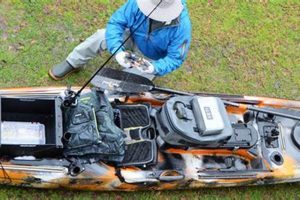
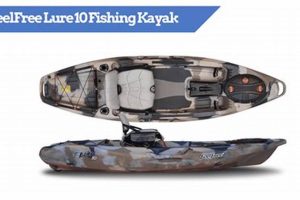
Kayak choice depends on intended use and fishing environment. Sit-on-top kayaks offer stability and ease of re-entry in calmer waters like lakes and reservoirs, while sit-inside kayaks provide better protection from the elements and enhanced paddling efficiency in rivers and open water. Specific features such as rod holders, storage compartments, and anchor trolleys further enhance fishing functionality. Hull design influences maneuverability and tracking, crucial factors in navigating diverse water conditions.
- Paddle Choice
Paddle length and blade shape impact paddling efficiency and comfort. Properly sized paddles reduce fatigue and improve boat control. Lightweight materials, such as carbon fiber or fiberglass, reduce strain during long paddling sessions. Choosing a paddle appropriate for the kayak’s width and the angler’s height and paddling style maximizes performance and minimizes physical exertion.
- Fishing Gear
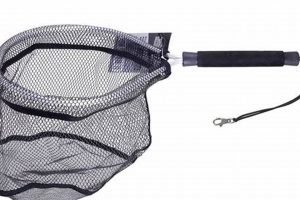
Rods, reels, and tackle should match target species and fishing techniques. Lighter tackle suits panfish and smaller bass species, while heavier gear is necessary for larger catfish or stripers. Lure selection varies depending on target species and water conditions. Essential accessories include pliers, line cutters, and a landing net. Organizing tackle in readily accessible containers improves efficiency on the water.
- Safety Equipment
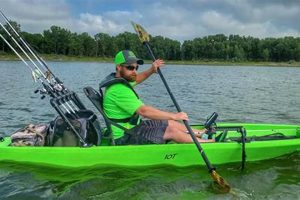
Prioritizing safety is paramount. A properly fitted personal flotation device (PFD) is essential. Additional safety equipment includes a whistle, visual distress signals, a first-aid kit, and a bilge pump. A communication device, such as a waterproof VHF radio or a cell phone in a waterproof case, enables emergency contact. Checking weather conditions before embarking and informing someone of the trip plan further enhances safety protocols.
Careful equipment selection contributes significantly to a positive kayak fishing experience in Northern Virginia. Understanding the specific demands of the chosen fishing environment and target species informs appropriate gear choices. Prioritizing safety equipment ensures angler well-being. Properly selected and utilized equipment enables anglers to focus on the enjoyment of the sport and maximize their chances of success on the water.
4. Safety Precautions
Safety precautions are paramount in kayak fishing within Northern Virginia. The region’s diverse waterways, ranging from calm reservoirs to swift-flowing rivers, present distinct challenges. Understanding and mitigating these risks is crucial for preventing accidents and ensuring angler well-being. Neglecting safety protocols can lead to serious consequences, including capsizing, hypothermia, or collisions with other vessels. For example, paddling on the Potomac River during periods of high water flow without proper safety gear and experience can create hazardous situations. Similarly, venturing onto large reservoirs during inclement weather without appropriate communication devices can expose anglers to significant risk.
Several key safety precautions apply specifically to kayak fishing in Northern Virginia. Wearing a properly fitted personal flotation device (PFD) is non-negotiable. Carrying a whistle, visual distress signals, and a waterproof communication device enables effective communication in emergencies. Checking weather forecasts and water conditions before embarking is crucial. Informing someone of the trip plan, including intended location and expected return time, allows for timely assistance if needed. Carrying a first-aid kit and basic repair tools addresses minor injuries and equipment malfunctions. Understanding and adhering to navigational rules and regulations further mitigates risks. For instance, awareness of restricted areas and proper lighting requirements for nighttime fishing ensures compliance and enhances safety.
Careful consideration of safety precautions significantly reduces risks associated with kayak fishing in Northern Virginia. Preparation and adherence to established safety protocols contribute to a positive and incident-free experience on the water. Angler awareness of potential hazards and proactive risk mitigation are essential for enjoying the region’s diverse fishing opportunities responsibly. Prioritizing safety ensures angler well-being and allows for a more focused and enjoyable fishing experience.
5. Seasonal Patterns

Seasonal patterns significantly influence kayak fishing success in Northern Virginia. Water temperature fluctuations, changing forage availability, and fish spawning cycles dictate species behavior and location throughout the year. Understanding these patterns allows anglers to optimize location selection, tackle choices, and fishing techniques for a more productive experience. For example, during the spring spawning season, largemouth bass move into shallower waters, presenting opportunities for sight fishing and targeting them with topwater lures. Conversely, during colder winter months, these same bass seek deeper, warmer water, requiring different fishing approaches.
Specific examples highlight the practical implications of seasonal patterns. During the fall, cooling water temperatures trigger baitfish migrations, attracting predatory species like striped bass in the Potomac River. Kayak anglers can capitalize on this pattern by positioning themselves along migration routes and using lures that mimic the prevalent baitfish. Similarly, during the summer months, various panfish species concentrate around submerged vegetation and structures in lakes and reservoirs, creating excellent opportunities for kayak anglers using lighter tackle and smaller lures or bait. Recognizing these seasonal shifts in fish behavior enables anglers to effectively target specific species throughout the year.
Adapting to seasonal patterns is essential for consistent kayak fishing success in Northern Virginia. Anglers who understand and anticipate these changes maximize their opportunities for catching target species. This knowledge allows for informed decisions regarding location selection, tackle choices, and fishing techniques, leading to a more rewarding experience on the water. Neglecting seasonal influences can result in unproductive outings, while understanding these patterns unlocks the full potential of kayak fishing in this diverse and dynamic region.
6. Local Regulations
Adhering to local regulations is essential for responsible and legal kayak fishing in Northern Virginia. These regulations, established by the Virginia Department of Wildlife Resources (VDWR), aim to conserve fish populations, protect aquatic ecosystems, and ensure fair and sustainable fishing practices. Ignoring these regulations can result in fines, legal penalties, and damage to the environment. Understanding and complying with these rules is crucial for all anglers, regardless of experience level.
- Licensing Requirements
A valid Virginia fishing license is mandatory for all anglers over the age of 16. Different license types exist, including freshwater, saltwater, and combination licenses. Short-term licenses are available for visitors. Acquiring the appropriate license before fishing is essential for legal compliance. Licenses can be obtained online through the VDWR website, at authorized retail locations, or by phone.
- Size and Creel Limits
Specific size and creel limits apply to various fish species. These regulations dictate the minimum and maximum size of fish that can be legally kept, as well as the daily limit per angler. For example, largemouth bass in certain waters may have a minimum size limit of 14 inches and a creel limit of five fish per day. Adhering to these limits helps maintain healthy fish populations. Regulations vary by location and species; therefore, consulting the VDWR website for specific information is crucial.
- Restricted Areas and Seasons
Certain areas may be designated as sanctuaries or restricted fishing zones to protect sensitive habitats or spawning areas. Specific seasons may also be closed to fishing for particular species to allow for undisturbed reproduction. For instance, certain tributaries of the Potomac River may be closed to fishing during specific periods to protect spawning shad. Awareness of these restrictions is essential for compliance. Information on closed areas and seasons can be found on the VDWR website and in local fishing regulations publications.
- Equipment Restrictions
Regulations may govern the type of fishing gear allowed in specific waters. For example, certain areas may prohibit the use of live bait or restrict the number of hooks allowed per line. These regulations often aim to protect certain species or prevent overfishing. Understanding these equipment restrictions is vital for legal compliance. Consult local regulations or contact the VDWR for clarification on specific equipment restrictions.
Compliance with local regulations is a fundamental aspect of responsible kayak fishing in Northern Virginia. Understanding and adhering to licensing requirements, size and creel limits, restricted areas and seasons, and equipment restrictions ensures the sustainability of the region’s fisheries and protects the environment for future generations. By prioritizing compliance, anglers contribute to the long-term health of the aquatic ecosystem and the continued enjoyment of kayak fishing in Northern Virginia.
Frequently Asked Questions
This section addresses common inquiries regarding kayak fishing in Northern Virginia. The information provided aims to clarify regulations, offer practical advice, and promote safe and responsible angling practices.
Question 1: What type of kayak is best suited for fishing in Northern Virginia?
Kayak selection depends on the intended fishing location and personal preferences. Sit-on-top kayaks offer stability and ease of use in calmer waters like lakes and reservoirs. Sit-inside kayaks provide better protection from the elements and enhanced paddling efficiency in rivers and open water. Specialized fishing kayaks often feature built-in rod holders, storage compartments, and anchor trolleys.
Question 2: Where can suitable kayak launch points be found?
Numerous public access points exist throughout Northern Virginia. The Virginia Department of Wildlife Resources (VDWR) website provides a comprehensive list of boat ramps and access sites. Local parks and recreation departments often maintain suitable launch areas as well. Researching access points beforehand is crucial for trip planning.
Question 3: Are there specific regulations regarding fishing from a kayak?
Kayak anglers are subject to the same fishing regulations as those fishing from other vessels or from shore. This includes licensing requirements, size and creel limits, and adherence to restricted areas and seasons. Consulting the VDWR website for current regulations is essential.
Question 4: What safety precautions should kayak anglers take?
Wearing a personal flotation device (PFD) is paramount. Carrying a whistle, visual distress signals, and a communication device is highly recommended. Checking weather forecasts and informing someone of the trip plan enhances safety. Carrying a first-aid kit and basic repair tools is advisable.
Question 5: What fish species can be targeted from a kayak in Northern Virginia?
Northern Virginia offers diverse fishing opportunities. Popular target species include largemouth bass, smallmouth bass, catfish, crappie, bluegill, and sunfish. Specific locations and techniques vary depending on the target species.
Question 6: Where can one find information on local fishing conditions and effective techniques?
Local bait and tackle shops provide valuable insights into current fishing patterns and effective techniques. Online fishing forums and social media groups dedicated to Northern Virginia fishing also offer valuable information and community engagement.
Careful consideration of these frequently asked questions enhances preparedness and contributes to a safe and enjoyable kayak fishing experience in Northern Virginia. Thorough planning and adherence to regulations are essential for responsible angling practices.
For further information or specific inquiries, consulting the Virginia Department of Wildlife Resources website is recommended.
Kayak Fishing Northern Virginia
This exploration has provided a comprehensive overview of kayak fishing in Northern Virginia, encompassing key aspects such as location selection, species targeting, equipment needs, safety precautions, seasonal patterns, and local regulations. Emphasis has been placed on the importance of responsible angling practices, including adherence to regulations and respect for the environment. Strategic planning and informed decision-making are crucial for maximizing fishing success and ensuring angler safety. The diverse waterways of Northern Virginia offer unique opportunities for anglers of all skill levels, from tranquil lakes and reservoirs to challenging rivers and tidal waters.
Kayak fishing offers a unique and intimate connection with nature, allowing anglers to explore otherwise inaccessible areas and experience the region’s aquatic ecosystems from a distinctive perspective. Continued exploration of these waterways, coupled with responsible fishing practices, will ensure the preservation of these valuable resources for future generations. Careful consideration of the information presented here will contribute to a rewarding and sustainable kayak fishing experience in Northern Virginia.