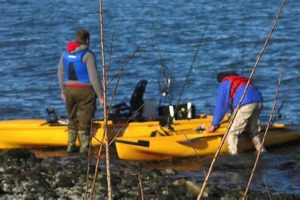
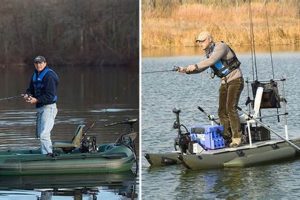
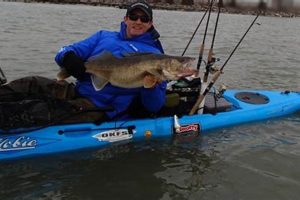
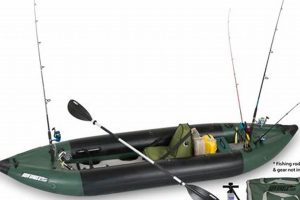
A paddle designed for use in a kayak, specifically for fishing in small, winding waterways, is an essential tool for anglers. These paddles are typically shorter and lighter than touring paddles, offering enhanced maneuverability and control in confined spaces. They often feature drip rings to minimize water dripping onto the kayak and angler, and may include specialized features like ruler markings for measuring fish or hooks for retrieving snagged lines.
Effective navigation through narrow, twisting streams and rivers necessitates a paddle that allows for quick adjustments and precise control. The compact design facilitates efficient paddling in tight quarters, allowing anglers to navigate around obstacles like fallen branches and submerged rocks. A quiet entry and exit from the water are also crucial for not disturbing fish, highlighting the importance of a paddle’s design. The historical development of specialized fishing kayak paddles reflects the growing popularity of kayak fishing and the demand for equipment tailored to this specific activity.
The following sections will delve into specific aspects of paddle selection, including blade shape, shaft material, and overall length, providing readers with a comprehensive guide to choosing the right paddle for their individual fishing needs and waterway characteristics.
Tips for Effective Kayak Paddle Usage in Small Waterways
Optimal paddle selection and technique enhance maneuverability and fishing success in challenging creek environments. The following tips offer guidance for navigating narrow, winding waterways efficiently and effectively.
Tip 1: Choose the correct paddle length. Paddle length should be tailored to individual body size and kayak width. A shorter paddle offers greater control in tight spaces, while a longer paddle may be preferable for open water. Consider measuring sit-inside kayaks from the seat to the side and adding angler height. Sit-on-top kayak measurements should factor in torso height and arm length.
Tip 2: Utilize a feathered paddle. Feathering, or offsetting the paddle blades, reduces wind resistance on the blade out of the water. This is particularly beneficial in windy conditions often encountered on open stretches of creeks.
Tip 3: Master the high-angle paddle stroke. This technique, with a vertical paddle shaft and blade close to the kayak, maximizes propulsion and minimizes disturbance in shallow, confined waters.
Tip 4: Practice the low-angle paddle stroke. Ideal for open sections of a creek, this stroke, with a more horizontal paddle angle, provides efficient forward momentum for longer distances.
Tip 5: Employ the draw stroke for precise maneuvering. This stroke pulls the kayak sideways, allowing for adjustments in position and navigation around obstacles like overhanging branches or submerged rocks.
Tip 6: Learn the reverse sweep stroke for turning. Sweeping the paddle blade away from the kayak’s stern allows for quick turns, essential for navigating tight bends in a creek.
Tip 7: Consider a paddle with drip rings. Drip rings prevent water from running down the paddle shaft onto hands and into the kayak, improving grip and keeping the angler dry.
Proper paddle selection and technique contribute significantly to a more controlled and efficient kayaking experience, enabling anglers to focus on fishing rather than navigation. Implementing these tips will lead to improved maneuverability and overall enjoyment on the water.
By understanding these principles and selecting the right equipment, anglers can maximize their time on the water and enhance their fishing success.
1. Maneuverability

Maneuverability is paramount when navigating a kayak through the intricate confines of a crooked creek. The ability to execute precise turns, navigate tight corners, and swiftly adjust positioning is directly influenced by the kayak paddle employed. A shorter paddle length, typically preferred in creeks, affords greater control and responsiveness. Wider paddle blades provide enhanced leverage for quick turns and adjustments, proving essential when encountering unexpected obstacles like submerged logs or sudden shallows. The relationship between paddle design and maneuverability is a critical factor for successful creek navigation.
Consider the scenario of maneuvering a kayak around a dense cluster of fallen branches obstructing a narrow passage. A longer paddle, suitable for open water, would prove cumbersome and ineffective. A shorter, more maneuverable paddle enables efficient navigation through such obstacles, allowing the angler to maintain momentum and avoid collisions. Furthermore, the ability to execute quick turns, facilitated by a wider blade design, proves crucial in rapidly changing creek currents. The angler can swiftly adjust to shifting water flow and maintain a desired course without sacrificing stability.
Ultimately, the connection between maneuverability and paddle choice dictates the efficiency and enjoyment of the creek fishing experience. A paddle designed for maneuverability transforms challenges into opportunities, granting anglers access to secluded fishing spots and enhancing their overall control within the dynamic environment of a crooked creek. Selecting the appropriate paddle is an investment in both safety and successful fishing outcomes.
2. Lightweight design

A lightweight paddle is crucial for extended fishing trips in crooked creeks. Reduced swing weight minimizes fatigue, allowing for prolonged paddling without compromising performance. This is particularly important when navigating challenging waterways requiring frequent paddle strokes for maneuvering around obstacles and maintaining position against currents. A lighter paddle allows for more efficient energy expenditure, enabling anglers to focus on fishing rather than battling fatigue. For instance, navigating a long stretch of a winding creek against a moderate current demands sustained paddling effort. A lightweight paddle significantly reduces strain on joints and muscles, preventing premature exhaustion and maximizing time on the water.
The material composition of the paddle shaft directly influences its overall weight. Materials like carbon fiber offer exceptional strength and stiffness at a fraction of the weight of traditional aluminum or fiberglass shafts. While often more expensive, the performance benefits of a carbon fiber paddle, particularly in demanding environments like crooked creeks, are substantial. Consider the scenario of needing to quickly maneuver the kayak to avoid a submerged log. A lighter paddle enables faster reaction time and more precise control, enhancing safety and preventing potential capsizing. This responsiveness can be critical in dynamic creek environments.
Choosing a lightweight paddle enhances both comfort and performance during long fishing expeditions. Reduced fatigue translates to more time actively fishing and less time battling exhaustion. The investment in a lightweight paddle, particularly one constructed from advanced materials, pays dividends in terms of increased endurance, improved maneuverability, and enhanced overall enjoyment on the water. The ability to paddle efficiently and comfortably directly contributes to a successful and enjoyable fishing experience.
3. Blade shape (short, wide)

Blade shape significantly influences a kayak paddle’s effectiveness in crooked creeks. Short, wide blades offer distinct advantages in these environments. The shorter length allows for quick, controlled strokes, essential for maneuvering in tight spaces and around obstacles like fallen branches or submerged rocks. The wider blade surface area provides increased purchase on the water, generating more power with each stroke. This translates to efficient propulsion and enhanced maneuverability, crucial for navigating against currents and maintaining precise positioning in narrow channels. Consider the scenario of needing to quickly change direction to avoid a submerged log in a fast-flowing section of the creek. A short, wide blade allows for rapid acceleration and decisive turns, facilitating a swift, controlled response. This blade shape proves more effective than a long, narrow blade, which would be cumbersome and less responsive in such a situation.
The benefits of a short, wide blade extend beyond maneuverability. The increased power generated per stroke reduces the overall number of strokes required to cover a given distance. This translates to less energy expenditure and reduced fatigue, particularly beneficial during long fishing trips. Furthermore, the wider blade surface area contributes to a more stable and controlled stroke, minimizing splashing and reducing the likelihood of disturbing fish in shallow water. This quiet operation enhances fishing success by allowing anglers to approach fish stealthily. Imagine approaching a shallow pool known to hold wary trout. A short, wide blade allows for quiet, controlled movement, minimizing disturbance and increasing the chances of a successful cast.
Selecting a paddle with a short, wide blade is a strategic decision for anglers navigating crooked creeks. The enhanced maneuverability, increased power, and quiet operation contribute significantly to a more efficient and successful fishing experience. While other blade shapes may be suitable for different paddling environments, the short, wide blade provides a distinct advantage in the dynamic, obstacle-filled waters of a crooked creek. This understanding of blade shape and its impact on performance allows anglers to make informed equipment choices, maximizing their time on the water and enhancing their chances of a successful outing.
4. Durable shaft material

Paddle shaft durability is paramount for navigating the demanding environments of crooked creeks. These waterways often present submerged obstacles, shallow rocky sections, and overhanging branches, increasing the risk of paddle impact and stress. A durable shaft material ensures the paddle withstands these rigors, providing reliable performance and longevity. Understanding the relationship between shaft material and durability is essential for selecting a kayak paddle suitable for crooked creek fishing.
- Material Selection
Common paddle shaft materials include aluminum, fiberglass, and carbon fiber. Aluminum offers affordability and durability but can be heavier. Fiberglass provides a balance of strength, weight, and cost. Carbon fiber offers superior strength and the lightest weight but comes at a premium price. Selecting the appropriate material depends on individual needs and budget. An angler frequently navigating rocky creeks might prioritize the robust nature of carbon fiber, while a recreational angler might find fiberglass a suitable compromise.
- Impact Resistance
Impact resistance is crucial, given the potential for contact with rocks, logs, and other obstacles in a creek. Carbon fiber excels in this area, offering high impact resistance despite its lightweight nature. Fiberglass also performs well, while aluminum, though durable, can be prone to bending under significant impact. Consider the scenario of striking a submerged rock while paddling. A carbon fiber shaft is more likely to withstand the impact without damage, while an aluminum shaft might bend, compromising paddle performance and potentially necessitating repair or replacement.
- Flex and Responsiveness
Shaft flex influences paddling efficiency and comfort. While some flex can absorb shock and reduce fatigue, excessive flex can feel unstable and reduce power transfer. Carbon fiber shafts typically offer minimal flex, providing a direct and responsive feel. Fiberglass offers moderate flex, while aluminum can exhibit more flex, which may be preferable for some paddling styles. An angler seeking precise control and efficient power transfer might prefer the stiffness of carbon fiber, while another might prioritize the shock absorption of fiberglass for increased comfort during long paddling sessions.
- Long-term Durability
Exposure to water, sunlight, and temperature fluctuations can degrade paddle shafts over time. Choosing a material resistant to corrosion and UV degradation ensures long-term performance. Carbon fiber and fiberglass exhibit excellent resistance to these elements, contributing to their longevity. Aluminum, while generally durable, can be susceptible to corrosion if not properly cared for. An angler frequently paddling in saltwater environments should prioritize corrosion resistance, making fiberglass or carbon fiber more suitable choices than aluminum. Proper maintenance, including rinsing the paddle after each use, further extends its lifespan.
A durable shaft material is essential for a fishing kayak paddle used in crooked creeks. Understanding the properties of different materials allows anglers to select a paddle that balances durability, weight, performance, and cost. Choosing the right shaft material ensures the paddle withstands the rigors of these demanding environments, providing reliable performance and contributing to a more enjoyable and successful fishing experience. The investment in a durable paddle ultimately enhances both safety and long-term performance on the water.
5. Comfortable grip

A comfortable grip is essential for effective kayak paddle usage, particularly in the demanding environment of a crooked creek. Extended paddling sessions, often necessary for navigating these waterways, can lead to hand fatigue and discomfort. A comfortable grip minimizes strain, allowing for prolonged paddling without compromising performance. This enhanced endurance contributes to greater control, improved maneuverability, and a more enjoyable overall experience. Consider the scenario of navigating a long stretch of a winding creek against a moderate current. A comfortable grip reduces hand fatigue, allowing the angler to maintain a firm, controlled grip on the paddle, which is crucial for efficient propulsion and precise maneuvering. Without a comfortable grip, hand fatigue could compromise paddling effectiveness, reducing control and increasing the risk of losing balance or striking obstacles.
Several factors contribute to grip comfort. Paddle grip shape and material play significant roles. Ergonomically designed grips conform to the natural contours of the hand, minimizing pressure points and maximizing surface area contact. Materials like textured rubber or EVA foam provide a secure, non-slip grip, even when wet. Grip circumference also influences comfort. A grip too small can cause cramping, while a grip too large can be difficult to control. Features like adjustable grips allow for customization, accommodating different hand sizes and preferences. Imagine paddling in cold, wet conditions. A textured rubber grip provides a secure hold, preventing slippage and maintaining control, while a smooth plastic grip might become slippery, compromising safety and performance.
A comfortable paddle grip contributes significantly to an angler’s ability to navigate a crooked creek effectively and enjoyably. Reduced hand fatigue translates to improved control, enhanced maneuverability, and prolonged paddling endurance. Understanding the elements that contribute to grip comfort, such as ergonomic design, appropriate materials, and proper sizing, allows anglers to select a paddle best suited to their individual needs and the demands of the environment. This informed decision enhances both comfort and performance on the water, leading to a more successful and satisfying creek fishing experience. Prioritizing grip comfort is not simply a matter of convenience; it is an investment in efficient paddling, enhanced control, and ultimately, a safer and more enjoyable time on the water.
6. Drip Rings

Drip rings play a crucial role in enhancing the performance and comfort of a kayak paddle, particularly within the context of crooked creek fishing. These simple yet effective additions to the paddle shaft function to prevent water from dripping down the shaft onto the angler’s hands and into the kayak cockpit. This seemingly minor detail has significant implications for grip, control, and overall comfort, especially during extended paddling sessions in challenging creek environments.
- Reduced Hand Discomfort and Improved Grip
Water dripping onto hands, especially in colder conditions, can lead to discomfort, numbness, and a loss of grip. Drip rings effectively intercept water flowing down the paddle shaft, keeping hands drier and warmer. This improved grip enhances control and reduces the risk of the paddle slipping, particularly when executing maneuvers requiring quick adjustments or applying significant force. Consider navigating a swift current or maneuvering around a submerged log maintaining a secure grip is paramount for safety and effective control. Drip rings contribute significantly to this aspect of paddle performance.
- Maintaining a Dry Cockpit
Excess water in the kayak cockpit can lead to discomfort, reduced stability, and potential damage to gear. Drip rings minimize water accumulation by preventing water from dripping off the paddle shaft into the kayak. This is particularly beneficial in crooked creeks where frequent paddle strokes and maneuvering are necessary. In situations where the angler might be exiting and re-entering the kayak frequently, such as when wading or accessing difficult-to-reach fishing spots, drip rings minimize the amount of water tracked back into the kayak, keeping the interior drier and more comfortable.
- Enhanced Cold Weather Performance
In colder temperatures, dripping water can accelerate heat loss from the hands, potentially leading to discomfort and reduced dexterity. Drip rings provide a layer of protection against this, helping to maintain hand warmth and flexibility. This is crucial for maintaining control and dexterity when fishing in colder creek conditions. Consider the scenario of landing a fish in cold weather numb hands could compromise the ability to handle the fish safely and effectively. Drip rings contribute to maintaining dexterity in these situations.
- Minimal Impact on Paddle Weight and Performance
Drip rings are typically lightweight and minimally impact the overall weight and balance of the paddle. Their placement on the shaft is strategically positioned to minimize interference with paddling technique. This ensures that while providing the benefits of water deflection, drip rings do not compromise the paddle’s performance characteristics. An angler can benefit from drier hands and a drier cockpit without sacrificing paddling efficiency or control.
In the specialized context of a crooked creek fishing kayak paddle, drip rings offer significant practical advantages. By keeping hands dry and the cockpit free of excess water, they contribute to enhanced comfort, improved grip, and greater control, all crucial elements for a successful and enjoyable fishing experience in these demanding environments. While seemingly small additions, drip rings play a substantial role in optimizing paddle performance and enhancing the overall fishing experience in crooked creeks.
Frequently Asked Questions
This section addresses common inquiries regarding kayak paddle selection and usage specific to crooked creek fishing.
Question 1: What paddle length is optimal for navigating a crooked creek?
Optimal paddle length depends on individual torso height, kayak width, and paddling style. Shorter paddles generally offer greater maneuverability in tight spaces characteristic of creeks, while longer paddles provide more leverage and speed in open water sections. Consulting a paddle sizing chart or expert advice is recommended for personalized guidance.
Question 2: Are feathered paddle blades beneficial in creek environments?
Feathered blades can reduce wind resistance on the blade out of the water, but can also feel less stable in turbulent creek currents. A lower feather angle or unfeathered blades are often preferred for enhanced control and stability in complex creek conditions.
Question 3: What blade shape is most suitable for crooked creek paddling?
Shorter, wider blades excel in creeks. They provide enhanced maneuverability, allowing for quick turns and adjustments essential for navigating tight spaces and avoiding obstacles. The larger blade surface area generates more power per stroke, facilitating efficient propulsion against currents.
Question 4: Which shaft material is best suited for durability in a creek environment?
Carbon fiber offers superior strength and impact resistance for demanding creek conditions, while fiberglass provides a balance of durability and affordability. Aluminum, though cost-effective, may be less resistant to impacts with rocks and submerged obstacles.
Question 5: How do drip rings contribute to performance in a crooked creek?
Drip rings prevent water from dripping down the paddle shaft onto hands and into the kayak cockpit. This maintains grip and control, especially in cold or wet conditions, and keeps the cockpit drier, enhancing comfort and stability.
Question 6: How does paddle choice affect fishing success in crooked creeks?
Appropriate paddle selection directly impacts navigation efficiency and angler fatigue. Enhanced maneuverability and control allow for precise positioning and access to prime fishing spots, while a comfortable, efficient paddle reduces fatigue, allowing anglers to focus on fishing rather than paddling effort.
Choosing the correct paddle contributes significantly to a safe, efficient, and enjoyable creek fishing experience. Further research and consultation with experienced paddlers can provide additional insights for individualized paddle selection.
Continue reading for further in-depth analysis of specific paddle features and recommendations.
Conclusion
Careful consideration of paddle characteristics is essential for successful kayak fishing in crooked creeks. Maneuverability, facilitated by shorter lengths and wider blades, is paramount for navigating tight, obstacle-filled waterways. Lightweight construction minimizes fatigue during long paddling sessions, while durable shaft materials ensure the paddle withstands the rigors of shallow, rocky environments. Comfortable grips and drip rings further enhance performance and enjoyment by maximizing control and minimizing hand discomfort. Each aspect contributes to a more efficient, controlled, and ultimately, more successful fishing experience.
Effective navigation unlocks the full potential of crooked creek fishing. Choosing a specialized paddle tailored to the unique demands of these environments empowers anglers to explore further, access secluded fishing spots, and maximize time on the water. This investment in appropriate equipment translates to improved performance, increased comfort, and a deeper appreciation for the challenges and rewards of fishing in these intricate waterways. An informed paddle choice represents a commitment to enhancing both safety and fishing success within the dynamic environment of a crooked creek.