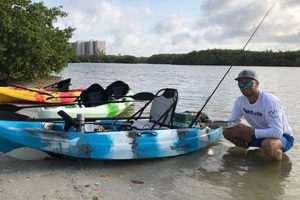
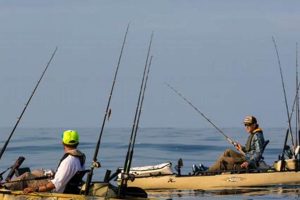
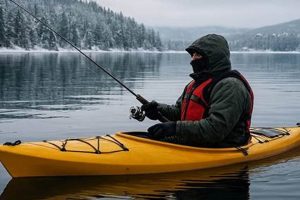
Competitive angling from human-powered vessels offers a unique blend of skill, strategy, and sportsmanship. Participants typically compete to catch the largest or most fish within a specified timeframe and according to established rules. These events can range from small, local gatherings to large-scale tournaments with substantial prizes and sponsorships. A typical example involves anglers launching their kayaks within a designated area, seeking out target species, and recording their catches, often through photographs and measurements, for subsequent verification and scoring.
Such competitions promote conservation awareness and ethical angling practices, often incorporating catch-and-release guidelines. They also provide a platform for camaraderie among enthusiasts, fostering a sense of community and shared passion. Historically, these events have evolved alongside the growing popularity of kayak fishing, reflecting advancements in kayak design and fishing technology. These events serve as a showcase for innovation and skill, driving further development within the sport.
Further exploration of this topic might include discussions on tournament formats, scoring systems, essential gear and equipment, preparation strategies, and the evolving landscape of competitive kayak angling.
Tips for Competitive Kayak Angling
Success in tournament kayak fishing requires a combination of preparation, skill, and strategic thinking. The following tips offer guidance for enhancing performance and increasing the likelihood of a successful outcome.
Tip 1: Pre-Fishing Scouting: Thorough knowledge of the competition waters is paramount. Prior exploration identifies productive areas, prevalent species, and optimal fishing techniques. This allows anglers to develop a targeted game plan before the competition begins.
Tip 2: Equipment Optimization: A well-equipped kayak enhances efficiency and effectiveness. Ensure the vessel is properly outfitted with essential gear, including rod holders, fish finders, and appropriate safety equipment. Tackle selection should be tailored to the target species and anticipated fishing conditions.
Tip 3: Efficient Time Management: Tournament fishing often involves time constraints. Minimizing time spent on non-fishing activities, such as rigging changes and location transitions, maximizes fishing opportunities. Developing a pre-determined fishing plan helps streamline the process.
Tip 4: Weather Awareness: Changing weather conditions can significantly impact fishing success. Monitoring weather forecasts and adjusting strategies accordingly is crucial. Being prepared for unexpected changes, such as wind shifts or rain, demonstrates adaptability.
Tip 5: Rules and Regulations: Thorough understanding of tournament rules and regulations is essential for fair competition. Familiarizing oneself with size limits, permitted fishing methods, and reporting procedures ensures compliance and avoids penalties.
Tip 6: Conservation Practices: Responsible angling practices are vital for preserving fish populations and maintaining healthy ecosystems. Adhering to catch-and-release guidelines and minimizing environmental impact demonstrate ethical sportsmanship.
Tip 7: Mental Fortitude: Competitive fishing can be challenging, requiring focus and resilience. Maintaining a positive attitude and staying mentally focused throughout the competition enhances performance, even under pressure.
By implementing these strategies, anglers can significantly improve their competitive edge and overall tournament experience. Preparation, adaptability, and a respect for the environment contribute to both individual success and the long-term health of the sport.
These tips provide a foundation for successful competitive kayak angling. The following section will delve into advanced techniques and strategies for optimizing performance on the water.
1. Competition

Competition forms the core of fishing kayak contests, driving participants to test their skills and strategies against one another. This element introduces a performance-based dynamic, where anglers strive to outperform their peers within a structured framework. Understanding the various facets of competition within this specific context illuminates the nuances of these events.
- Ranking and Recognition:
Competitive angling inherently involves a system of ranking participants based on their performance. This ranking, often publicly displayed, provides recognition for achievement and serves as a key motivator. Anglers compete not only for prizes but also for the prestige associated with a high ranking within the competitive field. This element adds a layer of measurable performance assessment to the event, driving individuals to refine their techniques and strategies.
- Strategic Decision-Making:
The competitive environment necessitates strategic thinking. Anglers must consider factors such as location selection, bait choices, and time management to maximize their catch. These decisions, made under pressure, often differentiate successful competitors from the rest. For example, choosing to target a less pressured area with smaller fish versus competing for larger fish in a crowded spot could significantly influence final results. Strategic decision-making becomes a crucial skill in competitive kayak angling.
- Adaptation and Adjustment:
Fishing conditions, including weather, water clarity, and fish behavior, can change rapidly. Successful competitors demonstrate adaptability, adjusting their strategies and techniques in response to these dynamic variables. This ability to react effectively to unforeseen circumstances contributes significantly to overall performance. A sudden shift in wind, for example, might require an angler to alter their casting technique or relocate to a more sheltered area.
- Ethical Considerations:
While competition encourages anglers to push their limits, ethical considerations remain paramount. Adherence to rules and regulations, including catch-and-release practices and respect for other competitors, ensures fair play and preserves the integrity of the sport. This ethical framework underscores the importance of sportsmanship and responsible angling within the competitive environment. Reporting accurate catches, avoiding interference with other anglers, and demonstrating respect for the environment contribute to the overall positive image and sustainability of the sport.
These interconnected facets of competition contribute to the overall experience and outcomes of fishing kayak contests. The pursuit of ranking, the necessity for strategic thinking, the ability to adapt, and the adherence to ethical guidelines shape the dynamics of these events, ultimately defining the spirit of competitive kayak angling.
2. Kayak Fishing

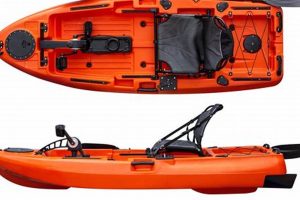
Kayak fishing provides the foundational activity upon which fishing kayak contests are built. The specialized skills and equipment inherent in kayak fishing directly influence the structure and challenges presented within competitive settings. A strong understanding of kayak fishing techniques, including paddle strokes, boat control, and specialized casting methods, is essential for competitive success. For example, mastering the art of maneuvering a kayak in tight spaces or maintaining stability while casting and retrieving in challenging conditions gives competitors a distinct advantage. Furthermore, specialized equipment, such as fish finders designed for kayak mounting and rod holders tailored to limited space, plays a critical role in contest outcomes. The inherent portability and maneuverability of kayaks allow access to shallow waters and secluded fishing spots often inaccessible to larger vessels, creating unique opportunities and challenges within the competitive arena.
The growth in popularity of kayak fishing has directly fueled the expansion of competitive events. As more individuals engage in recreational kayak fishing, the demand for organized competitions and opportunities to test skills against other enthusiasts naturally increases. This surge in participation leads to greater sponsorship opportunities, increased media coverage, and the development of more sophisticated tournament formats. The accessibility and relatively low cost of entry into kayak fishing compared to motorized boat fishing contribute to its broader appeal and, consequently, the growth of the competitive scene. This symbiotic relationship between recreational participation and competitive angling drives innovation in kayak design, fishing techniques, and specialized equipment.
In essence, kayak fishing forms the core skill set and provides the operational platform for fishing kayak contests. Mastery of kayak-specific fishing techniques and strategic equipment choices directly influences competitive outcomes. The increasing popularity of recreational kayak fishing fuels the growth and evolution of competitive events. Understanding this fundamental connection provides valuable insights into the dynamics and future trajectory of competitive kayak angling.
3. Skill Assessment
Fishing kayak contests inherently serve as a platform for skill assessment within the specialized field of competitive angling. Performance within these contests reflects a combination of technical proficiency, strategic thinking, and adaptability. Technical skills encompass accurate casting, effective retrieval techniques, knot tying, and fish handling. Strategic skills involve location selection, bait choices, and time management within the constraints of the competition. Adaptability refers to the angler’s ability to adjust strategies based on changing weather patterns, water conditions, and fish behavior. Success hinges on the effective integration of these skill sets.
The importance of skill assessment as a component of fishing kayak contests is multifaceted. For participants, it provides a benchmark for personal performance, highlighting strengths and identifying areas for improvement. For example, an angler consistently outperformed in shallow-water fishing might recognize a strength in finesse techniques. Conversely, repeated struggles with deep-water jigging might reveal a skill gap requiring focused practice. Furthermore, contests offer a structured environment for learning and skill development through observation of other competitors and post-event analysis. For spectators and sponsors, skill assessment provides a clear metric for evaluating angler performance, contributing to the excitement and engagement of the competition. The demonstrable skill level of participants adds legitimacy and credibility to the sport.
Understanding the role of skill assessment provides practical significance for all stakeholders involved in fishing kayak contests. Participants can use performance data to refine their techniques, enhance their competitive edge, and ultimately achieve higher rankings. Tournament organizers can leverage skill assessment data to design more challenging and engaging contest formats. Sponsors gain valuable insights into angler performance, informing sponsorship decisions and marketing strategies. Finally, this understanding enhances the overall appreciation of the complexities and nuances within competitive kayak angling, fostering greater respect for the skill and dedication required for success.
4. Strategy Formulation

Strategy formulation plays a critical role in competitive kayak angling, significantly influencing contest outcomes. Developing a well-defined pre-fishing strategy, coupled with the ability to adapt to changing conditions during the competition, distinguishes successful anglers. A pre-fishing strategy typically involves researching the competition waters, identifying potential target species, selecting appropriate tackle and bait, and formulating a plan for navigating the designated fishing area. Factors such as water depth, temperature, vegetation, and prevailing currents influence location choices and fishing techniques. For instance, an angler anticipating a strong current might opt for heavier lures and a drift-fishing approach, while another, focusing on shallow-water species, might choose lighter tackle and a slow, stealthy approach. This pre-competition planning forms the foundation for a successful contest performance.
However, the dynamic nature of fishing environments necessitates in-competition adjustments. Weather changes, unexpected fish behavior, and the strategies of competing anglers require on-the-fly modifications to pre-determined plans. An angler initially targeting bass in deeper water might observe surface activity indicating a feeding frenzy of smaller fish and strategically shift focus to exploit this unforeseen opportunity. The ability to analyze real-time conditions and adjust tactics accordingly demonstrates strategic adaptability, a hallmark of successful competitive anglers. This responsiveness to changing circumstances often proves decisive in determining contest rankings. For instance, an angler initially focusing on a specific lure type might switch to a different presentation based on observed fish behavior or adjust their targeted depth based on changing water clarity. These real-time adjustments, driven by strategic analysis, maximize opportunities and optimize results.
In summary, effective strategy formulation, encompassing both pre-fishing planning and in-competition adaptation, is essential for success in fishing kayak contests. A well-defined initial strategy provides a structured framework for maximizing fishing opportunities, while the capacity to adjust tactics in response to dynamic conditions enhances competitive performance. Understanding the critical interplay between pre-determined plans and real-time adjustments enables anglers to optimize their approach, increasing the likelihood of achieving desired outcomes within the challenging environment of competitive kayak angling.
5. Rule Adherence

Rule adherence forms the bedrock of fair competition and ethical conduct within fishing kayak contests. A clearly defined and consistently enforced set of rules ensures a level playing field for all participants, promoting integrity and sportsmanship within the competitive environment. Understanding the specific rules governing these contests and the implications of non-compliance is crucial for both organizers and competitors.
- Boundary Adherence
Designated fishing boundaries define the permitted area of competition. These boundaries, often marked by GPS coordinates or physical markers, ensure fair access to resources and prevent unfair advantages. Contestants straying beyond these boundaries face penalties, including disqualification. For example, a contestant fishing outside the designated area, even inadvertently, might have their catch disallowed, impacting their overall score and potentially the outcome of the competition. Respecting established boundaries is fundamental to fair play.
- Species and Size Restrictions
Regulations often specify permitted target species and impose minimum size limits on catches. These rules aim to conserve fish populations and promote sustainable angling practices. Violation of these restrictions, such as catching an undersized fish or targeting a protected species, incurs penalties and undermines the conservation efforts integral to responsible fishing. For instance, a contestant keeping an undersized fish, even if unintentionally, could face disqualification or point deductions, highlighting the importance of careful identification and release of protected or undersized catches.
- Permitted Fishing Methods
Rules often stipulate permitted fishing methods, such as the types of lures, lines, and tackle allowed. These restrictions ensure fair competition and prevent the use of methods that might provide an unfair advantage. For example, using live bait where prohibited could result in disqualification, emphasizing the importance of adhering to specified tackle and bait restrictions. Adhering to these rules maintains a level playing field and promotes skill-based competition.
- Reporting and Verification Procedures
Accurate catch reporting and verification procedures ensure transparency and maintain the integrity of competition results. Contestants typically photograph or measure their catches and submit these records for verification by tournament officials. Non-compliance with reporting procedures, such as failing to properly document a catch, can lead to disqualification, even if the catch itself was legitimate. This underscores the importance of meticulous record-keeping and adherence to established reporting protocols. For example, a contestant catching a prize-winning fish but failing to document it according to the established protocol might have their catch disallowed, emphasizing the crucial role of accurate and timely reporting.
Adherence to these rules is not merely a matter of compliance; it upholds the principles of fair play, sportsmanship, and conservation that underpin fishing kayak contests. Consistent enforcement of these rules ensures the integrity of competition results and fosters a positive environment for all participants. This framework of rules contributes directly to the long-term sustainability and ethical conduct within the sport of competitive kayak angling.
6. Sportsmanship
Sportsmanship in fishing kayak contests transcends mere adherence to rules; it embodies a spirit of respect, ethical conduct, and fair play that elevates the competitive experience. It fosters a positive environment where anglers compete with integrity, demonstrating respect for fellow competitors, the environment, and the sport itself. This commitment to sportsmanship strengthens the community of kayak anglers and contributes to the long-term sustainability of competitive fishing. Understanding its multifaceted nature is crucial for all participants.
- Respect for Fellow Competitors
Respect for fellow competitors forms the cornerstone of sportsmanship. This includes avoiding interference with other anglers’ fishing lines, maintaining appropriate distance, and refraining from disruptive behavior. Offering assistance to a competitor in need, such as helping with a tangled line or a minor equipment malfunction, exemplifies good sportsmanship. Conversely, crowding another angler’s fishing spot or making derogatory comments demonstrates a lack of respect. These actions, while potentially not violating specific rules, undermine the spirit of fair play and create a negative competitive environment.
- Environmental Stewardship
Environmental stewardship reflects a commitment to preserving the natural environment. Practicing catch-and-release fishing, properly disposing of waste, and minimizing disturbance to aquatic habitats demonstrate respect for the ecosystem that supports the sport. Leaving fishing areas cleaner than they were found exemplifies environmental stewardship. Conversely, discarding fishing line or littering demonstrates a disregard for the environment and sets a negative example. This commitment to conservation ensures the long-term health of fish populations and preserves the natural beauty of fishing locations for future generations.
- Integrity and Honesty
Integrity and honesty are paramount in competitive fishing. Accurately reporting catches, adhering to size and species restrictions, and avoiding any form of cheating uphold the principles of fair competition. Self-reporting a rule infraction, even if unnoticed by officials, exemplifies integrity. Conversely, exaggerating the size of a catch or failing to report a violation undermines the integrity of the competition and disrespects fellow competitors. This commitment to honesty ensures a level playing field and maintains the credibility of contest results.
- Positive Attitude and Resilience
Maintaining a positive attitude and demonstrating resilience in the face of challenges exemplify good sportsmanship. Congratulating fellow competitors on their successes, accepting defeat gracefully, and learning from setbacks contribute to a positive and supportive competitive environment. Continuing to fish with enthusiasm even after a series of unsuccessful catches exemplifies resilience. Conversely, displaying anger or frustration after losing or making negative comments about other anglers creates a negative atmosphere. This positive approach fosters camaraderie among competitors and enhances the overall enjoyment of the sport.
These interconnected facets of sportsmanship contribute significantly to the overall quality and sustainability of fishing kayak contests. By embracing these principles, anglers elevate the competitive experience beyond a mere pursuit of victory, fostering a community built on respect, ethical conduct, and a shared passion for the sport. This commitment to sportsmanship ensures the continued growth and positive development of competitive kayak angling.
7. Prize Acquisition
Prize acquisition represents a significant motivating factor within fishing kayak contests, influencing participant behavior and shaping the competitive landscape. The pursuit of prizes, ranging from cash awards and sponsored merchandise to coveted titles and recognition, drives anglers to refine their skills, invest in specialized equipment, and dedicate considerable time and effort to pre-fishing scouting and strategic planning. The potential for reward incentivizes participation and fuels the competitive spirit. For instance, a substantial cash prize for the largest catch might encourage anglers to target trophy-sized fish, while a sponsored kayak package might motivate others to focus on accumulating points for overall performance. The structure of the prize system directly influences the strategic choices made by competitors.
The tiered structure of prize allocation, often awarding top performers in various categories, such as largest fish by species or overall accumulated weight, creates multiple avenues for achievement. This tiered system encourages broader participation, as anglers of varying skill levels have opportunities to win prizes. It also diversifies competitive strategies, as anglers may choose to specialize in specific species or target overall performance. For example, a contest might award prizes for the largest bass, the largest trout, and the overall combined weight of all eligible catches, encouraging anglers to develop specialized techniques for different species or adopt a more generalist approach to maximize overall weight. This structured reward system adds complexity and excitement to the competitive dynamics.
Understanding the influence of prize acquisition provides practical insights into the dynamics of fishing kayak contests. Recognizing the motivational power of prizes allows tournament organizers to structure reward systems that encourage participation, promote specific angling techniques, and enhance the overall competitive experience. For participants, understanding how prize structures influence strategic decision-making enables more effective competition planning and resource allocation. Furthermore, transparency in prize allocation and clear communication of judging criteria enhance the credibility and perceived fairness of the competition, fostering trust and positive engagement among participants. This understanding of the interplay between prize acquisition and competitive strategy is crucial for both organizers and participants seeking to maximize the benefits and enjoyment of fishing kayak contests.
Frequently Asked Questions
This section addresses common inquiries regarding competitive kayak angling, providing concise and informative responses to clarify potential uncertainties.
Question 1: How does one locate fishing kayak contests?
Information regarding upcoming competitions can be found through online search engines, specialized fishing forums, local kayak retailers, and social media groups dedicated to kayak angling.
Question 2: What equipment is typically required for participation?
Essential equipment includes a fishing kayak, appropriate safety gear (life vest, whistle), paddles, rods, reels, tackle, and a means of measuring and recording catches. Specific equipment requirements may vary depending on the tournament regulations.
Question 3: Are there specific skill levels required for entry?
Contests cater to various skill levels, ranging from novice to professional. Many tournaments offer separate divisions based on experience or competitive ranking, ensuring a fair competitive environment for all participants.
Question 4: How are catches typically scored and verified?
Scoring methods vary depending on the specific tournament format. Common methods include measuring the length of the catch, accumulating total weight, or assigning points based on species and size. Verification often involves photographic evidence and adherence to specific reporting procedures.
Question 5: What are the typical costs associated with participation?
Costs vary depending on the tournament. Entry fees can range from nominal amounts for local events to more substantial fees for larger, nationally recognized competitions. Additional expenses may include travel, accommodation, and equipment upgrades.
Question 6: What conservation practices are typically employed in these events?
Catch-and-release practices are commonly employed to minimize environmental impact and preserve fish populations. Tournaments often emphasize proper fish handling techniques and require adherence to size and species restrictions, promoting responsible angling and sustainability.
Understanding these key aspects of fishing kayak contests contributes to a more informed and enjoyable experience for both participants and spectators. Thorough preparation, adherence to regulations, and a commitment to ethical angling practices enhance the overall quality and sustainability of competitive kayak fishing.
The following section will explore advanced techniques and strategies employed by experienced competitive kayak anglers.
Fishing Kayak Contest
Competitive kayak angling represents a multifaceted pursuit, encompassing skill development, strategic thinking, and a deep respect for the environment. This exploration has highlighted key aspects of these contests, from the fundamental principles of kayak fishing and strategy formulation to the crucial roles of rule adherence and sportsmanship. Understanding these elements provides valuable insights into the dynamics of competition and the broader context within which these events operate. Technical proficiency, strategic adaptability, and a commitment to ethical conduct contribute significantly to success within this demanding yet rewarding sport.
The continued growth and evolution of competitive kayak angling hinges on the collective efforts of participants, organizers, and sponsors to prioritize conservation, fair play, and the ongoing refinement of skill and strategy. Embracing these principles ensures the long-term sustainability and positive development of the sport, fostering a community of anglers dedicated to excellence in competition and stewardship of aquatic resources. The future of fishing kayak contests lies in the hands of those who recognize the profound connection between competitive pursuit and environmental responsibility.