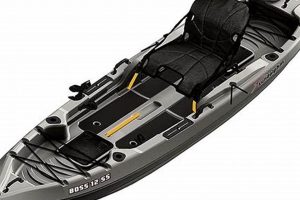
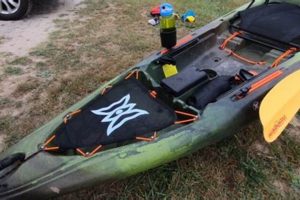
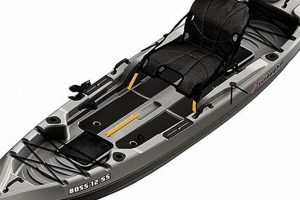
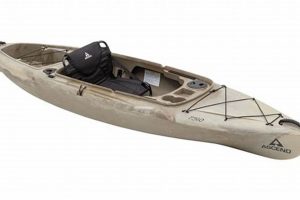
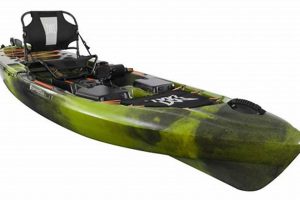
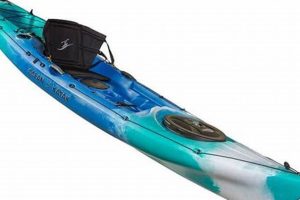
Choosing between a sit-inside (SINK) and a sit-on-top (SOT) kayak for fishing depends largely on individual needs and environmental conditions. SINK kayaks offer greater protection from the elements and often have more storage space for gear. They typically track better and are more efficient for paddling longer distances. SOT kayaks, conversely, offer superior stability and are easier to get on and off, particularly in shallow water. They also tend to be self-bailing, making them a popular choice for warmer climates and anglers who value ease of re-entry after a potential capsize.
The selection of a suitable watercraft significantly impacts fishing success and overall enjoyment. A well-chosen kayak provides a stable platform for casting, retrieving, and landing fish. Historically, fishing kayaks have evolved from basic recreational models into specialized vessels with features such as rod holders, fish finders, and livewells. This specialization reflects the growing popularity of kayak fishing and the recognition of its advantages over larger, more expensive boats: enhanced access to shallow waters, closer proximity to the fishing environment, and a more intimate connection with nature.
The following sections will explore specific features to consider when choosing between these two kayak types for fishing, including stability, maneuverability, storage capacity, comfort, and how these factors interact with various fishing styles and environments.
Tips for Choosing Between Sit-Inside and Sit-On-Top Kayaks for Fishing
Selecting the appropriate kayak type for fishing requires careful consideration of various factors. The following tips offer guidance for making an informed decision.
Tip 1: Prioritize Stability in Rough Waters. If fishing in open water or choppy conditions is anticipated, a wider, more stable sit-on-top kayak may be preferable. Their inherent buoyancy and self-bailing design contribute to enhanced stability.
Tip 2: Consider Storage Needs. Anglers carrying substantial gear, including tackle boxes, coolers, and additional rods, might find sit-inside kayaks advantageous due to their larger, enclosed storage compartments.
Tip 3: Factor in Maneuverability Requirements. For navigating tight spaces, such as narrow creeks or mangrove tunnels, shorter, more maneuverable sit-inside or sit-on-top kayaks are recommended.
Tip 4: Evaluate Comfort for Longer Trips. If extended fishing trips are planned, seat comfort becomes paramount. Consider adjustable seating and ample legroom in both sit-inside and sit-on-top models.
Tip 5: Reflect on Fishing Style. Stand-up fishing necessitates a wider, highly stable platform, typically found in specific sit-on-top designs. Conversely, trolling or still-fishing may be comfortably accomplished from either type.
Tip 6: Account for Environmental Conditions. Cold or rough water conditions often favor sit-inside kayaks due to the protection they offer from the elements. Warmer climates often lend themselves to the open design and self-bailing nature of sit-on-top kayaks.
Tip 7: Think About Transportation and Storage. The size and weight of the kayak influence transportation and storage logistics. Smaller, lighter kayaks are easier to handle, particularly for individuals with limited storage space or smaller vehicles.
By carefully weighing these factors, anglers can select the optimal kayak type for their specific needs and maximize their enjoyment and success on the water. These considerations enable informed decisions aligning individual preferences, fishing styles, and target environments.
Ultimately, the best kayak for fishing enhances the angling experience and provides a safe and efficient platform to pursue this rewarding pastime.
1. Stability

Stability plays a critical role in kayak fishing, directly impacting safety, comfort, and angling effectiveness. A stable platform allows anglers to cast, retrieve, and fight fish without compromising balance, especially crucial when handling larger fish or fishing in challenging conditions like currents or wind. Sit-on-top kayaks, due to their wider beam and inherent buoyancy, generally offer greater initial stability than sit-inside kayaks. This makes them well-suited for beginners and for fishing styles that require frequent movement, such as stand-up fishing. Sit-inside kayaks, while typically less stable initially, can achieve secondary stability through proper paddling technique and lower center of gravity, making them suitable for experienced kayakers in calmer waters. For instance, an angler fly fishing in a calm river might find the lower profile and enhanced tracking of a sit-inside kayak beneficial, while someone fishing for large saltwater species in choppy conditions would prioritize the inherent stability of a sit-on-top.
The hull design significantly influences stability. Wider, flatter hulls offer greater initial stability, ideal for calmer waters and stand-up fishing. Longer, narrower hulls tend to track better and cut through waves more effectively, providing greater secondary stability in rougher conditions. Specialized features, such as outriggers or pontoons, can further enhance stability, particularly valuable for anglers with mobility limitations. Understanding the interplay between hull design and stability is essential for selecting the appropriate kayak for specific fishing environments and techniques. An angler regularly fishing in protected bays might prioritize a stable platform for casting and sight fishing, while an angler navigating open ocean conditions requires a kayak with a hull design that manages waves effectively.
Choosing a kayak based on stability requirements requires careful consideration of the intended fishing environment and individual skill level. While initial stability provides a sense of security for novice kayakers, experienced paddlers might value the performance characteristics associated with greater secondary stability. Ultimately, a well-chosen kayak offers a balanced combination of stability and performance, ensuring both safety and enjoyment on the water. Neglecting the importance of stability can lead to uncomfortable or even dangerous situations, particularly in challenging conditions. A thorough assessment of stability needs, combined with an understanding of different hull designs, ensures a confident and successful fishing experience.
2. Maneuverability
Maneuverability is a crucial factor in kayak fishing, influencing an angler’s ability to navigate various water conditions and access prime fishing spots. Shorter kayaks, whether sit-inside or sit-on-top, generally offer greater maneuverability, enabling anglers to navigate tight spaces like narrow creeks, mangrove tunnels, or rocky shorelines. Longer kayaks, while offering superior tracking and speed in open water, can be less responsive in confined areas. The kayak’s hull design also plays a significant role. A kayak with a defined keel or tracking fin will track straighter and be less maneuverable, while a flatter-bottomed hull allows for quicker turns and easier maneuvering in shallow water or around obstacles. Consider a scenario where an angler needs to navigate a shallow, winding creek choked with fallen branches to reach a secluded fishing hole. A shorter, more maneuverable kayak will be significantly easier to control in this environment compared to a longer, less agile kayak designed for open water.
The choice between a sit-inside and a sit-on-top kayak also impacts maneuverability, although the difference is often less pronounced than the influence of length and hull design. Sit-inside kayaks tend to have a slightly lower profile and less wind resistance, potentially offering a marginal advantage in windy conditions. However, sit-on-top kayaks, due to their wider and often flatter hulls, can sometimes be more responsive to paddle strokes, allowing for quicker turns. For example, an angler targeting fish near a rocky outcrop might prefer the maneuverability of a sit-on-top kayak to quickly position themselves for a cast, while someone trolling along a shoreline might opt for the tracking efficiency of a sit-inside. The specific fishing technique also plays a role. Anglers who frequently change direction or need to make precise adjustments, like those fly fishing or sight casting, will value greater maneuverability.
Understanding the relationship between kayak characteristics and maneuverability empowers anglers to choose the right vessel for their specific fishing needs. Selecting a kayak solely based on speed or stability without considering maneuverability can limit access to productive fishing areas or compromise fishing effectiveness. The ideal kayak balances maneuverability with stability and tracking performance, ensuring both accessibility and control in diverse aquatic environments. Neglecting maneuverability can lead to frustration, particularly when navigating challenging waters, highlighting its importance as a crucial factor in kayak selection for optimal fishing experiences.
3. Storage Capacity
Storage capacity is a critical consideration when choosing between sit-inside and sit-on-top kayaks for fishing. The ability to carry essential gear, including tackle, safety equipment, and personal items, directly impacts both fishing success and overall comfort on the water. Different kayak designs offer varying storage options, each with its own advantages and disadvantages.
- Sit-Inside Kayaks: Internal Storage and Protection
Sit-inside kayaks typically offer larger, enclosed storage compartments, often including a rear hatch and smaller bulkheads accessible from the cockpit. This design provides protection from the elements and keeps gear dry and secure. For example, anglers carrying sensitive electronic equipment or needing to protect gear from rain or splashing water will appreciate the secure and dry storage offered by sit-inside kayaks. However, access to gear during a fishing trip can be more challenging, potentially requiring the angler to stop paddling and reach behind them.
- Sit-On-Top Kayaks: Open Storage and Accessibility
Sit-on-top kayaks feature open storage areas, typically including tank wells and bungee cord systems for securing gear. This design allows for easy access to gear during a fishing trip, enabling anglers to quickly grab a lure, adjust tackle, or retrieve a drink without interrupting their paddling rhythm. For instance, an angler frequently changing lures or needing quick access to a landing net will find the open storage of a sit-on-top kayak advantageous. However, gear stored on a sit-on-top is exposed to the elements, requiring waterproof bags or containers to protect sensitive items. This open design also limits the overall volume of gear that can be safely carried.
- Specialized Storage Solutions: Rod Holders, Tackle Boxes, and Livewells
Both sit-inside and sit-on-top kayaks can be outfitted with specialized storage solutions tailored to fishing needs. Flush-mounted rod holders, integrated tackle boxes, and even livewells for keeping bait fish alive are common features found on fishing kayaks. These features enhance organization and efficiency on the water, allowing anglers to focus on fishing rather than managing gear. For example, an angler trolling with multiple rods will benefit from dedicated rod holders that keep lines organized and readily accessible. Similarly, a kayak equipped with a livewell enables anglers to keep bait fresh and lively throughout the fishing trip.
- Weight Capacity and Storage Considerations
The kayak’s weight capacity should be factored into storage decisions. Overloading a kayak can compromise stability and performance, particularly in challenging conditions. Anglers carrying substantial gear, including camping equipment for multi-day trips, should carefully consider the kayak’s weight capacity and distribute gear evenly to maintain balance. Exceeding the weight capacity can create an unstable and potentially dangerous situation, especially in rough water. Careful planning and consideration of weight distribution are crucial for a safe and successful fishing expedition.
The optimal storage solution depends on individual fishing styles, target species, and environmental conditions. Anglers prioritizing gear protection and carrying capacity might favor sit-inside kayaks, while those valuing accessibility and open storage might prefer sit-on-tops. A thorough assessment of storage needs and consideration of the various storage options available enables informed decisions, maximizing both fishing efficiency and overall enjoyment on the water.
4. Comfort
Comfort significantly influences fishing kayak selection, directly impacting endurance and enjoyment, especially during longer trips. An uncomfortable seating position can lead to fatigue, back pain, and decreased fishing effectiveness. Kayak anglers often spend extended periods seated in a relatively static position, necessitating a comfortable and supportive seat. Factors influencing comfort include seat design, adjustability, backrest support, legroom, and the overall cockpit dimensions. A well-designed seat with adequate padding and adjustable features allows anglers to customize their position, minimizing strain and maximizing comfort. Ample legroom is crucial for preventing cramping and maintaining good circulation during long hours on the water. For example, an angler targeting offshore species might prioritize a kayak with a high-back seat offering lumbar support for extended periods in rough conditions. Conversely, an angler fishing in calm, shallow waters might prefer a kayak with a lower seat position for enhanced stability.
The choice between a sit-inside and a sit-on-top kayak presents different comfort considerations. Sit-inside kayaks offer protection from the elements, shielding anglers from wind, rain, and cold water. However, the enclosed cockpit can feel restrictive for some individuals, especially in warmer weather. Sit-on-top kayaks provide greater freedom of movement and better ventilation, but offer less protection from the elements. Anglers fishing in colder climates might prioritize the warmth and dryness of a sit-inside kayak, while those fishing in tropical conditions might prefer the breathability and ease of entry and exit of a sit-on-top. The angler’s physical stature also plays a role. Taller or larger individuals might find sit-on-top kayaks more accommodating due to the open cockpit design. Conversely, smaller individuals might feel more secure and comfortable in the snugger fit of a sit-inside kayak.
Prioritizing comfort in kayak selection optimizes the fishing experience. A comfortable angler can focus on fishing rather than discomfort, leading to increased enjoyment, improved performance, and a greater appreciation for the surrounding environment. Choosing a kayak based solely on performance or storage capacity without considering comfort can detract from the overall experience, particularly during long fishing trips. A comprehensive evaluation of comfort features, including seat design, cockpit dimensions, and weather protection, ensures a positive and rewarding time on the water, ultimately enhancing fishing success and promoting long-term enjoyment of the sport. Discomfort can curtail fishing trips and discourage future outings, highlighting the importance of comfort as a crucial factor in kayak selection.
5. Weather Protection

Weather protection plays a significant role in kayak fishing, influencing both safety and comfort. Choosing between a sit-inside and a sit-on-top kayak requires careful consideration of anticipated weather conditions. Sit-inside kayaks offer superior protection from wind, rain, and cold water due to their enclosed cockpits. The enclosed design minimizes exposure to the elements, keeping anglers warmer and drier, which is crucial for maintaining core body temperature in colder climates or during unexpected weather changes. For example, an angler fishing in early spring or late fall might prioritize the protection offered by a sit-inside kayak to mitigate the effects of cold water and wind. Conversely, anglers fishing in hot, humid climates might find the enclosed cockpit of a sit-inside kayak uncomfortable and prefer the ventilation and open design of a sit-on-top. The level of weather protection required depends on the specific environment and personal tolerance for exposure to the elements.
While sit-on-top kayaks offer less protection from the elements, they excel in warmer climates due to their inherent breathability and self-bailing design. The open cockpit allows for greater air circulation, preventing overheating and enhancing comfort in hot, humid conditions. This design also allows water to drain quickly, preventing the kayak from becoming swamped in rough conditions or after a wave washes over the deck. For instance, an angler fishing in tropical waters might choose a sit-on-top kayak to maximize ventilation and avoid overheating. Anglers using sit-on-top kayaks in colder conditions can enhance weather protection through specialized clothing, such as dry suits or wetsuits, and spray skirts designed to minimize water entry into the cockpit area. Ultimately, the choice between a sit-inside and a sit-on-top involves a trade-off between weather protection and ventilation, with the optimal choice depending on the specific climate and personal preferences.
Careful consideration of weather protection needs is essential for a safe and comfortable kayak fishing experience. Neglecting weather protection can lead to hypothermia in cold conditions or heat exhaustion in hot conditions, both of which can compromise safety and ruin a fishing trip. Selecting the appropriate kayak type and utilizing appropriate clothing and accessories ensures anglers can enjoy their time on the water regardless of the weather. A thorough assessment of anticipated weather conditions and understanding the strengths and weaknesses of each kayak type empowers informed decisions, leading to more enjoyable and productive fishing experiences.
6. Fishing Style
Fishing style significantly influences kayak selection. Different fishing techniques necessitate specific kayak features, impacting stability, maneuverability, and accessibility. Understanding the interplay between fishing style and kayak type optimizes angling effectiveness and overall enjoyment.
- Trolling
Trolling involves dragging lures or bait behind a moving kayak. This technique benefits from kayaks with good tracking and stability, allowing anglers to cover large areas efficiently. Both sit-inside and sit-on-top kayaks can be suitable for trolling, with sit-inside kayaks often preferred for their tracking ability in open water and sit-on-tops favored for their stability when fighting larger fish. Kayak features like rod holders and ample storage for tackle boxes enhance trolling effectiveness. For example, trolling for large lake trout might favor a longer, stable sit-inside kayak with downriggers, while trolling for inshore species might suit a shorter, maneuverable sit-on-top with easy access to rods and tackle.
- Casting and Spinning
Casting and spinning involve repeatedly casting and retrieving lures or bait. This active fishing style requires a stable platform for accurate casting and efficient retrieval. Sit-on-top kayaks often excel in this scenario due to their inherent stability, particularly when standing to cast. Features like rod holders, anchor trolleys, and readily accessible tackle storage enhance casting and spinning effectiveness. For instance, fishing in shallow flats or near structures might benefit from a stable sit-on-top kayak allowing stand-up casting, while fishing in moving water or deeper areas might suit a sit-inside kayak with good tracking and storage for multiple rods and tackle.
- Fly Fishing
Fly fishing requires specialized casting techniques and often necessitates a stable platform for precise presentations. Both sit-inside and sit-on-top kayaks can accommodate fly fishing, with sit-inside kayaks often preferred for their lower profile and reduced wind resistance. Features like specialized fly rod holders, ample storage for fly boxes and lines, and a comfortable seating position enhance fly fishing effectiveness. For example, fly fishing in calm rivers or lakes might benefit from a maneuverable sit-inside kayak allowing precise casting and line management, while fly fishing in saltwater environments might favor a stable sit-on-top kayak with ample storage for larger fly rods and gear.
- Still Fishing
Still fishing, also known as bottom fishing or anchoring, involves casting bait and waiting for a bite. This technique prioritizes stability and comfort, allowing anglers to relax and wait patiently. Both sit-inside and sit-on-top kayaks are suitable for still fishing, with the choice often determined by personal preference and environmental conditions. Features like rod holders, comfortable seating, and ample storage for bait and tackle enhance still fishing enjoyment. For example, still fishing in calm lakes or rivers might suit either type of kayak with comfortable seating and rod holders, while still fishing in rougher conditions or deeper water might favor a stable sit-on-top with anchor points and easy access to gear.
Matching fishing style with kayak type maximizes efficiency, comfort, and overall success on the water. The specific features required, such as stability for stand-up casting or tracking for trolling, dictate the optimal kayak choice. Considering these factors ensures a productive and enjoyable fishing experience, tailoring the vessel to the specific demands of each angling technique and target environment.
7. Accessibility

Accessibility, concerning kayak fishing, encompasses the ease of entering, exiting, and maneuvering within the kayak. This factor significantly influences angler safety and comfort, particularly for individuals with mobility limitations or those fishing in challenging environments. Choosing between a sit-inside and a sit-on-top kayak requires careful consideration of accessibility needs.
- Entering and Exiting
Sit-on-top kayaks generally offer superior ease of entry and exit compared to sit-inside kayaks. Their open design allows anglers to simply sit down or step onto the deck, eliminating the need to maneuver into a confined cockpit. This feature benefits anglers with limited mobility, those fishing in shallow water, and those who prefer a quick and easy transition in and out of the kayak. Conversely, entering and exiting a sit-inside kayak requires more effort and flexibility, potentially posing challenges for some individuals. For example, an angler with knee problems might find a sit-on-top kayak significantly easier to manage, especially in shallow water where stepping out of the kayak is necessary.
- Stability and Balance
Sit-on-top kayaks typically offer greater initial stability than sit-inside kayaks due to their wider beam and inherent buoyancy. This enhanced stability simplifies entry and exit, minimizing the risk of capsizing. While experienced kayakers can maintain balance in both types, beginners or those with balance concerns often find sit-on-tops more user-friendly. For instance, an angler recovering from an injury might prioritize the stability of a sit-on-top to ensure a safe and confident entry and exit.
- Seating and Positioning
Sit-inside kayaks offer adjustable seating and backrests, enabling anglers to customize their position for optimal comfort and support. This adjustability can be crucial for individuals with back problems or those requiring specific postural support. Sit-on-top kayaks often have molded seats with limited adjustability, potentially compromising long-term comfort for some anglers. An angler with a history of back pain might prioritize the adjustable seating of a sit-inside kayak to ensure a comfortable and supportive fishing experience.
- Adaptability for Specific Needs
Both sit-inside and sit-on-top kayaks can be adapted to accommodate specific accessibility needs. Modifications like outriggers, specialized seating systems, and adaptive paddles can enhance stability and control, enabling individuals with various disabilities to enjoy kayak fishing. For example, an angler using a wheelchair might benefit from a transfer system designed to facilitate movement from the wheelchair onto a sit-on-top kayak. Researching available adaptive equipment expands kayaking opportunities for individuals with diverse needs.
Accessibility considerations are crucial when selecting a fishing kayak. Prioritizing ease of entry and exit, stability, and adaptability ensures a safe and enjoyable experience for all anglers, regardless of physical limitations. Balancing accessibility with other factors like storage capacity, maneuverability, and weather protection results in an informed decision that optimizes both comfort and fishing effectiveness. Neglecting accessibility can limit participation and enjoyment of the sport, highlighting its importance as a primary factor in kayak selection.
Frequently Asked Questions
This section addresses common inquiries regarding the selection of sit-inside versus sit-on-top kayaks for fishing.
Question 1: Which kayak type is better for beginners?
Sit-on-top kayaks are generally considered more beginner-friendly due to their inherent stability and ease of entry and exit. Their self-bailing design also minimizes concerns about capsizing.
Question 2: Which kayak type offers more storage?
Sit-inside kayaks typically provide more storage space, often including enclosed compartments protected from the elements. This makes them suitable for carrying larger amounts of gear or sensitive equipment.
Question 3: Which kayak type is better for rough water?
While both types can handle rough water with proper technique, sit-on-top kayaks generally offer greater initial stability, making them preferable for less experienced paddlers in choppy conditions.
Question 4: Which kayak type is better for fishing in cold weather?
Sit-inside kayaks offer better protection from cold water, wind, and rain due to their enclosed cockpits. This added protection can be crucial for maintaining comfort and preventing hypothermia in colder climates.
Question 5: Which kayak type is more maneuverable in tight spaces?
Maneuverability depends more on kayak length and hull design than whether it’s a sit-inside or sit-on-top. Shorter kayaks with flatter hulls generally offer greater maneuverability in tight spaces like creeks or mangroves.
Question 6: Which kayak type is better for stand-up fishing?
Sit-on-top kayaks, particularly wider and more stable models specifically designed for stand-up fishing, offer a more secure and comfortable platform for this technique.
Careful consideration of individual needs, fishing styles, and target environments remains crucial for optimal kayak selection. No single kayak type universally suits all anglers. An informed decision requires balancing various factors, including stability, maneuverability, storage capacity, comfort, weather protection, and accessibility.
The subsequent section delves into specific kayak features and accessories relevant for fishing.
Choosing the Right Kayak for Fishing
Optimal kayak selection for fishing hinges on a comprehensive evaluation of individual needs, fishing styles, and target environments. No single kayak type universally surpasses the other; rather, the “better” choice emerges from careful consideration of factors such as stability, maneuverability, storage capacity, comfort, weather protection, and accessibility. Sit-inside kayaks offer advantages in terms of storage, weather protection, and tracking performance, making them suitable for colder climates, longer trips, and open water fishing. Sit-on-top kayaks excel in stability, ease of entry and exit, and ventilation, proving advantageous for warmer climates, shallow water fishing, and anglers prioritizing stability and accessibility.
Ultimately, the ideal fishing kayak seamlessly integrates with an angler’s specific requirements and preferences, maximizing both efficiency and enjoyment on the water. Thorough research, coupled with a realistic assessment of one’s fishing style and target environment, empowers informed decision-making, leading to a rewarding and productive fishing experience. The choice transcends mere preference; it represents an investment in safety, comfort, and ultimately, fishing success.