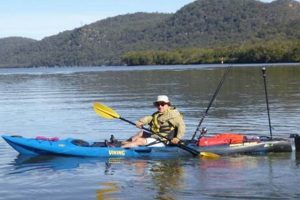
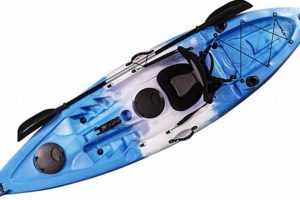
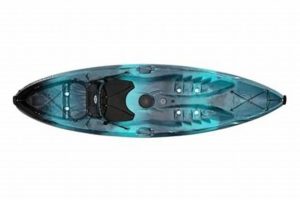
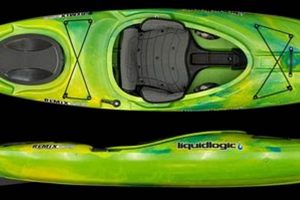
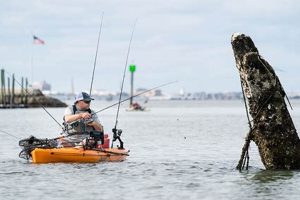
This specific model of watercraft is designed and manufactured by Jackson Kayak, a prominent company in the paddlesports industry. It represents a specialized vessel intended for angling, particularly fly fishing, in rivers and lakes. Its features typically include a compact and stable hull design for maneuverability in shallow water, along with specialized storage and rigging options tailored to the needs of fly anglers. These adaptations often include rod holders, tackle storage compartments, and anchor systems.
The combination of a stable platform, specialized equipment integration, and compact size allows anglers to access difficult-to-reach fishing spots while maintaining comfort and efficiency. This type of kayak contributes to enhanced fishing success by providing anglers with improved casting stability and streamlined access to equipment. Historically, the evolution of fishing kayaks reflects advancements in materials and design, leading to lighter, more durable, and feature-rich vessels that cater to specific angling styles like fly fishing.
The following sections delve into the specifics of design elements, performance characteristics, and essential accessories relevant to this type of specialized fishing kayak. Further discussion will also cover relevant topics such as choosing the right model, essential safety considerations, and techniques for effective utilization on the water.
Tips for Effective Kayak Fishing
Optimizing on-the-water experiences requires careful consideration of various factors, from pre-trip planning to essential techniques. The following tips offer guidance for enhancing fishing success and overall enjoyment.
Tip 1: Pre-Trip Planning: Thorough preparation is crucial. Research potential fishing locations, considering water conditions, access points, and species targeted. Check weather forecasts and pack appropriate clothing and safety gear.
Tip 2: Weight Distribution: Proper weight distribution within the kayak is essential for stability. Distribute gear evenly and avoid overloading. Secure all equipment to prevent shifting during movement.
Tip 3: Paddle Selection: Choose a paddle appropriate for body size and kayaking style. A properly sized paddle enhances efficiency and reduces fatigue. Consider a paddle leash to prevent loss.
Tip 4: Mastering Basic Strokes: Practice fundamental paddling techniques for efficient maneuvering. Learn forward, reverse, and sweep strokes for precise control and navigation.
Tip 5: Anchor Positioning: Effective anchor placement is vital for maintaining position in desired fishing areas. Consider water depth, current, and wind direction when deploying the anchor.
Tip 6: Stealth Techniques: Minimize noise and movement to avoid disturbing fish. Approach fishing spots quietly and use subtle casting techniques.
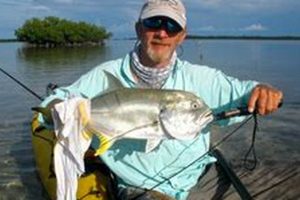
Tip 7: Catch and Release Practices: Handle fish with care and utilize proper catch-and-release techniques to ensure their survival. Minimize handling time and use appropriate tools.
Tip 8: Safety First: Prioritize safety by wearing a personal flotation device (PFD) and carrying essential safety equipment, including a whistle, signaling device, and first-aid kit.
By implementing these strategies, anglers can significantly enhance their fishing experience, maximizing both success and safety on the water.
The following section concludes with a summary of key takeaways and reinforces the importance of responsible kayaking practices for a rewarding experience.
1. Stability

Stability is a paramount characteristic in fishing kayaks, directly influencing angling success and overall safety. For the Jackson Mayfly, stability is a core design principle, ensuring a secure and balanced platform for casting, retrieving, and landing fish. This section explores the multifaceted aspects of stability as it relates to this specific kayak model.
- Hull Design:
The Mayfly’s hull design plays a crucial role in its stability. A wider, flatter hull provides primary stability, resisting initial tipping. Secondary stability, the ability to recover from greater angles of tilt, is influenced by the hull’s shape and chines (edges). The Mayfly’s design prioritizes both primary and secondary stability, creating a confident platform even in challenging conditions.
- Center of Gravity:
A lower center of gravity enhances stability. The Mayfly’s design, including the seating position and placement of storage compartments, contributes to a lower center of gravity, increasing resistance to tipping. Proper weight distribution within the kayak further optimizes stability.
- Water Conditions:
While the kayak’s design is fundamental, water conditions significantly influence stability. Calm lakes and slow-moving rivers present fewer challenges compared to rough waters or strong currents. Understanding how the Mayfly performs in varying conditions is essential for safe and effective angling.
- Angler Movement:
Angler movements, such as casting, retrieving, and landing fish, can compromise stability. The Mayfly’s stable platform allows for controlled movements, minimizing the risk of tipping. Practicing casting and other angling maneuvers within the kayak enhances comfort and confidence on the water.
The Jackson Mayfly’s focus on stability contributes significantly to its suitability for fishing applications. By integrating design elements that maximize stability, it provides anglers with a confident platform for pursuing their passion, even in demanding environments. This enhanced stability ultimately allows for a more focused and enjoyable fishing experience.
2. Maneuverability
Maneuverability represents a critical performance attribute for fishing kayaks, particularly in environments requiring precise navigation. The Jackson Mayfly fishing kayak addresses this need through a combination of design features, contributing to its effectiveness in various on-the-water scenarios. A shorter length typically enhances turning responsiveness, allowing for quick adjustments in direction. The hull design, often incorporating a rocker profile (upward curve from bow to stern), further contributes to agile handling and the ability to navigate shallow waters and tight spaces. This responsiveness allows anglers to access secluded fishing spots, maneuver around obstacles like submerged logs or rocks, and position the kayak effectively for casting and retrieving.
Consider a scenario where an angler encounters a narrow, winding creek. The Mayfly’s maneuverability allows for efficient navigation through these confined waterways, granting access to prime fishing locations often inaccessible to larger, less agile vessels. Similarly, in river environments with varying currents and obstacles, the kayak’s responsiveness enables the angler to maintain precise control, avoiding hazards and positioning effectively within the current for optimal fishing presentation. These real-life examples illustrate the practical significance of maneuverability in enhancing fishing success.
The interplay between hull design, length, and water conditions directly influences the Mayfly’s maneuvering capabilities. Understanding these factors empowers anglers to make informed decisions and maximize their on-the-water effectiveness. While maneuverability is essential, it often involves a trade-off with stability. The Mayfly’s design seeks to strike a balance between these two critical attributes, providing a platform that is both maneuverable and stable enough for a confident and enjoyable fishing experience. This balance is crucial for anglers seeking to navigate diverse water environments effectively while maintaining the stability necessary for successful angling.
3. Specialized Storage

Specialized storage solutions represent a critical distinguishing feature of the Jackson Mayfly fishing kayak, directly impacting angling efficiency and organization. Unlike recreational kayaks, the Mayfly incorporates purpose-built compartments and rigging systems designed to accommodate the specific needs of anglers. This integrated approach to storage considers factors such as tackle organization, rod placement, and accessibility of essential gear.
Consider the scenario of a fly angler navigating a river system. Multiple fly boxes, leaders, tippets, and other small accessories require readily accessible yet secure storage. The Mayfly’s specialized compartments, often designed with waterproof seals and strategically placed within easy reach, address this need. Rod holders, integrated into the kayak’s design, secure rods during transport and allow for quick deployment when encountering a promising fishing spot. These features minimize clutter and maximize efficiency, allowing anglers to focus on the task at hand rather than managing gear. Furthermore, dedicated storage for larger items like tackle bags or even a small cooler enhances overall organization and contributes to a streamlined on-the-water experience.
The strategic placement of storage compartments within the Mayfly reflects a thoughtful design process. By positioning frequently accessed items within easy reach, the kayak minimizes unnecessary movement and maintains stability. This ergonomic approach contributes not only to efficiency but also to safety, reducing the risk of tipping or losing balance while retrieving gear. The inclusion of specialized storage underscores the Mayfly’s purpose-built nature, catering specifically to the demands of fishing. Understanding the functionality and strategic placement of these storage solutions allows anglers to maximize their effectiveness and enjoy a more organized and productive fishing experience.
4. Lightweight Construction

Lightweight construction represents a significant advantage in kayak design, particularly for fishing applications where portability and maneuverability are essential. The Jackson Mayfly fishing kayak prioritizes lightweight construction through the utilization of advanced materials and manufacturing techniques. This focus on weight reduction enhances transportability, on-water performance, and overall user experience. The following facets explore the key components, benefits, and implications of lightweight construction in the context of the Mayfly kayak.
- Material Selection:
The choice of materials significantly influences a kayak’s weight. The Mayfly typically utilizes lightweight, durable plastics such as rotomolded polyethylene. This material offers a balance of strength, impact resistance, and weight savings compared to traditional fiberglass or composite constructions. The selection of specific plastic grades and densities further refines the balance between durability and weight.
- Manufacturing Techniques:
Advanced manufacturing processes contribute to weight optimization. Rotomolding, the process often used for Mayfly kayaks, allows for precise control over wall thickness and material distribution, minimizing excess weight while maintaining structural integrity. These techniques contribute to a lighter overall structure without compromising strength or durability.
- Portability and Transportation:
A lightweight kayak simplifies transport and handling. Loading and unloading from vehicles, carrying across portages, and maneuvering in shallow water are all facilitated by reduced weight. This ease of transport expands access to remote fishing locations and reduces physical strain on the user.
- On-Water Performance:
Lightweight construction translates to improved on-water performance. A lighter kayak accelerates and decelerates more readily, requires less effort to paddle, and responds more quickly to maneuvering inputs. This enhanced agility contributes to a more dynamic and enjoyable paddling experience, particularly in challenging conditions like currents or wind.
The benefits of lightweight construction in the Jackson Mayfly extend beyond mere convenience. It directly impacts the kayak’s performance characteristics, enhancing maneuverability, responsiveness, and overall efficiency on the water. By reducing the physical demands associated with paddling and transport, lightweight construction allows anglers to focus on the fishing experience itself. This combination of portability and performance makes the Mayfly a compelling option for anglers seeking a versatile and user-friendly fishing platform.
5. Comfort

Comfort plays a crucial role in the overall fishing experience, directly influencing angler endurance, focus, and enjoyment. The Jackson Mayfly fishing kayak addresses comfort through a series of design considerations, recognizing that extended periods on the water demand a supportive and ergonomic seating system. The seat design, often adjustable and featuring breathable fabrics, contributes significantly to angler comfort. Features like adjustable backrests, lumbar support, and breathable mesh materials minimize pressure points and promote proper posture, reducing fatigue and discomfort during long fishing trips. Furthermore, the kayak’s layout often incorporates ample legroom and strategically placed footrests, accommodating various body sizes and allowing for comfortable positioning throughout the day. This focus on comfort allows anglers to maintain focus on fishing, rather than contending with discomfort.
Consider a scenario where an angler spends several hours on the water pursuing their target species. A comfortable seating system, like the one often found in the Mayfly, becomes essential for maintaining focus and maximizing enjoyment. An uncomfortable seat can lead to distractions, back pain, and reduced fishing effectiveness. Conversely, a well-designed seat allows the angler to remain comfortable and alert, maximizing their chances of success and overall enjoyment. The practical implications of comfort extend beyond mere physical well-being. A comfortable angler is a more focused angler, better equipped to observe subtle fishing cues and react quickly to opportunities. This enhanced focus can significantly impact fishing success, particularly in demanding environments or when targeting elusive species.
The emphasis on comfort in the Jackson Mayfly’s design underscores its suitability for extended fishing trips. By addressing the ergonomic needs of anglers, the kayak promotes not only physical well-being but also mental focus and overall enjoyment. This understanding of the relationship between comfort and fishing success underscores the Mayfly’s thoughtful design philosophy, catering to the practical needs of anglers seeking a comfortable and productive on-the-water experience. Addressing comfort enhances the angler’s ability to fully engage with the fishing experience, free from distractions caused by discomfort, ultimately contributing to a more rewarding and successful outing.
Frequently Asked Questions
This section addresses common inquiries regarding the Jackson Mayfly fishing kayak, providing concise and informative responses to facilitate informed decision-making.
Question 1: What differentiates the Jackson Mayfly from other fishing kayaks on the market?
The Mayfly distinguishes itself through a combination of stability, maneuverability, specialized storage solutions, and a focus on angler comfort. Its design caters specifically to the needs of anglers, particularly those engaged in fly fishing, by providing a stable platform for casting, efficient storage for tackle and gear, and a comfortable seating system for extended outings.
Question 2: What weight capacity does the Mayfly typically offer?
Weight capacity varies depending on the specific Mayfly model and year. Consulting the manufacturer’s specifications for the particular model of interest is recommended. Generally, Mayfly kayaks offer sufficient capacity for an angler, gear, and potential catch.
Question 3: Is the Mayfly suitable for use in both rivers and lakes?
The Mayfly’s design makes it suitable for a variety of freshwater environments, including both rivers and lakes. Its stability and maneuverability contribute to its effectiveness in calm lakes, while its responsiveness and tracking capabilities allow for confident navigation in moving water.
Question 4: What materials are typically used in Mayfly construction?
Mayfly kayaks are typically constructed using rotomolded polyethylene, a durable and lightweight plastic material. This material provides a balance of impact resistance, UV protection, and weight savings, contributing to the kayak’s overall performance and longevity.
Question 5: What are the recommended maintenance procedures for the Mayfly?
Regular rinsing with fresh water after each use helps prevent the buildup of dirt, grime, and saltwater residue. Periodic inspection for damage and timely repairs contribute to the kayak’s long-term durability. Storing the kayak out of direct sunlight, when not in use, further protects the plastic from UV degradation.
Question 6: Are there any recommended accessories for enhancing the Mayfly fishing experience?
While the Mayfly comes equipped with core fishing features, several accessories can enhance its functionality. These include anchor systems, rod leashes, paddle leashes, and additional storage solutions. The choice of accessories depends on individual angler preferences and fishing styles.
Understanding these commonly addressed topics provides a foundation for informed decision-making regarding the suitability of the Jackson Mayfly for individual angling needs and preferences.
The subsequent section delves further into the Mayfly’s performance characteristics, offering a detailed analysis of its on-the-water capabilities.
Conclusion
This exploration of the Jackson Mayfly fishing kayak has highlighted its specialized design features catering to the angler’s needs. Its stability, maneuverability, specialized storage, lightweight construction, and comfort features combine to create a versatile platform for diverse fishing environments. From calm lakes to flowing rivers, the Mayfly’s adaptability allows anglers to access a wide range of fishing locations, while its integrated storage and stability enhance efficiency and focus on the water.
The Mayfly’s design represents a significant advancement in fishing kayak technology, offering anglers a specialized tool for pursuing their passion. As technology continues to evolve, further refinements in kayak design and functionality are anticipated, promising continued enhancement of the fishing experience. Careful consideration of individual needs and preferences, coupled with an understanding of the Mayfly’s capabilities, empowers anglers to make informed decisions in selecting the optimal vessel for their on-the-water pursuits.