This pursuit combines the quiet, personal experience of paddling a small, maneuverable vessel with the challenge and reward of angling in the diverse waterways surrounding Charleston, South Carolina. Imagine casting a line for redfish in a tranquil salt marsh or battling a feisty trout in the cool waters of a tidal creek, all while experiencing the unique Lowcountry ecosystem from a unique vantage point. This activity provides an intimate connection with nature and a thrilling way to experience the region’s abundant marine life.
The popularity of this watersport stems from its accessibility and the rich biodiversity of the area. Charleston’s intricate network of estuaries, rivers, and coastline offers ample opportunities for anglers of all skill levels. From beginners seeking calm waters to seasoned professionals targeting trophy fish, the area caters to a wide range of angling preferences. Historically, small boats have been used for fishing in the region, demonstrating a long-standing connection between the community and its waterways. The modern adaptation of this tradition allows for a more environmentally conscious approach, offering a low-impact way to enjoy the natural beauty and sporting opportunities of the area.
Exploring this topic further will cover key aspects such as choosing the right equipment, identifying prime fishing locations, understanding local regulations, and employing effective techniques for a successful and enjoyable outing. Additionally, safety considerations and the importance of responsible angling practices will be addressed.
Tips for Success
Careful planning and preparation are crucial for a safe and productive fishing excursion. These tips offer valuable insights for anglers of all levels.
Tip 1: Research Local Regulations. Understanding license requirements, catch limits, and permitted fishing areas is essential for responsible angling. Consulting the South Carolina Department of Natural Resources website provides comprehensive information.
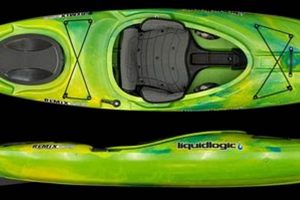
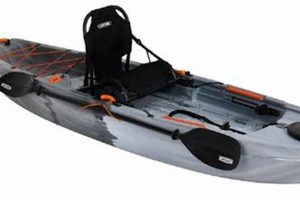
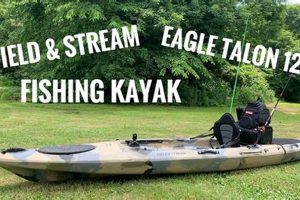
Tip 2: Choose the Right Kayak. Stability and maneuverability are key factors. Sit-on-top kayaks are generally preferred for their self-bailing capabilities and ease of re-entry after a water landing. Selecting a kayak designed for fishing offers features like rod holders and storage compartments.
Tip 3: Utilize a Tide Chart. Tidal currents significantly influence fish behavior and accessibility to certain areas. Planning a trip based on tidal movements maximizes fishing opportunities.
Tip 4: Pack Essential Gear. Safety equipment, including a personal flotation device (PFD), a whistle, and a first-aid kit are paramount. Essential fishing gear includes appropriate rods, reels, lines, lures, and bait, tailored to the target species.
Tip 5: Practice Kayak Control. Prior experience navigating and maneuvering a kayak is highly recommended. Comfort and control contribute to a safer and more enjoyable fishing experience.
Tip 6: Consider Guided Tours. Local guides offer valuable expertise on ideal fishing spots, effective techniques, and local regulations. Guided tours can enhance the experience, especially for those new to the area or to kayak fishing.
Tip 7: Respect Wildlife and the Environment. Practice catch-and-release whenever possible and adhere to Leave No Trace principles. Responsible angling preserves the natural beauty and resources of the area for future generations.
By following these tips, anglers can significantly enhance their chances of success, while contributing to a safer and more sustainable fishing environment. These preparations ensure an enjoyable and memorable experience on the water.
This knowledge provides a strong foundation for a rewarding fishing expedition. The next section will explore specific locations and techniques tailored to the unique characteristics of Charleston’s waterways.
1. Location Selection
Location selection plays a crucial role in successful kayak fishing within Charleston, SC. The diverse ecosystem surrounding Charleston offers a variety of fishing environments, each with unique characteristics that influence angling opportunities. Choosing the right location depends heavily on targeted species, angler experience, and desired fishing style. For example, anglers seeking redfish might target shallow-water flats in the salt marshes, while those pursuing trout might prefer the deeper channels of tidal creeks. Understanding these nuances significantly impacts fishing outcomes.
Several factors contribute to effective location selection. Water depth, tidal currents, structure, and accessibility all play a role. Shallow-water flats offer excellent sight-fishing opportunities for redfish and flounder during high tide, while deeper channels hold trout and other species during lower tides. Oyster beds, docks, and submerged vegetation attract baitfish and, consequently, the larger game fish that prey on them. Accessibility considerations include launch points, parking availability, and the potential for navigating shallow water or strong currents.
Successful location selection requires research and planning. Consulting local fishing reports, nautical charts, and tide charts provides valuable insights. Local knowledge from experienced anglers or fishing guides can prove invaluable, especially for newcomers to the area. Ultimately, strategic location selection increases the probability of encountering target species, enhances the overall fishing experience, and contributes to a more productive and enjoyable outing in Charleston’s rich waters. Careful consideration of these factors ensures anglers maximize their chances of success while enjoying the natural beauty of the Lowcountry.
2. Tidal Influence

Tidal influence exerts a profound impact on kayak fishing in Charleston, SC. The rise and fall of tides dictate water depth, current strength, and access to key fishing habitats. Understanding tidal patterns is crucial for successful angling in this dynamic environment. Cause and effect relationships between tidal stages and fish behavior are fundamental to strategic planning. For instance, rising tides flood shallow flats, creating prime feeding grounds for redfish and flounder. Conversely, falling tides concentrate fish in deeper channels and around structure, providing opportunities for anglers targeting trout or sheepshead. Ignoring tidal influence can lead to unproductive fishing trips, highlighting its importance as a core component of successful kayak fishing in the region. Real-life examples include the increased activity of tailing redfish in the flooded marsh grass during a flood tide, or the concentration of flounder near creek mouths during an ebb tide. These observations underscore the practical significance of understanding tidal influence.
Further analysis reveals that tidal currents, generated by the movement of water, play a critical role in fish behavior and feeding patterns. Strong currents can concentrate baitfish, attracting larger predatory species. Anglers can leverage this knowledge by positioning their kayaks strategically within the current to intercept feeding fish. Moreover, understanding tidal flow helps determine optimal lure presentation and retrieval techniques. For example, drifting a soft plastic lure with the current can mimic the movement of natural prey, enticing strikes from target species. Conversely, retrieving a lure against the current can trigger aggressive reaction strikes. These practical applications demonstrate the value of incorporating tidal knowledge into fishing strategies.
In summary, tidal influence is paramount for kayak fishing success in Charleston. Anglers must consider tidal stage, current direction, and speed when planning trips and selecting fishing locations. This knowledge allows anglers to predict fish behavior, optimize lure presentation, and ultimately increase their chances of a successful catch. Challenges can arise from rapidly changing tides and unpredictable currents, emphasizing the importance of constant awareness and adaptability on the water. Integrating this understanding with other essential elements, such as species-specific knowledge and kayak handling skills, contributes to a comprehensive and rewarding fishing experience in the Charleston estuary system.
3. Kayak Choice

Kayak selection significantly influences the overall experience of kayak fishing in Charleston, SC. The chosen vessel impacts maneuverability, stability, and access to diverse fishing locations. Appropriate kayak choice depends on individual angler needs, experience level, and target fishing environments. Careful consideration of these factors optimizes both safety and fishing success.
- Hull Design
Hull design directly affects kayak performance. A wider, flatter hull provides greater stability, beneficial for beginners or anglers fishing in calm waters. A longer, narrower hull offers increased speed and tracking, advantageous for covering larger distances or navigating currents. For example, a stable sit-on-top kayak suits shallow-water fishing in protected estuaries, while a longer, more streamlined sit-in kayak benefits anglers targeting offshore species. Understanding hull characteristics is crucial for matching kayak design to specific fishing conditions.
- Propulsion System
Kayak propulsion systems range from traditional paddles to pedal drives and even electric motors. Paddle propulsion offers simplicity and affordability, while pedal drives provide hands-free fishing and increased speed. Electric motors extend range and reduce physical exertion. Choosing the right propulsion depends on individual preferences, physical capabilities, and fishing style. A paddle kayak might suffice for short trips in calm waters, while a pedal-drive or motor-powered kayak enhances efficiency for covering greater distances or battling strong currents.
- Features and Accessories
Specialized features enhance kayak fishing experiences. Rod holders, storage compartments, anchor trolleys, and fish finders improve organization, efficiency, and angling success. Built-in rod holders keep fishing rods secure and readily accessible, while dry storage protects essential gear. An anchor trolley allows precise anchor positioning, and a fish finder helps locate fish concentrations. Choosing a kayak equipped with appropriate features streamlines the fishing process and contributes to a more productive and enjoyable outing.
- Weight Capacity
Weight capacity dictates the amount of gear and angler weight a kayak can safely support. Exceeding the weight limit compromises stability and increases the risk of capsizing. Anglers must consider the combined weight of their body, fishing gear, and potential catch when selecting a kayak. A kayak with ample weight capacity ensures stability and safety, especially when carrying heavier equipment or navigating challenging conditions.
By carefully considering these facets of kayak choice, anglers can select a vessel tailored to Charleston’s diverse fishing environments. Matching kayak characteristics to individual needs and target fishing locations ensures a safe, comfortable, and productive fishing experience. An informed kayak choice enhances enjoyment and success on the water, contributing to a more fulfilling overall angling experience within the unique ecosystem of Charleston, SC.
4. Target Species
Target species identification is paramount for successful kayak fishing in Charleston, SC. Understanding the habits, habitats, and preferred baits of various fish species informs strategic decisions regarding location selection, tackle choices, and fishing techniques. This knowledge maximizes angling opportunities and enhances the overall fishing experience within the diverse Charleston estuary system.
- Redfish (Sciaenops ocellatus)
Redfish, a popular inshore target, inhabit shallow grassy flats, oyster beds, and tidal creeks. Their copper-red coloration and distinctive black spot near the tail base make them easily identifiable. Anglers often target redfish using live bait such as shrimp or crabs, or artificial lures that mimic these prey items. Sight-fishing for tailing redfish in shallow water provides a thrilling angling experience.
- Spotted Seatrout (Cynoscion nebulosus)
Spotted seatrout, prized for their fighting ability and delicate flavor, frequent deeper channels, grassy flats, and areas around structure. Their distinctive spotted pattern and silver coloration provide camouflage in their preferred habitats. Effective lures for spotted seatrout include soft plastic jerkbaits, topwater plugs, and spoons. Understanding their feeding patterns, often influenced by tidal currents, increases angling success.
- Flounder (Paralichthys lethostigma)
Flounder, masters of camouflage, lie partially buried in the sandy or muddy bottoms of shallow flats and estuaries. Their flat, diamond-shaped bodies and upward-facing eyes allow them to ambush unsuspecting prey. Anglers target flounder using live bait like mud minnows or artificial lures that mimic their movements. Patience and keen observation are key to locating these well-camouflaged fish.
- Sheepshead (Archosargus probatocephalus)
Sheepshead, known for their distinctive black and white vertical stripes and powerful jaws, inhabit oyster beds, docks, and other structures. Their specialized teeth allow them to crush and consume shellfish and crustaceans. Anglers often use fiddler crabs or barnacles as bait to target sheepshead. Precise bait placement near structure is essential for success.
Targeting these and other species in the Charleston estuary system requires specific tackle and techniques adapted to each species’ preferences. Choosing appropriate rod and reel combinations, line weights, and lures or bait enhances fishing success. Moreover, understanding seasonal patterns and tidal influences further refines strategies. Ultimately, knowledge of target species behavior, habitat preferences, and effective fishing methods contributes significantly to a productive and rewarding kayak fishing experience in Charleston, SC.
5. Safety Procedures

Safety procedures are paramount for kayak fishing in Charleston, SC. The dynamic coastal environment presents inherent risks, including changing weather conditions, strong currents, and boat traffic. Neglecting safety precautions can lead to serious consequences, jeopardizing angler well-being. A comprehensive understanding of safety protocols and their practical application is essential for mitigating these risks and ensuring a secure fishing experience. Cause and effect relationships exist between adherence to safety procedures and positive outcomes. For example, consistently wearing a personal flotation device (PFD) directly reduces the risk of drowning in the event of a capsize. Similarly, carrying a communication device, such as a VHF radio or cell phone, enables anglers to call for assistance in emergencies. These actions demonstrate the practical significance of prioritizing safety procedures as an integral component of kayak fishing in Charleston.
Further analysis reveals the importance of monitoring weather forecasts before and during fishing trips. Sudden changes in weather, such as thunderstorms or strong winds, can create hazardous conditions on the water. Checking forecasts allows anglers to make informed decisions about whether to embark on or continue a trip, minimizing exposure to potentially dangerous situations. Carrying appropriate safety gear, including a first-aid kit, signaling devices, and a bilge pump, further enhances preparedness. Real-life examples emphasize the importance of these precautions. An angler caught in a sudden squall without a PFD faces significantly greater risk than one properly equipped. Similarly, an angler who sustains an injury far from shore benefits significantly from having a first-aid kit and a means of communication. These scenarios illustrate the practical application of safety procedures and their direct impact on angler well-being.
In summary, prioritizing safety procedures is non-negotiable for kayak fishing in Charleston. The coastal environment presents inherent risks that require careful consideration and proactive measures. Consistent adherence to safety protocols, including wearing a PFD, monitoring weather forecasts, carrying appropriate safety gear, and informing someone of trip plans, significantly reduces the likelihood of incidents. Challenges can arise from unpredictable weather patterns and changing tidal currents, reinforcing the need for continuous vigilance and adaptability. Integrating safety consciousness into every aspect of kayak fishing ensures a secure and enjoyable experience within the dynamic waters of Charleston, SC.
Frequently Asked Questions
This section addresses common inquiries regarding kayak fishing in Charleston, SC. Clear and concise answers provide valuable insights for planning a safe and successful fishing excursion.
Question 1: What are the licensing requirements for kayak fishing in Charleston?
A valid South Carolina fishing license is required for residents and non-residents. Specific license types and exemptions are detailed on the South Carolina Department of Natural Resources (SCDNR) website.
Question 2: Where are suitable kayak launch points in Charleston?
Numerous public boat ramps and designated kayak launch areas provide access to Charleston’s waterways. SCDNR resources and local maps offer detailed information on launch locations and parking availability.
Question 3: What essential safety equipment is recommended for kayak fishing?
Essential safety equipment includes a personal flotation device (PFD), a whistle, a first-aid kit, a communication device (VHF radio or cell phone), and navigation lights if fishing after dark. A bilge pump and paddle leash are also recommended.
Question 4: Are there guided kayak fishing tours available in Charleston?
Several reputable guide services offer guided kayak fishing tours in Charleston. Experienced guides provide valuable local knowledge, enhance fishing success, and promote safe angling practices.
Question 5: What are the primary target species for kayak anglers in Charleston?
Common target species include redfish, spotted seatrout, flounder, sheepshead, and black drum. Species-specific regulations and catch limits are outlined on the SCDNR website.
Question 6: What tidal conditions are best for kayak fishing in Charleston?
Optimal tidal conditions vary depending on target species and fishing location. Understanding tidal influence on fish behavior and accessibility to shallow-water habitats is crucial for successful angling. Consulting tide charts and local fishing reports provides valuable insights.
Understanding these key aspects contributes to a safe, informed, and successful kayak fishing experience. Thorough planning and preparation maximize enjoyment on the water.
The following section offers a concluding perspective on kayak fishing in Charleston, SC, highlighting its unique appeal and contribution to the local community.
Kayak Fishing in Charleston, SC
Kayak fishing in Charleston, SC, offers a unique blend of sporting challenge, natural beauty, and historical connection. This exploration has highlighted key elements contributing to a successful and enjoyable experience, encompassing location selection, tidal influence, kayak choice, target species identification, and essential safety procedures. Understanding these interconnected factors empowers anglers to maximize their chances of success while minimizing potential risks within the dynamic coastal environment. The discussion emphasized the importance of informed decision-making, responsible angling practices, and respect for the delicate ecosystem that sustains this rewarding pursuit. From the tranquil salt marshes to the bustling tidal creeks, Charleston’s waterways provide a rich tapestry of angling opportunities for those seeking an intimate connection with nature and the thrill of the catch.
The future of kayak fishing in Charleston rests on continued conservation efforts and responsible stewardship of its natural resources. Preserving the health and vitality of the coastal ecosystem ensures the long-term sustainability of this cherished pastime. Anglers play a crucial role in this endeavor by adhering to regulations, practicing catch-and-release whenever possible, and minimizing their impact on the environment. The allure of kayak fishing in Charleston lies not only in the pursuit of fish but also in the opportunity to experience the unique beauty and tranquility of the Lowcountry from a truly unique perspective. This mindful approach guarantees future generations the chance to discover the rewards of this exceptional angling experience.