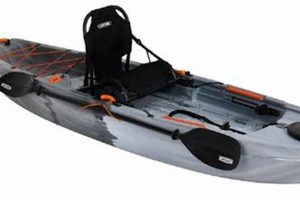
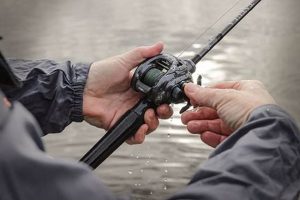
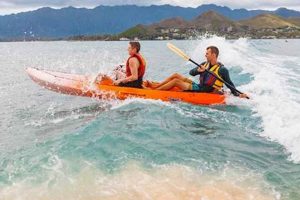
A kayak designed for angling in both still and moving waters, typically measuring approximately twelve feet, offers versatility for diverse fishing environments. This length balances stability and maneuverability, making it suitable for lakes, ponds, rivers, and streams. Such kayaks often feature specialized components like rod holders, storage compartments for tackle, and comfortable seating for extended fishing trips.
The combination of length, features, and intended use makes these kayaks a popular choice among anglers. A vessel of this size provides sufficient stability for casting and reeling while remaining agile enough to navigate tighter waterways and currents. The inclusion of fishing-specific amenities enhances the angling experience, allowing for efficient gear organization and comfortable hours on the water. This type of kayak plays a significant role in making fishing accessible and enjoyable in a variety of settings, contributing to the popularity of kayak fishing.
Further exploration will cover key aspects of selecting and utilizing this type of watercraft, including factors to consider when choosing a model, essential accessories, paddling techniques for different water conditions, and responsible fishing practices.
Tips for Utilizing a Fishing Kayak
Effective use of a fishing kayak maximizes enjoyment and angling success. These tips offer guidance for both novice and experienced kayak anglers.
Tip 1: Prioritize Stability and Maneuverability: Consider the target fishing environment. Calm lakes and ponds prioritize stability, while rivers and streams require enhanced maneuverability. Hull design plays a critical role; wider hulls offer greater stability, while narrower hulls excel in maneuverability.
Tip 2: Select Appropriate Paddles: Paddle length and blade shape influence paddling efficiency. Longer paddles generate more power, while shorter paddles are better suited for confined spaces. Blade shape affects stroke dynamics and water displacement.
Tip 3: Master Basic Paddling Strokes: Efficient paddling techniques conserve energy and improve boat control. Forward, reverse, and sweep strokes are fundamental for maneuvering in various water conditions.
Tip 4: Equip with Essential Safety Gear: A personal flotation device (PFD) is paramount. A whistle, signaling devices, and a first-aid kit are also crucial for safety preparedness. Navigation tools like a compass or GPS enhance situational awareness.
Tip 5: Organize Tackle and Gear Strategically: Efficient organization optimizes fishing time. Utilize tackle boxes, storage compartments, and gear tracks to keep essential items accessible and prevent clutter.
Tip 6: Understand Water Conditions and Regulations: Research current and weather forecasts before embarking. Adhere to local fishing regulations and licensing requirements. Respect wildlife and natural habitats.
Tip 7: Practice Kayak Control and Fishing Techniques: Develop proficiency in casting, reeling, and landing fish from a seated position. Practice maneuvering the kayak in different water conditions before venturing into challenging environments.
By implementing these guidelines, anglers can enhance their on-water experiences, ensuring safety, efficiency, and respect for the environment.
These preparatory steps facilitate a smooth transition into the practical application of kayak fishing, enabling anglers to focus on the sport itself.
1. Length and Maneuverability

The length of a fishing kayak significantly influences its maneuverability, a critical factor for navigating diverse water environments. For a 12-foot field and stream fishing kayak, this relationship between length and maneuverability becomes particularly relevant, impacting its suitability for various fishing locations.
- Navigating Tight Waterways:
Shorter kayaks generally offer enhanced maneuverability in tight spaces, such as narrow creeks, streams with obstacles, and densely vegetated areas. While a 12-foot kayak might not be as nimble as shorter models in extremely confined spaces, it typically provides a reasonable balance between maneuverability and tracking in moderately restricted waterways.
- Tracking Performance:
Longer kayaks tend to track straighter and maintain momentum more effectively than shorter ones, making them suitable for open water paddling on lakes and larger rivers. A 12-foot kayak offers decent tracking performance, reducing the need for constant corrective strokes and conserving energy during longer paddles.
- Turning Radius:
The turning radius of a kayak, the space required to complete a turn, is generally larger for longer kayaks. A 12-foot kayak will have a wider turning radius compared to shorter models, requiring more space and potentially multiple paddle strokes to execute turns. This factor becomes more critical in confined areas or when navigating around obstacles.
- Influence of Hull Design:
While length plays a primary role, hull design also contributes to maneuverability. A 12-foot kayak with a flatter hull may turn more easily than one with a more pronounced V-shaped hull. The hull’s design interacts with water resistance, influencing turning characteristics and overall maneuverability.
Understanding the interplay between length, hull design, and maneuverability is crucial for selecting a fishing kayak suited to specific fishing environments. A 12-foot field and stream kayak occupies a middle ground, offering a balance between tracking performance in open water and reasonable maneuverability in moderately confined spaces. Careful consideration of these factors ensures an optimal fishing experience, facilitating efficient navigation and access to desired fishing spots.
2. Stability and Hull Design

Stability is a paramount concern for anglers, particularly in fishing kayaks where balance and secure footing are essential for casting, reeling, and landing fish. Hull design plays a crucial role in determining a kayak’s stability characteristics, directly influencing its suitability for various fishing environments. Understanding this relationship between stability and hull design is fundamental for selecting a 12-foot field and stream fishing kayak appropriate for intended uses.
- Hull Shape:
Different hull shapes exhibit varying stability profiles. Wider, flatter hulls generally offer greater primary stability, meaning they feel more stable initially and resist tipping when at rest. This design is well-suited for calm waters like lakes and ponds. Conversely, narrower, V-shaped hulls provide less primary stability but offer greater secondary stability, meaning they become more stable when tilted or leaned. This characteristic is beneficial in rougher water conditions, such as rivers and streams, where the kayak is more likely to encounter waves or currents.
- Hull Width and Depth:
Wider hulls inherently provide more stability than narrower hulls due to the increased surface area in contact with the water. Hull depth also influences stability; deeper hulls tend to track better but may feel less stable, while shallower hulls sacrifice some tracking for enhanced maneuverability and initial stability.
- Chines:
Chines are the angled edges where the hull sides meet the bottom. Hard chines, sharp, distinct edges, enhance secondary stability and improve tracking, while soft chines, more rounded transitions, provide smoother turning and increased maneuverability. A 12-foot field and stream fishing kayak might incorporate a combination of hard and soft chines to balance stability and maneuverability for diverse water conditions.
- Center of Gravity:
A lower center of gravity contributes to increased stability. The placement of seating, storage compartments, and gear affects the kayak’s overall center of gravity. In a 12-foot field and stream fishing kayak, the design typically aims for a low center of gravity to enhance stability, particularly when an angler is seated and carrying fishing gear.
The interplay of these hull design elements significantly impacts the stability of a 12-foot field and stream fishing kayak. Selecting a kayak with a hull design suited to the intended fishing environment is critical for ensuring a safe and comfortable fishing experience. Anglers prioritizing stability in calm water might favor wider, flatter hulls, while those requiring maneuverability in moving water might opt for narrower hulls with defined chines, even at the expense of some initial stability. A thorough understanding of these design principles empowers informed decisions, leading to a kayak that optimizes stability and performance in the chosen fishing locations.
3. Fishing-Specific Features
Specialized features distinguish fishing kayaks from recreational models, enhancing angler efficiency and enjoyment. In the context of a 12-foot field and stream fishing kayak, these features become integral to its functionality, transforming it into a dedicated angling platform. The presence and design of these features directly impact an angler’s ability to effectively target fish in diverse environments.
Common fishing-specific features include:
- Rod Holders: Multiple rod holders, strategically placed for easy access and secure rod storage, are essential. Flush-mounted rod holders minimize interference while paddling, while adjustable rod holders accommodate different fishing techniques and rod lengths.
- Tackle Storage: Dedicated compartments, often waterproof, provide organized storage for tackle boxes, lures, and other fishing accessories. Easy-access storage compartments within reach of the angler minimize disruption during fishing.
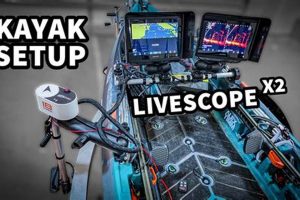
- Gear Tracks: These mounting systems allow for customization and attachment of accessories like fish finders, GPS units, camera mounts, and other specialized equipment. Gear tracks enhance versatility and adaptability to specific fishing styles.
- Anchor Trolley System: This system allows for controlled anchor deployment and retrieval, enabling precise positioning in current or wind. It facilitates maintaining a desired fishing location, crucial for specific techniques like drift fishing or targeting structure.
- Paddle Holders/Parks: Secure paddle storage frees the angler’s hands for fishing, preventing paddle drift and minimizing clutter on the deck. Paddle parks are designed for quick and easy paddle stowage and retrieval.
- Standing Platform/Elevated Seat: Some 12-foot field and stream fishing kayaks offer a standing platform or an elevated seat, providing improved visibility and casting leverage. This feature benefits sight fishing and enhances casting accuracy.
For example, incorporating rod holders, tackle storage, and an anchor trolley system transforms a standard kayak into a dedicated fishing platform, optimizing efficiency and enhancing the angling experience. The ability to quickly switch rods, access tackle, and maintain position significantly impacts fishing success. Conversely, the absence or poor design of these features can hinder performance, limiting an angler’s ability to adapt to changing conditions and effectively target fish.
Understanding the significance of fishing-specific features is crucial for selecting a 12-foot field and stream fishing kayak that aligns with individual angling needs and target environments. Careful consideration of these features empowers informed purchasing decisions, ultimately leading to a more productive and enjoyable fishing experience. The integration of these specialized components demonstrates a clear focus on angling functionality, differentiating these kayaks from recreational models and highlighting their purpose-built design for enhanced fishing performance.
4. Target Environment Suitability
Target environment suitability is a critical factor influencing the effectiveness and enjoyment of kayak fishing. A 12-foot field and stream fishing kayak, with its inherent design characteristics, exhibits varying degrees of suitability across diverse aquatic environments. Understanding this relationship between kayak design and environmental factors is crucial for maximizing fishing success and ensuring a safe and comfortable experience.
- Lakes and Ponds:
Calm, open water environments like lakes and ponds prioritize stability over maneuverability. A 12-foot kayak generally offers adequate stability for these conditions, allowing anglers to comfortably cast, reel, and land fish. The moderate length provides a balance between stability and the ability to cover larger distances when searching for fishing spots. Wind and chop can influence stability requirements, potentially making wider, more stable hulls preferable in exposed lake environments.
- Rivers and Streams:
Moving water environments introduce factors like current, obstacles, and narrower passages, demanding maneuverability. While a 12-foot kayak might not be as agile as shorter models in extremely tight creeks, it often provides sufficient maneuverability for navigating moderate river currents and obstacles. Tracking performance becomes crucial in rivers, as maintaining course against the current requires efficient paddling. The length of a 12-foot kayak can offer an advantage in tracking, reducing the need for constant corrective strokes.
- Coastal Waters and Estuaries:
Coastal environments present unique challenges, including tides, currents, wind, and potentially larger waves. A 12-foot kayak might be suitable for sheltered coastal areas and estuaries, provided conditions remain relatively calm. However, its length and design might not be optimal for exposed coastlines with significant wave action or strong currents. Stability and tracking become paramount in these conditions, and specialized coastal kayaks often incorporate features like rudders or skegs for enhanced control.
- Protected Bays and Flats:
Shallow, protected bays and flats often offer excellent fishing opportunities, requiring a kayak that can navigate shallow water and maneuver in tight spaces. A 12-foot kayak’s draft (the depth of the hull below the waterline) becomes relevant in these environments. Shorter kayaks with shallower drafts are generally better suited for extremely shallow water, while a 12-foot kayak might be suitable for moderately shallow areas. Maneuverability for navigating channels and reaching secluded fishing spots within these environments also influences kayak selection.
Matching the kayak to the intended fishing environment optimizes performance and enhances the angling experience. A 12-foot field and stream fishing kayak, with its balance of stability and maneuverability, effectively addresses the needs of diverse environments, from calm lakes to moderately flowing rivers. Careful consideration of these factors ensures a suitable choice, maximizing both fishing success and on-water safety and enjoyment.
5. Weight Capacity and Portability

Weight capacity and portability are critical factors influencing the practical usability of a 12-foot field and stream fishing kayak. Weight capacity dictates the maximum combined weight of the angler, gear, and any additional cargo the kayak can safely support. Portability encompasses the ease with which the kayak can be transported and launched, impacting accessibility to various fishing locations. These two factors are intrinsically linked, impacting both on-water performance and logistical considerations.
A kayak’s weight capacity directly influences stability and safety. Exceeding the specified weight limit can compromise stability, increasing the risk of capsizing. It also affects the kayak’s performance, reducing freeboard (the distance between the waterline and the deck) and potentially impacting paddling efficiency. A 12-foot kayak typically offers a reasonable weight capacity, accommodating most anglers and their fishing gear. However, anglers carrying heavier equipment or planning extended trips with camping gear must carefully consider weight capacity limitations. For instance, an angler intending to carry a large tackle box, a cooler, and camping gear might require a kayak with a higher weight capacity than an angler carrying only a small tackle bag and a few rods.
Portability considerations encompass several aspects, including kayak weight, hull design, and available transportation methods. A 12-foot kayak’s length and weight influence its portability. While longer kayaks offer advantages in tracking and storage capacity, they can be more challenging to transport and maneuver on land. Heavier kayaks require greater physical exertion during loading, unloading, and carrying. Hull design also plays a role; kayaks with pronounced keels or complex hull shapes can be more awkward to handle than those with smoother, simpler designs. Transportation methods range from roof racks on vehicles to specialized kayak trailers. Anglers without vehicle transport might opt for lighter, more compact kayaks that can be carried short distances or transported using hand carts. Practical considerations, such as access to launch sites and the distance from parking areas to the water’s edge, also influence portability requirements.
Balancing weight capacity and portability is crucial for optimizing the overall kayak fishing experience. Selecting a kayak with adequate weight capacity ensures safe and efficient on-water performance, while considering portability factors facilitates access to desired fishing locations. Challenges arise when maximizing one factor compromises the other. For example, increasing weight capacity often involves larger, heavier kayaks, potentially hindering portability. Successfully navigating these trade-offs requires careful assessment of individual needs and priorities, considering factors such as target fishing environments, gear requirements, and available transportation methods. Understanding the interplay of these elements empowers informed decision-making, ultimately leading to a kayak that balances performance, safety, and logistical practicality.
6. Material and Durability

Material selection significantly influences the durability and longevity of a 12-foot field and stream fishing kayak. These kayaks endure diverse environmental conditions, from rocky riverbeds to submerged obstacles, necessitating robust construction. Understanding material properties and their impact on durability is crucial for informed purchasing decisions, ensuring the kayak withstands the rigors of field and stream environments.
- Polyethylene (PE):
High-density polyethylene (HDPE) is a common material due to its durability, impact resistance, and affordability. HDPE kayaks withstand impacts and abrasion well, making them suitable for rocky rivers and streams. Rotational molding, a common manufacturing process for HDPE kayaks, creates a seamless, one-piece hull, enhancing durability. However, HDPE is heavier than other materials and susceptible to UV degradation over time.
- Thermoformed Plastic:
Thermoformed plastics, often ABS or polycarbonate blends, offer higher impact resistance and stiffness compared to HDPE. These kayaks tend to be lighter and more rigid, providing enhanced performance. Thermoforming allows for precise shaping and integration of features, but the multi-layered construction can be susceptible to delamination if subjected to extreme impacts or prolonged UV exposure.
- Composite Materials (Fiberglass, Carbon Fiber, Kevlar):
Composite kayaks offer superior strength, stiffness, and light weight compared to plastic kayaks. Fiberglass, carbon fiber, and Kevlar composites provide excellent performance and durability, but come at a higher price point. These materials are less resistant to impacts and abrasion than plastics, requiring more careful handling and maintenance. Composite kayaks excel in performance-oriented applications where weight and stiffness are paramount.
- Inflatable Kayaks:
While less common for dedicated fishing applications, inflatable kayaks offer portability and ease of storage. Durable PVC or Hypalon materials contribute to their puncture resistance and longevity. Inflatable kayaks are suitable for calm water environments but are generally less durable than hard-shell kayaks, making them less ideal for navigating rocky rivers or encountering submerged obstacles.
Material selection represents a critical trade-off between durability, performance, and cost. A 12-foot field and stream fishing kayak constructed from HDPE provides a robust and affordable option suitable for demanding environments. Thermoformed plastics offer enhanced performance and lighter weight, while composite materials excel in performance-oriented applications. Inflatable options prioritize portability but compromise durability in challenging conditions. Understanding these material characteristics empowers informed decisions, aligning kayak selection with individual needs and intended usage scenarios. Material durability directly impacts the kayak’s lifespan and its ability to withstand the rigors of field and stream fishing, making informed material selection essential for long-term satisfaction and on-water safety.
Frequently Asked Questions
This section addresses common inquiries regarding kayaks designed for fishing in both rivers and lakes, typically measuring approximately twelve feet.
Question 1: What are the key advantages of this kayak length for fishing?
This length balances stability for casting and reeling with maneuverability for navigating varied water conditions, making it suitable for both still and moving waters.
Question 2: What hull design is best suited for a combination of river and lake fishing?
A modified V-hull or a shallow arch hull typically provides a good compromise between stability in calm water and maneuverability in currents.
Question 3: What weight capacity should one consider for such a kayak?
Weight capacity depends on angler weight, gear, and potential additional cargo. A capacity of 300-400 lbs often suffices for a single angler with typical fishing equipment.
Question 4: What essential features should anglers look for in a kayak designed for both rivers and lakes?
Essential features include rod holders, tackle storage, an anchor trolley system, adjustable seating, and sufficient storage for essential gear.
Question 5: How does one transport a twelve-foot kayak?
Transportation options include roof racks, trailers, and truck beds. Securing the kayak with appropriate tie-down straps is essential for safe transport.
Question 6: What safety precautions are crucial for kayak fishing in rivers and lakes?
Wearing a personal flotation device (PFD), carrying a whistle and signaling devices, checking weather conditions, and informing someone of fishing plans are crucial safety measures.
Addressing these common questions provides a foundation for informed decision-making regarding selection and utilization. Careful consideration of these aspects ensures an optimal and safe fishing experience.
The next section delves into specific kayak models and manufacturers, offering comparative analyses and recommendations to further guide selection.
Conclusion
Exploration of the 12-foot field and stream fishing kayak reveals its suitability for diverse angling environments. Balancing stability and maneuverability, this kayak type accommodates both calm lakes and moderate rivers. Key features like rod holders, tackle storage, and anchor trolley systems enhance angling efficiency. Careful consideration of hull design, weight capacity, and material durability ensures appropriate selection for individual needs and target environments. Understanding these elements empowers informed decisions, optimizing on-water performance and safety.
The 12-foot field and stream fishing kayak represents a versatile platform for anglers seeking to explore diverse waterways. Its adaptability underscores the evolution of kayak fishing, providing access to previously challenging locations. Continued exploration of kayak design and angling techniques promises further enhancement of this evolving sport, fostering deeper connections with aquatic environments.