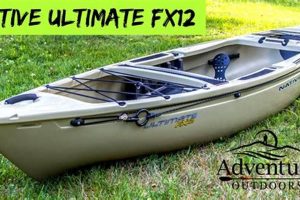
A facilitator of angling excursions from small, human-powered vessels in the waters surrounding Oahu offers expertise on local fishing regulations, techniques, and ideal locations. Such services often include equipment rental, safety instruction, and guided tours to prime fishing spots, maximizing the chances of a successful catch while minimizing the logistical challenges for participants.
Engaging such expertise provides several advantages. Local knowledge of fish behavior, optimal tides, and productive areas significantly increases the likelihood of a rewarding experience. Additionally, professionals ensure adherence to local regulations and promote ethical fishing practices. Historically, fishing in the Hawaiian islands has deep cultural roots, and using these services offers a respectful and sustainable approach to this tradition within a modern recreational context.
The subsequent sections will delve into the various aspects of planning a successful Oahu fishing adventure, covering topics such as target species, recommended equipment, seasonal considerations, and conservation efforts.
Tips for Kayak Fishing Around Oahu
Successful kayak fishing expeditions require careful planning and preparation. These tips offer valuable insights to enhance angling experiences in Oahu’s waters.
Tip 1: Understand Local Regulations. Familiarization with current fishing regulations, including licensing requirements, size and bag limits, and permitted fishing areas, ensures legal compliance and contributes to sustainable fishing practices.
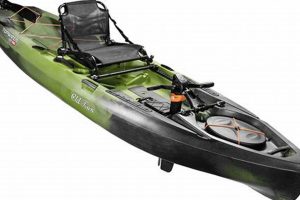
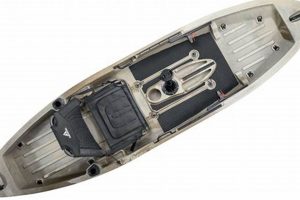
Tip 2: Choose the Right Kayak. Selecting a kayak designed for stability and fishing, equipped with features like rod holders and storage compartments, enhances angler comfort and efficiency.
Tip 3: Prioritize Safety. Wearing a personal flotation device, carrying a communication device, and informing someone of the planned fishing route are essential safety precautions. Checking weather forecasts before departure is also crucial.
Tip 4: Utilize Appropriate Gear. Selecting fishing tackle appropriate for target species and local conditions increases the chances of a successful catch. Consulting local tackle shops can provide valuable guidance.
Tip 5: Learn Basic Kayak Handling Skills. Practicing paddling and maneuvering techniques in calm waters before venturing into open ocean improves control and safety during the fishing trip.
Tip 6: Respect the Environment. Practicing catch-and-release whenever possible, properly disposing of fishing line and other waste, and minimizing disturbance to marine life preserves Oahu’s delicate ecosystem.
Tip 7: Engage Local Expertise. Consider hiring a local guide for personalized advice on optimal fishing spots, techniques, and local regulations. This can significantly improve the likelihood of a successful and enjoyable experience.
By adhering to these guidelines, anglers can maximize their enjoyment while promoting responsible fishing practices in Oahu’s unique marine environment.
These practical strategies pave the way for rewarding experiences on the water, contributing to a deeper appreciation of Oahu’s natural beauty.
1. Local Expertise

Local expertise forms the cornerstone of a successful Oahu kayak fishing experience. Intimate knowledge of the island’s diverse marine ecosystems, seasonal fish migrations, optimal fishing locations, and prevailing weather patterns distinguishes experienced guides. This nuanced understanding allows for efficient navigation to productive fishing grounds, increasing the likelihood of encountering target species. For example, a guide’s familiarity with the migratory patterns of Yellowfin Tuna off the North Shore during specific months allows clients to capitalize on peak fishing opportunities. Furthermore, local expertise extends beyond fish behavior to encompass an understanding of ocean currents, tides, and potential hazards, ensuring angler safety and a more productive outing. An experienced guide might anticipate shifting winds and adjust the fishing location accordingly, preventing clients from encountering challenging conditions.
Practical applications of local expertise manifest in various ways. Guides often possess specialized knowledge of effective fishing techniques, including lure selection, rigging methods, and optimal retrieval speeds, tailored to Oahu’s specific conditions and target species. This knowledge translates directly to increased catch rates and a more rewarding angling experience. Moreover, local guides contribute to sustainable fishing practices by promoting adherence to local regulations, emphasizing catch-and-release principles, and educating clients about minimizing environmental impact. For instance, a guide might instruct clients on proper handling techniques for releasing bonefish to minimize stress on the fish and maximize its chances of survival.
In summary, local expertise represents an invaluable asset for kayak anglers in Oahu. It maximizes fishing success, enhances safety, and promotes environmental stewardship. Choosing a guide with proven local knowledge ensures a richer, more productive, and responsible fishing adventure, contributing to the long-term health of Oahu’s marine ecosystems.
2. Safety Procedures

Safety procedures are integral to professionally guided kayak fishing excursions around Oahu. The inherent risks associated with open-water activities necessitate a comprehensive approach to risk mitigation. Experienced guides prioritize client safety through a combination of preventative measures, emergency preparedness, and continuous risk assessment. A direct correlation exists between guide experience and the implementation of robust safety protocols. For example, a seasoned guide conducts pre-trip briefings covering essential safety equipment, including personal flotation devices, communication devices, and signaling flares. Demonstrating proper usage and emphasizing the importance of these tools minimizes potential hazards. Furthermore, experienced guides assess weather conditions prior to departure and adapt itineraries based on real-time observations, avoiding potentially hazardous situations. Choosing a departure point sheltered from prevailing winds or postponing a trip due to approaching inclement weather exemplifies this proactive approach. The connection between a guide’s adherence to safety procedures and client well-being cannot be overstated.
Practical applications of safety procedures extend beyond pre-trip preparations. On-water guidance includes continuous observation of ocean conditions, identification of potential hazards such as reefs or strong currents, and instruction on proper kayaking techniques to maintain stability. A guide might demonstrate proper paddling strokes to navigate challenging currents or instruct clients on safe entry and exit procedures in varying surf conditions. Moreover, experienced guides possess first-aid and CPR certifications, equipping them to respond effectively to medical emergencies. The presence of a trained professional offers immediate assistance in the event of an injury or unforeseen incident, potentially mitigating serious consequences. Investing in comprehensive safety training and equipment demonstrates a commitment to client well-being, building trust and enhancing the overall experience.
In conclusion, prioritizing safety procedures is paramount for responsible kayak fishing guidance in Oahu. A proactive approach to risk management, combined with practical on-water guidance and emergency preparedness, distinguishes experienced professionals. Choosing a guide with a demonstrable commitment to safety ensures a secure and enjoyable experience, allowing clients to focus on the thrill of angling while minimizing potential risks in Oahu’s dynamic marine environment.
3. Equipment Selection

Appropriate equipment selection is fundamental to successful kayak fishing excursions around Oahu. A knowledgeable guide plays a crucial role in this process, leveraging expertise to ensure clients utilize gear optimized for target species, local conditions, and individual angler experience levels. This informed approach maximizes fishing success while enhancing safety and enjoyment. The selection process often involves considering factors such as rod length and action, reel type and line capacity, lure selection, and appropriate terminal tackle. For example, targeting pelagic species like Mahi-Mahi requires heavier tackle and larger lures compared to bottom fishing for Snapper. A guide’s understanding of these nuances ensures clients employ the right tools for the job. Furthermore, guides often provide specialized equipment like fish finders, GPS units, and VHF radios, enhancing situational awareness and safety. Providing clients with appropriate-sized personal flotation devices and paddling accessories contributes to comfort and reduces fatigue. The direct link between proper equipment selection and a positive angling experience underscores the importance of this aspect within guided excursions.
Practical applications of this expertise are readily apparent. A guide might recommend braided fishing line for its strength and abrasion resistance when fishing near reefs, or suggest lighter fluorocarbon leader material for its low visibility when targeting wary fish in clear water. Matching rod and reel combinations to specific techniques, such as trolling, jigging, or bottom fishing, optimizes performance and increases the chances of a successful hookup. Guides also educate clients on the proper use and maintenance of equipment, promoting responsible angling practices. Demonstrating proper knot-tying techniques or explaining the function of a drag system empowers clients and extends the lifespan of their gear. These practical considerations enhance the overall experience and contribute to a greater appreciation of the intricacies of angling.
In summary, equipment selection, facilitated by a knowledgeable guide, represents a critical component of successful kayak fishing in Oahu. Matching gear to target species, local conditions, and individual skill levels maximizes fishing effectiveness, enhances safety, and contributes to a more rewarding experience. This informed approach empowers clients with the right tools and knowledge, fostering a deeper understanding and appreciation of the sport while promoting responsible angling practices within Oahu’s unique marine environment.
4. Target Species Knowledge
Comprehensive target species knowledge is integral to the expertise offered by an Oahu kayak fishing guide. Understanding the nuances of local fish behavior, habitat preferences, and feeding patterns directly influences the effectiveness of guided excursions. This knowledge base encompasses various factors, including seasonal migratory patterns, preferred bait or lures, optimal fishing depths, and appropriate tackle selection. Such expertise translates directly into increased catch rates and a more rewarding angling experience for clients. For example, recognizing that Bonefish frequent shallow flats during high tide allows a guide to position clients strategically for optimal presentation. Similarly, understanding that Papio (juvenile Trevally) are attracted to small, rapidly moving lures informs lure selection and retrieval techniques. This targeted approach maximizes efficiency and reduces wasted time searching unproductive areas.
Practical applications of target species knowledge manifest in various ways. Guides leverage this understanding to select appropriate fishing locations based on the desired target species. They might choose a specific reef known for its abundance of Omilu (Bluefin Trevally) or position clients near a drop-off where larger pelagic species like Kahala (Amberjack) are likely to patrol. Furthermore, guides tailor bait and lure selection to the target species, increasing the likelihood of attracting bites. Using live bait like shrimp for smaller reef fish or employing large, brightly colored lures to entice predatory species demonstrates this targeted approach. This knowledge base also extends to understanding the legal regulations surrounding specific species, including size limits, bag limits, and any seasonal closures. Ensuring clients adhere to these regulations promotes responsible fishing practices and contributes to the long-term sustainability of Oahu’s marine ecosystems.
In conclusion, target species knowledge represents a critical component of a skilled Oahu kayak fishing guide’s expertise. This specialized understanding directly influences fishing success, optimizes time on the water, and promotes responsible angling practices. Choosing a guide with demonstrable knowledge of local fish species ensures a more enriching and productive experience, allowing clients to engage with Oahu’s diverse marine environment effectively and sustainably. This expertise maximizes the chances of landing prized catches while contributing to the long-term health of local fish populations.
5. Sustainable Practices
Sustainable practices are inextricably linked to the role of an Oahu kayak fishing guide. Guides committed to environmental stewardship act as custodians of the marine ecosystem, integrating conservation principles into every aspect of their operation. This commitment manifests in various forms, directly influencing client behavior and minimizing the impact of fishing activities on the delicate balance of Oahu’s coastal waters. A core tenet of this approach involves promoting catch-and-release fishing whenever possible. Educating clients on proper handling techniques for minimizing stress on released fish, such as supporting the fish horizontally in the water until it recovers, contributes directly to species preservation. Furthermore, emphasizing the use of barbless hooks reduces injury and increases the likelihood of successful release. These practices safeguard fish populations and maintain healthy biodiversity within the local ecosystem. For example, promoting catch-and-release for juvenile Papio allows these fish to mature and contribute to future breeding cycles, ensuring the long-term health of the species.
Beyond catch-and-release, sustainable practices encompass responsible waste management and minimizing disturbance to marine habitats. Guides committed to these principles actively collect and dispose of fishing line and other debris encountered during excursions. They educate clients on the detrimental effects of discarded fishing gear on marine life, emphasizing proper disposal methods. This active approach to waste management prevents entanglement, ingestion, and habitat degradation caused by discarded plastics and fishing debris. Furthermore, responsible guides prioritize minimizing disturbance to sensitive habitats like coral reefs and seagrass beds. Choosing anchoring locations carefully, avoiding contact with coral formations, and educating clients on the ecological importance of these habitats are integral components of this approach. For instance, avoiding anchoring near coral reefs minimizes physical damage caused by anchors dragging along the reef structure. These practices preserve the integrity of vital habitats and contribute to the overall health and resilience of the marine environment.
In conclusion, sustainable practices constitute an essential element of responsible Oahu kayak fishing guidance. Guides who prioritize conservation actively educate clients, model responsible behavior, and minimize the environmental impact of fishing activities. This commitment to sustainability ensures the long-term health of Oahu’s coastal ecosystems, preserving its rich biodiversity for future generations. Integrating these practices into every facet of guided excursions benefits both the environment and the angling community, fostering a deeper appreciation for the interconnectedness of human activities and the natural world. The future of kayak fishing in Oahu relies on the continued adoption and promotion of these principles, ensuring the sustainability of this cherished recreational pursuit.
6. Location Scouting
Effective location scouting is a defining characteristic of a skilled Oahu kayak fishing guide. The ability to identify productive fishing grounds based on target species, prevailing conditions, and seasonal factors directly influences the success of guided excursions. This expertise draws upon a deep understanding of local bathymetry, current patterns, tidal influences, and fish behavior. Guides proficient in location scouting leverage this knowledge to position clients strategically, maximizing opportunities for encounters with desired species. For example, a guide targeting Ulua (Giant Trevally) might select a location near a channel or reef drop-off where these predatory fish are known to ambush prey. Conversely, targeting smaller reef fish like Nenue (Chub) might involve scouting shallow, protected bays with abundant coral structures. This targeted approach optimizes fishing time and enhances the overall client experience.
The practical application of location scouting extends beyond simply identifying promising fishing spots. Experienced guides consider factors like wind direction, current speed, and water clarity when selecting locations. Positioning clients up-current of a structure allows bait or lures to drift naturally through the target zone, increasing the likelihood of attracting fish. Similarly, choosing locations with adequate water clarity improves visibility, allowing clients to observe fish behavior and react accordingly. Guides also consider accessibility and safety when scouting locations, ensuring client comfort and minimizing potential risks. Avoiding areas with strong currents, shallow reefs, or heavy boat traffic demonstrates a proactive approach to risk management. These practical considerations enhance both the productivity and safety of guided excursions.
In summary, location scouting represents a critical skill set for Oahu kayak fishing guides. Proficiency in identifying productive fishing grounds based on a comprehensive understanding of local conditions and target species directly influences client success. This expertise, coupled with practical considerations for safety and accessibility, distinguishes skilled guides and contributes significantly to a rewarding and memorable angling experience. Choosing a guide with demonstrable location scouting skills ensures clients are positioned strategically to maximize their chances of encountering Oahu’s diverse and sought-after fish species. This strategic approach optimizes time on the water and enhances the overall value of a guided fishing adventure.
Frequently Asked Questions
This section addresses common inquiries regarding guided kayak fishing excursions in Oahu.
Question 1: What level of fishing experience is required for participation?
Guided kayak fishing trips cater to a wide range of experience levels, from novice anglers to seasoned professionals. Guides provide instruction and support as needed, ensuring all participants have a safe and enjoyable experience.
Question 2: What is typically included in the cost of a guided trip?
Guided trip costs generally include kayak rental, fishing equipment, safety gear, and the guide’s expertise. Some excursions may also include transportation to and from launch sites, bait and tackle, and refreshments. Specific inclusions should be confirmed with the chosen provider.
Question 3: Are there specific physical requirements for kayak fishing?
While kayak fishing requires a moderate level of physical fitness, specific requirements vary based on trip duration and conditions. Participants should be comfortable paddling and maneuvering a kayak for extended periods. Consulting with the guide beforehand about specific physical demands is recommended.
Question 4: What are the typical weather conditions during Oahu fishing excursions?
Oahu generally enjoys favorable weather conditions for kayak fishing year-round. However, conditions can vary, and it is essential to check weather forecasts prior to departure. Guides prioritize safety and adapt itineraries as needed based on prevailing conditions.
Question 5: What types of fish can one expect to catch on a guided trip?
Oahu’s diverse marine ecosystem supports a variety of fish species. Common targets include Papio (juvenile Trevally), Bonefish, Omilu (Bluefin Trevally), and various reef fish. Specific target species may vary based on season, location, and angler preference.
Question 6: What conservation measures are employed during guided excursions?
Responsible guides prioritize sustainable fishing practices. These often include promoting catch-and-release fishing, using barbless hooks, properly disposing of fishing line and other waste, and minimizing disturbance to marine habitats. These measures contribute to the long-term health of Oahu’s marine ecosystem.
Addressing these common questions provides clarity and facilitates informed decision-making for prospective participants. Open communication with chosen guides ensures expectations are aligned, enhancing the overall experience.
Further exploration of specific aspects of Oahu kayak fishing follows in the subsequent sections.
Conclusion
Facilitated kayak angling excursions around Oahu offer a unique blend of recreational enjoyment and engagement with the natural world. Key elements highlighted include the importance of local expertise in maximizing fishing success and promoting sustainable practices, the critical role of safety procedures in mitigating risks inherent to open-water activities, and the significance of appropriate equipment selection for optimizing angling effectiveness. Furthermore, a comprehensive understanding of target species and their behavior patterns, combined with strategic location scouting, distinguishes experienced guides and contributes significantly to a rewarding angling experience.
The future of this specialized pursuit relies on a continued commitment to responsible angling practices, ensuring the preservation of Oahu’s rich marine biodiversity for generations to come. Choosing informed, experienced, and ethically-minded providers of such services contributes directly to the sustainability of this unique recreational opportunity within Oahu’s vibrant coastal ecosystem.