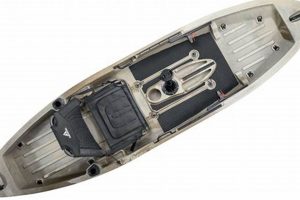
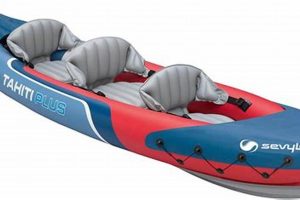
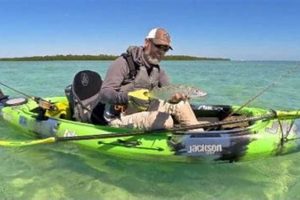
Angling from specialized, sit-on-top vessels offers a unique blend of stability, maneuverability, and access to shallow waters. These watercraft are often equipped with features such as rod holders, tackle storage, and comfortable seating designed specifically for this activity. Consider, for instance, an angler navigating a secluded cove, effortlessly casting a line towards promising structures beneath the surface.
This approach provides numerous advantages. The elevated vantage point improves visibility, enabling anglers to spot fish and feeding patterns more effectively. Stability allows for casting and reeling with greater precision. Furthermore, the ability to navigate shallow areas expands access to habitats teeming with a variety of fish species, including bass, trout, and redfish. The history of angling from small boats spans centuries, evolving from simple canoes and rafts to the sophisticated designs of modern purpose-built watercraft.
This discussion will further explore the various aspects of this specialized activity, including selecting appropriate gear, popular techniques, and choosing ideal locations. Specific topics to be covered include the selection of rods, reels, and lures, as well as essential safety precautions and responsible fishing practices.
Tips for Kayak Fishing
Successful angling from a kayak requires careful planning and execution. The following tips offer guidance for a safe and productive experience.
Tip 1: Stability is Paramount: Prioritize stability when selecting a watercraft. Wider hulls offer greater stability, especially for beginners. Consider testing various models before making a purchase.
Tip 2: Plan and Prepare: Research potential fishing locations, including water conditions and species present. Check weather forecasts and inform someone of the intended fishing plan.
Tip 3: Essential Safety Gear: Always wear a personal flotation device. Carry a whistle, signaling device, and a first-aid kit. A waterproof bag or container is essential for protecting electronics and other valuables.
Tip 4: Mastering Paddle Techniques: Efficient paddling conserves energy and minimizes disturbance in the water. Practice various paddle strokes to enhance maneuverability and control.
Tip 5: Effective Gear Selection: Choose rods, reels, and lures appropriate for the target species and fishing environment. Consider downsizing gear to accommodate the limited space on a kayak.
Tip 6: Respectful Angling Practices: Adhere to all local fishing regulations and practice catch-and-release whenever possible. Minimize environmental impact by properly disposing of fishing line and other waste.
Tip 7: Mindful Anchor Deployment: Utilize appropriate anchoring techniques to maintain position in desired locations. Be aware of potential hazards and avoid anchoring in heavily trafficked areas.
By following these guidelines, anglers can enhance their experience and ensure a safe and rewarding outing on the water. Proper preparation, combined with mindful practices, contributes significantly to success and enjoyment.
These tips provide a foundational understanding of kayak angling, allowing for a smooth transition to practical application and the pursuit of memorable fishing experiences.
1. Stability

Stability forms a cornerstone of successful angling from an Old Town kayak. A stable platform allows anglers to cast and retrieve effectively, minimizing disruptive movement and maximizing control. This characteristic becomes particularly crucial when battling larger fish or navigating challenging water conditions. Consider, for example, the scenario of hooking a powerful striped bass in choppy waters. A stable kayak provides the necessary leverage and balance to manage the fight effectively, increasing the likelihood of a successful landing. Conversely, an unstable platform significantly diminishes control and increases the risk of capsizing, especially during critical moments. Furthermore, stability contributes to angler comfort and confidence, enabling prolonged fishing sessions without fatigue or apprehension.
Several factors influence kayak stability. Hull design plays a pivotal role, with wider, flatter hulls generally offering greater initial stability. Weight distribution also significantly impacts balance; proper positioning of gear and maintaining a low center of gravity contribute to overall stability. Environmental conditions, such as wind and waves, can compromise stability, highlighting the importance of choosing a kayak designed for the intended fishing environment. Understanding these factors empowers anglers to make informed decisions regarding kayak selection and optimize stability on the water.
In summary, stability stands as a crucial component of effective angling from an Old Town kayak. Its influence extends beyond mere balance, impacting casting accuracy, fish-fighting capability, and overall angler confidence. Appreciating the interplay between stability, hull design, weight distribution, and environmental conditions equips anglers with the knowledge necessary to select the right kayak and maximize their on-the-water performance. This understanding translates directly into enhanced fishing success and a more enjoyable angling experience.
2. Maneuverability

Maneuverability represents a critical attribute in the context of angling from Old Town kayaks. The ability to navigate efficiently and precisely through diverse water environments directly impacts fishing success. A highly maneuverable kayak allows anglers to access secluded coves, navigate tight channels, and position themselves strategically near structures holding fish. Consider, for instance, targeting redfish in a shallow, mangrove-lined estuary. A nimble kayak enables precise navigation through the intricate network of roots and branches, providing access to prime fishing locations often inaccessible to larger vessels. Conversely, a less maneuverable kayak restricts access and limits angling opportunities in such environments.
Several factors influence kayak maneuverability. Hull design plays a significant role; shorter kayaks with a defined keel generally offer enhanced maneuverability. Paddle length and blade shape also contribute; shorter paddles with asymmetrical blades facilitate quicker turns and precise adjustments. Water conditions further affect maneuverability; strong currents or windy conditions can challenge even the most agile kayaks. Understanding these influences empowers anglers to select appropriate kayaks and paddling techniques for specific fishing environments. For example, a shorter kayak with a retractable skeg excels in navigating winding creeks, while a longer, more stable kayak might be preferable in open, wind-exposed lakes.
In conclusion, maneuverability contributes significantly to successful angling from an Old Town kayak. Its impact extends beyond simple navigation, influencing access to prime fishing locations and the ability to position effectively for optimal casting. Recognizing the interplay between hull design, paddle characteristics, and environmental conditions equips anglers with the knowledge necessary to select appropriate equipment and refine paddling techniques. This understanding translates directly into expanded fishing opportunities and a more productive and rewarding angling experience.
3. Specialized Features
Specialized features distinguish fishing kayaks from recreational models, enhancing angler efficiency and overall experience. These purpose-built design elements cater specifically to the demands of angling, improving comfort, organization, and access to essential gear. Understanding these features enables informed decisions when selecting a kayak optimized for specific fishing styles and target species.
- Rod Holders
Rod holders secure fishing rods, freeing hands for paddling, landing fish, or managing tackle. Flush-mounted rod holders offer a streamlined profile, minimizing interference while paddling or navigating through vegetation. Adjustable rod holders allow anglers to customize rod angles for specific techniques, such as trolling or bottom fishing. Multiple rod holders enable anglers to employ various setups simultaneously, increasing versatility and adaptability to changing conditions.
- Tackle Storage
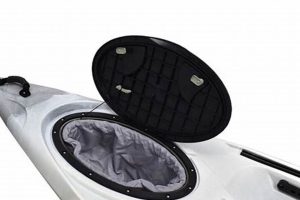
Dedicated tackle storage compartments keep lures, hooks, weights, and other essential gear organized and readily accessible. Water-resistant compartments protect sensitive electronics and tackle from moisture. Removable tackle trays offer convenient organization and portability, facilitating efficient transitions between fishing locations. Strategically positioned storage compartments streamline workflow, minimizing time spent searching for equipment and maximizing time spent fishing.
- Paddle Management Systems
Paddle parks or leashes secure paddles when not in use, preventing loss and minimizing interference during casting or landing fish. Integrated paddle clips keep the paddle within easy reach while maintaining a clear deck space. These systems enhance safety and efficiency, allowing anglers to focus on fishing without worrying about paddle placement or retrieval.
- Anchor Systems
Anchor trolleys or cleats facilitate controlled anchoring, allowing anglers to maintain position in desired locations, especially in current or wind. Recessed anchor wells protect the anchor and rope, minimizing clutter and potential entanglement. These systems enhance stability and precision, enabling anglers to target specific areas effectively and efficiently.
These specialized features contribute significantly to the effectiveness and enjoyment of angling from Old Town kayaks. They enhance organization, efficiency, and safety, allowing anglers to focus on the core aspects of fishing. Selecting a kayak equipped with appropriate features optimizes performance and contributes to a more productive and rewarding experience on the water.
4. Target Species
Target species selection significantly influences equipment choices and location decisions within the context of Old Town kayaks fishing. Different species exhibit distinct habitat preferences and behavioral patterns, necessitating specialized approaches. For instance, pursuing largemouth bass in a freshwater lake requires different gear and tactics compared to targeting redfish in a saltwater estuary. Understanding these distinctions optimizes angling success.
Consider the pursuit of largemouth bass, a popular freshwater target. These fish often inhabit vegetated areas, requiring kayaks with enhanced maneuverability to navigate through dense cover. Shorter rods and reels spooled with heavier line facilitate accurate casts and effective retrieval in such environments. Conversely, targeting redfish in saltwater estuaries necessitates kayaks with greater stability due to the potential for choppy conditions. Longer rods and reels spooled with lighter line, coupled with specialized lures or bait, cater to the specific feeding habits of redfish. Furthermore, understanding tidal influences and preferred redfish habitats, such as oyster beds and shallow flats, becomes crucial for successful angling.
In summary, aligning kayak selection, equipment choices, and location decisions with the target species significantly enhances fishing success. Recognizing species-specific habitat preferences, behavioral patterns, and optimal angling techniques optimizes resource utilization and contributes to a more rewarding and productive experience on the water. This targeted approach underscores the importance of pre-fishing research and preparation for maximizing angling opportunities from Old Town kayaks.
5. Fishing Locations

Fishing location selection represents a critical factor influencing success when angling from Old Town kayaks. The interplay between kayak capabilities and location characteristics dictates accessibility, target species availability, and overall angling effectiveness. Understanding this relationship empowers informed decisions, maximizing fishing opportunities and ensuring a rewarding experience.
- Accessibility
Kayaks provide access to locations often inaccessible to larger vessels, expanding angling possibilities. Shallow-water environments, such as creeks, ponds, and protected estuaries, become readily accessible due to the kayak’s shallow draft and maneuverability. This advantage allows anglers to explore areas teeming with fish often overlooked by those restricted to larger boats. Launching and landing a kayak also requires minimal infrastructure, further expanding access to remote or less developed fishing locations.
- Habitat Considerations
Different fish species exhibit specific habitat preferences. Selecting locations containing appropriate habitats for target species significantly increases the likelihood of successful angling. For example, targeting largemouth bass necessitates locating areas with ample vegetation, submerged structures, or drop-offs, while pursuing trout requires seeking out cooler, oxygen-rich waters with suitable cover, such as overhanging banks or fallen logs. Kayaks allow anglers to navigate these diverse habitats effectively, maximizing opportunities to encounter target species.
- Environmental Influences
Wind, current, and tide significantly impact fishing conditions and kayak control. Understanding these influences informs location choices and enhances angling effectiveness. Protected coves or leeward shorelines offer refuge from strong winds, while areas with minimal current facilitate easier kayak management and precise lure presentation. In tidal environments, understanding tidal flows and their influence on fish behavior becomes crucial for successful angling. Kayaks offer the advantage of navigating these dynamic environments effectively, adapting to changing conditions and maximizing fishing opportunities.
- Safety and Regulations
Prioritizing safety and adhering to local regulations are paramount when selecting fishing locations. Researching potential hazards, such as strong currents, boat traffic, or submerged obstacles, informs safe navigation and risk mitigation. Understanding and adhering to local fishing regulations, including licensing requirements, catch limits, and seasonal closures, ensures responsible angling practices and contributes to the sustainability of fish populations. Choosing locations with appropriate access points and safety considerations enhances the overall fishing experience.
In conclusion, the relationship between fishing location selection and Old Town kayaks angling represents a crucial element of successful fishing. Evaluating accessibility, habitat characteristics, environmental influences, and safety considerations optimizes location choices and enhances angling opportunities. This understanding empowers anglers to leverage the unique capabilities of their kayaks, maximizing their fishing experience and contributing to responsible angling practices.
6. Safety Considerations

Safety considerations form an integral aspect of angling from Old Town kayaks, directly impacting angler well-being and the overall success of fishing expeditions. Overlooking these precautions can lead to hazardous situations, compromising both personal safety and the enjoyment of the activity. Understanding potential risks and implementing appropriate safety measures are crucial for a positive and incident-free experience.
Several key safety considerations apply specifically to kayak angling. Personal flotation devices (PFDs) stand as essential equipment, providing buoyancy and increasing the chances of survival in the event of capsizing. Checking weather forecasts before embarking on a fishing trip allows anglers to avoid potentially dangerous conditions, such as strong winds, thunderstorms, or rapidly changing temperatures. Informing someone of the intended fishing location and estimated return time provides an additional layer of security, ensuring timely assistance if needed. Carrying a communication device, such as a waterproof cell phone or VHF radio, enables contact with emergency services or shore support in case of unforeseen circumstances. These precautions, while seemingly simple, can prove life-saving in critical situations.
Further safety considerations relate to kayak handling and on-the-water practices. Maintaining a low center of gravity enhances stability, reducing the risk of capsizing, especially when casting or reeling in fish. Avoiding overloaded kayaks prevents instability and potential swamping. Understanding and respecting local boating regulations, including speed limits and navigational markers, contributes to overall safety on the water. Carrying a basic first-aid kit allows for immediate treatment of minor injuries, while knowledge of basic first-aid procedures further enhances preparedness. Consider, for instance, an angler venturing into unfamiliar waters. Pre-trip planning, including route mapping and identification of potential hazards, minimizes the risk of disorientation or encountering unexpected obstacles. This proactive approach to safety enhances both angler confidence and overall well-being.
In summary, prioritizing safety considerations is paramount for a successful and enjoyable Old Town kayaks fishing experience. Implementing these precautions mitigates potential risks, safeguarding anglers and allowing for a focus on the rewarding aspects of the sport. Understanding and applying these safety principles translates directly into a safer and more enriching angling experience, emphasizing the interconnectedness between responsible practices and a fulfilling pursuit of this outdoor activity.
Frequently Asked Questions
This section addresses common inquiries regarding angling from Old Town kayaks, providing concise and informative responses to facilitate informed decision-making and enhance the overall fishing experience.
Question 1: What advantages do Old Town kayaks offer for fishing compared to other kayak brands?
Old Town kayaks are often recognized for their fishing-specific features, such as rod holders, tackle storage, and stable hull designs. These features enhance angler efficiency and comfort on the water.
Question 2: Are Old Town kayaks suitable for both freshwater and saltwater fishing?
Many Old Town models cater specifically to either freshwater or saltwater angling. Selecting a model designed for the intended environment optimizes performance and longevity.
Question 3: What safety precautions are essential when fishing from an Old Town kayak?
Wearing a personal flotation device, checking weather forecasts, informing someone of fishing plans, and carrying a communication device are essential safety precautions.
Question 4: How does one choose the appropriate Old Town kayak for individual fishing needs?
Factors influencing kayak selection include target species, fishing location characteristics, angler experience level, and desired features.
Question 5: What maintenance is required for an Old Town fishing kayak?
Regular rinsing with fresh water after each use, proper storage, and periodic inspection for damage contribute to kayak longevity and optimal performance.
Question 6: Where can one find additional information and resources regarding Old Town kayaks and fishing techniques?
The Old Town website, authorized dealers, and online angling communities offer valuable resources for product information, fishing tips, and safety guidelines.
Addressing these common questions provides a foundational understanding of Old Town kayaks and their application to angling pursuits. This knowledge empowers informed decisions regarding kayak selection, equipment choices, and responsible fishing practices.
This FAQ section concludes the introductory overview of Old Town kayaks fishing. Subsequent sections will delve into specific techniques, gear recommendations, and advanced angling strategies.
Conclusion
Angling from Old Town kayaks presents a specialized approach to fishing, demanding careful consideration of equipment, techniques, and safety practices. Hull design, stability, and maneuverability directly influence angling effectiveness, impacting access to diverse fishing locations and target species. Specialized features, including rod holders, tackle storage, and anchor systems, enhance efficiency and organization on the water. Prioritizing safety through the use of personal flotation devices, adherence to regulations, and pre-trip planning ensures responsible angling practices and mitigates potential risks.
The confluence of appropriate equipment selection, informed decision-making, and respect for aquatic environments fosters a rewarding and sustainable angling experience. This thoughtful approach to Old Town kayaks fishing cultivates not only successful catches but also a deeper appreciation for the delicate balance within aquatic ecosystems. Continued exploration of advanced techniques and mindful angling practices promises sustained enjoyment and preservation of these valuable resources for future generations.