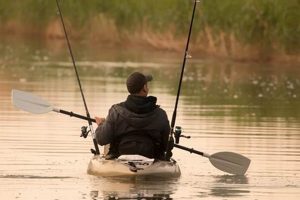
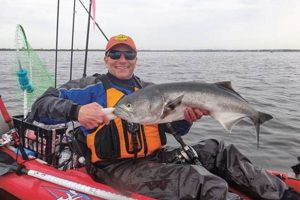
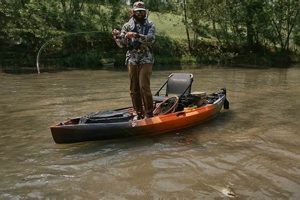
The practice of angling from a small, human-powered watercraft offers unique opportunities in the coastal waters surrounding Sarasota, Florida. This approach allows anglers to access shallow-water habitats often unreachable by larger vessels, such as flats, mangrove tunnels, and backcountry creeks. It provides a stealthy approach, maximizing the chances of encountering species like snook, redfish, spotted seatrout, and tarpon.
This style of fishing has gained significant popularity due to its affordability, accessibility, and environmentally friendly nature. It provides a close connection with the natural environment and offers a physically engaging experience. The areas rich biodiversity and extensive network of waterways make it a prime location for this activity. Historically, small boats have been used for fishing in the region, but the advent of modern, purpose-built kayaks has revolutionized the sport, providing increased stability, maneuverability, and specialized features for anglers.
This article will further explore relevant topics, including specific locations, recommended gear and techniques, local regulations, and safety considerations for those interested in experiencing the diverse fishing opportunities available in this area. It aims to provide a comprehensive guide for both novice and experienced anglers alike.
Tips for Kayak Fishing in Sarasota
Successful outings require preparation and awareness. The following tips offer valuable insights for maximizing enjoyment and effectiveness while on the water.
Tip 1: Understand Local Regulations. Familiarization with current licensing requirements, size and catch limits, and any area closures is crucial. Consulting the Florida Fish and Wildlife Conservation Commission (FWC) website provides the most up-to-date information.
Tip 2: Plan According to Tides. Tidal fluctuations significantly impact fish behavior and accessibility to certain areas. Planning trips around high or low tides can improve catch rates. Tide charts are readily available online and in local bait shops.
Tip 3: Prioritize Safety. Wearing a personal flotation device (PFD) is paramount. Carrying a whistle, signaling device, and communication equipment (e.g., VHF radio or waterproofed cell phone) enhances safety in case of emergencies.
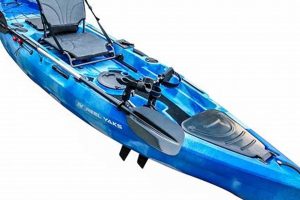
Tip 4: Choose Appropriate Gear. Selecting a kayak designed for fishing, equipped with rod holders, storage compartments, and an anchor system, enhances stability and convenience. Utilizing appropriate tackle for target species maximizes fishing success.
Tip 5: Practice Paddle Strokes. Mastering efficient paddling techniques conserves energy and allows for precise maneuvering within shallow waters and tight spaces. Practicing different strokes before venturing out can significantly improve boat control.
Tip 6: Respect the Environment. Practicing catch-and-release principles whenever possible helps conserve fish populations. Properly disposing of fishing line and other waste materials minimizes environmental impact.
Tip 7: Check Weather Conditions. Monitoring marine forecasts prior to departure is essential. Wind, waves, and lightning can create hazardous situations. Postponing trips during inclement weather prioritizes safety.
Adhering to these guidelines promotes a safe, enjoyable, and productive experience. Preparation and informed decision-making contribute significantly to positive outcomes on the water.
By combining these practical tips with a respect for the natural environment, anglers can enjoy the unique and rewarding pursuit offered within the Sarasota area.
1. Location Selection

Strategic location selection is paramount for successful kayak fishing in Sarasota. The diverse ecosystem offers a variety of habitats, each with unique characteristics that attract different species. Choosing the right location based on target species, tidal conditions, and angler experience significantly influences fishing outcomes.
- Nearshore Flats and Grass Beds
Shallow flats and grass beds provide prime habitat for species like spotted seatrout, redfish, and snook. These areas are easily accessible by kayak, allowing anglers to quietly approach feeding fish. Water clarity and tidal flow are key factors to consider when selecting flats to fish. During higher tides, fish may move into flooded mangroves or onto the flats themselves, while lower tides concentrate them in deeper channels and potholes.
- Mangrove Tunnels and Creeks
The intricate network of mangrove tunnels and creeks offers sheltered waters and ambush points for predatory fish. Kayaks provide excellent access to these often inaccessible areas. These habitats hold snook, redfish, and tarpon, particularly during warmer months. Anglers should be mindful of tides and currents when navigating these tighter spaces.
- Bridges and Docks
Structures like bridges and docks attract a variety of fish seeking shelter and food. These areas can hold snapper, sheepshead, and grouper. Kayaks allow anglers to position themselves precisely around these structures, maximizing fishing opportunities. Understanding current flow around these structures is essential for effective fishing.
- Offshore Reefs and Wrecks (for experienced kayakers)
While requiring more experience and specialized equipment, venturing offshore to reefs and wrecks opens up opportunities for pelagic species like kingfish, cobia, and snapper. Kayak anglers targeting these areas should possess strong paddling skills, navigational knowledge, and appropriate safety gear. Sea conditions and weather forecasts must be meticulously checked before venturing offshore.
Careful consideration of these location options, combined with an understanding of target species behavior and prevailing conditions, greatly increases the likelihood of a successful and rewarding kayak fishing experience in Sarasota. Matching location choice to skill level and desired fishing style further enhances enjoyment and safety on the water.
2. Tidal Influences

Tidal fluctuations exert a significant influence on kayak fishing success in Sarasota. Understanding tidal patterns and their impact on fish behavior and accessibility is crucial for effective angling. Tidal currents create feeding opportunities, dictate fish movement, and influence access to shallow-water habitats. Strategic planning around tidal stages maximizes fishing potential and improves overall angling outcomes.
- Current Flow and Bait Movement
Tidal currents transport baitfish and other forage, concentrating prey and creating feeding opportunities for larger game fish. Strong currents often push bait against structure, such as mangrove shorelines, points, and oyster bars, attracting predatory species. Understanding current direction and speed allows anglers to position kayaks strategically for intercepting feeding fish.
- Water Depth and Habitat Accessibility
Tidal variations significantly alter water depth, impacting access to shallow flats, creeks, and mangrove tunnels. Higher tides flood these areas, allowing fish to move into previously inaccessible feeding grounds. Conversely, lower tides concentrate fish in deeper channels and potholes. Planning kayak routes according to tidal stage ensures access to target areas.
- Fish Behavior and Activity
Tidal stages influence fish behavior and feeding patterns. Certain species, like snook and redfish, often become more active during moving tides, taking advantage of increased bait movement. Slack tides, the periods between high and low tide, may result in reduced fish activity. Adapting fishing techniques to the prevailing tidal stage increases angling success.
- Safety Considerations
Tidal currents can create challenging conditions for kayak anglers, especially in narrow channels or open bays. Strong outgoing tides can make paddling against the current difficult, requiring careful planning and navigation. Understanding tidal flow helps anglers avoid hazardous situations and ensures a safe return to launch points.
By considering tidal influences, kayak anglers in Sarasota can enhance their fishing experience. Knowledge of tidal patterns, combined with observation of local conditions, informs strategic decisions regarding location selection, fishing techniques, and safe navigation. Adapting to tidal variations maximizes angling success and contributes to a more rewarding experience on the water.
3. Essential Gear

Appropriate gear selection significantly impacts safety and success in kayak fishing within Sarasota’s diverse waters. Specialized equipment caters to the unique demands of this angling style, enhancing both comfort and effectiveness on the water. From essential safety items to fishing-specific tools, the following components contribute to a productive and enjoyable experience.
- Personal Flotation Device (PFD)
A properly fitted PFD is paramount for safety. Given the inherent risks of on-water activities, a PFD provides essential buoyancy in case of capsizing or unexpected immersion. Selecting a comfortable, fishing-specific PFD with ample pocket storage enhances both safety and practicality.
- Paddle and Leash
A lightweight, efficient paddle designed for kayaking is essential for maneuvering and covering distances. A paddle leash secures the paddle to the kayak, preventing loss in case of a spill or strong currents. Choosing a leash with a quick-release mechanism ensures easy detachment when necessary.
- Fishing Rods, Reels, and Tackle
Selecting appropriate fishing rods, reels, and tackle based on target species is crucial. Shorter rods are often preferred for kayak fishing due to space constraints. Light to medium tackle generally suits the common species found in Sarasota waters. Carrying a variety of lures and baits increases adaptability to changing fishing conditions.
- Safety and Communication Equipment
Essential safety items include a whistle, signaling device (mirror or flare), and a waterproofed cell phone or VHF radio for communication in emergencies. A first-aid kit and basic tools for minor repairs are also recommended. Storing these items in a readily accessible, waterproof container ensures they remain functional in adverse conditions.
Careful consideration of these essential gear components contributes significantly to a safe and productive kayak fishing experience in Sarasota. Prioritizing safety, selecting appropriate fishing equipment, and ensuring accessibility to essential tools maximizes preparedness and enhances enjoyment on the water. This specialized gear allows anglers to confidently explore Sarasotas diverse fishing opportunities while minimizing risks.
4. Safety Precautions

Safe practices are paramount for kayak fishing in Sarasota, given the dynamic coastal environment and potential hazards. Prioritizing safety ensures an enjoyable and incident-free experience, allowing anglers to focus on the sport. Understanding and mitigating potential risks is crucial for all skill levels, from novice to experienced kayakers.
- Personal Flotation Devices (PFDs)
Wearing a U.S. Coast Guard-approved PFD is non-negotiable. PFDs provide essential buoyancy in case of capsizing, especially in challenging conditions such as strong currents, rough waters, or unexpected encounters with marine life. A comfortable, well-fitting PFD designed for fishing enhances both safety and mobility. Inflatable PFDs offer increased comfort but require regular maintenance and inspection.
- Weather Monitoring and Awareness
Checking marine weather forecasts before embarking on a kayak fishing trip is essential. Sudden changes in weather, including wind shifts, thunderstorms, and lightning strikes, pose significant risks. Monitoring real-time weather updates via a weather app or VHF radio allows for informed decisions regarding trip timing and duration. Postponing trips due to adverse weather conditions prioritizes safety.
- Navigation and Communication
Carrying a compass, GPS device, or chartplotter aids navigation, particularly in unfamiliar waters or during low visibility conditions. A waterproofed cell phone or VHF radio enables communication in case of emergencies or unexpected events. Informing someone on shore about trip plans, including intended location and return time, adds another layer of safety.
- Awareness of Marine Traffic
Sharing waterways with larger vessels requires constant vigilance. Kayaks’ low profile can make them difficult for larger boats to see. Brightly colored clothing and attaching reflective tape to the kayak enhance visibility. Understanding navigational rules and right-of-way protocols minimizes collision risks. Maintaining a safe distance from larger vessels and avoiding congested areas increases safety.
Adhering to these safety precautions significantly mitigates risks associated with kayak fishing in Sarasota’s coastal waters. Careful planning, combined with a proactive approach to safety, ensures a more enjoyable and secure experience, allowing anglers to appreciate the region’s diverse fishing opportunities without compromising well-being. Prioritizing safety contributes to a positive and sustainable angling experience for all.
5. Kayak Choice

Kayak selection significantly influences the overall experience of kayak fishing in Sarasota. The diverse fishing environments, ranging from calm inshore flats to open bay waters, necessitate careful consideration of kayak design, features, and performance characteristics. Appropriate kayak choice enhances stability, maneuverability, and overall fishing effectiveness, ultimately contributing to a safer and more productive outing. Choosing a kayak tailored to specific fishing needs and local conditions is crucial for maximizing enjoyment and success on the water.
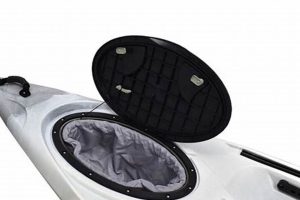
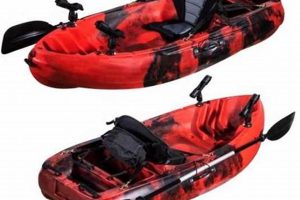
Several factors influence optimal kayak selection for Sarasota waters. Stability is paramount, particularly when fishing in open areas subject to wind and waves. Wider kayaks and those with outriggers or pontoon systems offer increased stability compared to narrower designs. Maneuverability is also crucial, particularly when navigating mangrove tunnels, shallow creeks, or areas with heavy vegetation. Shorter kayaks with a shallower draft tend to be more agile and responsive. Storage capacity is another key consideration, allowing anglers to carry essential gear, tackle, and safety equipment. Kayaks with built-in rod holders, tackle compartments, and dry storage hatches enhance convenience and organization. Propulsion systems also influence kayak choice. Paddle kayaks offer a traditional, affordable, and exercise-intensive option, while pedal-powered kayaks provide increased speed and hands-free fishing capabilities. Finally, material construction impacts durability, weight, and maintenance requirements. Polyethylene kayaks are durable and affordable, while composite kayaks offer lighter weight and increased performance.
Matching kayak choice to the specific fishing environment and target species enhances angling effectiveness. For example, a stable sit-on-top kayak with ample storage is well-suited for targeting redfish and snook on shallow flats, while a maneuverable paddle kayak might be preferred for navigating tight mangrove creeks. For offshore fishing, a longer, more stable kayak with increased storage capacity for safety gear and larger tackle becomes essential. Ultimately, understanding the interplay between kayak design, local conditions, and target species allows anglers to make informed choices that maximize their fishing experience in Sarasota’s diverse waters. A properly chosen kayak enhances safety, increases fishing effectiveness, and contributes to a more enjoyable and rewarding time on the water.
6. Target Species
The diverse fish populations inhabiting Sarasota’s coastal waters offer kayak anglers a wide range of target species. Understanding the habits and preferred habitats of these species is crucial for successful kayak fishing excursions. Effective angling strategies often depend on matching tackle, techniques, and location choices to the specific target species. This knowledge enhances catch rates and contributes to a more rewarding fishing experience.
Inshore species commonly targeted by kayak anglers in Sarasota include snook, redfish, and spotted seatrout. Snook prefer ambush points near structures such as mangrove roots, docks, and bridges. Redfish, known for their powerful runs, often inhabit shallow grass flats and oyster bars. Spotted seatrout, favoring similar habitats, are opportunistic feeders and respond well to a variety of lures and baits. Matching tackle and techniques to these species’ preferences increases angling success. For instance, using live bait or lures that mimic small crustaceans near structure can prove effective for snook, while topwater lures or weedless spoons might be preferred for redfish and trout on the flats. Offshore species accessible to experienced kayak anglers include kingfish, cobia, and various snapper species. These pelagic fish require heavier tackle and specialized techniques, and venturing offshore demands careful consideration of weather conditions and safety precautions. Knowledge of migratory patterns and preferred habitats is essential for targeting these species effectively.
Understanding the target species’ behavior, feeding patterns, and habitat preferences is fundamental to successful kayak fishing in Sarasota. This knowledge informs strategic decisions regarding location selection, tackle choices, and fishing techniques. Adapting angling strategies based on target species significantly enhances the likelihood of a productive and rewarding experience on the water. This targeted approach not only improves catch rates but also promotes conservation by minimizing unintended bycatch and reducing stress on non-target species.
7. Local Regulations
Adherence to local regulations is essential for responsible and sustainable kayak fishing in Sarasota. These regulations, designed to protect fish populations and maintain healthy ecosystems, govern aspects such as licensing requirements, catch limits, size restrictions, and permitted fishing areas. Compliance ensures the long-term viability of the fishery and contributes to the overall health of the marine environment. Understanding and respecting these rules is crucial for all anglers, regardless of experience level.
- Fishing Licenses
Obtaining the appropriate fishing license is a legal requirement for all anglers in Sarasota, including those fishing from kayaks. Licenses can be obtained online through the Florida Fish and Wildlife Conservation Commission (FWC) website or from authorized vendors such as bait and tackle shops. Different license types exist depending on residency status and fishing preferences (saltwater vs. freshwater). Carrying a valid fishing license while kayak fishing is mandatory and subject to inspection by law enforcement.
- Catch and Size Limits
Regulations dictate specific catch and size limits for various fish species. These limits aim to prevent overfishing and maintain healthy fish populations. Regulations vary by species and may include daily bag limits (the number of fish an angler can keep per day) and minimum or maximum size restrictions. Anglers must familiarize themselves with these species-specific regulations and adhere to them strictly. Accurate measurement tools are essential for ensuring compliance with size limits.
- Closed Seasons and Protected Areas
Certain areas may be designated as no-fishing zones or have seasonal closures to protect sensitive habitats or spawning fish. These closures aim to minimize disturbance during critical periods and allow fish populations to recover. Understanding and respecting these closures is essential for responsible angling. Maps and information regarding closed seasons and protected areas are available from the FWC and local bait shops. Consulting these resources before planning a kayak fishing trip ensures compliance and avoids unintentional violations.
- Gear Restrictions
Specific regulations may govern permitted fishing gear and methods in certain areas. For example, some areas may prohibit the use of certain types of nets or fishing with multiple rods. These restrictions aim to minimize environmental impact and promote fair fishing practices. Anglers should familiarize themselves with any gear-specific regulations applicable to their chosen fishing locations. Information regarding permitted gear can be found on the FWC website or by contacting local authorities.
Compliance with local regulations contributes to the sustainability of kayak fishing in Sarasota. By adhering to these rules, anglers actively participate in the conservation of fish populations and the protection of the marine ecosystem. Respecting these regulations ensures the continued enjoyment of this popular recreational activity for future generations. Responsible angling practices, guided by an understanding of and adherence to local regulations, are fundamental to maintaining a healthy and thriving fishery.
Frequently Asked Questions
This section addresses common inquiries regarding kayak fishing in Sarasota, providing concise and informative responses to assist anglers in planning successful and enjoyable outings.
Question 1: What are the most common fish species targeted by kayak anglers in Sarasota?
Common targets include snook, redfish, spotted seatrout, flounder, and tarpon inshore. Offshore, kingfish, cobia, snapper, and grouper are potential targets for experienced kayakers.
Question 2: Are there specific kayak launch sites recommended for fishing access?
Sarasota offers numerous public boat ramps and kayak launch sites providing convenient access to various fishing areas. South Lido Park, Ted Sperling Park, and Bayfront Park are popular choices, offering access to diverse inshore habitats.
Question 3: What is the best time of year for kayak fishing in Sarasota?
While fishing is possible year-round, spring and fall generally offer optimal conditions with moderate temperatures and active fish. Summer months can be productive but require attention to heat management and changing weather patterns.
Question 4: What safety precautions are essential for kayak fishing in Sarasota?
Wearing a personal flotation device (PFD), checking weather forecasts before departure, carrying communication devices (e.g., VHF radio, cell phone), and informing someone of trip plans are crucial safety measures.
Question 5: What type of fishing gear is recommended for kayak fishing in this area?
Light to medium tackle generally suits inshore fishing. Rod and reel combinations appropriate for the target species, along with a selection of lures, live bait, and appropriate terminal tackle, enhance fishing effectiveness.
Question 6: Are guided kayak fishing tours available in Sarasota?
Several local outfitters offer guided kayak fishing tours, providing expert instruction, local knowledge, and access to productive fishing spots. Guided tours cater to various skill levels, from novice to experienced anglers.
Careful consideration of these frequently asked questions enhances preparedness and contributes to safe and successful kayak fishing experiences within Sarasotas rich coastal ecosystem.
This concludes the general information section. The following sections delve deeper into specific locations, techniques, and advanced considerations for kayak fishing in Sarasota.
Kayak Fishing Sarasota
This exploration of kayak fishing in Sarasota has highlighted the unique opportunities and considerations inherent in this popular pursuit. From the diverse range of target species and varied inshore and offshore environments to the essential gear and safety precautions, the information presented provides a comprehensive overview for anglers of all skill levels. Strategic location selection based on tidal influences, combined with a thorough understanding of local regulations, maximizes fishing success while ensuring responsible angling practices. Appropriate kayak choice and specialized gear enhance both comfort and effectiveness on the water.
Kayak fishing in Sarasota offers a rewarding connection with the natural environment, providing a unique perspective on this vibrant coastal ecosystem. Continued exploration of this dynamic fishery, coupled with a commitment to conservation and safe practices, promises enriching experiences for anglers while safeguarding the region’s valuable aquatic resources for future generations. The information presented here serves as a foundation for informed decision-making, encouraging responsible exploration and enjoyment of Sarasota’s exceptional kayak fishing opportunities.