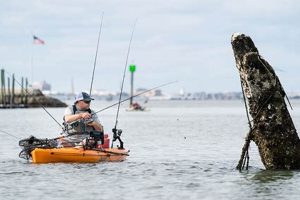
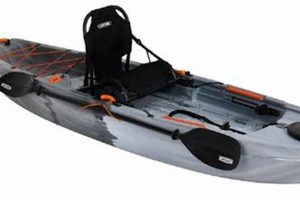
A pre-owned kayak designed for two individuals to fish from offers a blend of affordability and shared experience. This type of watercraft typically features specialized seating, rod holders, and storage compartments catered to anglers. An example would be a previously owned Hobie Mirage Outback outfitted with aftermarket fishing accessories.
Acquiring a previously owned watercraft specifically designed for two anglers provides an economical entry point into the sport of kayak fishing. Sharing the experience fosters camaraderie and allows for collaborative fishing strategies. The evolution of these vessels has seen advancements in hull design, stability, and specialized features, making them increasingly popular for recreational and sporting purposes. The lower cost compared to new models makes them accessible to a wider range of individuals, contributing to the growth of this outdoor activity.
This article will delve further into the advantages and disadvantages of purchasing a pre-owned fishing kayak designed for two people, covering topics such as evaluating condition, assessing fair market value, and identifying key features to consider before making a purchase.
Tips for Purchasing a Pre-Owned Two-Person Fishing Kayak
Careful consideration is warranted when selecting a pre-owned kayak designed for two anglers. The following tips offer guidance for making an informed purchasing decision.
Tip 1: Inspect the Hull Thoroughly: Examine the hull for any signs of damage, including deep scratches, cracks, or repairs. Pay particular attention to the keel and areas around fittings. Sunlight can reveal imperfections not readily apparent in shaded areas.
Tip 2: Evaluate Seating and Storage: Ensure the seating is comfortable and adjustable. Check for wear and tear on the seats and straps. Confirm adequate storage capacity for fishing gear and personal items.
Tip 3: Verify Rudder and Pedal Functionality (if applicable): If the kayak is equipped with a rudder or pedal system, test its operation thoroughly. Look for smooth movement and responsiveness. Any stiffness or unusual noises could indicate potential problems.
Tip 4: Assess Rod Holders and Other Fishing Features: Inspect rod holders for security and proper placement. Examine any integrated fish finders or other electronic accessories for functionality.
Tip 5: Inquire about the Kayak’s History: Ask the seller about the kayak’s usage, storage conditions, and any previous repairs. Understanding the kayak’s history can provide valuable insights into its current condition.
Tip 6: Compare Prices and Research Market Value: Research current market prices for comparable models to ensure a fair purchase price. Consider factors such as age, condition, and included accessories when evaluating value.
Tip 7: Conduct a Water Test: If possible, test the kayak on the water before purchasing. This allows for assessment of stability, tracking, and overall performance.
Following these guidelines increases the likelihood of acquiring a sound vessel suitable for shared fishing excursions. A thorough evaluation contributes to a satisfying purchase and ensures many enjoyable outings on the water.
These insights provide a strong foundation for making an educated decision regarding a pre-owned two-person fishing kayak. The subsequent conclusion will offer final recommendations and considerations.
1. Hull Condition

Hull condition stands as a paramount factor in evaluating a pre-owned two-person fishing kayak. A compromised hull can significantly impact performance, safety, and longevity. Stress cracks, deep scratches, and previous repairs warrant close scrutiny. For instance, a crack near the stern could indicate potential structural weakness, affecting tracking and stability. Similarly, abrasion along the keel might suggest frequent grounding, increasing the risk of leaks. A well-maintained hull, free from significant damage, indicates proper care and contributes to optimal performance and resale value.
The material composition of the hull also plays a critical role. Polyethylene kayaks, while durable, are susceptible to UV degradation and scratching. Composite kayaks, though lighter and more efficient, can be prone to cracking under stress. Examining the hull for signs of material fatigue, such as fading, brittleness, or delamination (in composite kayaks), proves essential. A thorough inspection, ideally conducted in bright light, can reveal hidden imperfections. Understanding the specific material and its potential weaknesses allows for a more accurate assessment of the hull’s overall condition and expected lifespan. For example, a faded polyethylene hull suggests prolonged sun exposure, potentially weakening the material.
Ultimately, a comprehensive evaluation of hull condition offers crucial insights into a used tandem fishing kayak’s suitability. Overlooking seemingly minor imperfections can lead to costly repairs or compromise safety on the water. Investing time in a detailed inspection, including careful examination of potential problem areas, contributes significantly to making an informed purchasing decision. This proactive approach ensures not only a sound investment but also many enjoyable and safe fishing excursions. Ignoring a small crack, for instance, could lead to a significant leak during use, jeopardizing safety and requiring extensive repairs. Therefore, prioritizing hull integrity ensures a reliable and seaworthy vessel.
2. Seating Comfort
Seating comfort directly impacts the enjoyment and practicality of using a pre-owned two-person fishing kayak. Extended periods on the water, inherent in fishing expeditions, necessitate supportive and adjustable seating. Discomfort can detract from the experience, leading to fatigue, reduced focus on fishing, and even potential physical strain. A kayak intended for two individuals amplifies the importance of seating comfort, as both occupants must find the seating arrangement conducive to their individual needs and body types. An uncomfortable seating configuration can lead to a less enjoyable outing, potentially affecting both anglers’ overall experience. For example, inadequate lumbar support may cause backaches, while poorly designed seating can restrict movement and hinder casting. Prioritizing seating comfort ensures a positive and productive fishing experience.
Evaluating seating in a used tandem fishing kayak involves assessing several key factors. Adjustable backrests allow customization for individual preferences and physical requirements. Sufficient padding minimizes pressure points and enhances comfort during prolonged use. Durable, weather-resistant materials ensure longevity and withstand the rigors of the marine environment. Examining the condition of existing seating is crucial. Wear and tear, such as frayed straps, torn fabric, or broken adjustment mechanisms, can significantly impact comfort and safety. Assessing the adjustability of the seating system ensures compatibility with both users’ body types and preferences. For instance, a kayak with fixed seating might not accommodate individuals of varying heights or weights. Likewise, worn-out padding can lead to discomfort and pressure sores during extended fishing trips.
In conclusion, prioritizing seating comfort contributes substantially to a positive experience in a pre-owned tandem fishing kayak. A thorough evaluation of the seating system, encompassing adjustability, padding, material condition, and overall design, is paramount. Prioritizing comfort maximizes enjoyment and minimizes physical strain during extended fishing excursions. This attention to detail ensures a pleasurable and productive time on the water for both anglers. Overlooking seating comfort can lead to a disappointing experience, potentially diminishing the enjoyment of fishing and discouraging future outings.
3. Storage Capacity

Adequate storage capacity stands as a critical factor when evaluating a used tandem fishing kayak. The inherent need to transport fishing gear, safety equipment, and personal items necessitates sufficient storage space. Compromised storage can lead to a cluttered cockpit, hindering movement and potentially compromising safety. Moreover, insufficient storage may limit the duration of fishing trips or necessitate leaving essential equipment behind.
- Dedicated Tackle Storage:
Purpose-built compartments designed for tackle boxes, lures, and other fishing accessories optimize organization and accessibility. Examples include recessed trays, waterproof hatches, and integrated tackle storage systems. A used tandem kayak with dedicated tackle storage allows anglers to maintain a well-organized and efficient cockpit, maximizing fishing time and minimizing disruptions. Conversely, a lack of dedicated tackle storage can lead to tangled lines, lost lures, and frustration, ultimately impacting fishing success. For instance, easily accessible compartments allow for quick lure changes without disrupting the fishing flow.
- Dry Storage for Personal Items:
Protecting personal belongings, such as phones, wallets, and keys, from water damage is paramount. Waterproof hatches and compartments offer secure storage for these items, ensuring peace of mind during excursions. A used tandem fishing kayak lacking sufficient dry storage may necessitate leaving valuable items behind or risk water damage. Ample dry storage enhances enjoyment and reduces anxiety associated with potential water exposure. For example, a dedicated dry hatch for electronics ensures their protection from splashes and unexpected submersion.
- Bulk Storage for Larger Gear:
Transporting larger items, such as coolers, anchor systems, and extra clothing, often requires ample bulk storage. Large open compartments, bungee systems, and tank wells accommodate these necessities. A used tandem kayak with limited bulk storage may restrict the type and quantity of gear carried, potentially limiting the scope of fishing trips. Sufficient bulk storage allows for extended excursions and diverse fishing approaches. For instance, a spacious tank well can accommodate a large cooler, providing ample space for food and drinks on multi-day trips.
- Storage Accessibility and Placement:
Strategically positioned and easily accessible storage compartments contribute significantly to efficiency and convenience. Placement should consider minimizing interference with paddling and fishing activities. A used tandem kayak with poorly placed storage compartments can hinder movement and create inconvenience, disrupting the fishing experience. Well-designed storage solutions prioritize accessibility and minimize disruption to both anglers. For example, readily accessible side storage allows for quick retrieval of essential gear without requiring the angler to reach behind the seat, maintaining a stable and balanced position.
Storage capacity significantly influences the practicality and enjoyment of a used tandem fishing kayak. A comprehensive evaluation of storage solutions, encompassing dedicated tackle storage, dry storage for personal items, bulk storage capacity, and accessibility, ensures a well-equipped and organized fishing platform. Prioritizing storage capacity enhances efficiency, minimizes clutter, and maximizes the overall fishing experience, contributing to successful and enjoyable outings on the water. An appropriate balance of storage types and thoughtful placement ensures that both anglers can readily access necessary equipment without compromising stability or comfort.
4. Fishing Features

Specialized features designed for angling significantly enhance the functionality and practicality of a used tandem fishing kayak. These features cater specifically to the needs of anglers, optimizing efficiency, comfort, and overall fishing success. Careful consideration of these features during the evaluation process is essential for selecting a used tandem kayak well-suited for angling pursuits.
- Rod Holders
Rod holders provide secure storage and convenient access to fishing rods. Various types exist, including flush-mounted, adjustable, and rotating rod holders. Quantity and placement are crucial considerations. Ample rod holders allow for multiple lines in the water, increasing fishing opportunities. Strategic placement minimizes interference with paddling and maximizes casting angles. For example, adjustable rod holders accommodate different rod lengths and fishing techniques, while flush-mounted rod holders minimize line entanglement.
- Tackle Storage
Integrated tackle storage solutions maintain organization and accessibility of essential fishing gear. Examples include dedicated compartments for tackle boxes, lure trays, and leader lines. Waterproof compartments protect sensitive items from moisture. Well-designed tackle storage minimizes clutter, enhances efficiency, and maximizes fishing time by keeping essential gear within easy reach. For example, a dedicated compartment for hooks and weights prevents tangling and facilitates quick retrieval.
- Fish Finders and Electronics
Integrated fish finders and other electronics provide valuable information about water depth, fish location, and bottom structure. Transducers, power sources, and display mounts require careful evaluation. Pre-installed electronics can offer a significant advantage but warrant assessment of functionality and compatibility with current technology. For example, a used tandem kayak with a built-in fish finder can offer immediate underwater insights, enhancing fishing success.
- Other Specialized Features
Other specialized features, such as anchor trolleys, paddle parks, and live wells, further enhance fishing functionality. An anchor trolley allows for controlled anchoring and drift fishing, while paddle parks secure paddles during fishing. Live wells maintain the health of caught fish for later release or consumption. These features, while not essential, can significantly enhance the overall fishing experience and cater to specific angling styles. For instance, an integrated live well allows for catch-and-release fishing without harming the fish.
The presence and condition of fishing features directly impact a used tandem fishing kayak’s suitability for angling. A thorough evaluation of these features ensures alignment with individual fishing preferences and techniques. Prioritizing these specialized features contributes to a more efficient, comfortable, and ultimately, more successful fishing experience. A well-equipped used tandem fishing kayak, featuring appropriate and functional fishing-specific enhancements, maximizes enjoyment and success on the water.
5. Previous Usage

Understanding the previous usage of a used tandem fishing kayak provides crucial insights into its current condition and potential lifespan. Usage patterns significantly influence wear and tear, affecting various components, from the hull and seating to fishing-specific features. A kayak used primarily in calm freshwater lakes will likely exhibit less wear than one frequently exposed to harsh saltwater environments or rocky riverbeds. Similarly, a kayak consistently stored indoors will likely experience less degradation than one exposed to prolonged sunlight and weathering. Consider, for example, a kayak used extensively for fishing tournaments. This kayak may exhibit greater wear on rod holders, seating, and storage compartments due to frequent use and gear changes. Conversely, a kayak used recreationally a few times a year might exhibit minimal wear, primarily cosmetic in nature.
Inquiring about previous usage allows potential buyers to anticipate potential maintenance needs and assess the overall value proposition. Frequency of use, types of water conditions encountered, storage methods, and any previous repairs provide a comprehensive picture of the kayak’s history. This information empowers informed decision-making, allowing buyers to align their expectations with the kayak’s condition and projected lifespan. For instance, evidence of previous repairs, while not necessarily a deterrent, warrants careful inspection and understanding of the repair methods employed. A professionally repaired puncture might pose less concern than a DIY patch that could fail under stress. Similarly, a kayak used exclusively in saltwater requires meticulous flushing and maintenance to prevent corrosion, making a detailed history of such maintenance crucial.
Thorough investigation of previous usage mitigates risks associated with purchasing a used tandem fishing kayak. This proactive approach enables informed assessments of value, anticipates potential maintenance requirements, and ultimately contributes to a more satisfying and successful ownership experience. Ignoring the history of previous usage can lead to unforeseen expenses and potential safety concerns. By understanding how the kayak was previously used and maintained, prospective buyers can make informed decisions aligned with their individual needs and expectations, ensuring a worthwhile investment and countless enjoyable fishing excursions.
6. Market Value
Market value represents a crucial factor in the acquisition of a pre-owned two-person fishing kayak. Accurately assessing market value ensures a fair purchase price and maximizes the value proposition. Several factors influence the market value of these specialized vessels, impacting their desirability and overall cost.
- Brand and Model
Established brands known for quality construction and performance typically command higher market values. Specific models renowned for stability, speed, or specialized fishing features also influence pricing. For instance, a well-regarded brand like Hobie, known for its pedal-driven kayaks, will likely retain higher market value than a lesser-known brand with comparable features. Similarly, a sought-after model like the Hobie Pro Angler, known for its stability and fishing-specific features, will likely command a premium compared to a less specialized model within the same brand.
- Age and Condition
Age significantly impacts market value, with newer models generally commanding higher prices. However, a well-maintained older model can retain significant value, especially if equipped with desirable features. Condition plays a crucial role. A kayak free from significant damage, with well-maintained components, will command a higher price than one exhibiting wear and tear, requiring repairs. For example, a five-year-old kayak in excellent condition, showing minimal signs of wear, might retain a higher market value than a two-year-old kayak with significant scratches, a faded hull, and worn-out seating.
- Included Accessories and Features
Included accessories and features influence market value. A kayak equipped with high-end fish finders, upgraded seating, or specialized fishing accessories will generally command a higher price than a base model. Factory-installed features often hold greater value than aftermarket additions. For example, a used tandem fishing kayak with a factory-installed rudder system and integrated fish finder will likely have a higher market value than a similar kayak with aftermarket additions of comparable quality.
- Market Demand and Availability
Current market demand and availability also influence pricing. High demand coupled with limited availability can drive prices upward, while low demand and readily available inventory can exert downward pressure on prices. Seasonal factors also play a role. Demand for kayaks typically increases during peak fishing seasons, potentially leading to higher prices. Conversely, prices might decrease during the off-season as demand wanes and retailers offer discounts to clear inventory. For example, a used tandem fishing kayak in high demand during the summer months might command a premium compared to the same model during the winter months.
Understanding these factors empowers informed decision-making regarding the acquisition of a pre-owned tandem fishing kayak. A thorough assessment of market value, considering brand, model, age, condition, included accessories, and market dynamics, ensures a fair purchase price and maximizes the value proposition. This informed approach contributes to a satisfying purchase experience and lays the foundation for countless enjoyable fishing excursions.
7. Performance Testing

Performance testing constitutes a critical step in evaluating a used tandem fishing kayak. It provides firsthand experience of the kayak’s on-water handling characteristics, confirming its suitability for intended fishing activities. Performance testing bridges the gap between theoretical specifications and real-world experience, offering crucial insights into stability, maneuverability, and overall performance.
- Stability
Stability assessment evaluates the kayak’s resistance to tipping, particularly important in a tandem configuration where weight distribution and coordinated movement influence balance. Testing stability involves leaning, shifting weight, and simulating real-world fishing scenarios, such as casting and reeling. A stable platform enhances angler confidence, facilitates casting accuracy, and ensures safety, particularly in challenging conditions. For example, a tandem kayak exhibiting excessive rocking or tipping might prove unsuitable for rough waters or standing casting techniques.
- Tracking and Maneuverability
Tracking, the kayak’s ability to maintain a straight course, and maneuverability, its responsiveness to steering inputs, directly influence paddling efficiency and navigation. Testing involves paddling straight, executing turns, and maneuvering through obstacles. Efficient tracking conserves energy during long paddles, while responsive maneuverability allows for precise navigation through tight spaces and changing water conditions. A tandem kayak demonstrating poor tracking might require constant corrective strokes, increasing paddling effort and reducing efficiency. Similarly, sluggish maneuverability can hinder navigation in currents or around obstacles.
- Speed and Efficiency
Evaluating speed and efficiency assesses the kayak’s glide and responsiveness to paddling input. Testing involves paddling at varying speeds and observing the kayak’s acceleration and deceleration. Efficient hull design minimizes drag, allowing for higher speeds with less effort. Speed and efficiency considerations become particularly relevant in tandem kayaks due to the combined weight and potential for varying paddling styles between occupants. A tandem kayak exhibiting excessive drag requires increased paddling effort, leading to fatigue and potentially limiting exploration range. Efficient kayaks glide smoothly, maximizing speed and range with minimal exertion.
- Comfort and Ergonomics
Comfort and ergonomics significantly impact long-term enjoyment and prevent fatigue during extended fishing trips. Testing involves evaluating seating comfort, adjustability, and overall cockpit layout. Ample legroom, comfortable seating positions, and easily accessible storage contribute to a positive paddling experience. Consideration of comfort and ergonomics becomes particularly crucial in tandem configurations to accommodate varying body types and preferences of both occupants. A tandem kayak with cramped seating or limited legroom can lead to discomfort and fatigue, diminishing enjoyment and potentially limiting fishing time. Well-designed ergonomics enhance comfort and promote efficient paddling, contributing to a more positive and productive fishing experience.
Performance testing of a used tandem fishing kayak provides invaluable insights beyond visual inspection. Assessing stability, tracking, speed, and comfort ensures the kayak meets the specific needs and preferences of both anglers, ultimately contributing to a more enjoyable and successful fishing experience. These real-world evaluations complement assessments of condition, features, and market value, culminating in a comprehensive understanding of the kayak’s suitability for intended use.
Frequently Asked Questions
This section addresses common inquiries regarding the acquisition and utilization of pre-owned two-person fishing kayaks. Clarity on these points facilitates informed decision-making and promotes successful ownership experiences.
Question 1: What are the primary advantages of purchasing a used tandem fishing kayak?
Cost savings represent a significant advantage. Pre-owned kayaks offer a more accessible entry point into kayak fishing compared to new models. Additionally, acquiring a used kayak allows exploration of the sport before committing to a substantial investment in a new vessel.
Question 2: What are the potential disadvantages of buying a used tandem fishing kayak?
Potential disadvantages include the possibility of undetected damage, limited warranty coverage compared to new models, and the absence of customization options available when purchasing new. Thorough inspection and research mitigate these risks.
Question 3: How does one determine a fair price for a used tandem fishing kayak?
Researching comparable models, considering brand reputation, age, condition, included accessories, and current market demand informs price evaluation. Consulting online marketplaces and specialized kayak retailers provides valuable pricing insights.
Question 4: What key features should one look for when inspecting a used tandem fishing kayak?
Hull integrity, seating comfort and adjustability, storage capacity, the presence and condition of fishing-specific features (rod holders, tackle storage), and any signs of previous repairs warrant close inspection. Assessing these elements ensures suitability for intended fishing activities.
Question 5: What are the essential maintenance considerations for a used tandem fishing kayak?
Regular cleaning, proper storage practices (protected from sunlight and extreme temperatures), and periodic inspection for damage contribute to the longevity and performance of a used kayak. Addressing any necessary repairs promptly prevents further damage and ensures safe operation.
Question 6: Where can one find reputable sellers of used tandem fishing kayaks?
Reputable sellers include established kayak retailers, online marketplaces specializing in outdoor gear, and local paddling communities or clubs. Verifying seller reputation and requesting detailed information about the kayak’s history contribute to a secure and informed purchasing experience.
Careful consideration of these frequently asked questions equips prospective buyers with the knowledge necessary to navigate the used tandem fishing kayak market effectively. Informed decision-making ensures a satisfying purchase experience and sets the stage for numerous rewarding fishing adventures.
The subsequent section will offer concluding thoughts and recommendations for those considering the purchase of a pre-owned two-person fishing kayak.
Conclusion
Acquiring a pre-owned two-person fishing kayak presents a compelling opportunity for anglers seeking shared experiences on the water. Careful evaluation of hull condition, seating comfort, storage capacity, and specialized fishing features ensures a suitable vessel aligned with individual needs and preferences. Understanding previous usage, assessing market value, and conducting thorough performance testing mitigate potential risks and maximize the value proposition. These considerations collectively contribute to a satisfying and successful ownership experience.
The informed pursuit of a pre-owned tandem fishing kayak unlocks access to rewarding angling adventures. Diligent research, meticulous inspection, and realistic performance expectations pave the way for countless shared memories forged on the water. This considered approach transforms the acquisition process into a rewarding prelude to enriching experiences in the natural world.