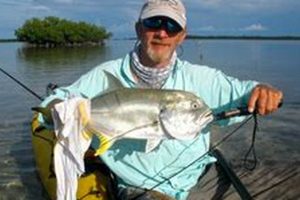
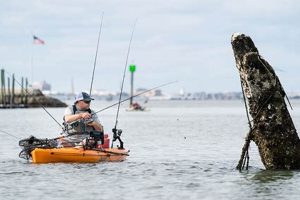
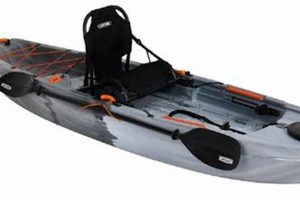
A specialized hospitality business caters to anglers who prefer the stealth and accessibility of kayaks. Such establishments typically provide lodging, kayak rentals or launching facilities, guided fishing tours, and access to productive fishing waters. They may also offer amenities like fishing gear shops, equipment rentals, and on-site dining. An example might include a lakeside lodge offering kayak rentals and guided tours targeting specific fish species.
These destinations offer significant advantages for anglers. Kayaks allow access to shallow or otherwise inaccessible fishing spots, offering a unique and immersive experience. This targeted approach attracts a dedicated clientele seeking both comfort and specialized services. The rise in popularity of kayak fishing has spurred the development of such dedicated accommodations, reflecting a growing demand for this niche tourism sector. This specialized service contributes to local economies and promotes sustainable tourism by focusing on a low-impact activity.
The following sections will explore specific aspects of these specialized destinations, including choosing the right location, essential amenities, and the growing popularity of this unique angling experience.
Tips for Choosing a Kayak Fishing Destination
Selecting the right destination is crucial for a successful and enjoyable fishing experience. Careful consideration of several factors can significantly enhance angling opportunities.
Tip 1: Research Target Species: Investigate the prevalent fish species and determine if they align with angling preferences. A destination specializing in trout will differ significantly from one focused on saltwater species.
Tip 2: Evaluate Water Accessibility: Consider the ease of kayak launching and the availability of suitable fishing areas. Locations with sheltered coves and easily navigable waterways are often preferable.
Tip 3: Assess Accommodation Options: Determine the type of lodging offered, considering factors like proximity to the water, amenities, and overall comfort. Options range from rustic cabins to luxurious lodges.
Tip 4: Investigate Guide Services: If professional guidance is desired, research the availability and qualifications of local guides. Experienced guides can offer valuable insights into local fishing conditions and techniques.
Tip 5: Consider Equipment Rentals: If transporting personal kayaks is impractical, confirm the availability and quality of rental equipment. Ensure rentals are well-maintained and appropriate for the targeted fishing environment.
Tip 6: Check for On-Site Amenities: Evaluate the availability of amenities such as fishing gear shops, bait and tackle supplies, and dining options. These conveniences can enhance the overall experience.
Tip 7: Review Safety Measures: Inquire about safety protocols and procedures, including emergency communication systems and adherence to local regulations. Prioritize destinations that prioritize angler safety.
Careful consideration of these factors contributes significantly to a rewarding kayak fishing experience. Selecting a destination tailored to individual needs and preferences ensures a memorable and productive trip.
By following these guidelines, anglers can maximize their chances of a successful outing. The next section will explore further considerations for planning a kayak fishing trip.
1. Location

The geographical setting of a kayak fishing resort fundamentally shapes its character and potential. Location dictates accessible fish species, influences the type of water body (lake, river, ocean), and affects the overall angling experience. Understanding the significance of location is crucial for both resort operators and prospective visitors.
- Proximity to Fishing Grounds
Optimal locations minimize travel time between the resort and prime fishing areas. Resorts situated directly on lakeshores or within easy reach of rivers and estuaries offer immediate access. For example, a resort on a large reservoir allows anglers to quickly reach diverse fishing spots, while a coastal lodge provides direct access to ocean fishing grounds. This convenience maximizes fishing time and enhances the overall experience.
- Water Body Characteristics
The nature of the water body significantly influences the fishing experience. Calm lakes offer excellent opportunities for beginners and those seeking a relaxed experience. Rivers provide a more dynamic environment with varying currents and structures. Coastal locations expose anglers to the challenges and rewards of ocean fishing. A resort on a sheltered bay caters to a different clientele than one situated on a fast-flowing river. The water body’s characteristics dictate the types of kayaks, fishing techniques, and safety considerations required.
- Accessibility and Infrastructure
Ease of access to the resort itself is paramount. Well-maintained roads, ample parking, and proximity to airports or other transportation hubs facilitate convenient travel. On-site infrastructure, such as boat ramps, docks, and kayak storage facilities, further enhances the experience. A remote fly-in lodge offers a unique wilderness experience, while a readily accessible lakeside resort caters to a broader range of visitors. The level of accessibility influences the target audience and the overall logistical planning required.
- Surrounding Environment and Scenery
The aesthetic appeal of the surrounding landscape contributes significantly to the overall enjoyment of a fishing trip. Scenic vistas, pristine wilderness, or vibrant coastal ecosystems enhance the immersive experience. A resort nestled in a mountain valley offers a different ambiance than one located on a tropical island. The surrounding environment influences the type of activities available beyond fishing, such as hiking, wildlife viewing, or exploring local culture.
These interconnected facets of location contribute significantly to a kayak fishing resort’s success. By carefully considering these elements, resort operators can tailor their offerings to specific target markets, and anglers can choose destinations that best align with their preferences and fishing goals. The synergy between location and the overall resort experience ultimately determines angler satisfaction and the long-term viability of the business.
2. Accommodation
Accommodation options significantly influence the overall experience at a kayak fishing resort. The type of lodging available caters to diverse preferences and budgets, impacting angler comfort and satisfaction. From rustic cabins to luxurious lodges, accommodation choices play a crucial role in shaping the overall appeal of a fishing destination.
- Comfort and Convenience
Comfortable accommodations are essential after a day on the water. Features like comfortable beds, climate control, and private bathrooms contribute to a relaxing and rejuvenating stay. Convenient access to amenities like laundry facilities, common areas, and on-site dining further enhances the experience. A well-appointed lodge with comfortable rooms and convenient amenities allows anglers to unwind and prepare for the next day’s fishing. Conversely, basic cabins prioritize simplicity and affordability, appealing to those seeking a more immersive outdoor experience.
- Proximity to Fishing Areas
The location of accommodations relative to fishing spots influences logistical efficiency and overall enjoyment. Lodges situated directly on the water’s edge or within easy walking distance of launch sites minimize travel time and maximize fishing opportunities. Resorts offering shuttle services to various fishing locations provide added convenience. For example, a resort with waterfront cabins allows anglers to launch their kayaks directly from their doorstep, while a lodge situated near a river provides quick access to prime fishing spots.
- Variety and Capacity
Offering a range of accommodation types caters to diverse group sizes and budgets. Single rooms, double occupancy cabins, and multi-bedroom suites accommodate solo travelers, couples, and families or groups of friends. The availability of different accommodation types broadens the resort’s appeal and allows it to cater to a wider clientele. A resort offering a mix of single rooms and family suites can accommodate both individual anglers and larger groups, maximizing occupancy and revenue potential.
- Amenities and Services
Beyond basic lodging, additional amenities and services enhance the overall experience. On-site restaurants, gear shops, and guided tour options provide convenience and cater to specific angler needs. Other amenities like swimming pools, hot tubs, and fitness centers cater to relaxation and recreation beyond fishing. A resort with a fully equipped gear shop allows anglers to replenish supplies or rent equipment, while a lodge offering guided tours provides expert assistance and enhances fishing success.
The careful selection and provision of accommodation options directly impact the success of a kayak fishing resort. By understanding and catering to diverse angler preferences, resorts can create a welcoming and comfortable environment that enhances the overall fishing experience. The interplay between accommodation quality, convenience, and the surrounding fishing environment ultimately determines angler satisfaction and the resort’s long-term viability.
3. Kayak Access
Convenient and well-maintained kayak access is a defining feature of a successful kayak fishing resort. Access points directly influence angler satisfaction and contribute significantly to the overall fishing experience. The following facets highlight crucial aspects of kayak access within the context of a specialized fishing resort.
- Launch Sites
Well-designed launch sites facilitate safe and efficient kayak entry and exit. Gently sloping ramps, stable docks, and designated launch areas minimize the risk of damage to kayaks and ensure angler safety. A resort offering multiple launch points distributed across various fishing areas provides access to a wider range of fishing opportunities. For example, a resort with launch sites on both a river and a nearby lake caters to diverse fishing preferences. The availability and quality of launch sites directly impact angler convenience and the overall perception of the resort’s infrastructure.
- Storage Facilities
Secure and convenient kayak storage is essential for guests who bring their own equipment. Covered storage areas protect kayaks from the elements, while designated racking systems prevent damage and maintain order. On-site storage eliminates the need for guests to transport kayaks to and from their accommodations, enhancing convenience and security. A resort offering secure overnight storage allows anglers to leave their kayaks rigged and ready for the next day’s fishing. This amenity contributes significantly to a hassle-free experience and appeals to anglers who value convenience and equipment safety.
- Transport Services
For resorts with multiple fishing locations or challenging terrain, kayak transport services enhance accessibility. Trailers, shuttles, or portage assistance facilitate access to remote fishing spots that would otherwise be difficult to reach. This service expands the range of fishing opportunities available to guests and caters to anglers seeking diverse experiences. A resort offering shuttle services to upstream sections of a river allows anglers to access prime fishing grounds without the need for strenuous paddling. This amenity expands fishing options and caters to anglers of varying skill levels and physical abilities.
- Accessibility Considerations
Accessibility features cater to anglers with mobility limitations, ensuring inclusivity and a positive experience for all guests. Adaptive launch systems, accessible docks, and specialized kayak designs accommodate anglers with disabilities, enabling them to participate fully in the fishing experience. A resort with accessible launch facilities and adaptive kayaking equipment demonstrates a commitment to inclusivity and broadens its appeal to a wider audience. Providing accessible options enhances the resort’s reputation and contributes to a welcoming and inclusive environment for all anglers.
These interconnected facets of kayak access significantly contribute to a kayak fishing resort’s overall appeal and functionality. Prioritizing convenient and well-maintained access points enhances angler satisfaction, promotes efficient use of fishing time, and strengthens the resort’s reputation as a dedicated fishing destination. The integration of these elements within the broader context of the resort’s offerings ultimately determines the overall quality of the fishing experience.
4. Fishing Guides

Fishing guides represent a crucial component of many kayak fishing resorts, significantly enhancing the angler experience and contributing to the resort’s overall success. The presence of knowledgeable guides bridges the gap between anglers and the local fishing environment, providing expertise that can significantly increase fishing success and overall satisfaction. This symbiotic relationship between guides and resorts fosters a mutually beneficial environment for both parties and enhances the appeal of the destination for anglers of all skill levels.
Guides offer a wealth of local knowledge, including optimal fishing locations, effective techniques, and species-specific strategies. This expertise proves invaluable, particularly for anglers unfamiliar with the local waters or those seeking to target specific species. For example, a guide at a coastal resort might lead anglers to productive reefs teeming with snapper, while a guide at a river-based resort could demonstrate effective techniques for catching trout in fast-flowing currents. This specialized knowledge translates directly into improved catch rates and a more rewarding fishing experience. Furthermore, guides often provide valuable insights into local regulations, conservation practices, and responsible angling ethics, promoting sustainable fishing practices and environmental stewardship.
The integration of fishing guides within a kayak fishing resort offers substantial benefits. Increased angler satisfaction translates into positive reviews and repeat business, strengthening the resort’s reputation and contributing to its long-term viability. Guides also enhance safety by providing instruction on proper kayaking techniques, navigation, and emergency procedures, mitigating risks associated with on-the-water activities. The presence of experienced guides allows resorts to cater to a broader range of anglers, from beginners seeking introductory instruction to seasoned professionals looking for local expertise. This adaptability expands the resort’s target market and contributes to a diverse and thriving angling community. However, maintaining a roster of qualified and experienced guides requires careful vetting, ongoing training, and competitive compensation to ensure high-quality service and angler satisfaction. Addressing these challenges strengthens the resort’s reputation and reinforces its commitment to providing a premium fishing experience.
5. Targeted Species

The targeted species significantly influence the specialization and marketing strategies of a kayak fishing resort. A clear focus on specific fish species allows resorts to tailor their services, amenities, and guide expertise to attract a niche angling clientele. This specialization enhances angler satisfaction and contributes to the resort’s overall marketing effectiveness.
Cause and effect relationships exist between targeted species and various aspects of resort operations. For example, a resort specializing in tarpon fishing might invest in heavier tackle rentals and employ guides experienced in tarpon behavior and fishing techniques. Conversely, a resort targeting trout might offer fly fishing equipment and instruction. Resorts focusing on bass fishing might organize tournaments and provide access to shallow-water habitats. These examples demonstrate how targeted species influence resource allocation and operational strategies. The availability of specific species also dictates seasonal operations. A resort targeting migratory species might operate primarily during specific months, while a resort focusing on resident fish might offer year-round fishing opportunities.
Understanding the importance of targeted species as a core component of a kayak fishing resort is crucial for effective marketing. Promoting expertise in specific species attracts anglers seeking those particular fishing experiences. Highlighting the availability of trophy-sized fish or rare species generates excitement and attracts a dedicated clientele. This targeted marketing approach maximizes outreach effectiveness and attracts anglers with specific interests. Accurately representing the available species and the likelihood of successful catches builds trust and credibility, contributing to long-term customer loyalty. Transparency regarding fishing regulations, catch limits, and conservation practices further strengthens the resort’s ethical standing and attracts environmentally conscious anglers. By understanding these dynamics, kayak fishing resorts can effectively position themselves within the competitive angling tourism market and attract a loyal following of anglers seeking specific fishing experiences.
6. Equipment Rentals
Equipment rentals form a crucial component of a successful kayak fishing resort business model. Offering rental services caters to a broader clientele, particularly those who may find transporting personal kayaks impractical or cost-prohibitive. This service significantly influences resort accessibility, angler convenience, and overall business profitability. The availability of high-quality rental equipment directly impacts angler satisfaction and the likelihood of repeat business.
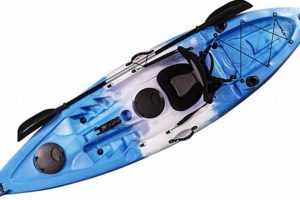
The cause-and-effect relationship between equipment rentals and resort success is multifaceted. Providing a diverse range of kayak options, from stable recreational models to specialized fishing kayaks, caters to varying skill levels and fishing styles. Offering top-of-the-line equipment, including comfortable seating, ample storage, and advanced features, enhances the on-the-water experience and justifies premium rental rates. Furthermore, offering essential accessories such as paddles, life vests, and fishing gear simplifies trip planning for guests and generates additional revenue streams for the resort. For example, a resort offering high-end fishing kayaks equipped with fish finders and rod holders caters to serious anglers seeking a competitive edge. Conversely, a resort offering stable recreational kayaks and basic fishing gear caters to families and casual anglers seeking a relaxed experience. Both scenarios demonstrate how tailored rental offerings attract specific clientele segments.
Understanding the practical significance of equipment rentals allows resorts to optimize their operations and maximize revenue potential. Regular maintenance and timely replacement of rental equipment ensures guest safety and satisfaction. Offering competitive rental rates balanced against equipment quality attracts budget-conscious anglers while maintaining profitability. Furthermore, integrating rental services with other resort offerings, such as guided tours or fishing packages, creates comprehensive experiences that enhance customer value and generate additional revenue. Successfully managing equipment rentals requires efficient inventory tracking, streamlined booking processes, and knowledgeable staff capable of providing guidance on equipment selection and usage. Addressing these operational considerations contributes directly to angler satisfaction and the long-term success of the kayak fishing resort.
7. On-site Amenities

On-site amenities significantly enhance the overall experience at a kayak fishing resort, contributing to angler satisfaction, operational efficiency, and revenue generation. These amenities represent a crucial component of a successful resort business model, differentiating a dedicated fishing destination from basic lodging options. A well-considered selection of amenities caters to diverse angler needs and preferences, fostering a convenient and enjoyable environment that encourages repeat business.
The presence and quality of on-site amenities directly influence angler perception and behavior. For example, a resort offering a well-stocked tackle shop allows anglers to replenish supplies conveniently, eliminating the need to travel off-site. A restaurant serving locally sourced cuisine provides a convenient dining option, enhancing the overall resort experience. Guided tours led by experienced professionals increase fishing success and provide valuable insights into local ecosystems. Other amenities, such as comfortable lounge areas, fire pits, and communal gathering spaces, foster social interaction and create a welcoming atmosphere. Conversely, the absence of essential amenities can detract from the overall experience, potentially leading to angler dissatisfaction and negative reviews. A resort lacking basic amenities like clean restrooms or convenient parking may struggle to attract and retain customers, impacting its long-term viability.
Understanding the strategic importance of on-site amenities allows resort operators to make informed decisions regarding resource allocation and service offerings. Investing in high-quality amenities that align with the target clientele enhances the resort’s appeal and justifies premium pricing. Regular maintenance and upkeep of amenities ensure consistent quality and contribute to positive guest experiences. Furthermore, promoting available amenities effectively through clear signage, online platforms, and guest communication materials maximizes their utilization and enhances perceived value. Successfully managing on-site amenities requires balancing operational costs against revenue potential, considering factors like staffing requirements, maintenance expenses, and potential return on investment. Addressing these considerations strategically contributes to long-term business success and reinforces the resort’s reputation as a premier fishing destination.
Frequently Asked Questions
This section addresses common inquiries regarding kayak fishing resorts, providing concise and informative responses to facilitate informed decision-making.
Question 1: What are the typical costs associated with a stay at a kayak fishing resort?
Costs vary significantly based on location, accommodation type, included amenities, and seasonality. Researching specific resorts and comparing packages is recommended.
Question 2: Is prior kayak fishing experience necessary?
Prior experience is beneficial but not always required. Many resorts offer introductory lessons, guided tours, and stable kayak options suitable for beginners.
Question 3: What type of fishing gear is recommended or provided?
Specific gear recommendations depend on targeted species and fishing techniques. Many resorts offer rental equipment, and inquiries regarding specific needs are encouraged.
Question 4: What safety precautions are typically in place at these resorts?
Reputable resorts prioritize safety, providing life vests, communication equipment, and adhering to established safety protocols. Inquiries regarding specific safety measures are recommended.
Question 5: What are the typical check-in/check-out procedures?
Procedures vary by resort. Directly contacting the chosen resort for specific check-in/check-out information is advised.
Question 6: Are there alternative activities available beyond fishing?
Many resorts offer additional activities like hiking, nature trails, or other local attractions. Checking with the specific resort for available activities is recommended.
Careful consideration of these frequently asked questions, coupled with thorough research, contributes to a well-informed and enjoyable kayak fishing resort experience.
For further inquiries or specific information, contacting the chosen resort directly is always recommended.
Kayak Fishing Resorts
This exploration of kayak fishing resorts has highlighted their specialized nature within the broader angling tourism sector. Key aspects, including strategic location selection, diverse accommodation options, convenient kayak access, the expertise of fishing guides, targeted species considerations, comprehensive equipment rentals, and the availability of on-site amenities, collectively contribute to a unique and rewarding angling experience. Each element plays a crucial role in shaping the resort’s identity, attracting specific clientele, and ensuring angler satisfaction.
The growing popularity of kayak fishing suggests continued expansion and specialization within this niche market. As angler demand evolves, kayak fishing resorts poised to adapt and innovate will thrive, offering increasingly specialized services and curated experiences. Careful consideration of the elements discussed herein positions resorts for success, contributing to a vibrant and sustainable angling tourism sector.