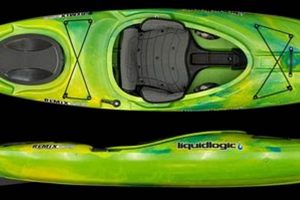
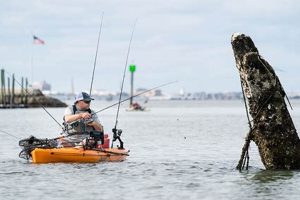
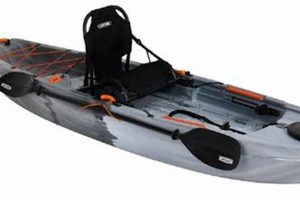
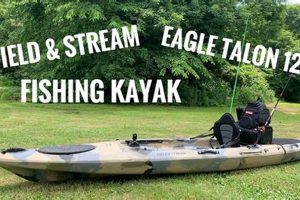
This sit-on-top vessel, manufactured by Wilderness Systems, is a specialized watercraft designed for angling. The “140” designates its length, a key factor influencing its stability and tracking in various water conditions. Its design prioritizes features relevant to anglers, such as rod holders, gear storage, and often a comfortable, elevated seating position.
Such specialized kayaks offer significant advantages over generic recreational kayaks or other small fishing boats. The relatively lightweight construction allows for easier transport and maneuverability. Purpose-built features improve the fishing experience by providing readily accessible storage for tackle and equipment, dedicated rod mounts, and often an ergonomic design reducing fatigue during long hours on the water. This type of watercraft has become increasingly popular as anglers seek efficient and enjoyable ways to access diverse fishing environments, from calm lakes to coastal waters.
The following sections delve deeper into specific aspects of this particular model, covering design features, performance characteristics, user experiences, and comparisons with other fishing kayaks in its class.
Tips for Utilizing a Fishing Kayak
Optimizing the use of a fishing kayak involves understanding its features and employing best practices for safety and effectiveness. The following tips offer guidance for enhancing the angling experience.
Tip 1: Weight Distribution and Balance: Proper weight distribution is crucial for stability. Gear should be evenly distributed, with heavier items positioned low and centrally. Practice entering and exiting the kayak in shallow water to understand its balance characteristics.
Tip 2: Paddle Selection and Technique: Choose a paddle appropriate for body size and kayak width. Employing efficient paddling techniques minimizes fatigue and maximizes speed and maneuverability. Consider a high-angle paddle stroke for power and a low-angle stroke for endurance.
Tip 3: Safety Precautions: Always wear a personal flotation device (PFD). Carry essential safety gear, including a whistle, signaling device, and first-aid kit. Check weather conditions before embarking and inform someone of your planned route and return time.
Tip 4: Effective Anchor Deployment: Utilize an anchor appropriate for the water conditions and bottom type. Deploy the anchor from the bow or stern, depending on wind and current, to maintain desired positioning for fishing.
Tip 5: Fish Finder Installation and Use: A fish finder can significantly improve angling success. Choose a model compatible with kayak mounting systems and learn to interpret the sonar readings effectively.
Tip 6: Gear Organization and Accessibility: Organize tackle and equipment for easy access. Utilize storage compartments and consider mounting accessories within reach to streamline fishing activities.
Tip 7: Respecting the Environment: Adhere to “Leave No Trace” principles. Pack out all trash, avoid disturbing wildlife, and respect other water users. Be mindful of fishing regulations and licensing requirements.
By implementing these tips, anglers can enhance their safety, improve their efficiency on the water, and maximize their enjoyment of the fishing experience.
In conclusion, strategic preparation and mindful practices are essential for a successful and rewarding fishing kayak outing.
1. Stability

Stability is a paramount consideration for any kayak, especially one designed for fishing. For the Wilderness Systems Atak 140, stability directly impacts its effectiveness as a fishing platform, influencing casting accuracy, angler comfort, and overall safety. A stable kayak allows for more confident movement and reduces the likelihood of capsizing, particularly important when handling fish or navigating challenging water conditions.
- Primary Stability:
Primary stability refers to the kayak’s initial resistance to tipping when rocked. The Atak 140’s hull design, featuring a relatively wide beam and a flat bottom, contributes to its high primary stability. This provides a secure feeling for anglers when sitting still and making minor adjustments. The wider stance and lower center of gravity is what allows anglers to feel safe.
- Secondary Stability:
Secondary stability describes the kayak’s resistance to capsizing when leaned further. While the Atak 140 prioritizes primary stability for a reassuring feel, its secondary stability allows for moderate leaning and maneuvering. Understanding the limits of secondary stability is important for activities like reaching for gear or fighting larger fish.
- Factors Affecting Stability:
Several factors can influence the Atak 140’s stability. Weight distribution plays a significant role; evenly distributing gear and positioning heavier items low in the kayak enhances stability. Water conditions, such as wind and waves, can also impact stability. Finally, the angler’s own body movements and positioning contribute to the overall stability of the vessel.
- Impact on Fishing Activities:
The stability of the Atak 140 directly benefits various fishing activities. Standing for sight fishing, casting larger lures, and landing fish are all made safer and more efficient by a stable platform. This enhanced stability allows anglers to focus on fishing rather than constantly adjusting their balance.
The Atak 140’s focus on stability makes it a suitable choice for anglers seeking a confident and secure fishing platform. Understanding the nuances of its stability characteristics, particularly the interplay between primary and secondary stability, allows anglers to maximize its potential in diverse fishing environments and situations.
2. Maneuverability

Maneuverability is a critical performance attribute influencing the effectiveness of the Wilderness Systems Atak 140 fishing kayak in various on-water scenarios. This characteristic dictates how easily and efficiently the kayak responds to paddle input, impacting navigation through tight spaces, swift currents, and changing water conditions. Efficient maneuverability allows anglers to access secluded fishing spots, navigate complex shorelines, and reposition quickly to follow schools of fish or adjust to changing wind and current patterns.
Several factors contribute to the Atak 140’s maneuverability. The hull design, while prioritizing stability, incorporates features that enhance turning responsiveness. The moderate length of 14 feet strikes a balance between tracking performance and turning ability. The inclusion of a rudder system further enhances control and precision in steering, particularly in windy conditions or moving water. Understanding the interplay between paddle technique, rudder usage, and hull design allows anglers to maximize the kayak’s maneuverability potential.
Consider navigating a narrow, winding creek choked with vegetation. The Atak 140’s maneuverability allows anglers to negotiate tight turns and obstacles effectively. In open water scenarios, responsive turning enables quick adjustments to changing wind or current directions, maintaining optimal fishing positions. When encountering submerged structure or pursuing fish, precise maneuvering becomes essential for accurate lure placement and effective fish fighting techniques. The ability to efficiently change direction and maintain control is paramount for a positive and productive fishing experience.
In summary, maneuverability significantly impacts the versatility and effectiveness of the Atak 140 as a fishing platform. The combination of hull design, rudder system, and skillful paddle technique allows anglers to navigate diverse water environments with confidence and precision, maximizing their access to prime fishing locations and enhancing their overall on-water performance.
3. Storage Capacity

Storage capacity is a defining feature of the Wilderness Systems Atak 140 fishing kayak, directly impacting its practicality and effectiveness for angling excursions. Adequate storage allows for the transport of essential gear, including tackle boxes, rods, safety equipment, and personal items. The Atak 140 addresses this need with a thoughtfully designed storage system incorporating various compartments and configurations. This capacity is crucial for maintaining organization, accessibility, and a clutter-free fishing environment. A well-organized kayak contributes to both efficiency and safety, allowing anglers to focus on fishing rather than managing gear.
Consider a scenario involving a multi-day fishing trip. The Atak 140’s storage capacity enables anglers to carry sufficient supplies, including camping gear, food, and water, in addition to fishing equipment. This capacity expands the kayak’s utility beyond day trips, opening opportunities for extended adventures in remote locations. Even for shorter excursions, ample storage allows for carrying a variety of rods, lures, and tackle to adapt to changing fishing conditions and target different species. The ability to transport specialized gear, such as electronics or photography equipment, further enhances the versatility of the kayak for diverse on-water activities. For instance, carrying extra clothing layers, rain gear, or a first aid kit contributes to safety and preparedness for unexpected situations.
In conclusion, the storage capacity of the Atak 140 is a key factor contributing to its functionality as a fishing platform. The strategic placement and design of storage compartments enhance organization and accessibility, while the overall volume allows for carrying a comprehensive array of gear for diverse fishing scenarios and extended trips. This feature significantly contributes to the kayak’s practicality, versatility, and overall effectiveness for serious anglers.
4. Comfort
Comfort is a critical factor influencing the overall enjoyment and effectiveness of extended fishing kayak excursions. In the context of the Wilderness Systems Atak 140, comfort directly impacts an angler’s ability to focus on fishing, reducing fatigue and enhancing endurance. Several design elements contribute to the Atak 140’s comfort level. The Phase 3 AirPro MAX seat, a key feature, offers adjustable support and breathability, minimizing pressure points and promoting airflow. This adjustable seating system allows for customization based on individual body types and preferences, contributing to long-term comfort during extended periods on the water. Furthermore, the kayak’s deck layout provides ample space for leg movement and stretching, reducing cramped conditions that can lead to discomfort and fatigue.
Consider a scenario involving a full day of fishing. A comfortable seating system, like the one incorporated into the Atak 140, can significantly reduce fatigue and back pain, allowing anglers to remain focused and productive throughout the day. The ability to adjust the seat position and customize support contributes to optimal posture and reduces strain on the body. Ample legroom allows for occasional stretching and shifting of position, further enhancing comfort and minimizing fatigue. These seemingly minor details can significantly impact the overall fishing experience, particularly during long hours on the water. For example, an angler experiencing discomfort might be less likely to explore distant fishing spots or persist in challenging conditions, potentially limiting fishing success.
In conclusion, comfort is an integral component of the Atak 140’s design, contributing significantly to its practicality and effectiveness as a fishing platform. Features like the adjustable seating system and spacious deck layout contribute to reduced fatigue, enhanced endurance, and improved overall enjoyment of the fishing experience. Addressing comfort needs allows anglers to maximize their time on the water, focusing on fishing rather than physical discomfort, ultimately enhancing their overall success and satisfaction. This attention to comfort distinguishes the Atak 140 as a kayak designed for serious anglers who prioritize long-term performance and enjoyment on the water.
5. Fishing Features
Specialized features distinguish fishing kayaks from recreational models. The Wilderness Systems Atak 140 incorporates several key elements designed to enhance angling effectiveness and efficiency. These features contribute directly to improved organization, accessibility, and overall fishing performance. Understanding these features and their practical applications is crucial for maximizing the kayak’s potential on the water.
- Rod Holders:
Multiple rod holders, strategically positioned for easy access and secure storage, are a defining feature. Flush-mounted rod holders allow for trolling or storing rods while paddling, while adjustable rod holders accommodate various fishing techniques and preferences. An angler might, for instance, position a rod for trolling while simultaneously having another rigged and ready for casting. This configuration maximizes fishing opportunities and streamlines transitions between techniques.
- Tackle Storage:
Dedicated compartments and storage solutions for tackle boxes, tools, and other small items are essential for maintaining organization and efficiency. The Atak 140 offers various storage options, including a center console with removable bins and side storage pockets. Efficient tackle organization allows anglers to quickly locate and access necessary items, minimizing disruptions and maximizing fishing time. For example, readily accessible leader line, hooks, and lures allow for quick changes and adjustments based on changing fishing conditions or target species.
- Gear Tracks and Mounting Points:
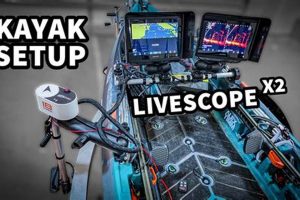
Integrated gear tracks and mounting points provide versatile options for customizing the kayak with accessories such as fish finders, GPS units, cameras, and additional rod holders. These customization options allow anglers to tailor the kayak to their specific needs and preferences. For instance, mounting a fish finder provides real-time information about water depth, bottom structure, and fish location, enhancing fishing strategy and effectiveness. The ability to add or reposition accessories contributes to a personalized and highly functional fishing platform.
- Anchor System:
An efficient anchor system is crucial for maintaining position in desired fishing locations, especially in current or wind. The Atak 140’s anchor trolley system allows for controlled deployment and retrieval of the anchor from various points on the kayak, enhancing stability and precision in positioning. This feature is particularly valuable in rivers, tidal areas, or open water where maintaining position is essential for effective fishing. For instance, deploying the anchor upwind or upcurrent allows anglers to maintain a desired drift or position relative to structure or fish.
These integrated fishing features contribute significantly to the Atak 140’s effectiveness as a dedicated fishing platform. The combination of rod holders, tackle storage solutions, mounting options, and an anchor system streamlines fishing activities, enhances organization, and improves overall on-water performance. By understanding the functionality and strategic application of these features, anglers can maximize their fishing success and enjoyment on the water.
6. Durability
Durability is a critical factor influencing the long-term value and performance of the Wilderness Systems Atak 140 fishing kayak. This attribute encompasses the kayak’s ability to withstand the rigors of regular use, including impacts, abrasion, UV exposure, and fluctuating temperatures. The Atak 140’s construction, featuring a robust polyethylene hull, contributes significantly to its durability. This material offers a balance of impact resistance, stiffness, and affordability, making it suitable for diverse fishing environments, from rocky shorelines to open ocean conditions. Furthermore, the kayak’s hardware and outfitting components are designed to withstand corrosion and wear, ensuring long-term functionality and reliability.
Consider the impact of dragging the kayak across sandy beaches or rocky terrain. A durable hull material, such as the polyethylene used in the Atak 140, minimizes the risk of scratches, punctures, and other damage that can compromise the kayak’s structural integrity. Similarly, exposure to sunlight and fluctuating temperatures can degrade less durable materials over time. The Atak 140’s resistance to UV degradation and temperature extremes contributes to its longevity and sustained performance across various climates and conditions. Investing in a durable kayak minimizes the need for frequent repairs and replacements, reducing long-term costs and ensuring consistent performance throughout the kayak’s lifespan. For example, a durable hull can withstand impacts from submerged obstacles or accidental collisions, preventing leaks and maintaining the kayak’s seaworthiness. Durable hardware ensures that essential components like rod holders, hatches, and rudder systems continue to function reliably over time.
In conclusion, the durability of the Atak 140 is a crucial factor contributing to its long-term value and performance as a fishing platform. Its robust construction, featuring a durable polyethylene hull and corrosion-resistant hardware, ensures reliable performance and minimizes the risk of damage from regular use, impacts, UV exposure, and temperature fluctuations. This inherent durability translates to a lower cost of ownership, increased longevity, and sustained performance, allowing anglers to enjoy countless fishing adventures with confidence and peace of mind.
Frequently Asked Questions
This section addresses common inquiries regarding the Wilderness Systems Atak 140 fishing kayak, providing concise and informative responses to facilitate informed decision-making.
Question 1: What is the weight capacity of the Atak 140?
The Atak 140 boasts a substantial weight capacity, generally exceeding 400 lbs. This capacity comfortably accommodates the combined weight of an angler, gear, and potential catch.
Question 2: Is the Atak 140 suitable for both freshwater and saltwater fishing?
Designed for versatility, the Atak 140 performs admirably in both freshwater and saltwater environments. Its durable construction withstands the corrosive effects of saltwater, while its stability and maneuverability prove advantageous in diverse water conditions.
Question 3: How does the Atak 140 perform in windy conditions?
While its wider beam contributes to stability, the Atak 140 can be susceptible to wind drift. Utilizing the integrated rudder system significantly improves tracking and control in windy conditions.
Question 4: What is the recommended paddle length for the Atak 140?
Optimal paddle length depends on individual factors such as torso height and paddling style. Consulting a paddle sizing chart or seeking expert advice is recommended for determining the most appropriate length.
Question 5: Can the Atak 140 be transported on a standard car roof rack?
Yes, the Atak 140 can typically be transported on standard car roof racks using appropriate kayak carriers and tie-down straps. However, confirming compatibility with specific roof rack systems is advised.
Question 6: How does the Atak 140 compare to other fishing kayaks in its price range?
The Atak 140 offers a competitive combination of features, performance, and durability within its price range. Comparing specific features and specifications with other models can further inform purchasing decisions based on individual priorities and preferences.
Understanding these key aspects of the Atak 140 empowers potential buyers to make informed decisions based on individual needs and preferences. Thorough research and consideration of specific fishing requirements are crucial for selecting the most appropriate kayak.
Further sections will explore user reviews, maintenance recommendations, and comparisons with competing models.
Conclusion
The Wilderness Systems Atak 140 fishing kayak presents a compelling option for anglers seeking a dedicated fishing platform. Its blend of stability, maneuverability, and specialized features caters to diverse fishing styles and environments. Careful consideration of factors such as storage capacity, comfort, and durability reveals a kayak designed for serious anglers. The comprehensive examination of its attributes underscores its potential to enhance fishing experiences.
Ultimately, the selection of a fishing kayak hinges on individual needs and priorities. A thorough understanding of the Atak 140’s capabilities empowers informed decision-making, potentially leading to enhanced on-water performance and countless rewarding fishing adventures. Continued exploration of available options and careful evaluation remain essential for aligning choice with individual fishing aspirations.