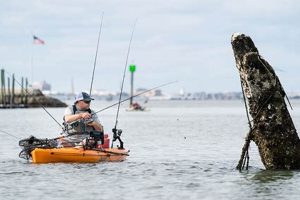
Virtual simulations of angling from a kayak combine the strategic challenge of sport fishing with the unique physical demands and tactical considerations of navigating a small watercraft. These digital experiences may involve selecting appropriate gear, choosing optimal locations based on virtual weather patterns and water conditions, and employing realistic casting and reeling techniques to land a variety of digital fish species. For example, a player might choose a specific lure, cast it near a submerged log in a virtual lake, and then carefully manage their line tension and kayak’s position to successfully hook and reel in a virtual bass.
Such simulations offer a safe and accessible way to practice angling techniques, learn about different fish species and their habitats, and experience the thrill of the catch without the logistical challenges and environmental impact of real-world fishing. This accessibility expands the potential audience to individuals who may not have the opportunity or resources to participate in traditional kayak fishing. Furthermore, the controlled environment allows for experimentation with different strategies and techniques, fostering skill development and a deeper understanding of angling principles.
The following sections will delve further into specific aspects of these digital fishing experiences, covering topics such as available platforms, game mechanics, and the potential for educational and training applications.
Tips for Success in Virtual Kayak Fishing
Strategic gameplay in virtual kayak fishing requires attention to several key elements. The following tips offer guidance for enhancing performance and enjoyment within these digital environments.
Tip 1: Master Kayak Control: Precise maneuvering is crucial. Practice navigating the virtual kayak effectively, utilizing both paddle and rudder controls for optimal positioning in relation to target fish and structure.
Tip 2: Understand Fish Behavior: Different virtual species exhibit unique behaviors influenced by factors such as water temperature, time of day, and available forage. Researching these patterns is essential for targeting specific species.
Tip 3: Select Appropriate Tackle: Match virtual rods, reels, lines, and lures to the target species and fishing conditions. Experimentation is encouraged to determine the most effective combinations.
Tip 4: Consider Environmental Factors: Pay attention to virtual weather patterns, water clarity, and current. These elements influence fish behavior and should inform location selection and angling techniques.
Tip 5: Refine Casting Techniques: Accuracy and distance in virtual casting contribute significantly to success. Practice different casting styles to improve proficiency and reach desired fishing spots.
Tip 6: Employ Strategic Retrieval Methods: Varying the speed and action of lure retrieval can entice virtual fish to strike. Experiment with different retrieval patterns to discover what works best for each species.
Tip 7: Manage Line Tension Carefully: Maintaining proper line tension is essential for hooking and landing virtual fish. Avoid excessive tension that could break the line, but ensure enough pressure to keep the fish hooked.
By focusing on these elements, players can significantly enhance their virtual angling prowess and derive greater enjoyment from these interactive experiences.
These strategies offer a solid foundation for success in the world of virtual kayak fishing. The following section will discuss the future of this emerging form of digital entertainment.
1. Realistic Physics

Accurate physical simulation forms the foundation of immersive and engaging kayak fishing games. Faithful recreation of real-world forces, such as water resistance, buoyancy, and momentum, directly impacts gameplay, requiring players to employ realistic paddling techniques and consider environmental factors.
- Water Resistance and Drag:
Kayak movement through virtual water encounters resistance, influenced by hull design, water density, and current speed. Just as a real kayak experiences drag, the digital counterpart requires appropriate force application for efficient paddling and maneuvering. This realistic drag necessitates strategic paddle usage and affects overall speed and control.
- Buoyancy and Stability:
Simulating buoyancy accurately is critical for replicating the feeling of a kayak on the water. Weight distribution, both from the virtual angler and equipment, influences stability and responsiveness. Players must consider these factors, just as in real-world kayaking, to avoid capsizing, especially during the fight with a virtual fish.
- Momentum and Inertia:
Kayaks possess inertia, meaning they resist changes in motion. Realistic physics engines capture this effect, requiring players to anticipate movements and apply appropriate force for starting, stopping, and turning. This adds a layer of realism to navigation, especially in challenging conditions like strong currents or wind.
- Environmental Interactions:
Wind, waves, and currents exert forces on a kayak, influencing its movement and stability. Realistic simulations incorporate these elements, requiring players to adapt their paddling techniques and consider environmental factors for successful navigation and angling. This interplay between the kayak and its surroundings enhances the immersive nature of the game.
By incorporating these physical principles, kayak fishing games offer a more engaging and authentic experience. Players must learn to manage these forces effectively to navigate successfully, position themselves strategically for fishing, and ultimately, land their virtual catch. This level of realism bridges the gap between the digital world and the physical experience of kayak fishing, enhancing both enjoyment and skill development.
2. Diverse Environments

A range of virtual environments significantly enhances the realism and replayability of kayak fishing games. These digital landscapes, mimicking real-world locations, present diverse challenges and opportunities, impacting strategic decisions and gameplay. Variety in location types, geographical features, and environmental conditions contributes to a more engaging and immersive experience.
Lakes, rivers, and coastal areas offer distinct fishing experiences. A calm lake necessitates different angling techniques compared to navigating a fast-flowing river or dealing with tidal currents in an estuary. Geographical features, such as submerged structures, vegetation, and varying depths, influence fish distribution and require specific approaches for successful angling. Weather patterns, including wind, rain, and temperature fluctuations, further impact fish behavior and require players to adapt their strategies. For instance, a shallow, weedy lake in Florida demands a different approach than fishing the deep, rocky canyons of a desert reservoir in Arizona. This variety allows players to explore diverse ecosystems and refine their virtual fishing skills across a spectrum of conditions.
The availability of diverse environments allows players to explore various fishing styles and tackle choices. The strategic selection of location, combined with an understanding of how environmental factors influence fish behavior, becomes crucial for success. This depth of simulation adds to the overall challenge and replayability, encouraging continued engagement and exploration within the virtual world. Furthermore, exposure to different virtual environments can enhance a player’s understanding of real-world ecosystems and conservation principles, fostering appreciation for the natural world. Adapting to varied conditions in a virtual setting can translate to improved preparedness and adaptability in real-world fishing scenarios.
3. Strategic Gameplay
Strategic gameplay forms the core of engaging kayak fishing games, distinguishing them from simple arcade-style experiences. Success hinges on thoughtful planning and adaptive decision-making, mirroring the complexities of real-world angling. This strategic depth adds a layer of challenge and reward, enriching the overall experience and promoting continued engagement.
Several key elements contribute to the strategic dimension of these games. Choosing the right location based on factors like time of day, weather patterns, and known fish habitats is crucial. Selecting appropriate tacklerods, reels, lines, and luresmatched to the target species and environmental conditions plays a vital role. Skillful kayak maneuvering is essential for reaching prime fishing spots and maintaining optimal positioning relative to structure and currents. Adapting retrieval techniques to entice strikes and carefully managing line tension during a fight contribute significantly to landing a virtual catch. For example, targeting largemouth bass in a virtual lake requires selecting a location with submerged vegetation, using a weedless lure, and retrieving it slowly to mimic natural prey. Changing weather patterns within the game might necessitate switching to a different location or adjusting retrieval speed. These dynamic elements require players to analyze situations, adapt their strategies, and execute their plans effectively.
Understanding the interplay of these strategic elements is essential for consistent success in virtual kayak fishing. This analytical approach to gameplay not only enhances enjoyment but also fosters a deeper understanding of angling principles. The ability to analyze virtual environments, predict fish behavior, and adapt strategies accordingly can translate to improved performance in real-world fishing scenarios. The strategic depth inherent in these games elevates them beyond mere entertainment, offering a platform for skill development and a more immersive, rewarding experience. Furthermore, challenges presented within the games, such as limited virtual resources or changing environmental conditions, encourage creative problem-solving and strategic thinking, enriching the overall gameplay experience.
4. Species-specific behavior
Realistic portrayal of species-specific behavior is crucial for creating immersive and challenging kayak fishing games. Virtual fish replicating real-world counterparts in terms of habitat preferences, feeding patterns, and responses to environmental stimuli enhance the strategic depth and educational value of these simulations. Understanding these nuances allows players to tailor their approach for each species, mirroring the complexities of real-world angling. For example, virtual largemouth bass might prefer ambush points near submerged vegetation, requiring lures and retrieval techniques that mimic their natural prey. Conversely, virtual rainbow trout, often found in cooler, faster-moving water, might respond better to smaller, brightly colored lures presented with a quicker retrieval. This differentiation in behavior necessitates strategic adaptation, adding a layer of realism and challenge to the gameplay.
Accurately simulating species-specific behavior has several practical implications for kayak fishing games. It reinforces the importance of observation and adaptation, encouraging players to analyze virtual environments, identify potential fish-holding areas based on species preferences, and adjust tackle and techniques accordingly. This process mirrors real-world angling, where understanding fish behavior is crucial for success. Moreover, incorporating realistic responses to environmental factors like water temperature, clarity, and current further enhances the simulation’s authenticity. For instance, virtual fish might seek deeper, cooler water during hot weather or become more active during low-light conditions, requiring players to adapt their strategies based on these dynamic factors. This level of detail not only increases the game’s challenge but also provides valuable insights into fish ecology and behavior.
In conclusion, integrating species-specific behavior elevates kayak fishing games beyond simple simulations. By replicating the complexities of real-world fish behavior, these games offer a more engaging and educational experience. Players are challenged to apply their knowledge of fish ecology and adapt their strategies accordingly, fostering a deeper understanding of angling principles and the importance of conservation. This focus on realism enhances the overall enjoyment and promotes continued engagement, bridging the gap between the virtual world and the real-world passion for angling.
5. Equipment Customization

Equipment customization plays a significant role in virtual kayak fishing, impacting gameplay and strategic depth. The ability to personalize setups, mirroring real-world angling practices, allows players to optimize their approach based on target species, environmental conditions, and individual preferences. This level of control enhances realism and encourages experimentation, fostering a deeper understanding of the relationship between equipment choices and angling outcomes.
- Rod and Reel Selection
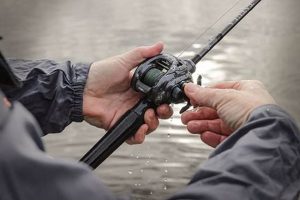
Different rod and reel combinations offer varying levels of power, sensitivity, and casting distance. A lightweight spinning setup might be ideal for targeting smaller species with finesse techniques, while a heavier baitcasting setup might be necessary for larger, more powerful fish. Selecting the appropriate combination influences casting accuracy, lure presentation, and the ability to manage larger fish during a fight.
- Line and Lure Choices
Line weight and type significantly impact casting distance, sensitivity, and the ability to handle different fish species. Similarly, lure selection plays a critical role in attracting target species. Factors like lure size, color, action, and diving depth influence effectiveness. Matching line and lure choices to target species and fishing conditions is crucial for success.
- Kayak Configuration
Customizing the virtual kayak with accessories like rod holders, fish finders, and anchors further enhances realism and strategic options. Rod holders allow for efficient organization and quick access to different setups. Fish finders provide valuable information about water depth, structure, and fish location. Anchors enable precise positioning in specific fishing spots. These customizations improve angling efficiency and allow for more specialized approaches.
- Accessory Management
Beyond the core fishing equipment, accessories like landing nets, pliers, and tackle boxes contribute to a more immersive and realistic experience. Landing nets assist in securing larger fish, minimizing the risk of losing them at the boat. Pliers are essential for removing hooks and cutting lines. Organized tackle boxes facilitate efficient lure changes and streamline the fishing process.
The ability to customize equipment in virtual kayak fishing adds depth and strategic complexity to the gameplay. Players can fine-tune their setups to match specific conditions and target species, mirroring the meticulous preparation that often precedes real-world fishing trips. This level of detail enhances realism and encourages experimentation, ultimately leading to a more engaging and rewarding experience. Furthermore, it allows players to develop a deeper understanding of the relationship between equipment choices and angling outcomes, fostering a sense of mastery and accomplishment. The customization options reflect the diverse approaches possible in real-world kayak angling, providing players with the tools to explore various techniques and strategies in the virtual environment.
6. Tournament Play
Tournament play adds a competitive layer to kayak fishing games, introducing structured competition and ranking systems. These virtual tournaments mirror real-world angling competitions, challenging players to apply their skills and strategic thinking under pressure. The competitive format enhances engagement and encourages players to refine their techniques, fostering a deeper understanding of angling principles and promoting a sense of community among virtual anglers.
- Competition Formats
Virtual tournaments can adopt various formats, mirroring real-world angling competitions. These formats might include catch-and-release events where points are awarded based on the length or weight of digitally caught fish, or total weight challenges where the combined weight of all catches determines the winner. Different formats introduce varied challenges and strategic considerations, requiring players to adapt their approaches accordingly. A catch-and-release tournament emphasizes precision and the ability to quickly land and release fish, while a total weight challenge prioritizes finding and landing the largest possible virtual fish.
- Ranking and Progression
Tournament participation contributes to player rankings within the game, reflecting skill and achievement. Ranking systems incentivize continued participation and skill development, providing a sense of progression and accomplishment. Players can compare their performance against others, fostering a competitive environment and driving improvement. Climbing the virtual ranks can unlock access to exclusive content, such as new fishing locations, equipment, or customization options.
- Social Interaction
Tournaments often facilitate social interaction among players, fostering a sense of community within the virtual angling world. Players might share tips, strategies, and experiences, contributing to a collaborative learning environment. This social element can enhance enjoyment and provide opportunities for connection and camaraderie among players who share a passion for virtual fishing. In-game communication features, forums, and social media groups dedicated to the game can further strengthen these connections.
- Strategic Adaptation
Tournament play demands a higher level of strategic thinking compared to casual gameplay. Players must consider factors like time limits, specific scoring rules, and the competitive landscape to optimize their approach. This strategic depth adds complexity and excitement to the experience. For example, in a tournament with limited time, players might prioritize targeting specific species known to inhabit certain areas, rather than exploring the entire virtual environment. Understanding the scoring system is crucial for maximizing points and gaining a competitive edge. This dynamic encourages players to refine their strategies and adapt to changing circumstances, enhancing their overall angling skills.
By incorporating these elements, tournament play elevates the virtual kayak fishing experience, fostering a sense of community, promoting skill development, and adding a competitive edge. The structured format and ranking systems provide clear goals and incentives, encouraging players to refine their techniques and strategic thinking. This blend of competition and camaraderie strengthens engagement and transforms the individual pursuit of virtual angling into a shared experience, enriching the overall enjoyment and depth of kayak fishing games. The dynamic environment of tournaments provides a testing ground for virtual anglers to hone their skills and demonstrate their mastery within the digital world.
7. Accessibility and Learning

Virtual kayak fishing offers a unique intersection of accessibility and learning, expanding the reach of this activity beyond traditional boundaries. These digital platforms provide opportunities for skill development, knowledge acquisition, and experiential learning without the physical limitations, financial barriers, or geographical constraints associated with real-world angling. This accessibility opens doors for a wider audience to engage with the sport, fostering appreciation for the natural world and promoting conservation awareness.
- Overcoming Physical Barriers
Individuals with physical limitations that prevent participation in traditional kayak fishing can experience the activity through virtual platforms. These simulations eliminate the need for physical strength, balance, and endurance required for paddling and maneuvering a real kayak. This inclusivity expands access to a wider audience, allowing individuals of varying physical abilities to engage with the sport and enjoy the challenge of virtual angling.
- Risk-Free Learning Environment
Virtual environments provide a safe space for experimentation and learning without the risks associated with real-world fishing. Players can practice casting techniques, explore different fishing locations, and experiment with various tackle combinations without fear of equipment damage, personal injury, or environmental impact. This risk-free environment fosters confidence and encourages exploration, allowing individuals to develop their skills at their own pace.
- Knowledge Acquisition and Skill Development
Kayak fishing games often incorporate educational elements, providing information about fish species, their habitats, and effective angling techniques. This integrated learning component enhances the overall experience and promotes a deeper understanding of aquatic ecosystems. Players can learn about different fish species, their preferred habitats, and the factors that influence their behavior. This knowledge can translate to improved performance in both virtual and real-world fishing scenarios.
- Cost-Effectiveness and Convenience
Compared to the financial investment required for real-world kayak fishing, virtual platforms offer a cost-effective alternative. The initial cost of the game or simulation software is often significantly less than the combined expense of a kayak, fishing gear, licenses, and travel. Additionally, virtual fishing eliminates the need for travel to fishing locations, providing a convenient and accessible way to experience the activity from anywhere with an internet connection.
By removing barriers and providing a platform for interactive learning, virtual kayak fishing expands the reach of the sport and fosters a broader appreciation for angling and aquatic ecosystems. These digital platforms offer a valuable tool for skill development, knowledge acquisition, and experiential learning, contributing to a more inclusive and accessible angling experience for a diverse audience. The integration of realistic game mechanics, species-specific behavior, and diverse virtual environments further enhances the educational value of these platforms, blurring the lines between entertainment and interactive learning experiences. This convergence opens up exciting possibilities for the future of angling, conservation education, and accessible recreational activities.
Frequently Asked Questions about Kayak Fishing Games
This section addresses common inquiries regarding kayak fishing games, providing clarity and dispelling potential misconceptions.
Question 1: What platforms are kayak fishing games available on?
Availability varies depending on the specific title. Platforms may include PC, gaming consoles, mobile devices, and virtual reality systems. Checking individual game specifications is recommended.
Question 2: Do these games require specialized controllers?
Most games are compatible with standard controllers or keyboard and mouse input. Some titles may offer enhanced compatibility with specialized fishing controllers for a more immersive experience.
Question 3: Can kayak fishing games improve real-world angling skills?
While not a substitute for real-world experience, these games can enhance understanding of fish behavior, environmental influences, and tackle selection, potentially improving angling strategy and technique.
Question 4: Are these games suitable for all ages?
Age appropriateness varies depending on the specific game’s content and complexity. Reviewing age ratings and content descriptions before purchase is advised.
Question 5: Do kayak fishing games require an internet connection?
Some titles offer offline single-player modes, while others require an internet connection for online multiplayer features, tournaments, or updates. Checking individual game requirements is recommended.
Question 6: How realistic are the physics and environmental simulations in these games?
Realism varies among titles. Some prioritize arcade-style gameplay, while others emphasize realistic physics engines, water dynamics, and accurate fish behavior. Reviewing game descriptions and user feedback can provide insight into the level of realism offered by specific titles.
Understanding these aspects can aid in selecting a kayak fishing game that aligns with individual preferences and expectations. Thorough research is always recommended before making a purchase.
The subsequent section will delve into specific game recommendations based on various criteria.
Conclusion
This exploration of kayak fishing games has highlighted their evolution from basic simulations to sophisticated interactive experiences. Key aspects, including realistic physics, diverse virtual environments, strategic gameplay, species-specific behavior, equipment customization, tournament play, and accessibility, contribute to their growing popularity and educational potential. These digital platforms offer a unique blend of entertainment and learning, providing opportunities for skill development and fostering a deeper understanding of angling principles and aquatic ecosystems.
The continued advancement of technology promises further enhancements in realism, immersion, and accessibility within kayak fishing games. As these virtual experiences become increasingly sophisticated, their potential to bridge the gap between digital entertainment and real-world angling practices expands, offering exciting possibilities for both seasoned anglers and newcomers alike. The accessibility inherent in these platforms democratizes the sport, fostering wider appreciation for the natural world and promoting responsible angling practices for future generations.