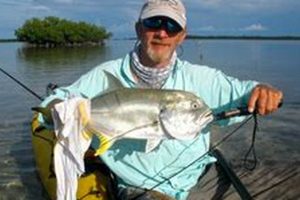
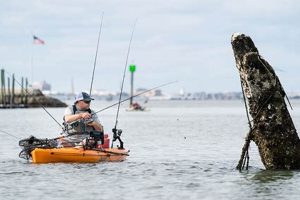
This activity involves angling from a small, human-powered vessel in the nearshore waters of a mid-latitude coastal region. It offers access to a variety of fish species and habitats often inaccessible from shore or larger boats. For example, paddling allows quiet approach to shallow estuaries and kelp forests, ideal for targeting species like halibut, rockfish, or calico bass.
Combining paddling with angling provides both recreational and practical advantages. It offers a low-impact way to experience the natural environment, promoting physical activity and a deeper connection with marine ecosystems. Historically, kayaks and other small craft were essential tools for coastal communities, facilitating fishing and transportation. This form of fishing continues that tradition, albeit often with modern materials and technologies that enhance both enjoyment and safety.
The following sections will delve into specific aspects of this pursuit, including equipment choices, suitable locations, target species, and responsible fishing practices. Further exploration will cover safety considerations, relevant regulations, and techniques for maximizing success on the water.
Tips for Nearshore Kayak Angling
Preparation and knowledge contribute significantly to successful and safe fishing excursions from a kayak. The following tips provide valuable insights for anglers of all skill levels.
Tip 1: Prioritize Safety Equipment. Always wear a personal flotation device (PFD). Carry a whistle, signaling mirror, and VHF radio for emergencies. A first-aid kit and basic repair tools are also essential.
Tip 2: Check Weather and Tide Charts. Understanding local conditions is crucial. Wind, swell, and currents can significantly impact kayak handling and angler safety. Plan trips around favorable conditions and avoid paddling in strong winds or currents.
Tip 3: Choose Appropriate Gear. Rods, reels, and tackle should be suited to the target species and the kayak fishing environment. Shorter rods are often preferable for maneuverability. Consider using a rod leash to prevent loss in case of capsizing.
Tip 4: Plan Your Launch and Landing. Select launch sites with calm water and easy access. Be mindful of potential hazards such as rocks, submerged obstacles, and boat traffic. Consider tides and currents when planning your return.
Tip 5: Practice Kayak Control. Develop proficient paddling skills and practice maneuvering the kayak in various conditions before venturing out to fish. Learn how to recover from a capsize and re-enter the kayak safely.
Tip 6: Respect Wildlife and the Environment. Practice catch and release whenever possible. Minimize disturbance to marine habitats and avoid discarding fishing line or other debris in the water. Adhere to local fishing regulations.
Tip 7: Employ Stealth Techniques. Approach fishing areas quietly, minimizing paddle splashes and noise. Use natural drift and current to your advantage. Observe water conditions and bird activity for clues about fish location.
By adhering to these guidelines, anglers can enhance their chances of a successful and enjoyable outing while prioritizing safety and environmental stewardship.
In conclusion, thorough preparation and adherence to safe practices are paramount for a positive nearshore kayak fishing experience. The information presented here serves as a starting point for further exploration of this rewarding activity.
1. Location Scouting

Effective location scouting is paramount for successful central coast kayak fishing. The central coast presents diverse nearshore environments, each with unique characteristics influencing fish distribution and angling opportunities. Careful consideration of factors like water depth, structure, currents, and prevailing winds is essential during the scouting process. Protected bays and estuaries offer calmer waters suitable for less experienced kayakers, often holding species like halibut and leopard shark. Rocky reefs and kelp forests, while potentially more challenging to navigate, attract rockfish, lingcod, and cabezon. Understanding these habitat preferences and how they interact with prevailing conditions allows anglers to target specific species effectively. For instance, scouting a potential launch site involves assessing not only the ease of access but also the proximity to promising fishing grounds and the potential impact of wind and tides on kayak control. Overlooking this critical step can lead to unproductive trips or even hazardous situations.
Practical scouting techniques involve utilizing various resources. Nautical charts and online mapping tools provide crucial information about water depth, bottom contours, and potential hazards. Local knowledge from bait shops, fishing reports, or experienced anglers can offer valuable insights into current fishing conditions and productive areas. Physical observation of potential locations during different tides and times of day can reveal patterns in water movement, baitfish activity, and the presence of target species. For example, observing diving birds or surface disturbances can indicate feeding activity beneath the surface. Combining these resources allows anglers to develop a comprehensive understanding of the area and select locations with the highest probability of success. This knowledge also aids in developing contingency plans, identifying alternative locations in case of unfavorable conditions at the primary site.
Thorough location scouting directly contributes to increased catch rates and enhances overall fishing experience. It reduces time spent searching for productive water, allowing more focused angling. Furthermore, understanding the dynamics of chosen locations enhances situational awareness and promotes safer navigation. The ability to anticipate changes in tides, currents, and weather patterns is critical for angler safety, especially in the dynamic environment of the central coast. Ultimately, effective location scouting is an investment that pays dividends in terms of both fishing success and overall enjoyment of the experience.
2. Kayak Selection
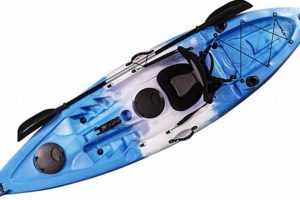
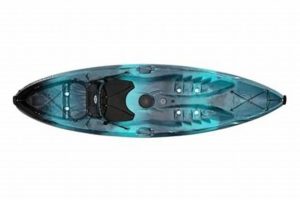
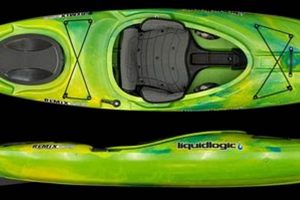
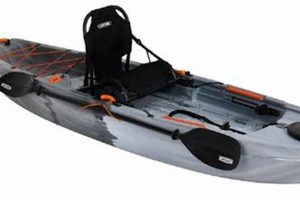
Kayak selection significantly influences the effectiveness and enjoyment of central coast kayak fishing. The central coast’s diverse conditions, ranging from calm estuaries to exposed open ocean, necessitate careful consideration of kayak characteristics. Stability, maneuverability, and storage capacity are key factors affecting angler performance and safety. A stable kayak platform allows comfortable casting and fish fighting, crucial in potentially challenging conditions. Maneuverability facilitates navigation through kelp forests, rocky reefs, and areas with variable currents. Adequate storage accommodates essential fishing gear, safety equipment, and potential catches. For instance, a longer, narrower kayak offers better tracking in open water but might be less stable than a shorter, wider design. Conversely, a shorter kayak excels in maneuverability within confined spaces but may struggle with open-water paddling efficiency.
Matching kayak design to specific fishing styles enhances angling effectiveness. Sit-on-top kayaks offer excellent stability and ease of re-entry after a capsize, making them suitable for nearshore fishing. Sit-inside kayaks provide better protection from the elements and offer drier storage, advantageous for longer trips or colder conditions. Pedal-driven kayaks allow hands-free fishing, increasing casting efficiency and lure presentation. Selecting the right kayak type depends on individual angler preferences, target species, and the intended fishing locations. For example, a sit-on-top kayak equipped with rod holders and a fish finder suits anglers targeting rockfish around nearshore reefs, while a pedal-driven kayak provides advantages for trolling for salmon in open water. Furthermore, specialized fishing kayaks often incorporate features like live wells, bait tanks, and integrated tackle storage, enhancing the overall angling experience.
Appropriate kayak selection contributes significantly to both safety and fishing success. A stable and maneuverable kayak enhances angler confidence and control, particularly in challenging conditions. Ample storage capacity ensures essential safety gear remains readily accessible. Understanding the trade-offs between stability, speed, and maneuverability enables informed decisions aligned with individual needs and fishing goals. Choosing a kayak suited to the central coast environment and the target species ultimately maximizes fishing opportunities while prioritizing angler safety. This thoughtful approach translates to a more rewarding and secure experience on the water.
3. Targeted Species
Targeted species selection significantly influences equipment choices, fishing locations, and techniques employed in central coast kayak fishing. The central coast offers diverse fish populations, each with specific habitat preferences and behavioral patterns. Anglers focusing on rockfish, for example, might choose rocky reefs and kelp forests as primary fishing locations, utilizing heavier tackle and lures designed for deeper water presentations. Conversely, targeting halibut might involve drifting live bait or slow-trolling artificial lures over sandy flats or near kelp bed edges. Understanding the feeding habits and preferred habitats of target species allows anglers to tailor their approach, increasing the likelihood of successful catches. This targeted approach not only maximizes efficiency but also minimizes environmental impact by reducing incidental catches of non-target species.
Matching fishing techniques to targeted species behavior further enhances angling success. For instance, surfperch often congregate near breaking waves, requiring anglers to position their kayaks carefully and employ lighter tackle to present baits or lures effectively in the turbulent surf zone. Similarly, targeting calico bass involves understanding their preference for structure, leading anglers to focus on areas with submerged rocks, kelp beds, or pier pilings. Employing techniques like drop-shotting or using small swimbaits allows precise lure presentation in these complex environments. Consideration of tidal influences also plays a crucial role; certain species, like white seabass, exhibit increased activity during specific tidal phases, impacting the optimal timing of fishing trips. This knowledge of species-specific behavior allows anglers to refine their techniques, adapt to changing conditions, and maximize their chances of a successful catch.
Effective species targeting promotes responsible fishing practices and contributes to the sustainability of central coast fisheries. By focusing on specific species and employing appropriate gear and techniques, anglers minimize bycatch and reduce potential harm to unintended species. Understanding size and catch limits for targeted species ensures compliance with regulations designed to protect fish populations. Practicing catch and release for species not intended for consumption further supports conservation efforts. Ultimately, informed species targeting benefits both the angler and the environment, fostering a sustainable and rewarding fishing experience along the central coast. This approach ensures the longevity of fish populations while enhancing the enjoyment of future generations of kayak anglers.
4. Safety Procedures
Safety procedures are paramount in central coast kayak fishing due to the dynamic and potentially hazardous nature of the marine environment. Cold water temperatures, unpredictable weather patterns, and variable sea conditions necessitate meticulous preparation and adherence to established safety protocols. Neglecting these procedures can lead to serious consequences, ranging from equipment damage and trip disruption to severe injury or even fatality. For instance, venturing out without a properly fitted personal flotation device (PFD) significantly increases the risk of drowning in the event of a capsize, especially in cold water conditions that can quickly lead to hypothermia. Similarly, ignoring weather forecasts or venturing out in conditions beyond one’s skill level can result in kayakers being overwhelmed by strong winds, currents, or large swells, leading to capsize or stranding.
Several key safety procedures contribute significantly to mitigating risks associated with central coast kayak fishing. Carrying essential safety equipment, including a VHF radio, signaling devices like flares or a mirror, and a first-aid kit, allows communication in emergencies and facilitates rescue operations. Filing a float plan with a trusted individual detailing planned launch and return times, intended fishing locations, and emergency contact information ensures that assistance can be mobilized quickly if needed. Regularly checking weather forecasts before and during trips allows anglers to adapt to changing conditions and make informed decisions about whether to continue fishing or seek shelter. Carrying a bilge pump and paddle leash prevents water accumulation in the kayak and ensures paddle retrieval in case of dropping or capsizing. Furthermore, understanding self-rescue techniques, including re-entering the kayak after a capsize, is essential for personal safety.
Implementing these safety procedures fosters a culture of preparedness and responsible angling, ensuring the well-being of kayak anglers while minimizing the need for emergency responses. Regular practice of self-rescue techniques and familiarization with safety equipment builds confidence and reduces response time in critical situations. Adherence to these practices not only protects individual anglers but also contributes to the overall safety of the kayaking community. Ultimately, prioritizing safety procedures transforms central coast kayak fishing from a potentially risky activity into a rewarding and secure pursuit of outdoor recreation. This proactive approach allows anglers to enjoy the unique challenges and rewards of this sport while minimizing potential hazards and ensuring a safe return.
5. Tidal Influences

Tidal fluctuations exert a profound influence on central coast kayak fishing, impacting both fish behavior and navigable waterways. Understanding tidal cycles and their effects is crucial for optimizing fishing success and ensuring angler safety. Tides dictate water depth, current strength, and access to specific fishing grounds, necessitating strategic planning and adaptation to changing conditions. Ignoring tidal influences can lead to unproductive fishing trips, navigational challenges, and potentially hazardous situations.
- Current Strength and Direction
Tidal currents significantly impact kayak positioning and lure presentation. Strong currents can make kayak control challenging, requiring anglers to adjust paddling techniques and anchoring strategies. Current direction influences the drift of bait or lures, necessitating adjustments in casting angles and retrieval speeds. Understanding current patterns allows anglers to effectively target specific areas and present lures naturally within the prevailing flow. For example, fishing near channel edges or structure during peak tidal flows can concentrate fish and increase bite rates.
- Water Depth and Accessibility
Tidal changes alter water depth, affecting access to shallow-water habitats and influencing fish distribution. During high tides, shallow flats and estuaries become accessible, providing opportunities to target species like halibut or surfperch. Conversely, low tides expose previously submerged structures and concentrate fish in deeper channels and pools. Understanding these depth fluctuations allows anglers to select appropriate fishing locations and adjust tackle and techniques accordingly. For instance, fishing during low tide might involve using heavier tackle to reach deeper holding areas.
- Fish Behavior and Feeding Patterns
Tidal cycles influence fish behavior and feeding patterns. Many species, including rockfish and lingcod, concentrate around structure during slack tides, offering optimal fishing windows. Other species, like white seabass, exhibit increased activity during periods of strong tidal flow. Knowledge of these patterns allows anglers to time their fishing trips to coincide with peak feeding periods, maximizing their chances of success. For example, fishing near kelp forests during incoming tides can be productive as baitfish and crustaceans are swept closer to shore, attracting predatory fish.
- Navigation and Safety Considerations
Tidal currents and water level changes impact navigation and safety during kayak fishing trips. Strong currents can create challenging paddling conditions, especially near narrow channels or around exposed points. Low tides can reveal submerged obstacles and restrict access to certain areas. Understanding tidal predictions and local current patterns is crucial for planning safe routes, selecting appropriate launch and landing sites, and avoiding potentially hazardous situations. For example, attempting to paddle against a strong outgoing tide can be exhausting and potentially dangerous, especially for less experienced kayakers.
By considering these interconnected tidal influences, central coast kayak anglers can significantly enhance their fishing success and ensure a safer, more rewarding experience. Integrating tide charts and local knowledge into trip planning allows for strategic location selection, optimized fishing techniques, and informed decision-making regarding navigation and safety. This understanding of the dynamic interplay between tides and the marine environment empowers anglers to adapt to changing conditions and maximize their opportunities on the water.
6. Equipment Essentials
Equipment selection directly impacts success and safety in central coast kayak fishing. This region’s diverse conditionsranging from calm estuaries to open ocean swellsnecessitate specialized gear choices. A lightweight yet sturdy kayak, equipped with rod holders and ample storage, provides a stable fishing platform and efficient gear management. Paddle choice hinges on individual preference and paddling style, impacting maneuverability and fatigue. A well-maintained and appropriately sized paddle enhances both boat control and angler comfort, especially during longer trips. Durable and saltwater-resistant tackle, including rods, reels, and lines suited to target species, ensures effective presentation and successful fish fighting. For instance, targeting rockfish near reefs requires heavier tackle than pursuing surfperch in the surf zone. Choosing appropriate equipment enhances angler effectiveness and enjoyment while contributing significantly to safety.
Safety equipment forms a crucial component of essential gear. A properly fitted personal flotation device (PFD) is non-negotiable, providing essential buoyancy in case of capsize. A VHF radio enables communication with other boaters and emergency services, crucial in unforeseen circumstances. Navigation tools, including a compass and GPS, aid in maintaining course and locating fishing grounds, particularly in foggy conditions or unfamiliar waters. A first-aid kit, equipped to address common fishing-related injuries like hook removals and minor cuts, contributes to immediate on-the-water care. These essential safety items minimize potential risks and contribute to a secure fishing experience. For example, carrying a signaling device like a flare or whistle enhances visibility in emergencies, facilitating swift response from rescue services.
Appropriate equipment selection, encompassing both fishing and safety gear, is inextricably linked to successful central coast kayak fishing. Well-chosen equipment allows anglers to adapt to the diverse conditions and target specific species effectively. Prioritizing safety equipment mitigates potential risks inherent in the marine environment. A comprehensive understanding of these equipment essentials enables informed decision-making, ultimately contributing to both angler performance and overall safety on the water. This informed approach enhances the experience, promoting a more enjoyable and responsible approach to central coast kayak fishing.
Frequently Asked Questions
This section addresses common inquiries regarding nearshore kayak angling along the central coast, providing concise and informative responses.
Question 1: What are the primary safety concerns?
Cold water immersion, changing weather conditions, and vessel traffic pose significant risks. Appropriate safety equipment and adherence to established protocols are crucial for mitigating these hazards.
Question 2: What essential gear is recommended for beginners?
A stable kayak, properly fitted personal flotation device (PFD), paddle, basic tackle, and appropriate safety equipment, including a VHF radio and signaling devices, are considered fundamental.
Question 3: How does tidal movement affect fishing success?
Tidal currents and water level fluctuations influence fish behavior, access to fishing grounds, and kayak maneuverability. Consulting tide charts and understanding local patterns are essential for optimizing fishing strategies.
Question 4: Are there specific regulations regarding catch limits and species restrictions?
Regulations vary by species and location. Consulting official resources for current regulations before fishing is essential for ensuring legal compliance and promoting sustainable fishing practices.
Question 5: What are the recommended techniques for launching and landing a kayak safely?
Selecting calm water launch sites with minimal surf or current is recommended. Maintaining a low center of gravity during entry and exit, and practicing self-rescue techniques enhance safety procedures.
Question 6: What environmental considerations should anglers keep in mind?
Minimizing disturbance to marine habitats, practicing catch and release whenever possible, adhering to leave-no-trace principles, and respecting local wildlife contribute to responsible angling practices.
Thorough preparation and adherence to safety guidelines contribute significantly to a positive and rewarding kayak fishing experience along the central coast. Consulting local resources for area-specific information further enhances preparedness.
The following section provides further insights into advanced techniques for [mention the next section topic, e.g., maximizing catch rates or specific species targeting].
Central Coast Kayak Fishing
This exploration has highlighted the multifaceted nature of central coast kayak fishing, emphasizing the interplay between environmental awareness, safety consciousness, and informed decision-making. Key aspects discussed include the importance of location scouting, appropriate kayak selection, targeted species identification, adherence to safety procedures, understanding tidal influences, and selecting essential equipment. Each element contributes significantly to a successful and responsible angling experience.
Central coast kayak fishing offers a unique opportunity to engage with the marine environment. Respect for the ecosystem, combined with diligent preparation and continuous learning, ensures the sustainability of this rewarding pursuit. Further exploration of advanced techniques and species-specific strategies promises to enhance angling proficiency and deepen appreciation for the central coast’s rich marine biodiversity.