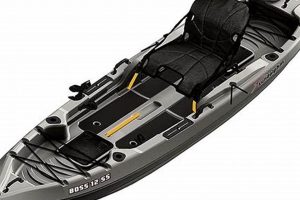
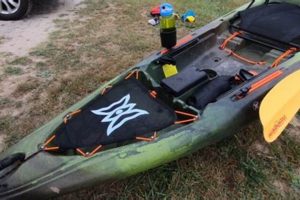
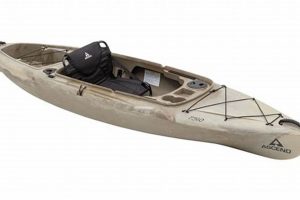
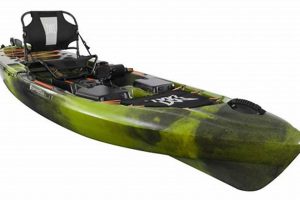
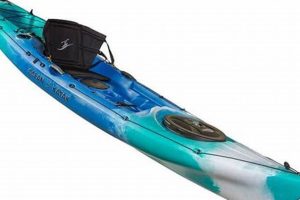
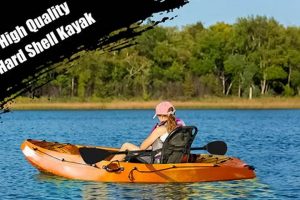
This specific model is a type of recreational watercraft designed for angling. Characterized by its sit-on-top design, it offers anglers an open and stable platform ideal for casting and reeling. The “12” typically refers to the approximate length of the kayak in feet, indicating a compact and maneuverable vessel suitable for various water conditions, from calm lakes to slow-moving rivers. The “SS” likely denotes a specific feature set or trim level within the product line.
Sit-on-top kayaks offer several advantages for fishing, including enhanced stability, ease of entry and exit, and self-draining capabilities that prevent water accumulation. These features contribute to a comfortable and efficient fishing experience, particularly in warmer climates. The growing popularity of kayak fishing reflects a broader trend toward accessible and nature-focused recreational activities. Kayaks provide a low-impact way to explore waterways and engage with the environment.
Further exploration of this watercraft may involve examining its specific features, comparing it to similar models, discussing appropriate paddling techniques, or outlining essential safety considerations for kayak fishing. Anglers can research accessories designed to enhance the fishing experience, such as rod holders, fish finders, and storage compartments.
Tips for Kayak Fishing
Proper preparation and technique enhance safety and enjoyment on the water. The following tips offer guidance for a successful fishing excursion.
Tip 1: Stability and Balance: Prior to embarking, practice entering, exiting, and balancing on the kayak in shallow, calm water. Maintaining a low center of gravity enhances stability. Distribute weight evenly throughout the vessel.
Tip 2: Essential Gear: Carry essential safety equipment, including a personal flotation device (PFD), a whistle, and a signaling device. A first-aid kit, sunscreen, and a dry bag for personal items are also recommended.
Tip 3: Paddle Selection: Choose a paddle appropriate for the kayak’s width and the paddler’s height. A properly sized paddle improves efficiency and reduces fatigue.
Tip 4: Navigation and Planning: Plan routes in advance, considering weather conditions, water currents, and potential hazards. Inform someone of the planned route and estimated return time.
Tip 5: Fishing Techniques: Adapt fishing techniques to the specific environment and target species. Employing appropriate lures, baits, and retrieval methods increases the likelihood of success.
Tip 6: Respect for the Environment: Practice Leave No Trace principles by packing out all trash and minimizing disturbance to wildlife and their habitats.
Tip 7: Weather Awareness: Check weather forecasts before heading out and be prepared to adjust plans if conditions change. Avoid paddling in strong winds, lightning storms, or other hazardous conditions.
Tip 8: Regular Maintenance: Rinse the kayak with fresh water after each use and store it properly to prolong its lifespan. Regularly inspect and maintain all equipment.
Adhering to these guidelines contributes to a safe, enjoyable, and productive kayak fishing experience. Preparation and awareness are key to maximizing success on the water.
With these tips in mind, anglers can confidently embark on their next fishing adventure.
1. Sit-on-top Design

The sit-on-top design is a defining characteristic of this particular kayak model and significantly influences its suitability for fishing. Unlike traditional sit-inside kayaks, the open deck allows for greater freedom of movement and easier access to gear. This design also contributes to enhanced stability, a crucial factor for anglers casting lines and reeling in fish. Self-bailing scupper holes facilitate water drainage, keeping the angler dry and the kayak afloat, even in choppy conditions. This feature is particularly advantageous in warmer climates where accidental submersion is less of a concern. For example, an angler might need to quickly shift position to react to a hooked fish; the open deck of a sit-on-top kayak permits this movement without the constraints of a cockpit.
The sit-on-top design simplifies entry and exit, making it easier for anglers to launch from shore or re-enter the kayak after a swim. This ease of access can be particularly beneficial for anglers with mobility limitations or those fishing in shallow water. The higher seating position affords better visibility, improving awareness of surroundings and potential fishing spots. This elevated perspective can also enhance casting accuracy and provide a more commanding view of the water’s surface. The ability to easily move around on the deck allows for adjustments in seating position, further enhancing comfort during long fishing trips.
In summary, the sit-on-top design of this kayak model offers numerous advantages for anglers, contributing to stability, ease of access, and overall fishing performance. The design caters to the specific needs of fishing, highlighting the deliberate engineering choices that make this kayak a popular choice among recreational fishers. Understanding the design implications reinforces the importance of selecting appropriate equipment based on intended activity and environmental conditions. This kayak design prioritizes practicality and functionality, reflecting the evolving demands of the modern angler.
2. Stability

Stability is a paramount consideration for any fishing kayak, directly impacting safety and angling effectiveness. For the Sun Dolphin Boss 12 SS sit-on-top fishing kayak, stability influences casting accuracy, the ability to fight hooked fish, and overall comfort during extended outings. Its relevance stems from the need to maintain balance while performing various fishing-related activities, such as casting, retrieving, and landing fish. This examination will delve into specific facets contributing to the stability of this kayak model.
- Hull Design
The hull design plays a critical role in a kayak’s stability. The Boss 12 SS typically features a relatively wide and flat hull, providing a stable platform, particularly in calm water conditions. This design characteristic prioritizes primary stability, offering resistance to initial tipping. A broader hull creates a larger base of support, reducing the likelihood of capsizing. However, this design can compromise maneuverability in swift currents or windy conditions. For example, a wider, flatter hull might feel less responsive when attempting quick turns compared to a narrower, V-shaped hull. The Boss 12 SS’s hull design represents a compromise between stability and maneuverability, catering to the needs of recreational anglers in relatively calm waters.
- Center of Gravity
The center of gravity significantly influences stability. The sit-on-top design of the Boss 12 SS places the angler’s weight higher than in a sit-inside kayak. While this can initially feel less stable, the wider hull compensates for the higher center of gravity. Distributing weight evenly within the kayak is crucial for maintaining balance. Placing heavier items lower in the hull improves stability. For instance, storing tackle boxes and other gear close to the bottom of the kayak lowers the overall center of gravity, enhancing stability. Shifting body weight can also affect stability; leaning too far to one side can compromise balance and potentially lead to capsizing.
- Water Conditions
Environmental factors, particularly water conditions, influence stability. Calm lakes and slow-moving rivers present fewer stability challenges compared to rough seas or fast-flowing currents. Wind and waves can significantly impact stability, requiring greater attention to balance and paddle control. The Boss 12 SS, while stable in calm conditions, may exhibit reduced stability in challenging environments. Anglers should exercise caution and adjust their paddling technique to maintain balance in such situations. For example, in windy conditions, using a lower paddling angle can improve stability and reduce the impact of wind gusts on the kayak.
- Angler Experience and Technique
An angler’s experience and technique contribute to overall stability. Novice kayakers may initially feel less stable, but balance improves with practice. Proper paddling technique and body positioning enhance stability, particularly in challenging conditions. Understanding how to brace and recover from a near capsize are essential skills for maintaining stability. Experienced anglers develop a sense of balance specific to their kayak, allowing them to confidently navigate various water conditions and perform fishing-related tasks without compromising stability. For instance, an experienced angler can instinctively shift their weight to counteract the destabilizing force of casting a heavy fishing line.
The stability of the Sun Dolphin Boss 12 SS sit-on-top fishing kayak derives from a combination of factors, including hull design, center of gravity management, consideration of water conditions, and angler experience. Understanding these interconnected elements allows anglers to maximize stability, enhancing both safety and fishing effectiveness. Selecting appropriate water conditions for one’s skill level, distributing weight evenly, and practicing proper paddling techniques are crucial for maintaining stability and enjoying a successful fishing trip. This model’s stability characteristics cater to the needs of recreational anglers, providing a balanced platform suitable for various fishing environments.
3. Maneuverability

Maneuverability represents a critical performance attribute for kayaks, especially in the context of fishing. For the Sun Dolphin Boss 12 SS sit-on-top fishing kayak, maneuverability directly impacts the angler’s ability to navigate tight spaces, position the vessel effectively for casting, and respond to changing water conditions or fish behavior. The kayak’s length, hull design, and tracking characteristics influence its maneuverability, affecting the overall fishing experience. Understanding the interplay of these factors provides insights into the practical implications of maneuverability for anglers. The ability to precisely control the kayak’s position and direction is essential for successful angling, enabling access to prime fishing spots and facilitating efficient retrieval of hooked fish. For example, navigating through dense vegetation or around submerged obstacles requires a kayak with responsive handling. Similarly, quickly repositioning the kayak to follow a moving school of fish necessitates agile maneuverability.
The Sun Dolphin Boss 12 SS, with its relatively shorter length of 12 feet, typically offers enhanced maneuverability compared to longer kayaks. The shorter length reduces turning radius, allowing for quicker changes in direction. However, this shorter length can also compromise tracking, requiring more frequent corrective strokes to maintain a straight course. The hull design further influences maneuverability. While a wider, flatter hull enhances stability, it can also reduce responsiveness. The Boss 12 SS’s hull design represents a compromise between stability and maneuverability, prioritizing stability for a fishing platform while still allowing for reasonable maneuverability in calm to moderate water conditions. In contrast, a longer, narrower kayak with a V-shaped hull might track better in open water but sacrifice maneuverability in tight spaces. The practical significance of this understanding lies in selecting the appropriate kayak based on the intended fishing environment. Anglers fishing in confined areas with obstacles would prioritize maneuverability, while those fishing in open water might prioritize tracking.
In summary, the maneuverability of the Sun Dolphin Boss 12 SS sit-on-top fishing kayak is a function of its length, hull design, and the resulting balance between responsiveness and tracking. Understanding how these elements interact provides anglers with insights for selecting appropriate equipment and employing effective paddling techniques. While the shorter length enhances turning capabilities, the wider hull design may reduce responsiveness. Ultimately, the kayak’s maneuverability characteristics cater to the needs of recreational anglers in relatively calm waters, providing a balanced performance profile suitable for various fishing scenarios. This balance between stability and maneuverability distinguishes this model as a versatile option for anglers seeking a stable yet responsive platform for their fishing excursions.
4. Fishing Features
Dedicated fishing features distinguish specialized kayaks from recreational models. The Sun Dolphin Boss 12 SS incorporates several such features, enhancing its utility for angling. These features directly impact fishing effectiveness and overall experience. Flush-mounted rod holders provide secure storage and quick access to fishing rods, crucial for efficient lure retrieval or responding to fish strikes. Storage compartments, often including a waterproof dry hatch, offer safekeeping for tackle boxes, personal items, and other essential gear. Understanding the purpose and functionality of these features is crucial for maximizing their benefit and optimizing fishing performance.
Consider the placement and design of rod holders. Adjustable rod holders allow anglers to customize rod angles, optimizing presentation of lures or baits. Multiple rod holders enable diverse fishing techniques and targeting of different species. Similarly, the size, location, and accessibility of storage compartments influence organizational efficiency. A spacious tank well with bungee cords can secure larger items like a cooler or tackle crate. These seemingly minor details can significantly enhance the fishing experience. For instance, readily accessible tackle storage allows for quick changes of lures without disrupting fishing flow, potentially increasing catch rates. Similarly, secure rod storage prevents accidental loss or damage to valuable equipment during transit or while navigating challenging waters.
The practical implications of these features extend beyond mere convenience. They contribute directly to angler success and safety. Efficient gear management minimizes distractions and maximizes fishing time. Secure storage prevents equipment loss, reducing potential hazards and environmental impact. These design considerations reflect a deliberate focus on the practical needs of anglers. The inclusion of specialized features underscores the intended purpose of the Sun Dolphin Boss 12 SS as a dedicated fishing platform. Ultimately, the effectiveness of these features relies on appropriate utilization by the angler. Understanding their intended function and integrating them into one’s fishing strategy maximizes their potential benefit, leading to a more productive and enjoyable experience on the water.
5. Portability
Portability significantly influences the practical usability of recreational watercraft. Transporting a kayak requires consideration of its size, weight, and available carrying options. The Sun Dolphin Boss 12 SS, while offering stability and fishing-specific features, must also be readily transportable to various fishing locations. This necessitates an examination of its portability characteristics. Factors influencing portability include the kayak’s dimensions, weight, and the availability of suitable carrying mechanisms. For example, transporting a kayak on a car roof rack requires compatible roof racks and tie-down straps. Alternatively, transporting the kayak in a truck bed necessitates adequate space and securement methods. Limited vehicle access to certain launch points may necessitate carrying the kayak over short distances, highlighting the importance of manageable weight and integrated carrying handles.
The Boss 12 SS typically falls within a weight range manageable for a single person to lift and carry over short distances. Integrated carrying handles, often molded into the kayak’s hull, facilitate transport. The relatively compact length of 12 feet simplifies maneuvering the kayak during loading and unloading. However, individual physical capabilities and the specific terrain leading to launch points influence the perceived ease of portability. Consider a scenario where an angler needs to carry the kayak down a steep, uneven path to reach a remote fishing spot. In such instances, even a moderately weighted kayak can present challenges. Conversely, launching from a dock or boat ramp simplifies the process, minimizing the distance the kayak needs to be carried. The practical implications of portability become evident when considering the entire logistical process of transporting, launching, and retrieving the kayak.
In summary, portability directly affects the accessibility and overall enjoyment of kayak fishing. The Sun Dolphin Boss 12 SS addresses portability through its manageable weight, integrated carrying handles, and relatively compact dimensions. However, individual circumstances, such as physical limitations or challenging terrain, can influence the perceived ease of portability. Careful consideration of these factors during kayak selection ensures alignment between portability requirements and individual capabilities, maximizing opportunities for successful and enjoyable fishing excursions. Understanding the practical implications of portability contributes to realistic expectations and informed decision-making, ultimately enhancing the overall fishing experience.
6. Durability
Durability represents a critical factor in the overall value and lifespan of a kayak, especially one intended for fishing. The Sun Dolphin Boss 12 SS sit-on-top fishing kayak, subjected to various environmental stressors and potential impacts, must exhibit sufficient durability to withstand regular use and maintain performance over time. This involves analyzing the materials used in its construction, the manufacturing process, and the kayak’s resistance to common wear and tear. Understanding durability influences purchasing decisions and informs appropriate maintenance practices to maximize the kayak’s lifespan.
- Material Selection
The choice of materials directly impacts a kayak’s durability. The Sun Dolphin Boss 12 SS typically utilizes high-density polyethylene (HDPE), known for its impact resistance and UV stability. HDPE offers a balance between durability and affordability, making it a common choice for recreational kayaks. While HDPE resists punctures and abrasions reasonably well, it can be susceptible to deep scratches or gouges from sharp objects. The material’s inherent UV resistance helps prevent degradation from prolonged sun exposure, a significant concern for kayaks frequently used in open waters. For example, kayaks constructed from less UV-stable materials might become brittle and crack over time with repeated sun exposure. HDPE’s resilience contributes to the Boss 12 SS’s ability to withstand typical wear and tear associated with fishing activities.
- Construction Methods
Manufacturing processes influence the overall structural integrity and durability of the kayak. Rotational molding, a common technique used in the production of HDPE kayaks, creates a seamless, one-piece hull with uniform wall thickness. This seamless construction eliminates potential weak points associated with joints or seams, enhancing overall durability and resistance to leaks. The uniform wall thickness contributes to consistent structural strength throughout the kayak. Variations in wall thickness, sometimes present in less sophisticated manufacturing processes, can create areas more susceptible to damage. The rotational molding process employed in the construction of the Boss 12 SS enhances its resistance to impacts and stress, contributing to its overall durability.
- Resistance to Environmental Factors
Kayaks endure exposure to various environmental factors, including UV radiation, fluctuating temperatures, and saltwater or freshwater immersion. The Boss 12 SS’s HDPE construction provides inherent resistance to UV degradation and temperature fluctuations. However, prolonged exposure to extreme temperatures can still affect the material’s properties. Saltwater environments can accelerate corrosion of metal components, such as hardware or fishing accessories. Regular rinsing with fresh water after use, especially in saltwater, helps mitigate corrosion and maintain the kayak’s durability. For example, neglecting to rinse saltwater residue can lead to corrosion of metal fittings, potentially compromising their functionality and structural integrity.
- Maintenance and Care
Proper maintenance practices play a crucial role in preserving a kayak’s durability and extending its lifespan. Regular cleaning removes dirt, grime, and saltwater residue, minimizing potential damage. Storing the kayak out of direct sunlight, when not in use, further protects it from UV degradation. Inspecting the hull for scratches or cracks and addressing minor damage promptly prevents further deterioration. Appropriate storage techniques, such as suspending the kayak or placing it on padded supports, prevent warping or deformation. These preventative measures contribute significantly to the long-term durability of the Boss 12 SS, maximizing its value and ensuring continued performance over time.
The durability of the Sun Dolphin Boss 12 SS stems from a combination of material selection, construction methods, resistance to environmental factors, and adherence to recommended maintenance practices. Understanding these interconnected elements allows owners to make informed decisions regarding usage, care, and storage. While the inherent durability of HDPE contributes significantly to the kayak’s longevity, proactive maintenance practices further enhance its resistance to wear and tear, maximizing its lifespan and ensuring continued enjoyment on the water. This focus on durability reflects the kayak’s intended purpose as a reliable fishing platform capable of withstanding the demands of regular use in diverse environments.
7. Affordability
Affordability plays a significant role in the accessibility of the Sun Dolphin Boss 12 SS sit-on-top fishing kayak to a broader range of consumers. Cost considerations often influence purchasing decisions, especially within the recreational market. This kayak model frequently occupies a price point that makes it an attractive option for individuals seeking an entry-level or budget-friendly fishing platform. Balancing affordability with features and performance presents a challenge for manufacturers. Cost-effective materials, efficient manufacturing processes, and streamlined designs contribute to achieving an affordable price point without compromising essential functionality. For example, utilizing high-density polyethylene (HDPE) in the construction of the Boss 12 SS allows for a durable yet cost-effective product compared to kayaks constructed from more expensive materials like fiberglass or composites. This affordability factor contributes to the kayak’s popularity among beginners and budget-conscious anglers.
The practical implications of affordability extend beyond initial purchase price. Lower cost often translates to greater accessibility, encouraging more individuals to participate in kayak fishing. This broader accessibility can foster growth within the sport and contribute to a more diverse community of anglers. However, affordability must be balanced against performance and durability. While the Boss 12 SS offers a cost-effective entry point, anglers seeking advanced features or intending to fish in more extreme conditions might consider investing in higher-priced models with enhanced capabilities. The trade-off between affordability and performance requires careful consideration based on individual needs and intended usage. An angler primarily fishing calm lakes or slow-moving rivers might find the Boss 12 SS perfectly adequate, while an angler tackling rough seas or fast-flowing currents might require a more robust and consequently more expensive kayak. Balancing cost with performance expectations is crucial for making informed purchasing decisions.
In conclusion, the affordability of the Sun Dolphin Boss 12 SS sit-on-top fishing kayak contributes significantly to its appeal among recreational anglers. Cost-effective materials and manufacturing processes enable a competitive price point without sacrificing essential functionality. This accessibility fosters wider participation in the sport and provides a viable entry point for budget-conscious individuals. However, potential buyers must weigh affordability against performance expectations, ensuring the kayak’s capabilities align with their intended usage and fishing environment. Understanding the relationship between cost and performance allows for informed decision-making, maximizing value and enjoyment on the water.
Frequently Asked Questions
This section addresses common inquiries regarding the Sun Dolphin Boss 12 SS sit-on-top fishing kayak, providing concise and informative responses.
Question 1: What is the weight capacity of this kayak?
Weight capacity varies depending on the specific model year, but generally falls within the range of 250-300 lbs. Consulting the manufacturer’s specifications for the particular model year is recommended.
Question 2: Is this kayak suitable for ocean use?
While designed primarily for calm waters such as lakes and slow-moving rivers, the kayak can handle moderate ocean conditions. However, caution is advised in rough seas or strong currents. Prioritizing safety and adhering to appropriate paddling techniques are crucial in any environment.
Question 3: What is the purpose of the scupper holes?
Scupper holes are self-bailing drains that allow water to exit the kayak’s deck, preventing water accumulation and maintaining buoyancy. They are a characteristic feature of sit-on-top kayaks.
Question 4: Can this kayak be used for tandem fishing?
The Sun Dolphin Boss 12 SS is designed as a single-person kayak. Attempting tandem use would exceed its weight capacity and compromise stability, potentially leading to unsafe conditions.
Question 5: What type of paddle is recommended for this kayak?
Paddle selection depends on individual height and paddling style, as well as the kayak’s width. Consulting a kayak specialist or retailer can assist in determining the appropriate paddle length and blade design. As a general guideline, a paddle length between 230-260 cm is often suitable.
Question 6: What maintenance is required for this kayak?
Regular rinsing with fresh water, especially after saltwater use, helps prevent corrosion and maintain the kayak’s appearance. Storing the kayak out of direct sunlight when not in use protects it from UV degradation. Periodic inspection for damage and prompt repair of any cracks or scratches prolong the kayak’s lifespan.
Understanding these frequently asked questions contributes to informed decision-making regarding the suitability and proper usage of the Sun Dolphin Boss 12 SS sit-on-top fishing kayak. Further research and consultation with experienced kayakers or retailers can provide additional insights tailored to individual needs and intended usage scenarios.
The following section will explore accessories and modifications that can enhance the functionality and performance of this kayak model.
Conclusion
The Sun Dolphin Boss 12 SS sit-on-top fishing kayak presents a compelling option for anglers seeking a stable, maneuverable, and feature-rich platform at an affordable price point. Its sit-on-top design promotes ease of access and enhances stability, while integrated fishing features, like rod holders and storage compartments, cater specifically to angling needs. Portability considerations, including manageable weight and integrated carrying handles, facilitate transport to various fishing locations. Durability, derived from robust HDPE construction and appropriate maintenance practices, ensures long-term performance. While prioritizing stability and affordability, the Boss 12 SS represents a compromise regarding performance in extreme conditions. Anglers seeking enhanced speed, tracking, or rough-water handling might require higher-priced, specialized models.
Careful consideration of individual needs, intended usage, and prevailing water conditions remains paramount when selecting any kayak. The Sun Dolphin Boss 12 SS, with its balanced blend of features, affordability, and performance, serves as a viable option for recreational anglers seeking a dedicated fishing platform. Continued exploration of kayak fishing techniques, safety practices, and environmental stewardship enhances the overall experience and promotes responsible enjoyment of this rewarding pastime.