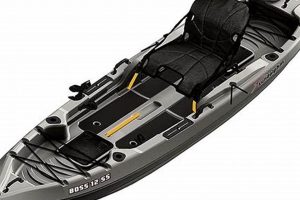
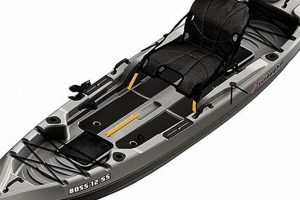
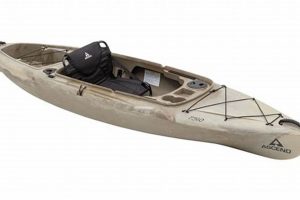
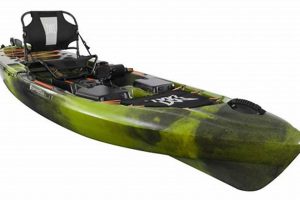
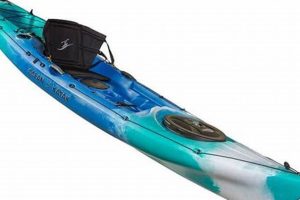
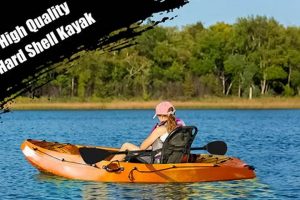
High-quality fishing kayaks designed for a seated-above position offer stability, comfort, and convenient access to fishing gear. These vessels often feature specialized storage, rod holders, and other amenities tailored to anglers’ needs. An example would be a kayak with a wide, stable hull, multiple rod holders, and a comfortable, adjustable seat positioned above the waterline.
Elevated seating provides enhanced visibility, crucial for spotting fish and navigating waterways. This design also facilitates casting and reeling, offering a more natural and comfortable fishing experience compared to traditional sit-inside kayaks. Furthermore, sit-on-top models often drain water automatically, making them ideal for calmer waters and increasing safety. The evolution of these kayaks reflects a growing demand for specialized watercraft catering to specific recreational activities, providing anglers with a blend of performance, comfort, and practicality.
This article will explore key factors to consider when selecting a fishing kayak, such as hull design, materials, storage options, and essential features. Subsequent sections will delve into specific models, comparing their performance and suitability for various fishing environments and styles.
Tips for Selecting a Premium Sit-On-Top Fishing Kayak
Choosing a suitable fishing kayak requires careful consideration of individual needs and intended usage. These tips offer guidance for selecting a vessel optimized for performance, comfort, and safety.
Tip 1: Prioritize Stability: A wider hull generally offers greater stability, crucial for casting and reeling, especially in moving water or when landing fish. Consider the intended fishing environment and choose a kayak with appropriate stability characteristics.
Tip 2: Evaluate Storage Capacity: Ample storage is essential for carrying tackle, gear, and safety equipment. Look for kayaks with dedicated compartments, tank wells, and bungee systems to secure belongings effectively.
Tip 3: Assess Seating Comfort: Extended fishing trips require a comfortable and supportive seat. Adjustable seating and backrests contribute to a more enjoyable and less fatiguing experience.
Tip 4: Consider Propulsion Options: Paddle propulsion offers maneuverability and exercise, while pedal-powered kayaks allow hands-free fishing and faster speeds. Electric motors offer increased range and effortless movement. Choose a propulsion system aligning with fishing style and physical capabilities.
Tip 5: Examine Hull Material: Polyethylene kayaks offer durability and affordability, while composite materials provide lighter weight and enhanced performance. Consider the balance between cost, weight, and durability.
Tip 6: Factor in Weight and Portability: Transporting the kayak to and from the water requires manageable weight and dimensions. Consider the availability of transportation assistance or roof racks.
Tip 7: Evaluate Rod Holders and Accessories: Dedicated rod holders, strategically placed, are essential for efficient fishing. Consider additional accessories like fish finders, GPS units, and anchor trolleys to enhance the fishing experience.
By carefully considering these factors, anglers can select a kayak that enhances their fishing experience and ensures safety and comfort on the water.
The following section will delve into specific kayak models, providing a comparative analysis to assist in making an informed purchasing decision.
1. Stability

Stability forms a cornerstone of a premium sit-on-top fishing kayak experience. A stable platform is paramount for successful angling, enabling safe casting, accurate hooksets, and secure fish landing. Compromised stability diminishes casting accuracy and increases the risk of capsizing, particularly when contending with moving water, wind, or the movements inherent in battling a hooked fish. Consider a scenario where an angler hooks a large fish; a stable kayak allows for controlled maneuvering and leverage, whereas an unstable one might lead to an unfortunate spill, losing both the fish and potentially valuable equipment. Kayak stability is largely determined by hull design; wider hulls generally offer greater initial stability, beneficial for calmer waters, while longer, narrower hulls provide better secondary stability resistance to tipping once tilted advantageous in rougher conditions.
The importance of stability extends beyond simply preventing capsizes. It directly impacts fishing efficacy. A stable platform allows anglers to stand comfortably, significantly improving casting distance and visibility. This is especially crucial in sight fishing or when navigating shallow waters. Furthermore, stability allows for smoother, more controlled retrieval, minimizing the chances of losing a fish due to jerky movements. For example, an angler standing in a stable kayak has a greater range of motion for fighting a strong fish, maximizing control and minimizing strain. Conversely, an angler constantly battling to maintain balance will be less effective and potentially risk injury.
Choosing a kayak with appropriate stability characteristics is therefore essential for a positive fishing experience. Understanding the nuances of primary and secondary stability, and how they relate to hull design and intended fishing environment, empowers anglers to make informed decisions. While a wider, flatter hull offers excellent initial stability for calm lakes and ponds, it may feel sluggish in moving water. A longer, narrower hull, while initially less stable, provides superior tracking and maneuverability in currents and waves. Careful consideration of these factors ensures optimal performance and safety on the water.
2. Comfort

Comfort plays a pivotal role in defining a superior sit-on-top fishing kayak. Extended periods on the water, often under challenging conditions, necessitate a comfortable seating arrangement to minimize fatigue and maximize fishing effectiveness. Discomfort can detract from the overall experience, reducing focus and potentially leading to premature termination of fishing trips. A well-designed, adjustable seat allows anglers to maintain optimal posture and reduces strain on the back, legs, and core muscles. Consider a full-day fishing excursion; an uncomfortable seat can transform an otherwise enjoyable outing into a physically demanding ordeal, impacting both performance and enjoyment. Conversely, a comfortable and supportive seating system allows anglers to remain focused on the task at hand, maximizing their chances of success.
Several factors contribute to seating comfort. Adjustability is paramount, allowing individuals to customize the seat position to suit their body type and fishing style. Features like adjustable backrests, foot braces, and thigh supports provide additional points of contact, distributing weight evenly and reducing pressure points. Padding and breathable materials further enhance comfort, particularly in hot and humid conditions. For example, an angler with a longer torso might require a higher backrest, while someone with shorter legs might benefit from adjustable footrests. A kayak offering multiple adjustment points allows for a truly personalized fit, crucial for prolonged comfort. Furthermore, high-quality padding and breathable fabrics wick away moisture, preventing overheating and discomfort.
The impact of comfort extends beyond mere physical well-being. A comfortable angler is a more focused and effective angler. Reduced discomfort translates to increased concentration, allowing for better observation of the water, more precise casting, and quicker reaction times when a fish strikes. This enhanced focus can make a significant difference in overall fishing success. Choosing a kayak with a comfortable and adjustable seating system is therefore not merely a matter of convenience; it’s a strategic investment in maximizing fishing performance and enjoyment. Prioritizing comfort ensures anglers can remain on the water longer, fish more effectively, and fully appreciate the experience.
3. Storage Capacity
Ample and well-designed storage is a defining characteristic of high-performing sit-on-top fishing kayaks. Efficient organization and readily accessible gear contribute significantly to a successful and enjoyable fishing experience. Insufficient storage can lead to cluttered decks, hindering movement and potentially compromising safety. Conversely, well-planned storage solutions allow anglers to carry essential equipment, including tackle boxes, safety gear, and personal items, without sacrificing stability or maneuverability.
- Dedicated Tackle Storage:
Purpose-built compartments for tackle boxes keep lures, hooks, and other small items organized and protected. Dry storage safeguards sensitive electronics and documents from water damage. Easy access to frequently used items, such as pliers and line cutters, streamlines fishing processes and minimizes disruptions. For example, a dedicated compartment for a large tackle box eliminates the need to rummage through bags, saving valuable time and maintaining focus on fishing. Waterproof hatches ensure essential gear remains dry even in challenging conditions.
- Rod Holders and Management Systems:
Secure and easily accessible rod holders are essential for efficient fishing. Multiple rod holders accommodate different rod types and fishing techniques. Flush-mounted rod holders minimize interference with paddling or pedaling, while adjustable rod holders allow for customized positioning. For example, recessed rod holders keep lines clear during paddling, preventing tangles and accidental snags. Adjustable holders accommodate various rod lengths and fishing styles, from trolling to jigging.
- Tank Wells and Bungee Systems:
Open storage areas, often referred to as tank wells, provide versatile storage for larger items like coolers, dry bags, or even a small crate. Bungee systems secure these items, preventing loss or damage in rough conditions. This versatility allows anglers to customize their loadout based on the specific needs of each trip. For example, a large tank well can accommodate a cooler for food and drinks, while bungee cords secure it firmly in place, even during choppy water conditions.
- Dry Storage Hatches and Compartments:
Protecting sensitive items from water damage is paramount. Dry storage hatches, often located within the hull, offer secure storage for electronics, phones, wallets, and other valuables. These compartments provide peace of mind, ensuring essential items remain dry even in the event of a capsize or unexpected splash. For example, storing a phone and wallet in a dedicated dry hatch ensures they remain protected, even during unexpected splashes or brief submersions.
The strategic integration of these storage features contributes significantly to the overall performance and enjoyment of a fishing kayak. Ample, well-organized storage maximizes fishing efficiency by keeping essential gear readily accessible, while dry storage protects valuables from water damage. Choosing a kayak with appropriate storage solutions enhances comfort, reduces clutter, and ultimately contributes to a more successful and enjoyable fishing experience.
4. Propulsion Method

Propulsion method stands as a critical differentiator among sit-on-top fishing kayaks, directly impacting performance, fishing style, and overall experience. Selecting the optimal propulsion system requires careful consideration of individual needs, physical capabilities, and intended fishing environments. Each method offers distinct advantages and disadvantages, influencing speed, maneuverability, and hands-free fishing capabilities.
- Paddle Propulsion:
Traditional paddle propulsion offers excellent maneuverability and control, particularly in tight spaces or shallow water. It provides a full-body workout and allows for stealthy approach to fishing spots. However, paddling can be tiring during long trips or against strong currents, limiting range and potentially impacting fishing effectiveness. Consider navigating a densely vegetated marsh; paddle propulsion provides the finesse required for navigating narrow channels and approaching fish discreetly. However, covering long distances in open water might prove challenging and physically demanding.
- Pedal Propulsion:
Pedal-powered kayaks offer hands-free fishing, allowing anglers to maintain casting position while simultaneously propelling the vessel. This system provides greater speed and efficiency compared to paddling, particularly over longer distances. However, pedal kayaks can be more expensive and less maneuverable in tight spaces. Imagine trolling for open-water species; pedal propulsion enables continuous movement while maintaining hands-free fishing, covering a larger area and increasing the chances of a strike. However, maneuvering through intricate mangrove tunnels would be less efficient with a pedal drive.
- Motorized Propulsion:
Electric motors offer effortless propulsion, maximizing range and minimizing physical exertion. This allows anglers to reach distant fishing spots quickly and conserve energy for fishing. However, motors add weight and complexity, requiring battery management and potentially increasing maintenance requirements. Consider accessing remote fishing grounds in a large lake; a motorized kayak provides effortless transportation, conserving energy for fishing and maximizing time on the water. However, the added weight and battery requirements might pose challenges for transportation and storage.
- Combination Propulsion:
Some kayaks offer hybrid systems, combining paddle and pedal or paddle and motor propulsion. This offers flexibility for varied fishing conditions and personal preferences. Anglers can switch between methods depending on the environment or their physical needs, optimizing both efficiency and enjoyment. For example, using a pedal drive for long-distance travel and then switching to paddle propulsion for quiet maneuvering in shallow fishing areas provides the best of both worlds.
Selecting the appropriate propulsion system is integral to optimizing a sit-on-top fishing kayak’s performance and overall fishing experience. Careful evaluation of individual needs, fishing style, and intended fishing environment guides the decision-making process. Choosing a propulsion method aligning with these factors enhances fishing effectiveness, extends range, and maximizes enjoyment on the water.
5. Durability
Durability represents a critical factor in evaluating sit-on-top fishing kayaks, directly influencing lifespan, maintenance requirements, and overall value. Kayaks endure significant stresses from UV exposure, impacts with rocks and other obstacles, and the constant strain of transport and usage. Selecting a durable kayak minimizes repair costs, extends the vessel’s functional life, and ensures reliable performance in demanding environments. A kayak’s ability to withstand these challenges directly impacts its long-term usability and overall cost-effectiveness.
- Hull Material:
Hull material significantly impacts durability. Polyethylene kayaks offer excellent impact resistance and affordability, making them a popular choice for recreational anglers. Higher-density polyethylene provides enhanced durability, though at a slightly higher weight. Composite materials, such as fiberglass and carbon fiber, offer superior strength and lighter weight, but often come at a premium cost. Selecting the appropriate hull material requires careful consideration of budget, performance needs, and anticipated usage conditions. For example, a polyethylene kayak might suffice for calm lake fishing, while a composite construction would be more suitable for navigating rocky coastlines or challenging whitewater environments.
- Construction Quality:
Beyond the base material, construction techniques influence a kayak’s ability to withstand stress. Properly sealed seams, reinforced stress points, and quality hardware contribute to overall structural integrity. Examining the kayak’s construction details, such as seam welding and hardware attachments, offers insights into its long-term durability. For example, robust seam welding prevents leaks and water intrusion, extending the kayak’s lifespan. High-quality stainless steel hardware resists corrosion, maintaining functionality and structural integrity over time.
- UV Resistance:
Prolonged exposure to sunlight can degrade kayak materials, causing fading, brittleness, and reduced structural integrity. UV-resistant coatings and additives protect against sun damage, preserving the kayak’s appearance and extending its lifespan. Kayaks stored outdoors require robust UV protection to maintain their structural integrity and prevent premature aging. For example, a kayak with a high-quality UV-resistant coating will retain its color and strength even after years of exposure to direct sunlight, while an unprotected kayak might become brittle and prone to cracking.
- Maintenance and Care:
Proper maintenance plays a crucial role in preserving a kayak’s durability. Regular cleaning, proper storage, and timely repairs prevent minor issues from escalating into major problems. Following manufacturer recommendations for care and maintenance optimizes the kayak’s lifespan and ensures continued reliable performance. For example, rinsing the kayak after each use removes saltwater and debris, preventing corrosion and material degradation. Storing the kayak out of direct sunlight minimizes UV damage, preserving its structural integrity and appearance.
Durability directly impacts the long-term value and performance of a sit-on-top fishing kayak. Choosing a durable kayak, constructed from high-quality materials and incorporating robust construction techniques, ensures reliable performance and minimizes long-term maintenance costs. Prioritizing durability contributes to a more sustainable and ultimately more enjoyable fishing experience, allowing anglers to focus on their passion rather than equipment concerns.
6. Special Features
Distinguishing features elevate sit-on-top fishing kayaks from general recreational models, optimizing performance and enhancing the angling experience. These specialized features cater to specific fishing needs, improving efficiency, comfort, and overall success on the water. Careful consideration of these features is crucial when selecting a kayak tailored to individual fishing styles and preferences.
- Rod Holders:
Multiple rod holders, strategically positioned for easy access and secure storage, are essential for serious anglers. Different rod holder types accommodate various fishing techniques, from trolling to jigging. Flush-mounted rod holders minimize interference with paddling, while adjustable holders allow for customized rod positioning. For example, dedicated trolling rod holders angled towards the stern keep lines clear and prevent tangles, while vertical rod holders facilitate jigging or bottom fishing. The number, type, and placement of rod holders significantly impact fishing efficiency and overall enjoyment.
- Fish Finders and Electronics Mounts:
Integrated mounts and dedicated compartments for fish finders, GPS units, and other electronics enhance fishing success by providing crucial information about water depth, fish location, and navigation. Secure mounting systems protect these valuable devices from water damage and ensure they remain readily accessible. Pre-wired transducer mounts simplify installation and streamline the fishing experience. For example, a recessed fish finder mount keeps the screen visible without obstructing the angler’s view, while a dedicated battery compartment provides power and protects against water intrusion. These features enhance situational awareness and improve the chances of locating and catching fish.
- Anchor Trolleys and Systems:
Anchor trolleys allow anglers to control kayak position in moving water, maintaining optimal presentation and preventing drift. This feature is particularly valuable in rivers, tidal flows, or windy conditions. Efficient anchor trolley systems facilitate quick adjustments and minimize disruptions to the fishing process. For example, an easily adjustable anchor trolley allows anglers to hold position in a current, presenting bait naturally and maximizing fishing effectiveness. This precise control enhances fishing success, particularly in challenging environments.
- Livewells and Bait Management Systems:
Built-in livewells provide convenient storage and maintenance of live bait, crucial for many fishing techniques. Aerated livewells keep bait healthy and active, increasing fishing success. Integrated bait management systems, such as cutting boards and bait containers, further streamline the fishing process. For example, an insulated livewell with a built-in aerator keeps bait fresh and lively throughout the day, maximizing its effectiveness. Convenient access to bait and related tools enhances fishing efficiency and reduces time spent on logistical tasks.
These specialized features significantly enhance the functionality and performance of sit-on-top fishing kayaks, catering to specific angling needs and optimizing the overall fishing experience. Investing in a kayak equipped with these features allows anglers to focus on their passion, maximizing efficiency, comfort, and ultimately, success on the water. The careful selection of these features, based on individual fishing styles and target species, contributes significantly to a more productive and enjoyable fishing experience.
Frequently Asked Questions
This section addresses common inquiries regarding premium sit-on-top fishing kayaks, providing concise and informative responses to assist in informed decision-making.
Question 1: How does one choose the right size fishing kayak?
Kayak size selection depends on individual weight, intended use, and storage capacity needs. Longer kayaks track better and offer higher speeds, while wider kayaks provide enhanced stability. Consider the balance between speed, maneuverability, and stability based on fishing style and environment.
Question 2: What are the key differences between single and tandem fishing kayaks?
Single kayaks offer greater maneuverability and personalized control, ideal for solo fishing excursions. Tandem kayaks accommodate two paddlers, suitable for fishing with a companion or carrying additional gear. Choosing between single and tandem configurations depends on individual preferences and intended usage scenarios.
Question 3: What safety precautions should be taken when using a fishing kayak?
Wearing a personal flotation device (PFD) is paramount for safety. Carrying essential safety equipment, including a whistle, signaling device, and first-aid kit, is crucial. Informing someone of the intended fishing location and estimated return time enhances safety protocols. Checking weather conditions before embarking on a fishing trip ensures preparedness for changing conditions.
Question 4: How does one maintain and care for a fishing kayak?
Regular cleaning with mild soap and water removes dirt, grime, and saltwater residue. Proper storage, preferably out of direct sunlight, prevents UV damage and material degradation. Inspecting and addressing minor damage promptly prevents further deterioration. Following manufacturer recommendations for maintenance ensures optimal performance and longevity.
Question 5: What are the advantages of sit-on-top kayaks for fishing compared to sit-inside kayaks?
Sit-on-top kayaks offer superior stability, ease of entry and exit, and self-bailing capabilities. These features make them ideal for fishing in calmer waters and warmer climates. The open design facilitates easier casting and provides enhanced maneuverability. Sit-inside kayaks offer greater protection from the elements and enhanced paddling efficiency in colder conditions.
Question 6: What factors influence the price of a fishing kayak?
Several factors influence kayak pricing, including size, material, features, and brand reputation. Larger kayaks generally command higher prices. Composite materials, such as fiberglass or carbon fiber, typically cost more than polyethylene. Advanced features, like integrated electronics and specialized storage, also contribute to price increases. Premium brands often reflect higher quality materials and construction techniques.
Understanding these fundamental aspects contributes to informed purchasing decisions and a more rewarding fishing kayak experience. Choosing the right kayak, coupled with proper safety precautions and maintenance, ensures lasting enjoyment on the water.
The following section will delve into specific product recommendations, providing comparative analyses to guide selection based on individual needs and preferences.
Conclusion
Careful selection of premium sit-on-top fishing kayaks hinges on a comprehensive understanding of key features impacting performance, comfort, and specialized functionality. Stability, influenced by hull design, ensures safe and effective angling. Comfort, determined by seating design and adjustability, maximizes endurance and enjoyment during extended fishing trips. Ample and well-organized storage accommodates essential gear and tackle, while efficient propulsion systemspaddle, pedal, or motorcater to individual preferences and fishing styles. Durability, dictated by hull material and construction quality, ensures long-term value and reliable performance. Finally, specialized features like rod holders, electronics mounts, and anchor trolleys enhance fishing effectiveness and overall experience.
Investing in a high-quality sit-on-top fishing kayak represents an investment in enhanced fishing experiences. Thorough consideration of these key features empowers informed decisions, aligning kayak selection with individual angling needs and maximizing enjoyment on the water. This careful evaluation ensures not only a productive fishing experience but also a safe and comfortable one, fostering a deeper appreciation for the sport and the natural environment it embraces.